By Alice Leslie | Fundraiser
Working in the London office of MicroLoan, and having lived and worked in Africa, I don’t consider myself to be naïve about the breadth and depth of poverty that some communities are struck with, and the myriad of social problems that this can cause. However, my first trip to Malawi with MicroLoan was still a shock for me.
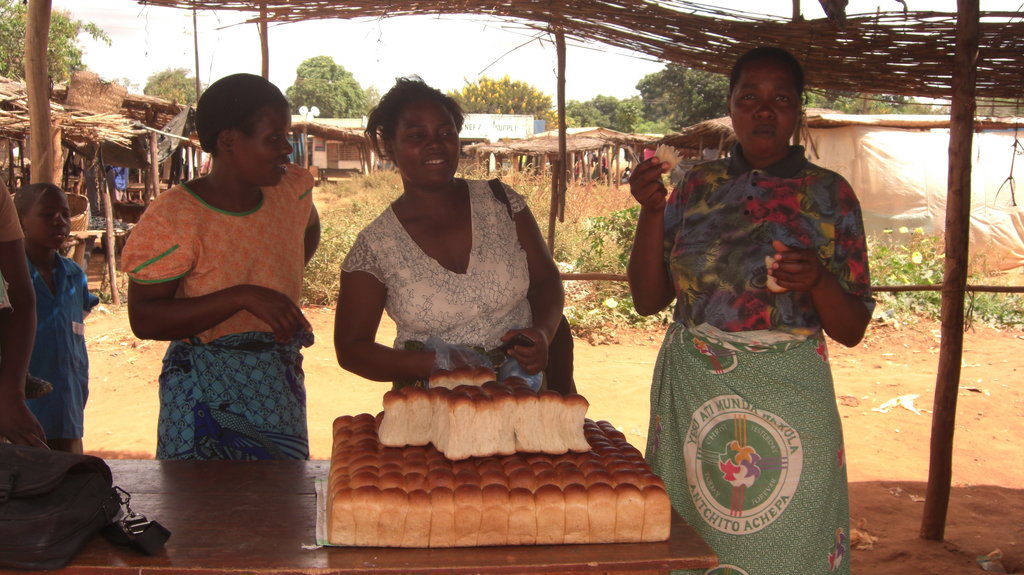
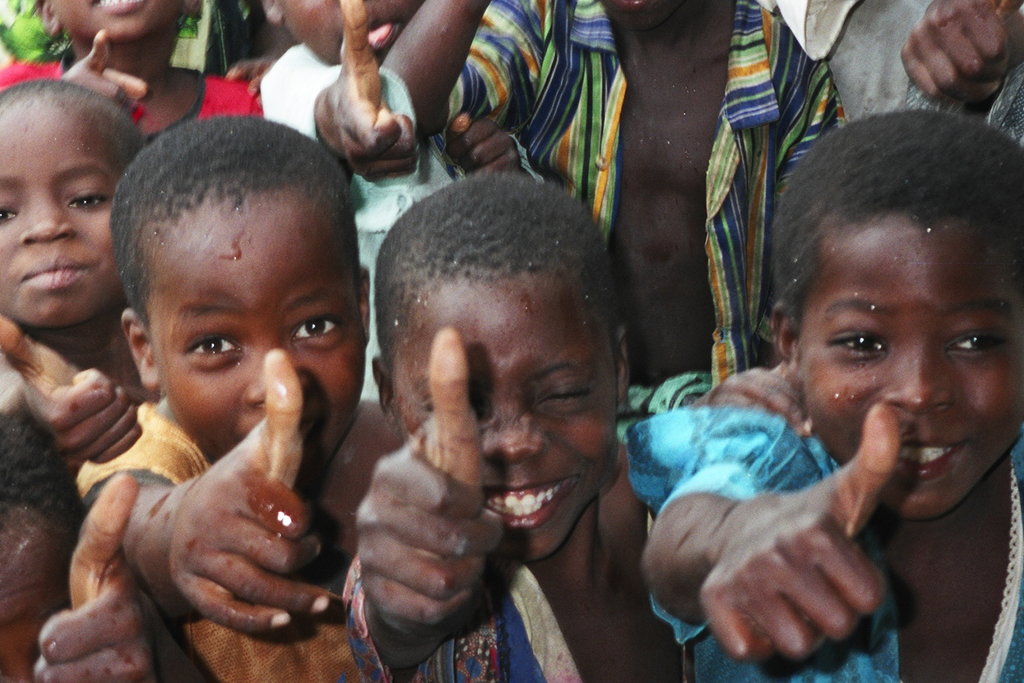
We work hard to ensure that we support the very poorest women. Women who I met that were new to MicroLoan or in their early loan cycles often had many small children with them, some theirs, others orphans who they had taken in following the death of a family member. Their children were often dressed in rags and chewing on corn-less cobs, their clothes held together with safety pins. Their modest subsistence farm plots were parched and dry. There seem to be so few options for the women that we work with, but yet when given a dignified and sustainable opportunity to improve their circumstances they have proved to be natural entrepreneurs and innovators. It is because of this that a small loan to purchase an irrigation kit, with careful mentoring and training, can help a woman produce a lush and fertile bed of food both for the family to eat and to sell for cash at local markets.
I was struck by so many contrasting feelings. I felt sympathy for the situation the women we help find themselves in, but also respect, in much greater measure. When you are talking one to one with a woman who is in the process of transforming her life and offering her children a better chance than she ever had, all the statistics on poverty fade away. A small difference in a rural community will have immense trickle down effects and change the lives of future generations. Children are sent to school, properly fed and clothed, and the whole family benefits from being able to afford basic medical care and better nutrition.
From the ever changing looks of sadness, joy and incredulity, I know the four supporters that came on the trip with me went on the same emotional rollercoaster.
The first stop on our trip was MicroLoan’s head office in Kasungu where our Malawian CEO James spoke passionately about the difference MicroLoan is making. MicroLoan employs talented local people who understand the latent issues in the countries where we work. This creates local employment which makes our work more sustainable, as well as capitalising on local relationships and knowledge.
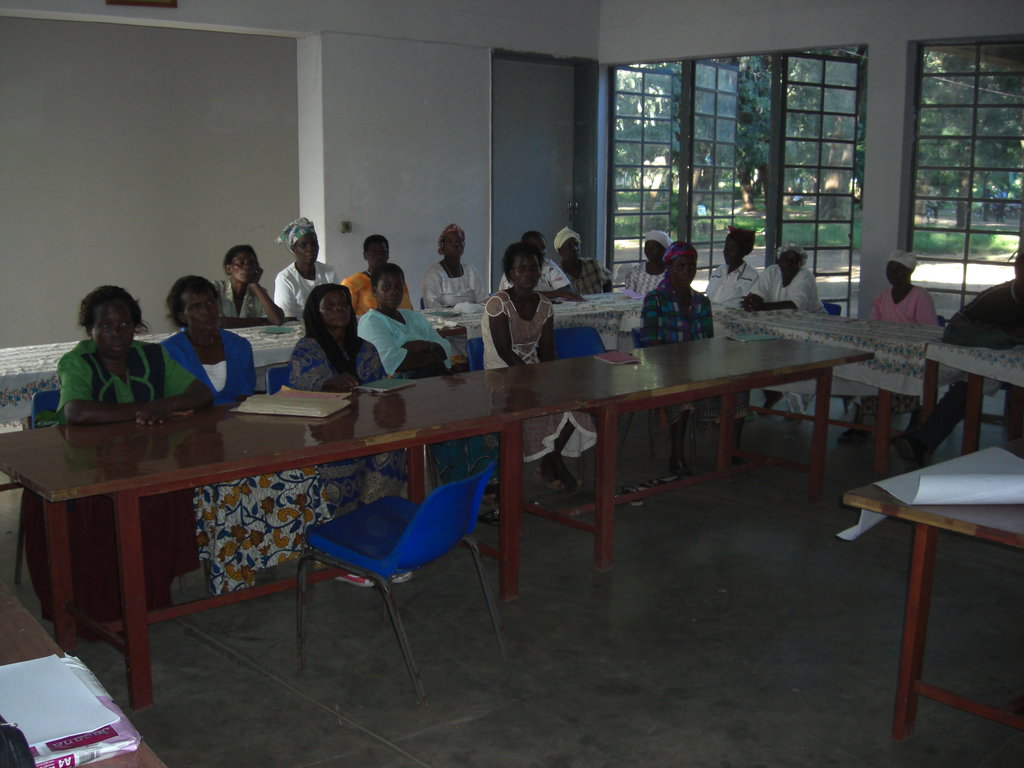
On our second day, an hour’s journey north takes us to the first of groups we are visiting – the Chitemwa group. The women of Chitemwa have used their loans to increase their farming productivity to ensure food security for the local area for the coming years. We had a really interesting discussion with the women about the strengths and weaknesses of their businesses and we were proudly shown their flourishing irrigated plots full of healthy cabbages, tomatoes and maize. The difference between MicroLoan borrowers’ plots and their neighbours’ non-irrigated dust bowl land was stark.
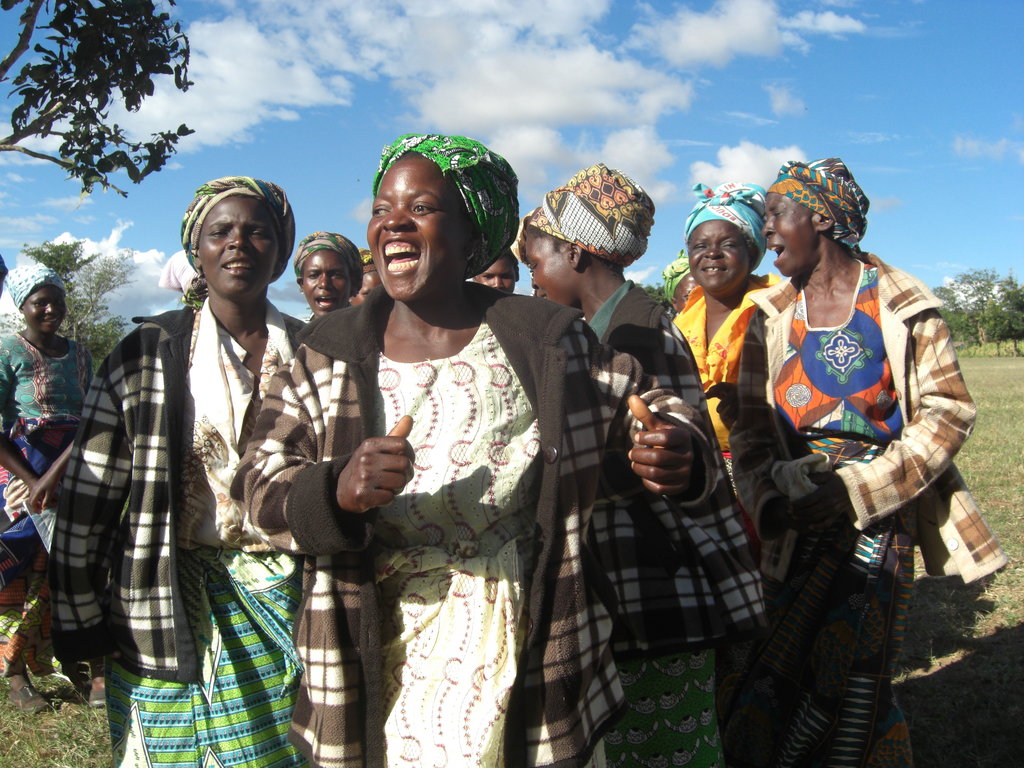
The women that we met were amazingly hospitable, and insisted that we stay for sodas and biscuits that they had bought for us, even though they were obviously busy with their farming, with throngs of hungry children vying for their attention as we approached lunch time. Driving through the open parched landscapes back to Kasungu it was impossible to ignore how difficult it must be to eek a living out of dry, cracked and remote land. In spite of the fact that they were all very busy, they took time out of their days to welcome us and we all danced and sang together. We all felt very humbled by the hospitality we had been shown.
We then visited MicroLoan Foundation’s knitting and sewing school, which is an urban enterprise, where women are taught skills that add value to their businesses. Many women were knitting shawls for babies, or sewing dresses out of traditional African fabrics. The women that we met were proud of their work and there was obviously a lot of hard work and care being taken in the knowledge that the extra skills they had learnt from MicroLoan’s training would go a long way to ensuring their businesses pull them out of poverty.
For me, this is what giving a hand up all is about. Sustainable small improvements through access to credit, training and mentoring, that allow women to give their children opportunities that they never had, without creating a cycle of dependency….and this is what MicroLoan want to do for as many women in Africa as possible.
Links:
Project reports on GlobalGiving are posted directly to globalgiving.org by Project Leaders as they are completed, generally every 3-4 months. To protect the integrity of these documents, GlobalGiving does not alter them; therefore you may find some language or formatting issues.
If you donate to this project or have donated to this project, you can receive an email when this project posts a report. You can also subscribe for reports without donating.