By John Sulle | Executive Director
Quarterly Report — June 2026
Project: Protect the Kids from Traffickers
Project Number: 57986
Organization: The A'ray Justice and Peace Initiative (TAJPI)
Location: Babati Rural District and Karatu District, Tanzania
Overview
During the reporting period ending June 2026, TAJPI continued its efforts to prevent child trafficking and protect vulnerable children in northern Tanzania. However, the quarter presented significant operational challenges that limited our ability to achieve several planned activities.
The socio-economic effects that followed the General Elections of 29 October 2025 continued to affect vulnerable households and community engagement. Economic hardship, social uncertainty, and reduced trust among some community members and local institutions created barriers to project implementation. As a result, TAJPI maintained its adaptive approach of conducting targeted household visits rather than larger community awareness and training events.
Despite these challenges, our field activities provided valuable insights into the underlying factors that continue to expose children to trafficking and exploitation.
Field Engagement
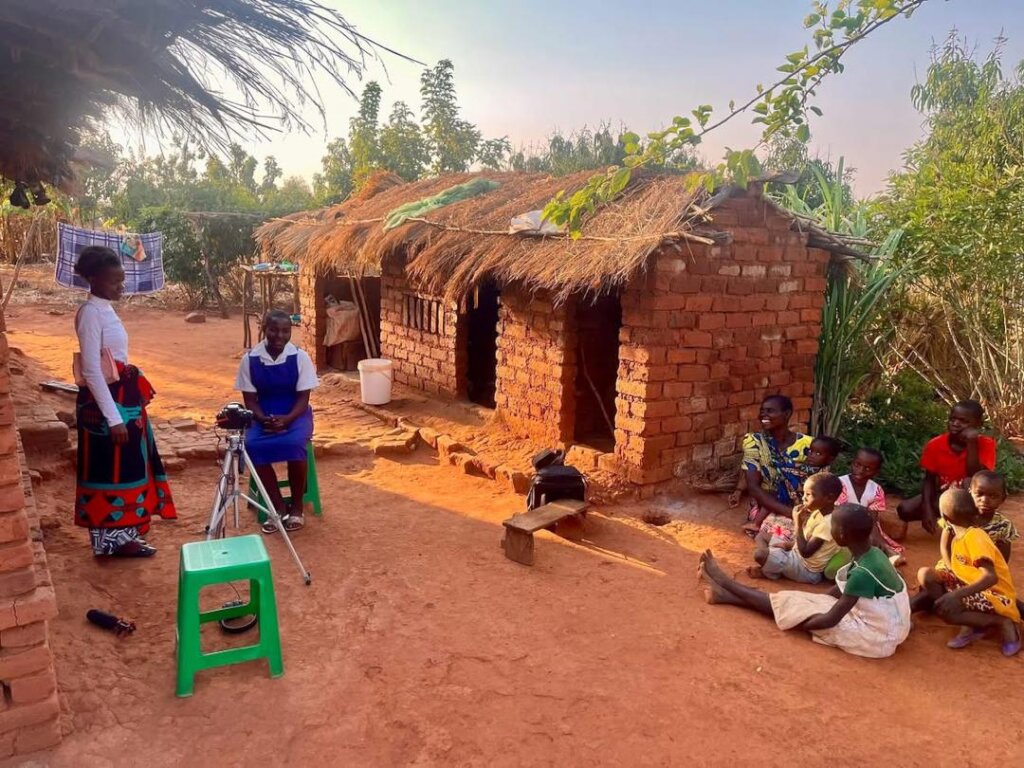
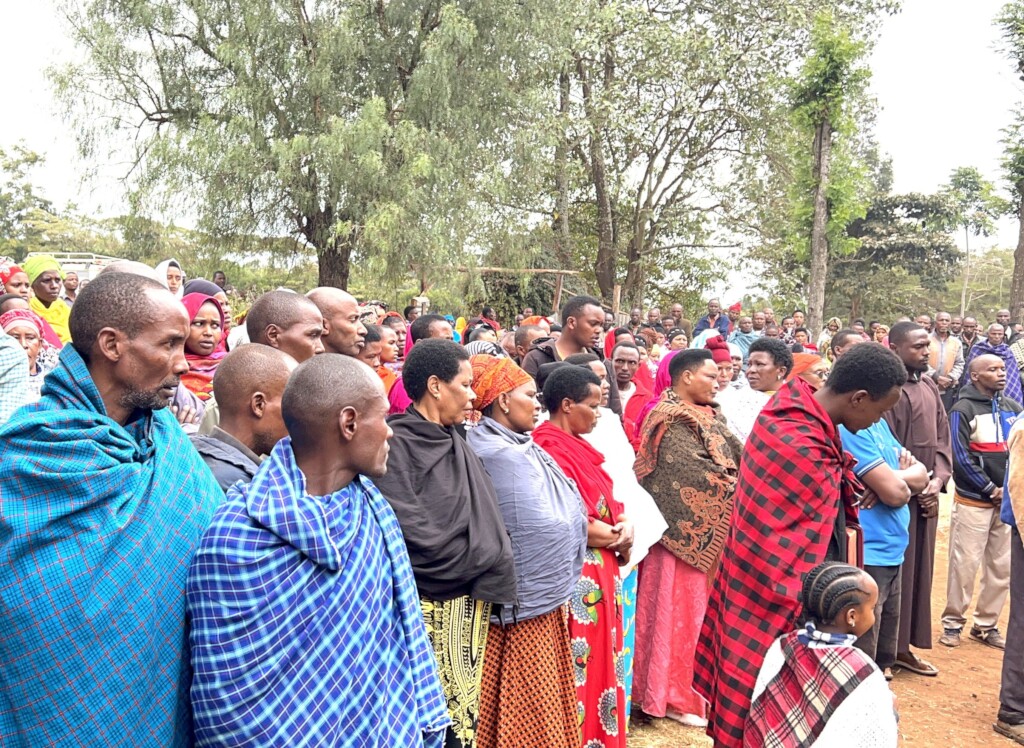
During this quarter, TAJPI conducted household visits in Bashnet Village (Babati Rural District) and Mbulumbulu Village (Karatu District). These communities are primarily composed of pastoralists and smallholder farming families whose livelihoods depend heavily on livestock and subsistence agriculture.
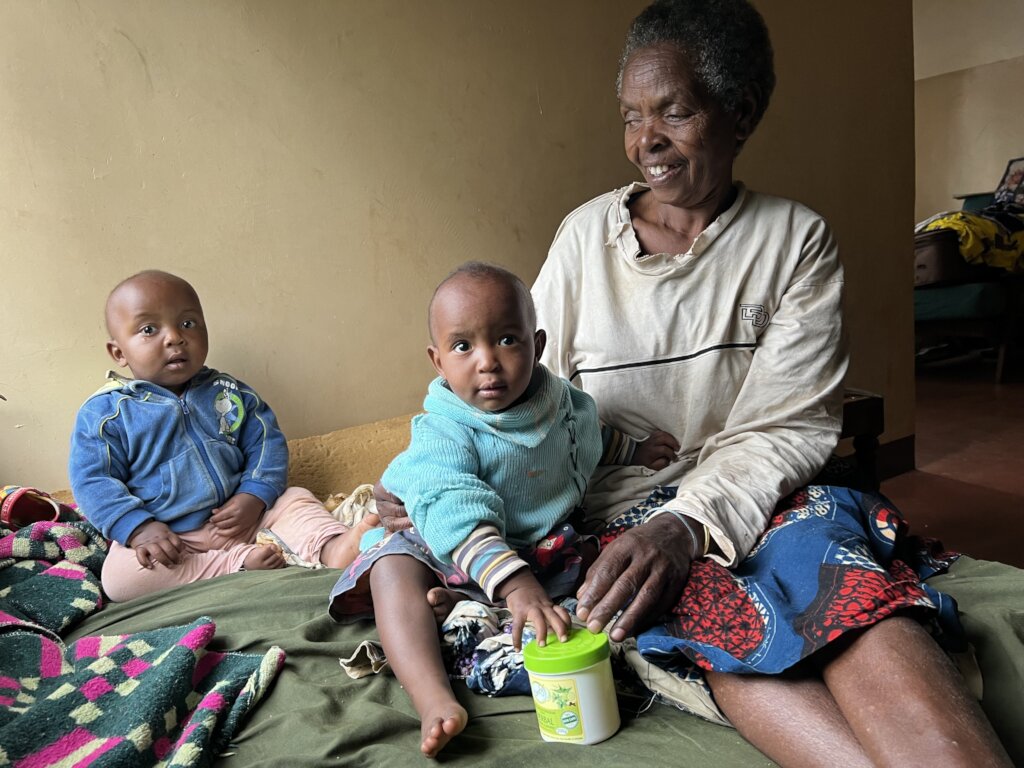
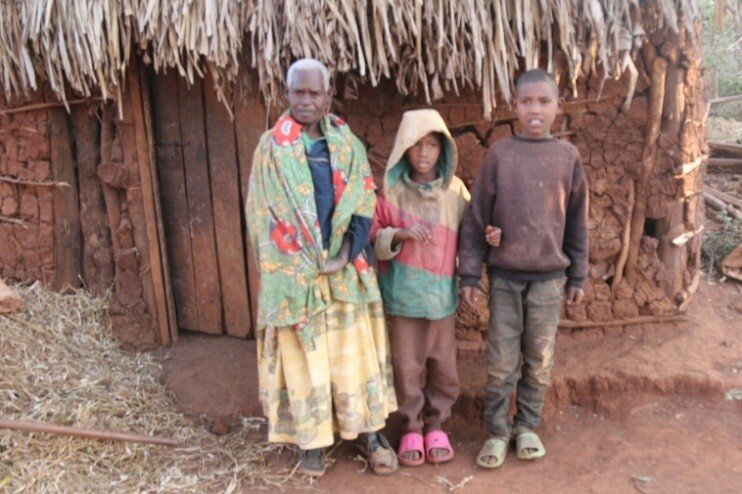
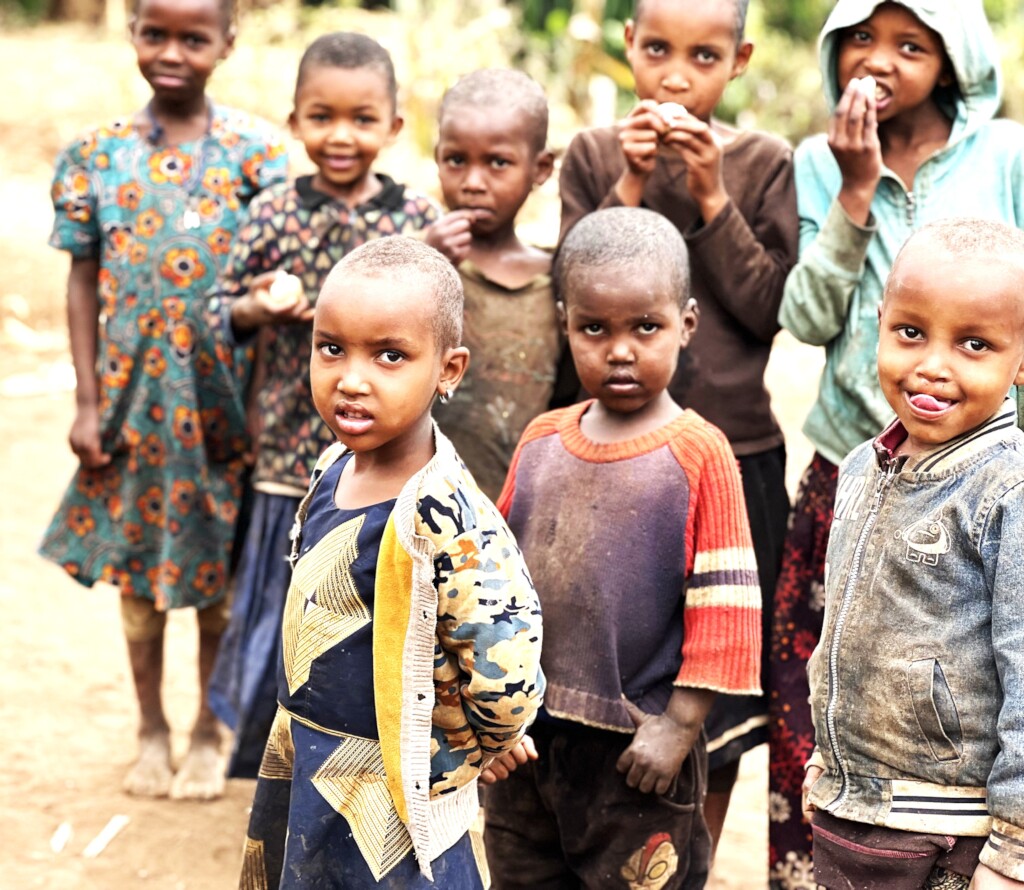
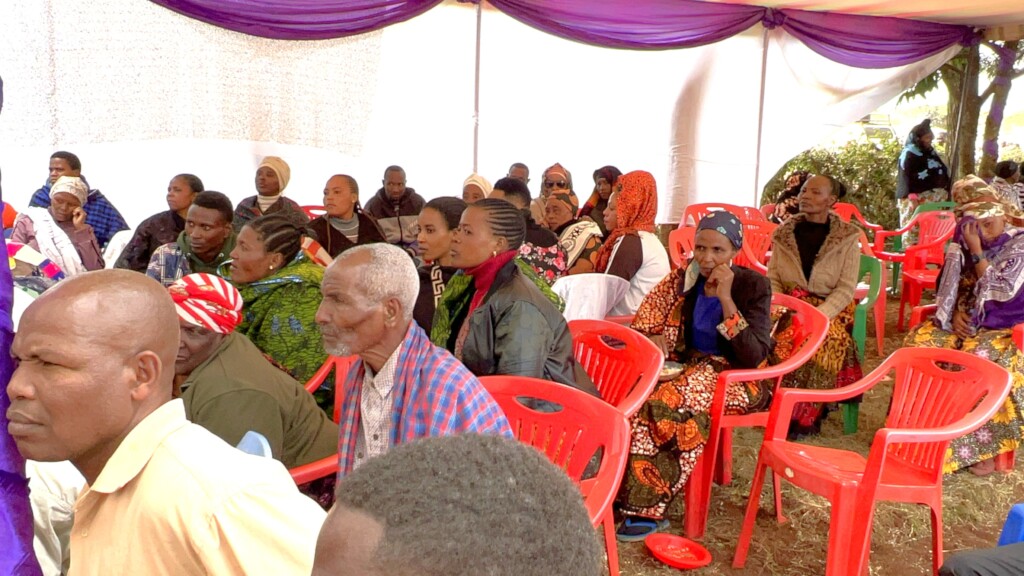
Through these visits, we engaged 30 grandmothers serving as primary caregivers for abandoned, orphaned, or otherwise vulnerable children. Many of these caregivers have assumed responsibility for raising grandchildren after their daughters migrated to urban centers in search of employment opportunities.
A recurring concern identified during the visits was the use of false promises of education and improved living conditions to persuade caregivers to allow children to relocate to urban areas. In many cases, these promises ultimately result in children being subjected to exploitative domestic labor arrangements where they receive little or no compensation beyond food and accommodation, while educational opportunities never materialize.
These findings continue to demonstrate the strong connection between poverty, economic vulnerability, misinformation, and the risk of internal child trafficking.
Challenges Encountered
This quarter, TAJPI was unable to fully achieve several planned objectives, including:
• Continuing structured household monitoring across all targeted high-risk villages.
• Strengthening collaboration with community leaders to improve identification and reporting of trafficking risks.
• Conducting a localized fundraising initiative to increase community ownership and project sustainability.
Several factors contributed to these challenges.
First, trust-building with local stakeholders remained difficult in some communities. Lingering social tensions and mutual distrust following the 2025 electoral period affected cooperation and information sharing among community members and local leaders.
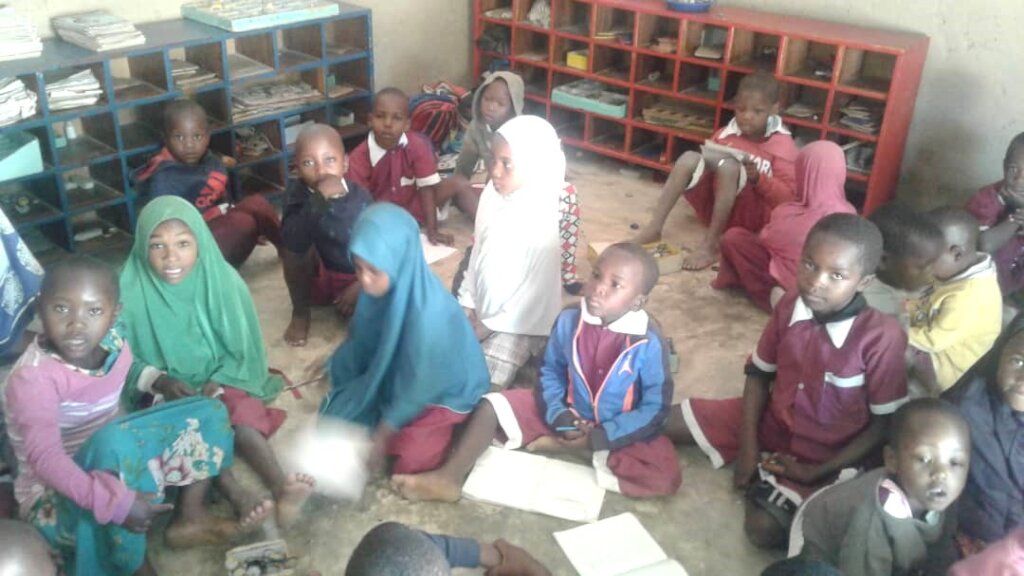
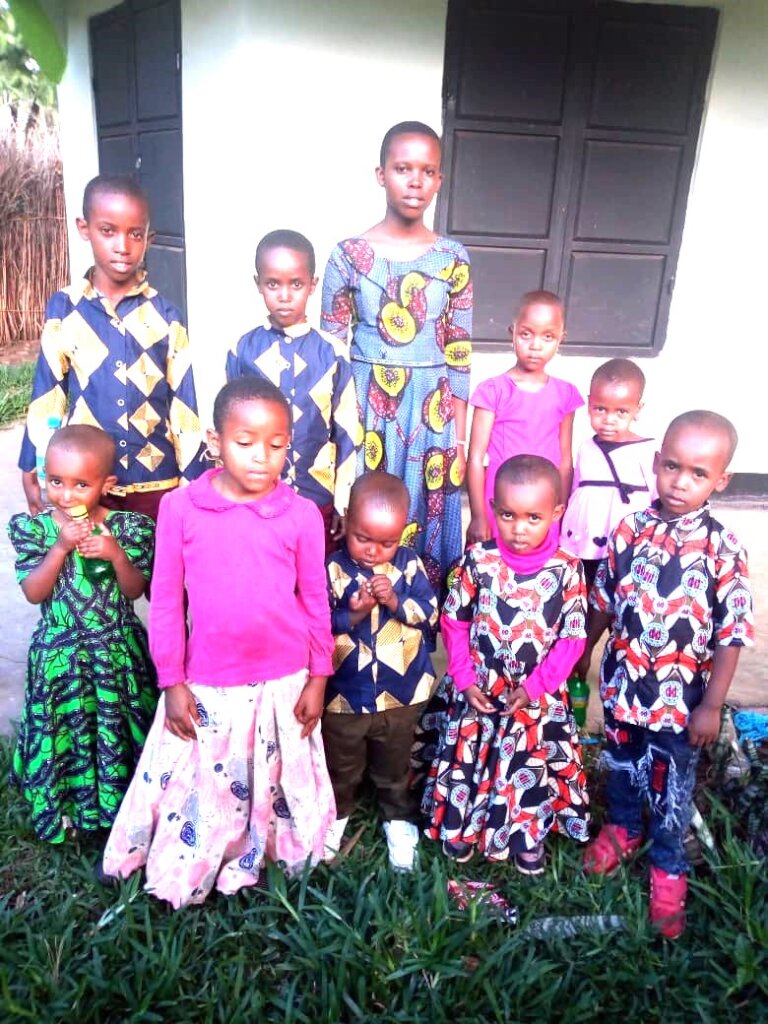
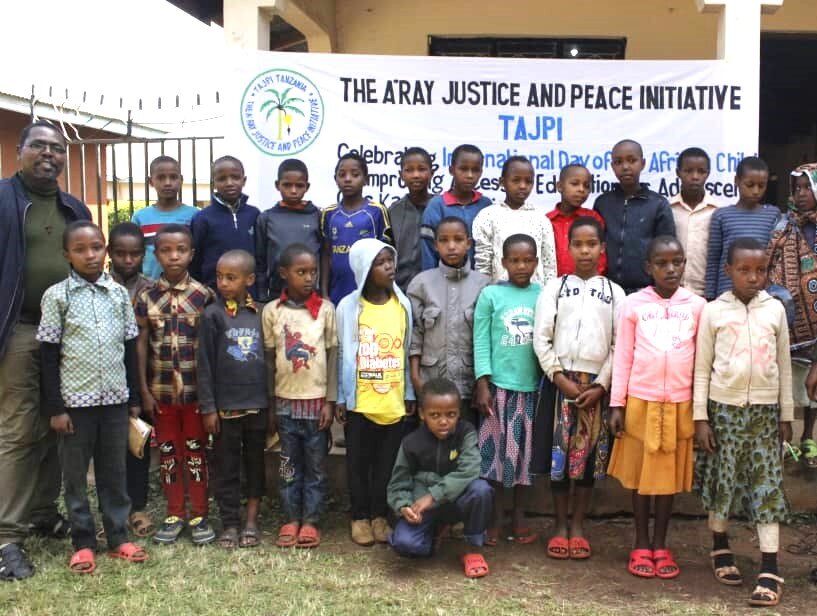
Second, child protection and privacy compliance requirements limited our ability to document project activities. During this reporting period, TAJPI initiated the process of renewing and strengthening compliance procedures with Tanzania's Personal Data Protection Commission (PDPC). Until approvals and procedures are finalized, we have exercised caution regarding the collection and publication of photographs and personal information related to vulnerable children and families.
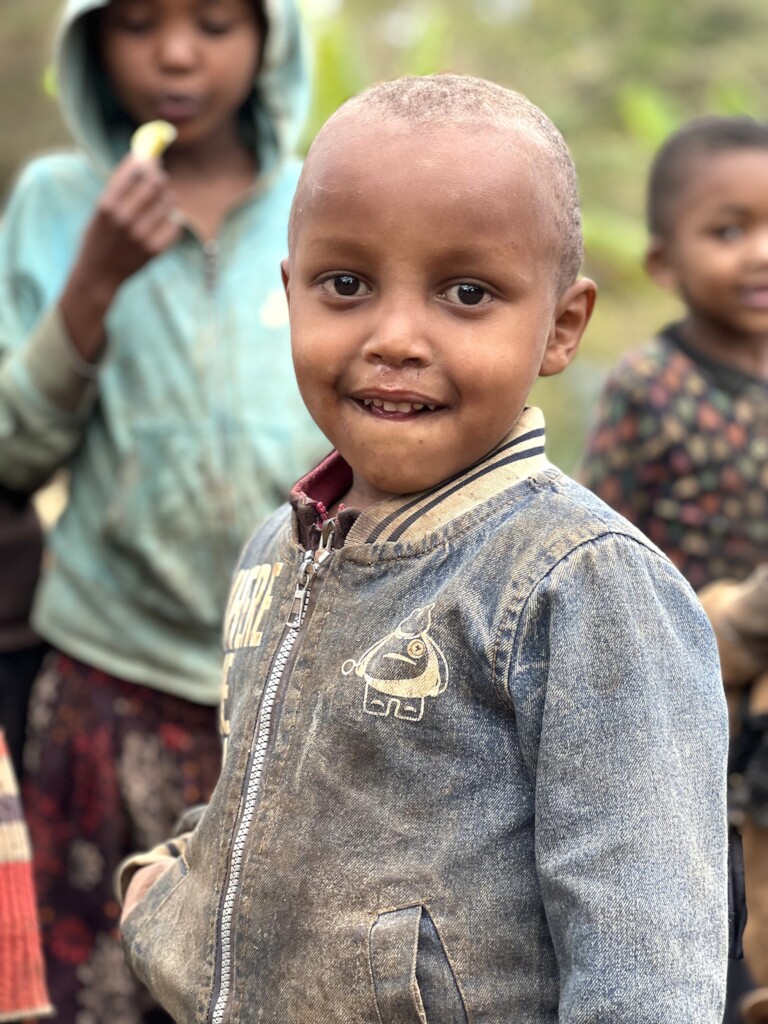
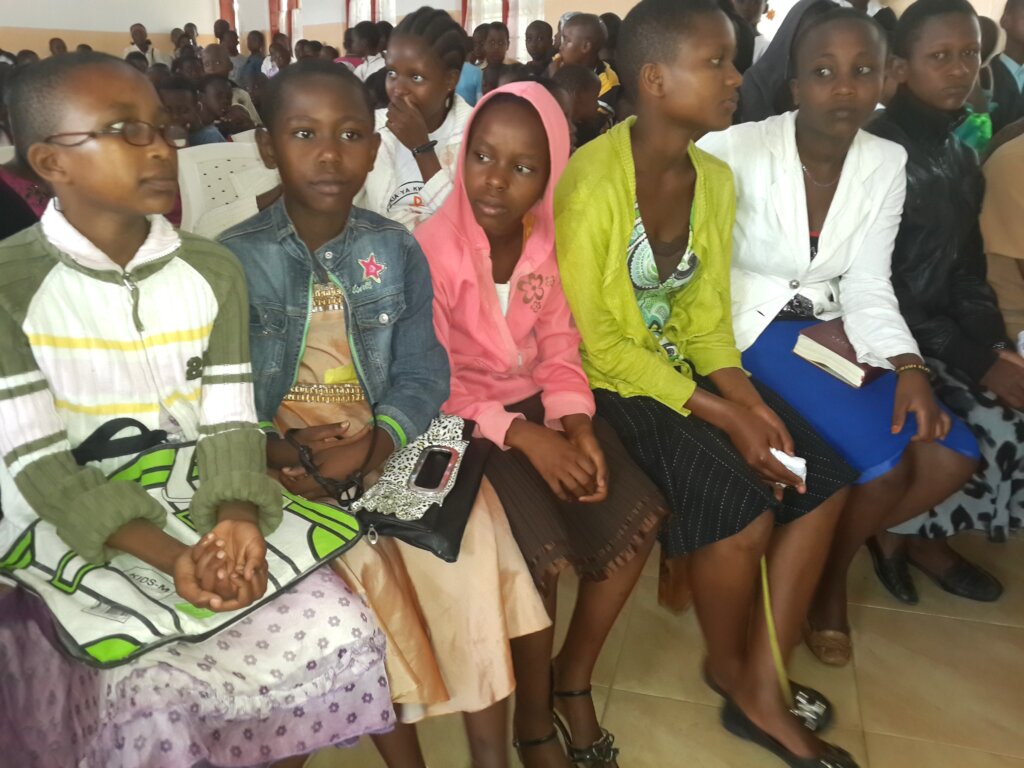
As a result, some photographs used for reporting purposes were drawn from previously approved project activities.
Fundraising Update
Fundraising remained challenging during this reporting period.
During the quarter, the project received approximately USD $200 through the GlobalGiving platform. While modest, these contributions remain critical in enabling TAJPI to maintain engagement with vulnerable families and continue monitoring activities despite limited resources.
We recognize that organizations worldwide continue to face a difficult fundraising environment. We remain grateful for every donor who chooses to invest in the protection and well-being of vulnerable children.
Lessons Learned
This quarter reinforced the importance of sustained community trust-building as a foundation for effective child protection work.
The household visit model continues to provide valuable opportunities to identify vulnerable children and understand family circumstances. However, stronger collaboration with local leaders, caregivers, and community protection structures is necessary to improve early identification and prevention of trafficking risks.
The quarter also highlighted the importance of maintaining strong compliance with data protection and safeguarding standards to ensure that vulnerable children are protected throughout all project activities.
Way Forward
In the coming quarter, TAJPI will focus on:
• Re-establishing stronger working relationships with community leaders and local government authorities.
• Continuing targeted household visits in identified high-risk communities.
• Strengthening child safeguarding and data protection compliance procedures.
• Expanding community awareness efforts as trust and cooperation improve.
• Seeking additional financial support to sustain and expand prevention activities.
Appreciation
We extend our sincere gratitude to all GlobalGiving donors, local supporters, volunteers, and partners who continue to stand with vulnerable children and families.
Every contribution, regardless of size, helps strengthen community-based protection systems and prevent children from falling victim to trafficking and exploitation.
We also wish to recognize a dedicated anonymous donor who faithfully contributes USD $50 each month through GlobalGiving. Your consistent support provides stability and encouragement during a period of significant economic uncertainty.
Together, we remain committed to ensuring that every child can grow up in safety, dignity, and hope.
Submitted by:
The A'ray Justice and Peace Initiative (TAJPI) Team
Rhotia Village, Karatu District, Tanzania
June 2026
Links:
By Br. John Cornel Sulle OFMCap | Executive Director
By Br. John Cornel Sulle OFMCap | Executive Director
Project reports on GlobalGiving are posted directly to globalgiving.org by Project Leaders as they are completed, generally every 3-4 months. To protect the integrity of these documents, GlobalGiving does not alter them; therefore you may find some language or formatting issues.
If you donate to this project or have donated to this project, you can receive an email when this project posts a report. You can also subscribe for reports without donating.



Support this important cause by creating a personalized fundraising page.
Start a Fundraiser