By Melania Lopez Castro | Sea Turtle Program Coordinator
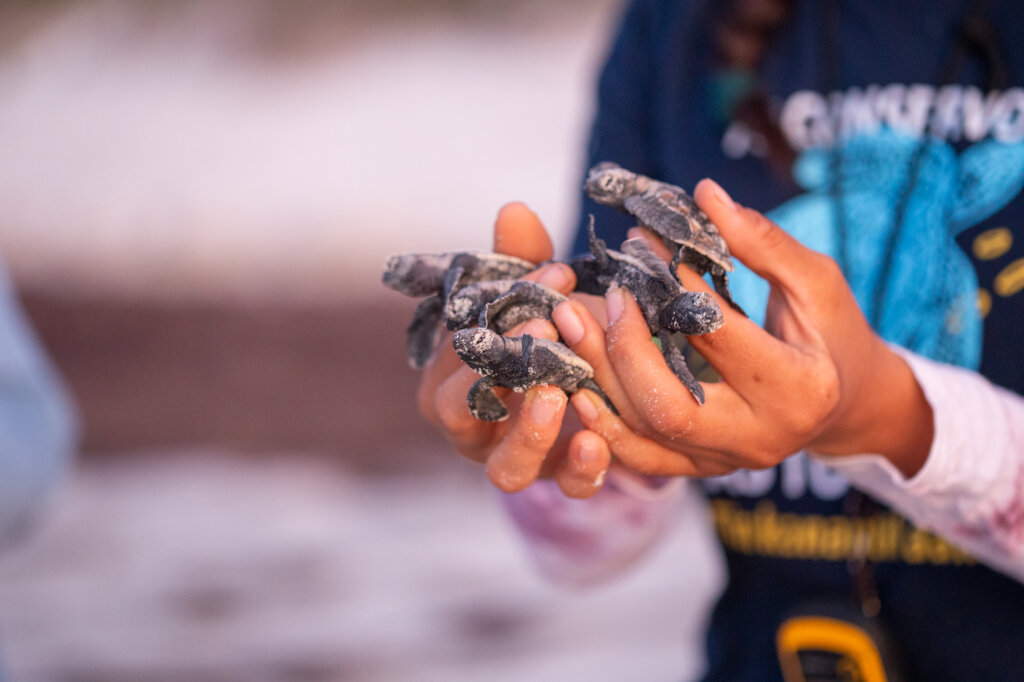
The first 9,520 sea turtle hatchlings of the 2026 nesting season have safely reached the ocean thanks to your support, and this is only the beginning! Since April, our field teams have protected 1,985 hawksbill, 4,778 green, and one leatherback turtle nests across the Yucatán Peninsula. With three months still remaining in the nesting season, thousands more hatchlings are yet to emerge.
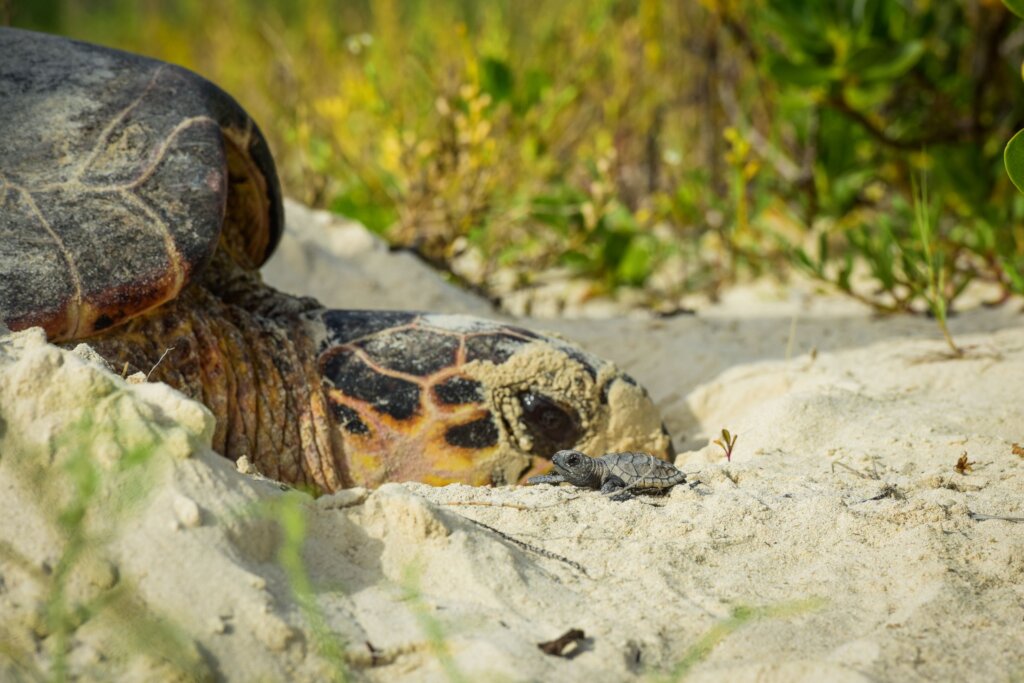
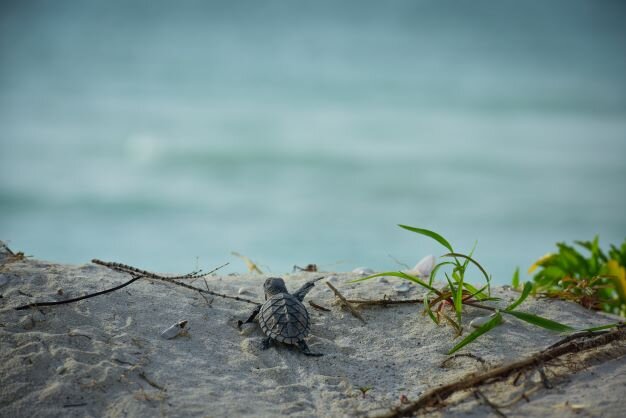
While the number of nesting females is beginning to decline, hatching season is now in full swing. Every night, tiny sea turtles are breaking free from their eggs and making their first journey across the beach toward the sea. But have you ever wondered how we know how many hatchlings successfully leave each nest?
The answer begins after the hatchlings have already disappeared into the waves.
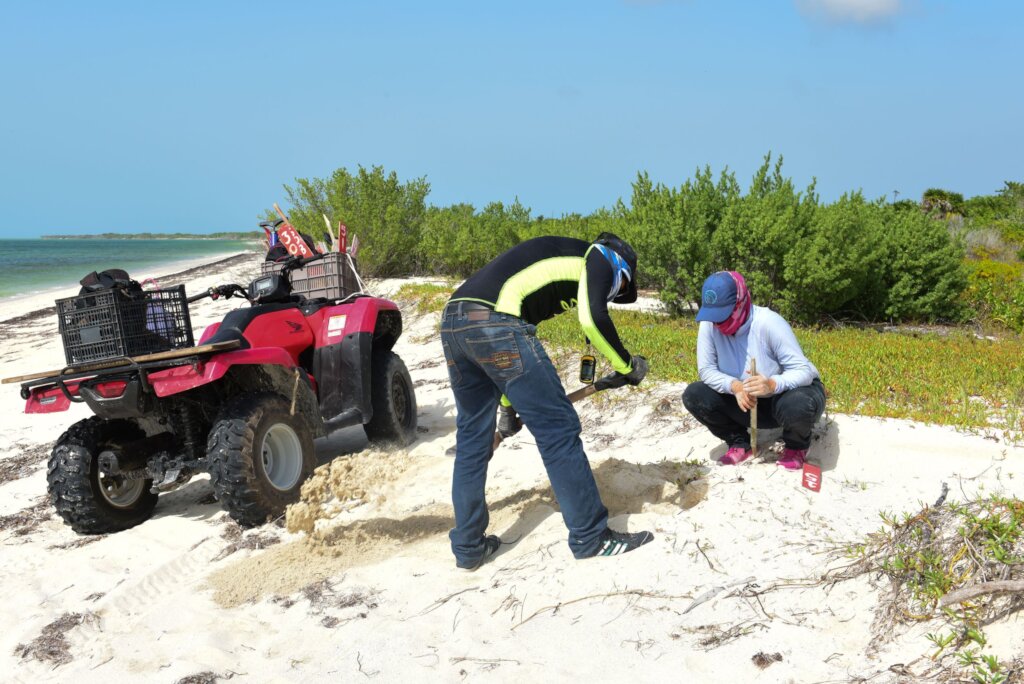
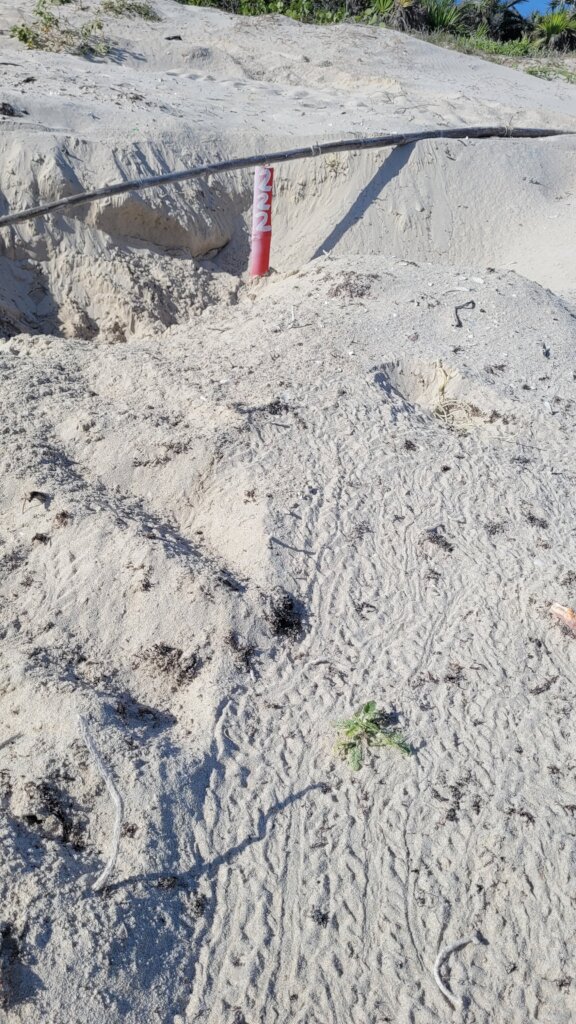
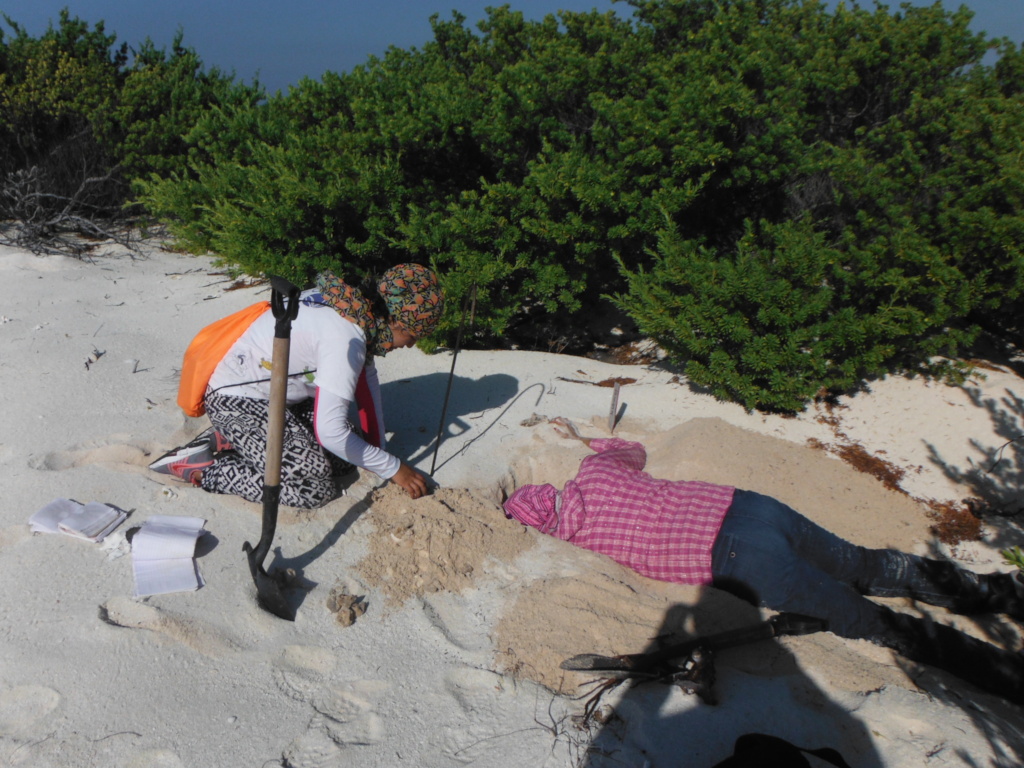
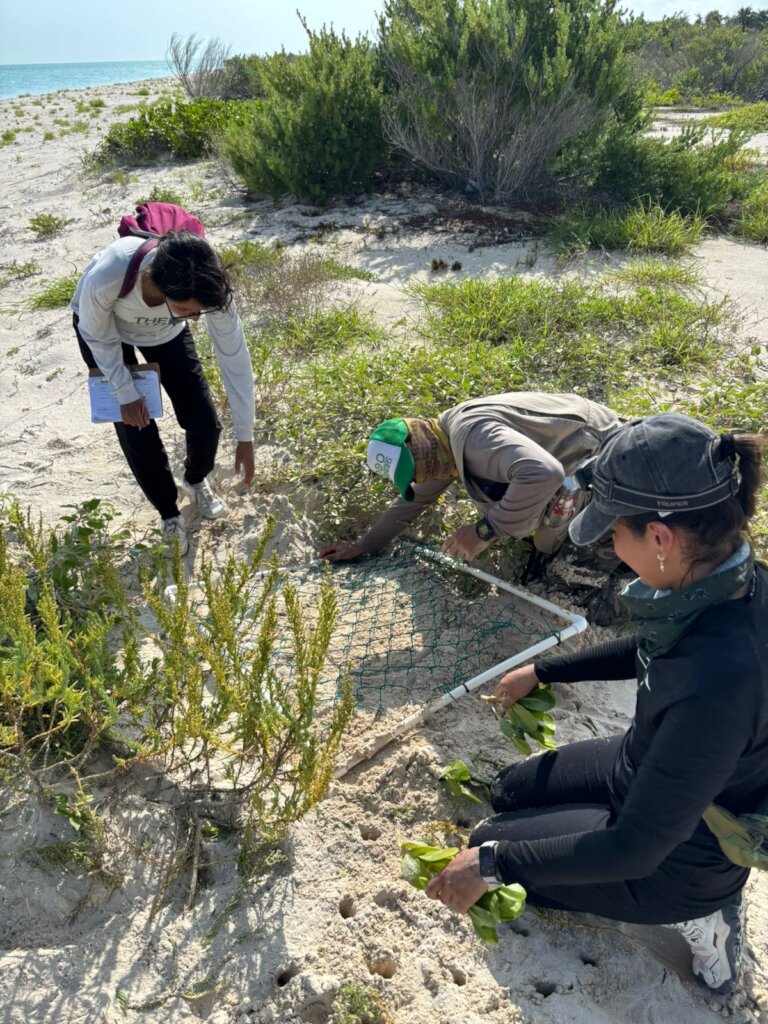
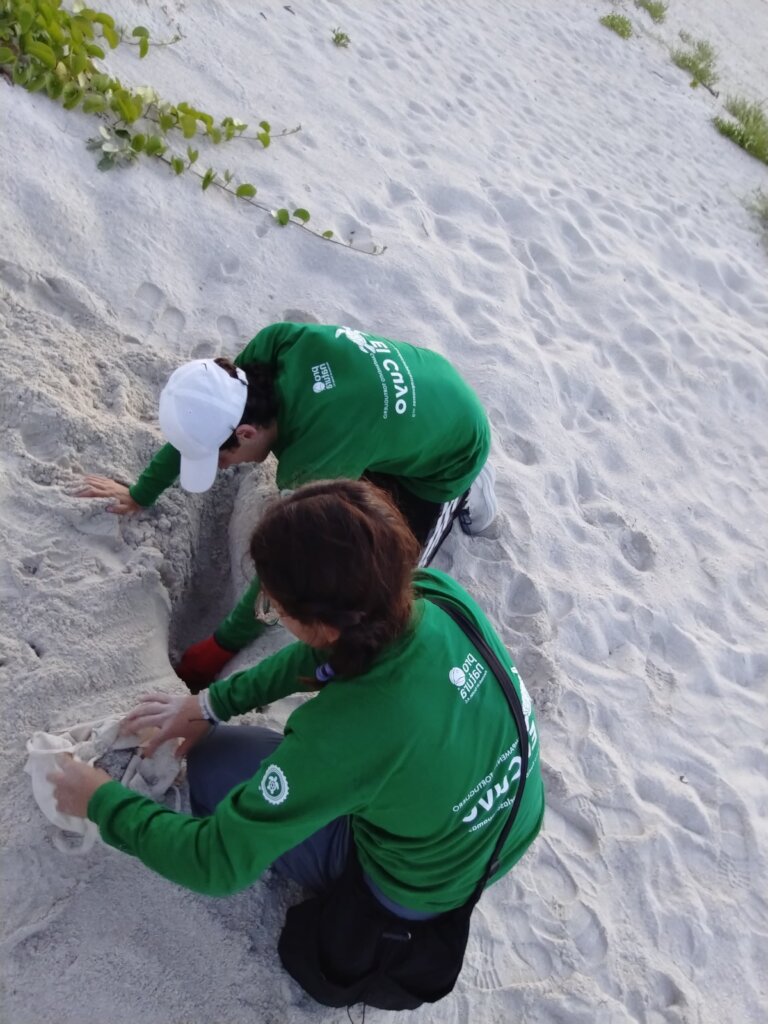
During the day, our teams return to nests that have hatched to conduct what is known as a nest residual content analysis, that is, a careful examination of everything left inside the nest after the hatchlings have emerged. First, they carefully locate the exact spot where the nest was buried, often hidden beneath several centimeters of sand or altered by another nesting turtle. Then comes the hard part, digging down 40 to 60 centimeters until they reach the egg chamber.
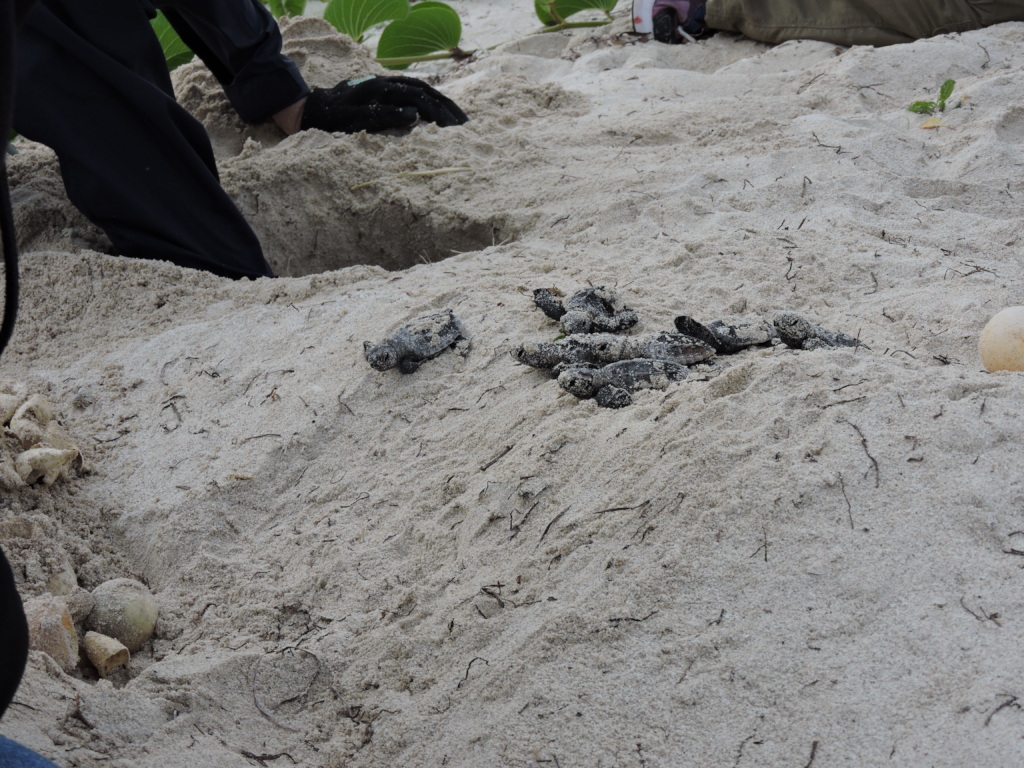
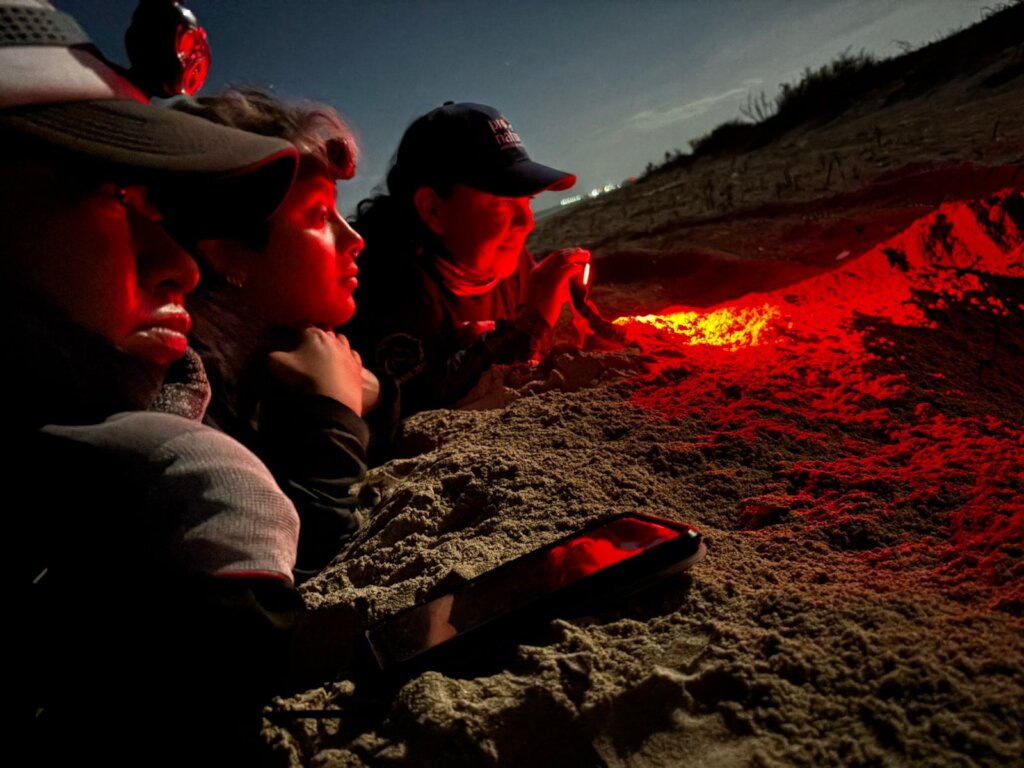
Sometimes, the only way to recover all of the nest contents is to lie on the sand and reach as far down as possible, ending up half-buried in the process. It's hot, sandy, and smelly work, but every egg, and every shell tells part of the story. Sometimes, if we are lucky, we rescue hatchlings that were among the last to emerge and became trapped inside the nest, where they would have died otherwise. It is always a thrill to give these little creatures a second chance at life.
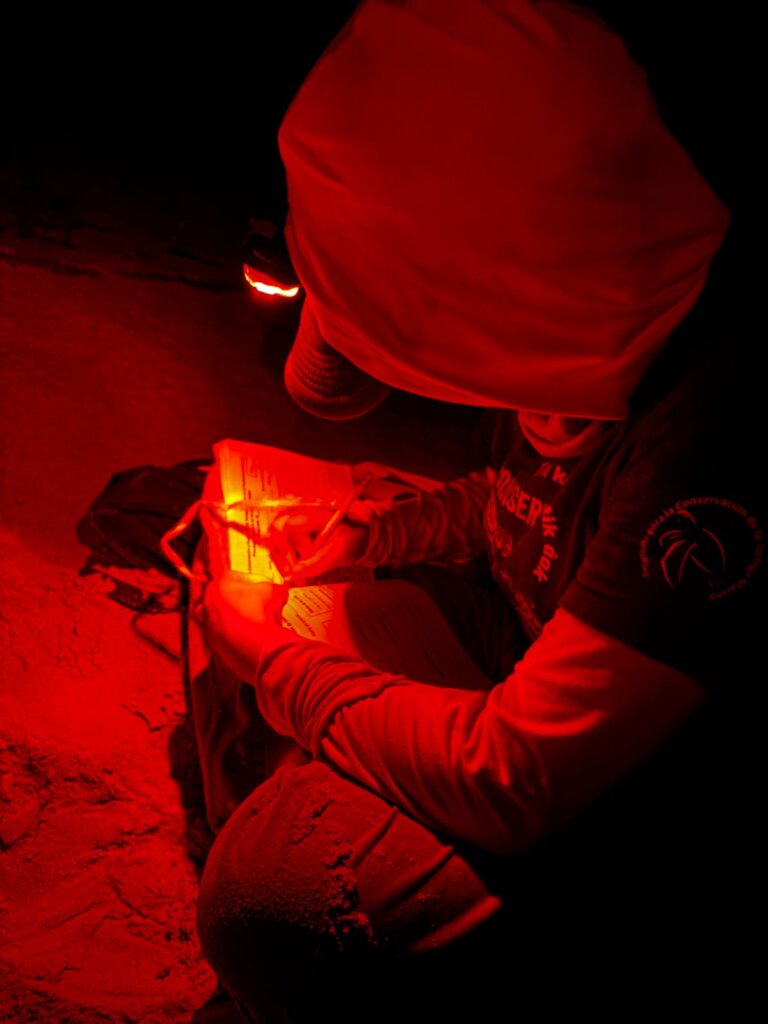
Once all the contents have been removed, our technicians carefully separate and count ever eggshell, every unhatched egg, and every live or dead hatchling remaining inside the nest. These numbers allow us to estimate how many hatchlings successfully emerged and reached the ocean, while also helping us understand hatching success, identify potential threats, and improve our conservation strategies year after year.
What begins as a shallow depression in the sand becomes a source of valuable scientific information. Each nest residual content analysis helps us understand not only how many turtles were born, but also how successful the nest was and how well our conservation efforts are working.
The work is far from over. Thousands of nests are still incubating beneath the sand, and our teams will continue monitoring beaches every day and every night through the end of the nesting season. Your continued support makes this possible: protecting nests, collecting the long-term data needed to guide conservation, and giving thousands more baby sea turtles the chance to begin their journey into the ocean.
Thank you for making every hatchling count.
Links:
By Melania Lopez-Castro | Sea Turtle Conservation Program Coordinator
By Dr. Melania Lopez Castro | Sea Turtle Conservation Program Coordinator
Project reports on GlobalGiving are posted directly to globalgiving.org by Project Leaders as they are completed, generally every 3-4 months. To protect the integrity of these documents, GlobalGiving does not alter them; therefore you may find some language or formatting issues.
If you donate to this project or have donated to this project, you can receive an email when this project posts a report. You can also subscribe for reports without donating.



Support this important cause by creating a personalized fundraising page.
Start a Fundraiser