By Jenna Bailey | Program Officer
eDNA reveals snow leopard presence in Bhutan’s mountain rivers
Scientists uncover rare wildlife during high-elevation river sampling
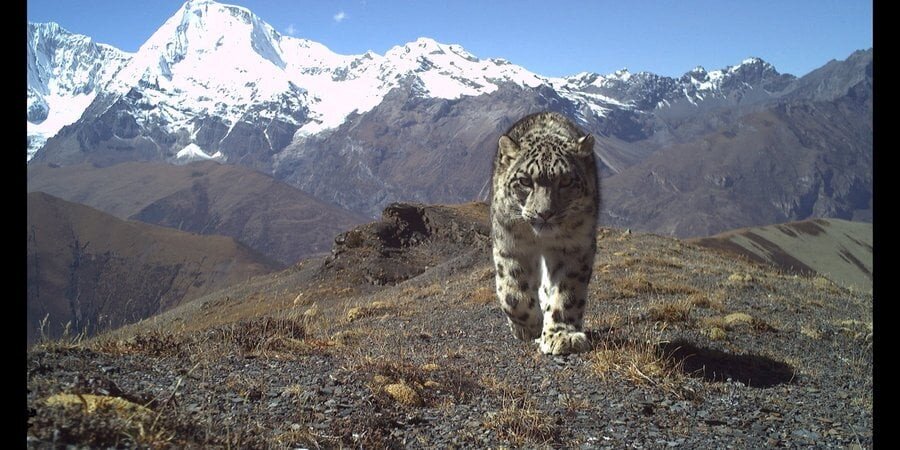
WWF scientists knew that hiking through snow leopard territory doesn’t guarantee a sighting. These elusive cats are masters of camouflage, often invisible even in the places they’re known to inhabit. That is what makes monitoring them, and other elusive wildlife, such a challenge.
Recently, a WWF team trekked through rugged terrain above 14,000 feet near Mt. Jomolhari in Bhutan’s Eastern Himalayas to explore biodiversity in the region. Along the way, the team encountered blue sheep, yaks, and Himalayan marmots—but no snow leopards. That wasn’t surprising. What came next, however, was.
The river that revealed the invisible
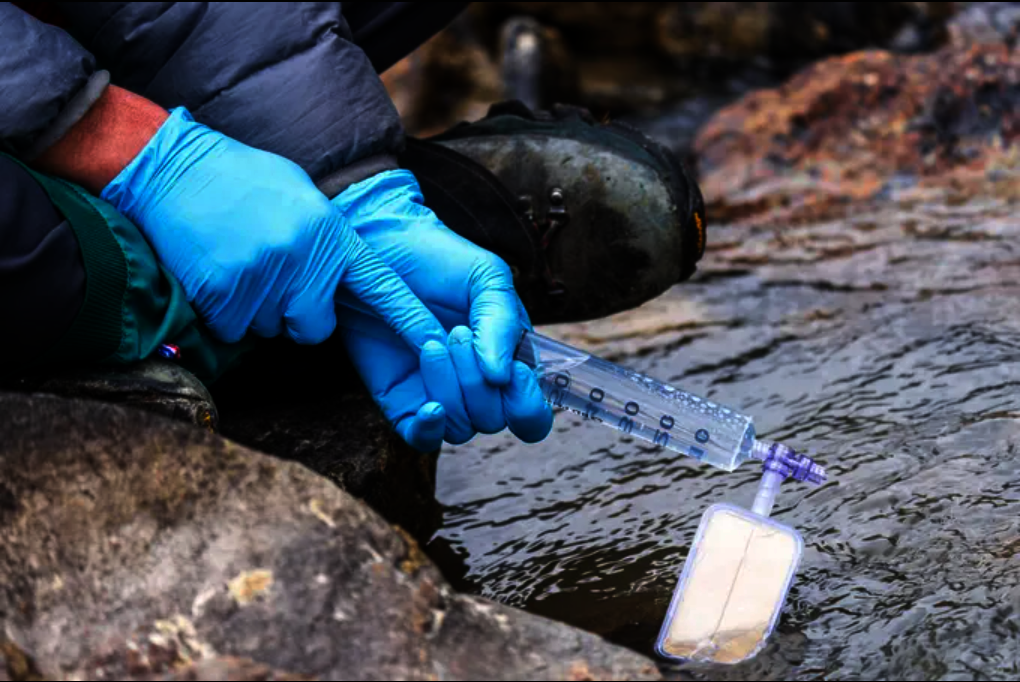
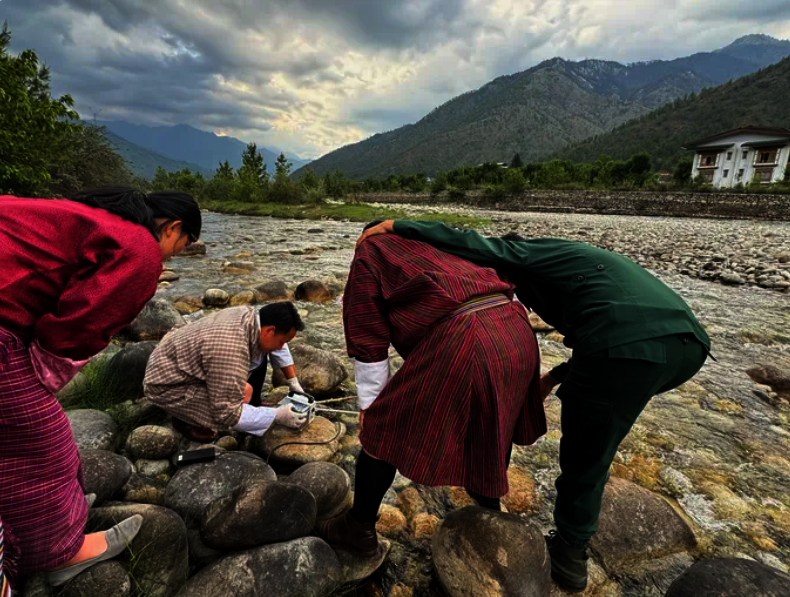
The team collected liters of water from the high-elevation waters of the Paa Chhu River to conduct environmental DNA (eDNA) sampling. What they discovered was astonishing.
From those samples, scientists detected the presence of 19 mammal species—including snow leopards and Pallas’s cats. This marked the first time these species were identified in the region using river-based eDNA. The findings represent a breakthrough in wildlife monitoring across remote, high-altitude landscapes that are nearly impossible to access by traditional means.
Beyond their monitoring dreams
eDNA works by detecting microscopic traces left behind by animals as they move through the landscape— fragments of fur, skin cells, waste, and more. Detecting snow leopards this way was a long shot, but that was the point. If successful, it would revolutionize how we can monitor biodiversity in hard-to-reach areas. By sampling at high elevation near snow leopard habitat, the team increased the odds—and it paid off. The results confirmed the presence of snow leopards and many other mammals, proving that eDNA is a powerful tool for conservation.
Why it matters
Detecting snow leopards through eDNA demonstrates the remarkable potential of this technology to uncover biodiversity in places where traditional monitoring is difficult or impossible. It offers a non-invasive, safer, more efficient, and cost-effective way to track elusive species, opening new doors for conservation across the Himalayas and other remote regions.
Bhutan has now officially opened its first environmental DNA (eDNA) laboratory, marking a new era of monitoring and research for the region’s rich natural history.
How you can help!
As biodiversity faces growing threats, innovative research initiatives like eDNA sampling are more important than ever. By supporting WWF’s projects and sharing them with your family, friends, and colleagues, you can help us make faster, more effective conservation decisions, benefiting ecosystems, local communities, and the planet we all share. Together, we can protect snow leopards and other precious species around the globe!
Links:
Project reports on GlobalGiving are posted directly to globalgiving.org by Project Leaders as they are completed, generally every 3-4 months. To protect the integrity of these documents, GlobalGiving does not alter them; therefore you may find some language or formatting issues.
If you donate to this project or have donated to this project, you can receive an email when this project posts a report. You can also subscribe for reports without donating.



Support this important cause by creating a personalized fundraising page.
Start a Fundraiser