By Jenna Bailey | Program Officer
Protecting Pollinators by Reducing Pesticides
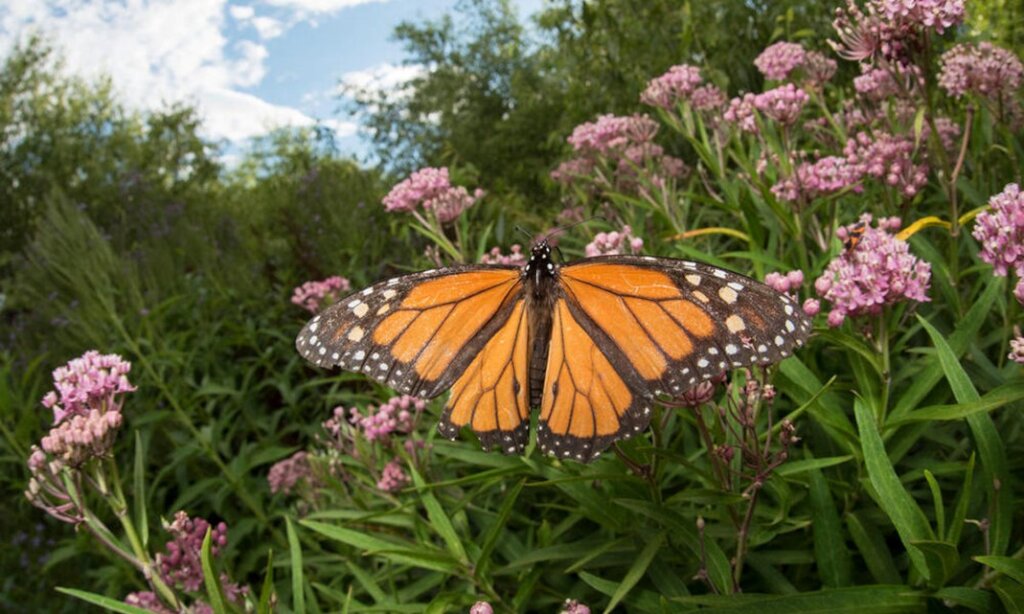
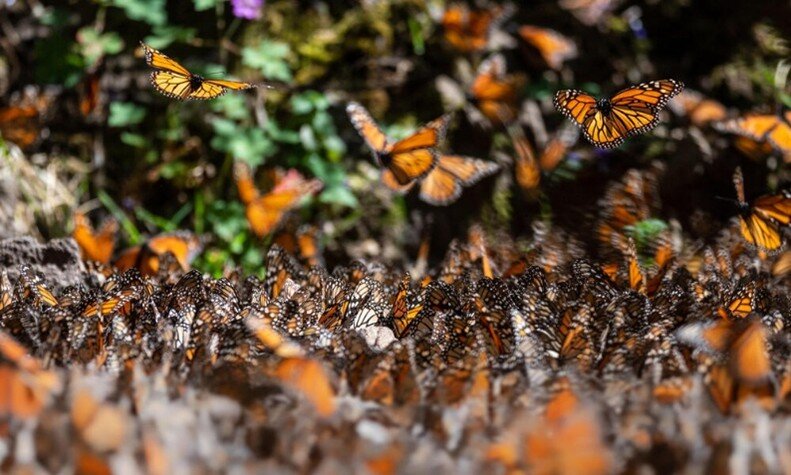
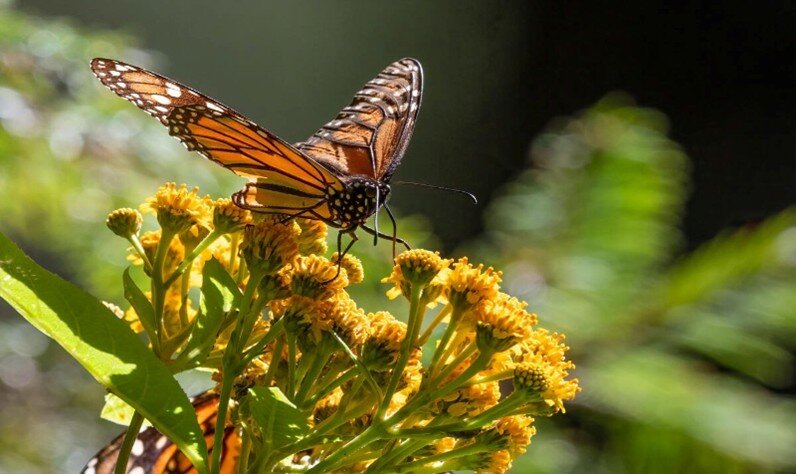
The world’s estimated 5 million species of insects are essential to the health of nearly every ecosystem on the planet. Among them, nearly 200,000 species, including the iconic monarch butterfly, serve as pollinators. Pollinators are vital to both ecosystem health and our food systems as nearly all seed plants, from wildflowers to trees, rely on pollination. In fact, 80% of the 1,400 crop plants that feed and support us depend on pollinators.
Unfortunately, pollinators are facing serious threats. Habitat destruction, climate change, and herbicide use across breeding grounds have contributed to their decline. A 2024 study revealed another factor: neonicotinoids, a class of neurotoxic pesticides, are playing a significant role in the collapse of pollinator populations, including monarchs.
Impact of Neonicotinoids
The study analyzed butterfly survey data across 81 counties in five states across the Midwest. It found that declines in total butterfly abundance and species richness were most strongly linked to the use of neonicotinoid-treated seeds. Additionally, the Environmental Protection Agency found that nearly 75% of all endangered plants and animals are likely being harmed by neonicotinoids.
Neonicotinoids, often called “neonics”, are commonly used in row agriculture as a preventative seed treatment. They are applied on nearly all field corn and over 60% of soy seeds. The systemic nature of neonics causes the entire plant to become irreversibly toxic to insects as it grows, from its roots to its pollen. To make matters worse, the seed treatment often leaches into the soil and water, impacting non-targeted vegetation such as wildflowers and other important nectar plants, as well as bees, deer, songbirds, and even humans. In fact, only 2%-5% of the pesticide remains with the seed.
Despite these risks, the pesticide industry, which controls over half of the global patented seed market, makes it difficult for farmers to find untreated seeds, especially for corn. While safer, conservation-friendly alternatives exist, farmers face barriers in accessing and adopting them, as seed and pesticide representatives rarely discuss alternatives with farmers.
What WWF is Doing
WWF is working hard to change this and help reduce neonicotinoid use in agriculture by empowering farmers with better information and more choices. With increased technical assistance, training, and awareness, farmers can transition to using untreated seeds. This shift can help save on input costs while protecting soil, water, people, and wildlife, including monarchs and other pollinators.
How you can help!
As biodiversity faces growing threats, initiatives like Protecting Pollinators by Reducing Pesticides are more important than ever. By supporting our projects and sharing them with your family, friends, and colleagues, you can help WWF make faster, more effective conservation decisions, benefiting both people and planet. Together, we can protect pollinators and the precious ecosystems they sustain around the globe!
Links:
Project reports on GlobalGiving are posted directly to globalgiving.org by Project Leaders as they are completed, generally every 3-4 months. To protect the integrity of these documents, GlobalGiving does not alter them; therefore you may find some language or formatting issues.
If you donate to this project or have donated to this project, you can receive an email when this project posts a report. You can also subscribe for reports without donating.



Support this important cause by creating a personalized fundraising page.
Start a Fundraiser