By Jenna Bailey | Associate Program Officer
Using DNA to protect sea turtles
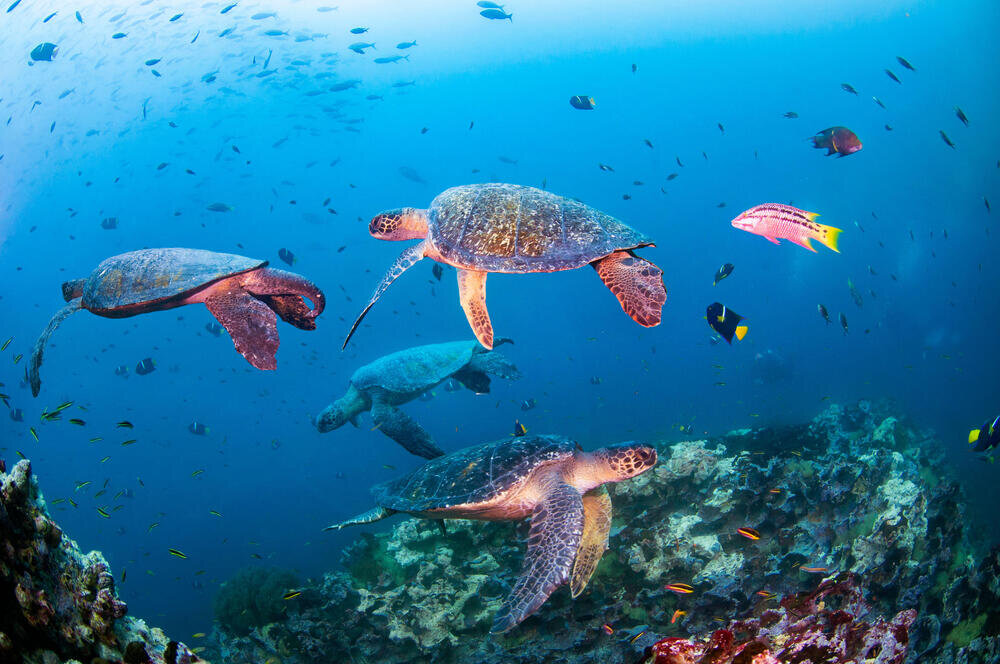
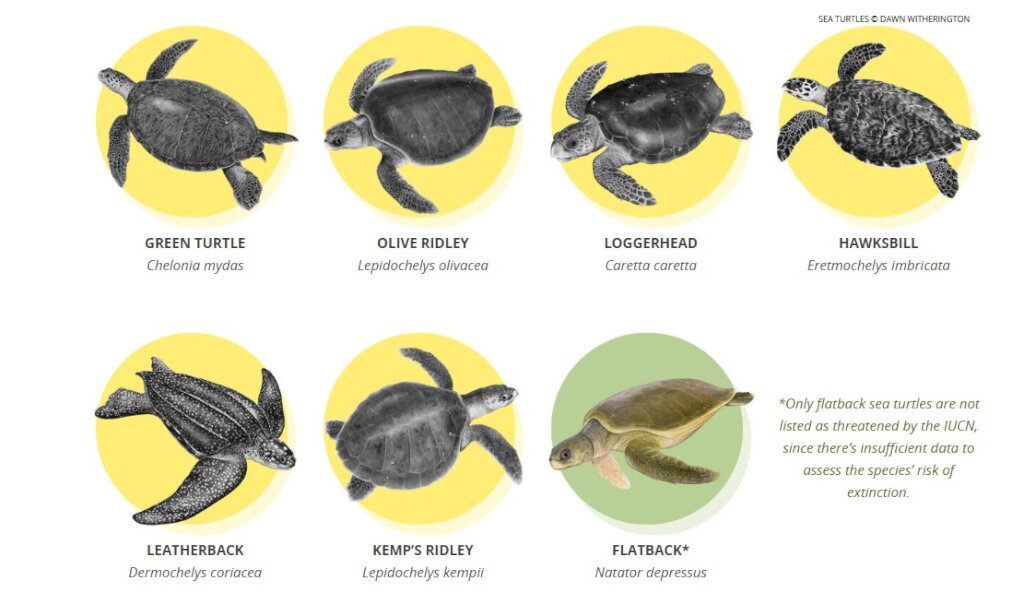
Illegal trade poses an enormous threat to sea turtles, which are trafficked for their meat, eggs, shells, and other parts. Over the past 30 years, at least 1.1 million sea turtles (excluding shell products and eggs) have been illegally exploited in 65 countries, with 22% likely traded internationally. Six out of seven sea turtle species are threatened with extinction due to bycatch, overexploitation, pollution, climate change impacts, and illegal trade. These species include the Green, Olive Ridley, Loggerhead, Hawksbill, Leatherback, and Kemp’s Ridley sea turtles.
Tracking sea turtles through DNA
Putting a stop to this illegal trade is challenging, as these animals venture thousands of miles between their nesting sites and their foraging grounds, making it difficult for researchers to pinpoint where they are most at risk. However, WWF’s ShellBank, the world’s first global database of sea turtle DNA, is helping to disrupt this illegal trade.
Female sea turtles return to the same beach where they hatched to lay their eggs, passing along a genetic signature unique to each nesting population. By extracting DNA from seized turtles or turtle products and matching it to ShellBank’s reference database, authorities can track and trace trade routes and trafficked turtles’ origins. The ShellBank database includes more than 13,000 samples from more than 50 different countries. This data can help identify poaching hotspots and determine where to increase conservation efforts. As ShellBank’s database grows and evolves, its creators hope the resource will also help pinpoint which populations are impacted by bycatch and overexploitation, enabling better monitoring and protection of these ecologically important marine species.
How you can help!
With the increasing challenges facing biodiversity, initiatives like WWF’s ShellBank are essential for protecting endangered species. By supporting our projects and sharing them with your family, friends, and colleagues, you can help WWF make faster, more effective conservation decisions, benefiting our ecosystems, local communities, our planet, and ourselves. Together, we can make a difference in safeguarding sea turtles and the precious ecosystems they inhabit around the globe!
Links:
Project reports on GlobalGiving are posted directly to globalgiving.org by Project Leaders as they are completed, generally every 3-4 months. To protect the integrity of these documents, GlobalGiving does not alter them; therefore you may find some language or formatting issues.
If you donate to this project or have donated to this project, you can receive an email when this project posts a report. You can also subscribe for reports without donating.



Support this important cause by creating a personalized fundraising page.
Start a Fundraiser