By Jenna Bailey | Associate Program Officer
Tracking Elephants with Wireless Technology
Saving nature is at the very heart of what we do at WWF. As part of this commitment, we are harnessing the potential of a new wireless connection technology, similar to Wi-Fi but using a different range of frequencies, to help track elephants and monitor their movements across large and remote areas. Through a pilot program using a new technology called LoRaWAN (Long-Range, Wide Area Network), WWF and our partners are exploring innovative methods of wildlife monitoring.
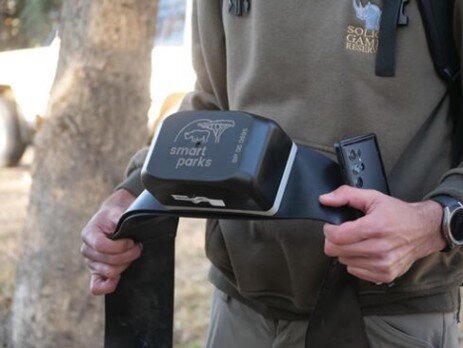
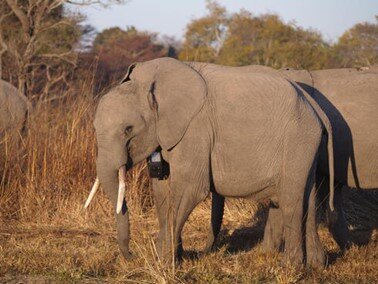
This private, wireless network is designed for long-range, low-power data transmission between devices equipped with the long-range technology – in this case collars called ElephantEdge, developed by SmartParks. Unlike traditional satellite GPS collars, this technology allows scientists to monitor the collared elephants much more frequently – approximately every five minutes as opposed to only a few times a day. Additionally, the batteries in the collars have a lifespan of around seven years, compared to the one- or two-year lifespan of traditional GPS collars. Furthermore, these advanced collars weigh significantly less, reducing the burden on individual elephants.
Testing the Collars
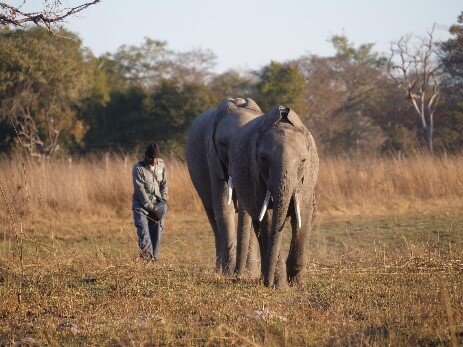
As part of this pilot project, we are tracking ten young elephants from Game Rangers International’s elephant rescue and release facility in Kafue National Park, Zambia. Many of these calves found themselves at this facility after losing their mothers to poaching and human-wildlife conflict. This facility is helping gradually reintegrate these young elephants back into the wild, so testing the collars on them while they still rely on the facility but are free to explore during the day can help keep them out of trouble and send alerts to rangers if they get too close to communities. With African elephant populations dwindling from an estimated 12 million a century ago to approximately 400,000 today, and with at least 20,000 elephants killed in Africa each year for their tusks, initiatives such as this are crucial for conservation efforts.
“The elephants are free to come and go during the day but return to the facility at night,” explains Eric Becker, WWF-US’s lead engineering specialist for wildlife conservation. “This gives us the opportunity to easily monitor and troubleshoot the collars for any tech issues or remove them if they’re impacting the elephant’s safety. It’s more cost-effective and allows us to address any problems much quicker than if we were using wild elephants.”
Using the Data
Following the analysis of data gathered during the pilot project, WWF and its partners will evaluate its success and explore possibilities for adapting the technology for use with wild elephants and other species. Initially, the information gathered from this project will be used to enhance management strategies, identify wildlife corridors, and safeguard elephants and other wildlife in the region. However, with its long-range capabilities, versatility, and low power consumption, this exciting new technology solution can also be considered for other conservation interventions. A few possible uses include vehicle tracking, managing human-wildlife conflict, and monitoring environmental factors such as waterflows, weather patterns, and fires.
How you can help!
WWF is dedicated not only to the conservation of these magnificent creatures but also to preserving the habitats they share with numerous other species, from lions to zebras and antelopes. By supporting our projects, and sharing them with your family, friends, and colleagues, you can help support WWF’s efforts to monitor and protect elephants and in turn deliver benefits to our ecosystems, local communities, our planet, and ourselves. Together, we can make a difference in protecting endangered elephant populations and the precious ecosystems they inhabit around the globe!
Links:
Project reports on GlobalGiving are posted directly to globalgiving.org by Project Leaders as they are completed, generally every 3-4 months. To protect the integrity of these documents, GlobalGiving does not alter them; therefore you may find some language or formatting issues.
If you donate to this project or have donated to this project, you can receive an email when this project posts a report. You can also subscribe for reports without donating.



Support this important cause by creating a personalized fundraising page.
Start a Fundraiser