By Jenna Bailey | Employee Engagement Intern
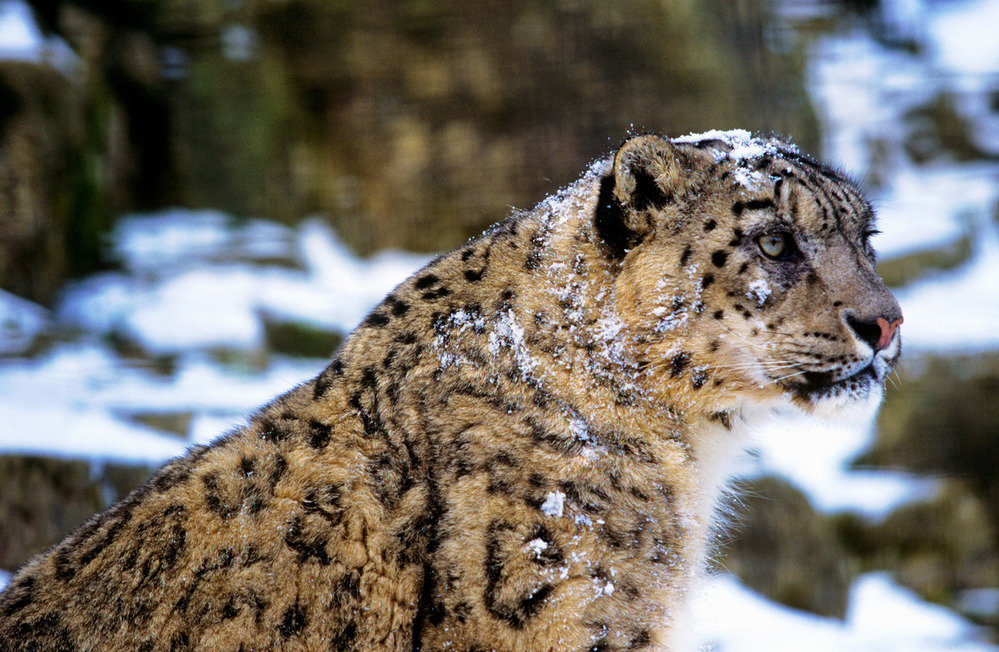
The Elusive Snow Leopard
The snow leopard, one of the world’s most elusive large cats, has been a species of interest for scientists and conservationists for decades. Found in some of the highest and harshest habitats across the globe, snow leopards span across twelve different countries including Mongolia, China, Krygyzstan, India, Pakistan, Nepal, Afghanistan, Russia, Bhutan, Kazakhstan, Uzbekistan, and Tajikistan. With a remaining population of less than 6,500 individuals, the ‘ghosts of the mountains’ have been left vulnerable due to habitat fragmentation, human-wildlife conflict, and climate change.
As apex predators, snow leopards are essential in maintaining balance in the ecosystems they live in and also inhabit areas that provide essential natural resources such as freshwater to millions of people. WWF’s recent report titled ‘Over 100 Years of Snow Leopard Research’ estimates that 330 million people live within 10km of rivers that originate in snow leopard habitat. Conservation of the snow leopard and its range is crucial as vast expanses of land that support many plants, animals, and communities can be protected.
Satellite GPS Collaring
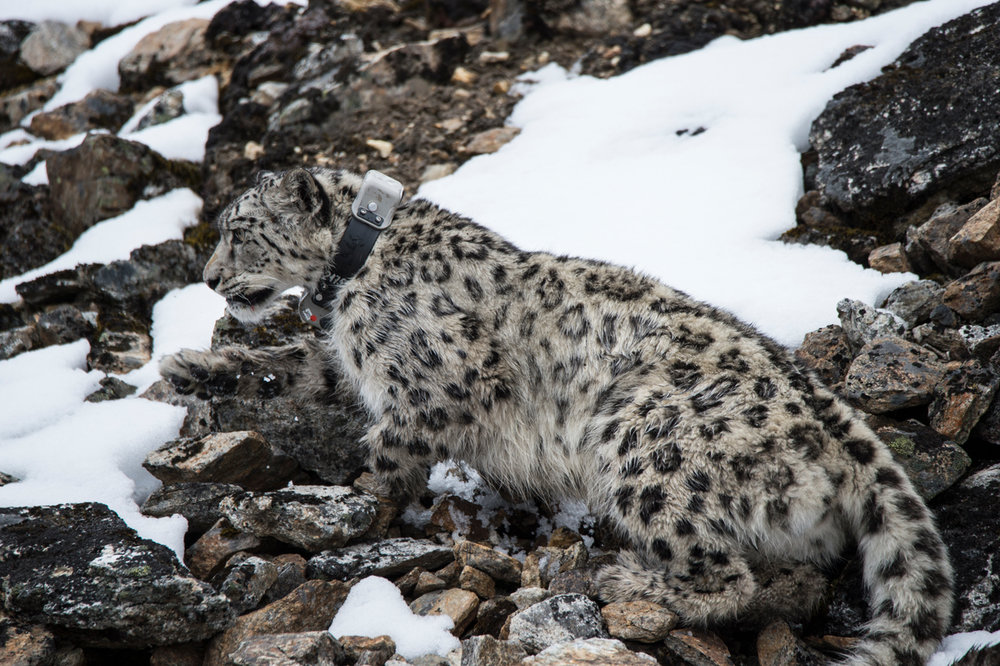
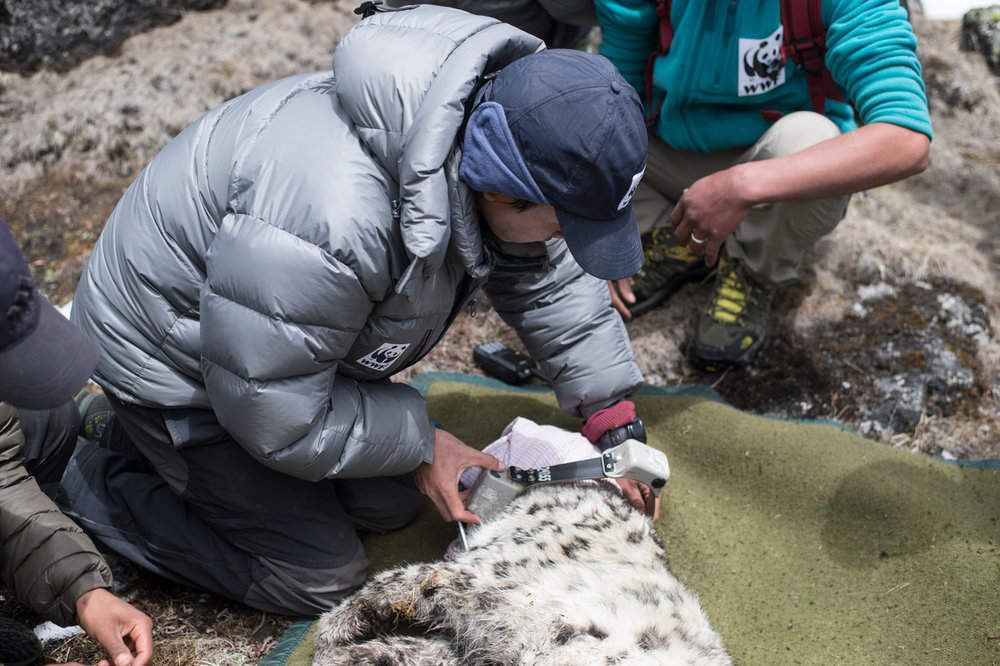
Due to the extreme nature of their cold and rugged habitats, their elusive behavior, and insufficient prior research, knowledge is limited on the true range of snow leopards. To gain a better understanding of the range of snow leopards to assist in their conservation satellite GPS collaring has been introduced as a tool. A new update from Western Nepal states that two new snow leopards have been successfully collared in Shey Phoksundo National Park which brings the total number of collared snow leopards up to eight. These two new collared cats are healthy young males between the ages of six and seven.
In the collaring process, WWF worked on a team of 30 members which included national park staff members, wildlife experts, technicians, veterinarians, and local citizen scientists. They will monitor the cats for 18 months by getting periodic updates from the GPS on the collar of the cat’s location. This will give the team crucial information on their habitat selections, spatial behavior, and movement across various borders. Nilanga Jayasinghe, WWF’s manager for Wildlife Conservation, states that “Improved knowledge can provide opportunities for data-driven and targeted conservation actions that will not only help snow leopards but the other wildlife and communities that share their space.”
How This Will Aid in Conservation
Dechen Dorji, the senior director for Asia Wildlife Conservation at WWF, writes that “With less than 3% of Snow Leopard Range surveyed so far, the advancement in safe wildlife collaring technology provides the much-needed tool to understand their distribution, population dynamics, and the likely impacts of climate change. Nepal is once again leading and pushing the boundaries in this field.” With the help of the rest of the research team, WWF is making crucial strides in snow leopard conservation that will have a significant impact on the action plan created to protect this vulnerable species and conserve this landscape. WWF hopes that with the help of research projects such as this one that we can continue to watch snow leopards thrive for years and years to come.
How You Can Help!
You can help WWF protect snow leopards by continuing to support our project, and sharing it with your family, friends, and colleagues. Together we can protect vulnerable animal species!
Links:
Project reports on GlobalGiving are posted directly to globalgiving.org by Project Leaders as they are completed, generally every 3-4 months. To protect the integrity of these documents, GlobalGiving does not alter them; therefore you may find some language or formatting issues.
If you donate to this project or have donated to this project, you can receive an email when this project posts a report. You can also subscribe for reports without donating.



Support this important cause by creating a personalized fundraising page.
Start a Fundraiser