By Soph Stephens | Digital Manager
Sitarampur G Plot Milan Vidyamandir is located in G Plot, the southernmost inhabited island of West Bengal in the Sundarbans delta — a remote, climate-vulnerable region that serves nearly 1,500 students at this school alone. Being so geographically isolated, the school has long faced frequent power cuts and low voltage, disruptions that only worsen during the cyclones common to the area.
During a field survey, our local partner PRAGYA visited the school and spoke with its principal, Mr Bikash Biswas, who explained how unreliable electricity was affecting daily operations — from administrative work to the school's security systems and public announcements. A reliable alternative power source, he noted, would make a real difference.
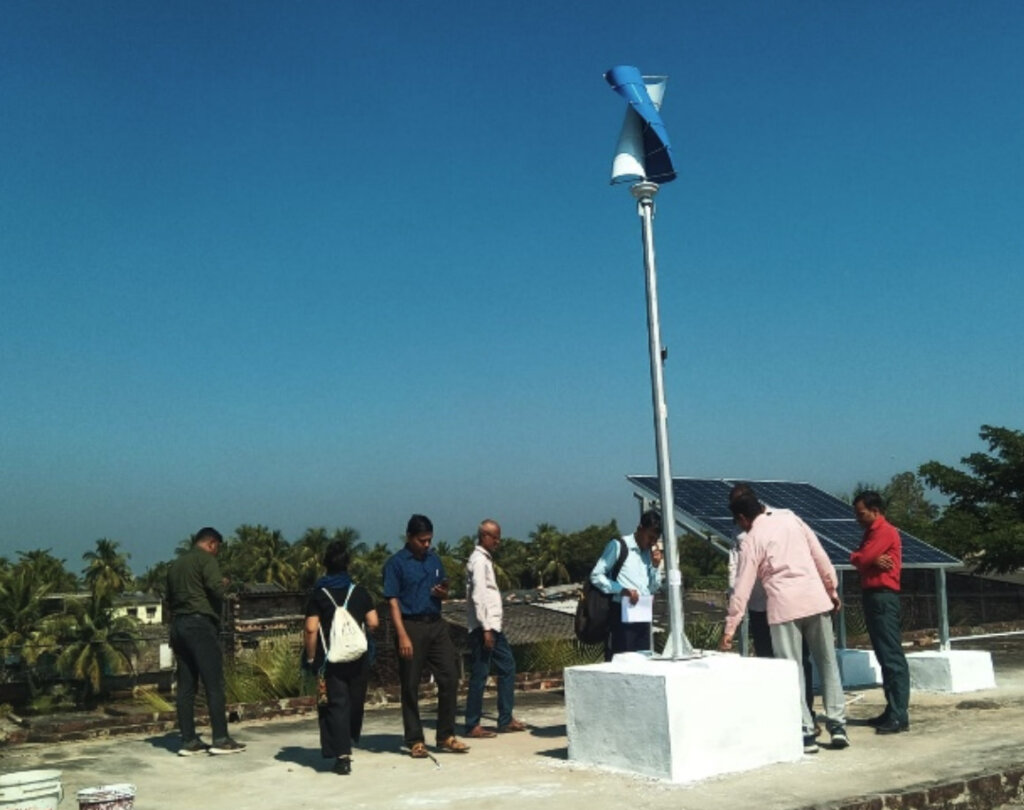
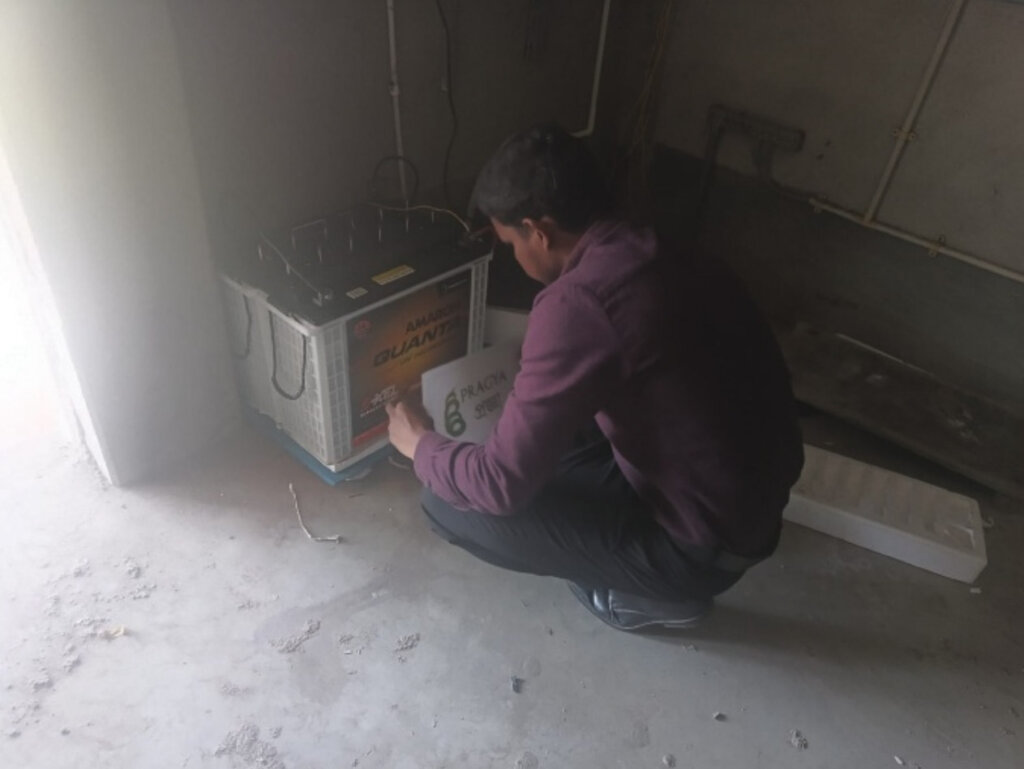
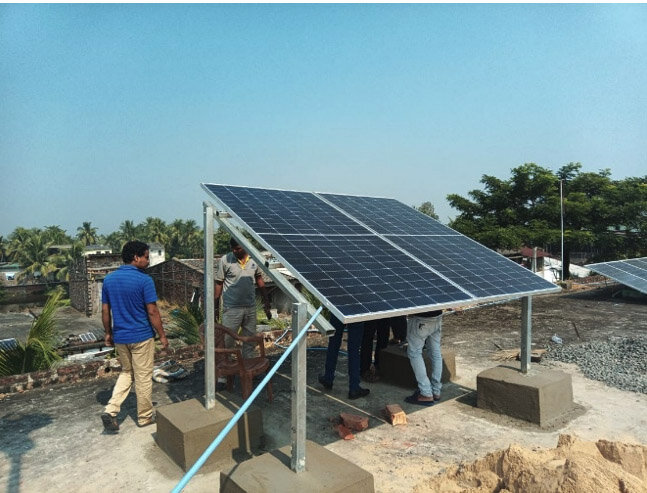
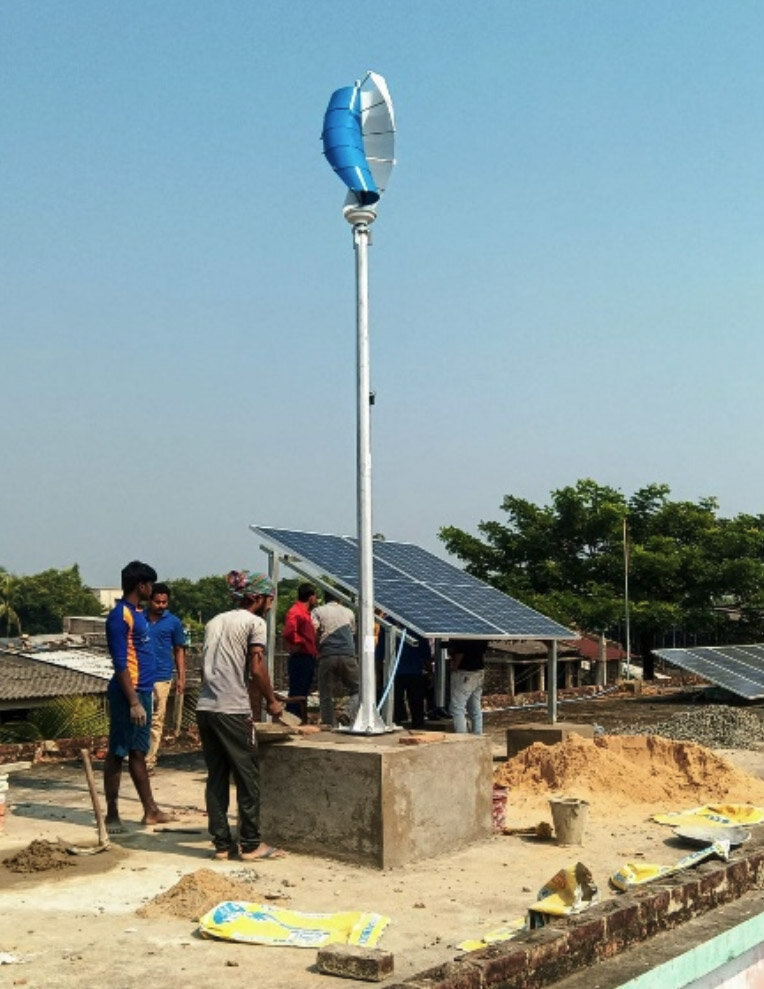
Under the CET (Clean Energy Technology) initiative within the PRAN programme, PRAGYA installed a 1.5kW solar–wind hybrid power system on the school's rooftop: a 1kW solar photovoltaic array paired with a 0.5kW wind energy system. The region's strong solar insolation for much of the year, combined with consistently moderate wind speeds, makes the two technologies a natural complement — while solar power is relatively familiar in the area, the addition of wind energy was something new. Together, the hybrid system keeps generating electricity even in cloudy, low-light or monsoon conditions, when solar power alone would fall short.
The system now supplies electricity to the teachers' room, the office, the school's sound system, and its CCTV surveillance — meaning security coverage now runs uninterrupted, day and night.
The impact has been immediate and practical. Morning prayers and announcements no longer face power disruptions, and continuous electricity for CCTV has strengthened school security. The school has also seen its electricity bill fall by around 1,000 a month, easing some of its financial pressure. The installation itself sparked real curiosity among teachers, students and local residents, particularly around the unfamiliar wind turbine — giving students a first-hand introduction to clean energy technology and its role in tackling climate change.
For a school in a disaster-prone, energy-deficient region like the Sundarbans, this hybrid system has brought more than just reliable power: greater security, lower running costs, and a new sense of what's possible when renewable technologies work together.
Thank you for helping make progress like this possible.
By Soph Stephens | Digital Manager
By Soph Stephens | Digital Manager
Project reports on GlobalGiving are posted directly to globalgiving.org by Project Leaders as they are completed, generally every 3-4 months. To protect the integrity of these documents, GlobalGiving does not alter them; therefore you may find some language or formatting issues.
If you donate to this project or have donated to this project, you can receive an email when this project posts a report. You can also subscribe for reports without donating.



Support this important cause by creating a personalized fundraising page.
Start a Fundraiser