By Zach Johnson | Project Manager
Program Impact
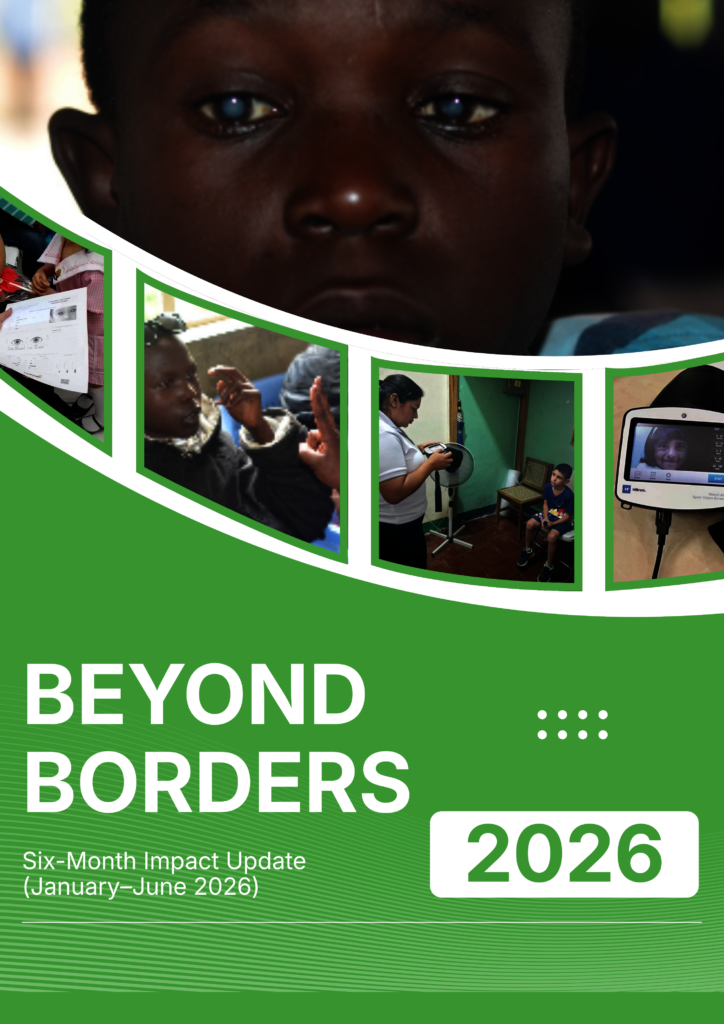
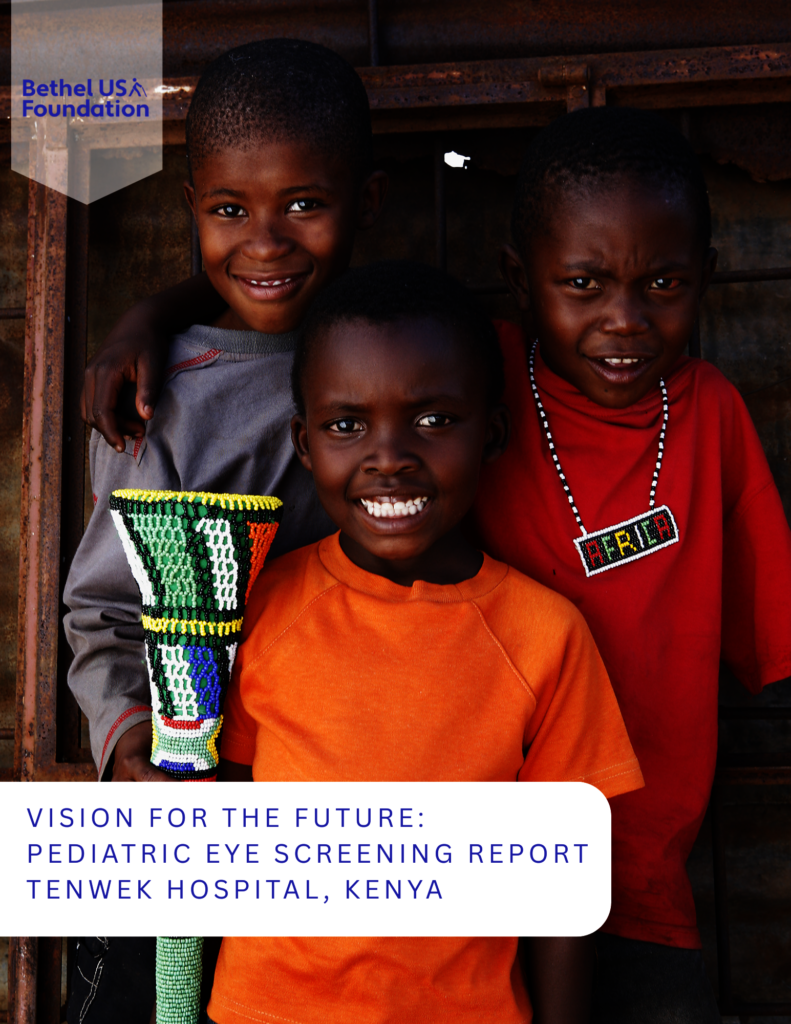
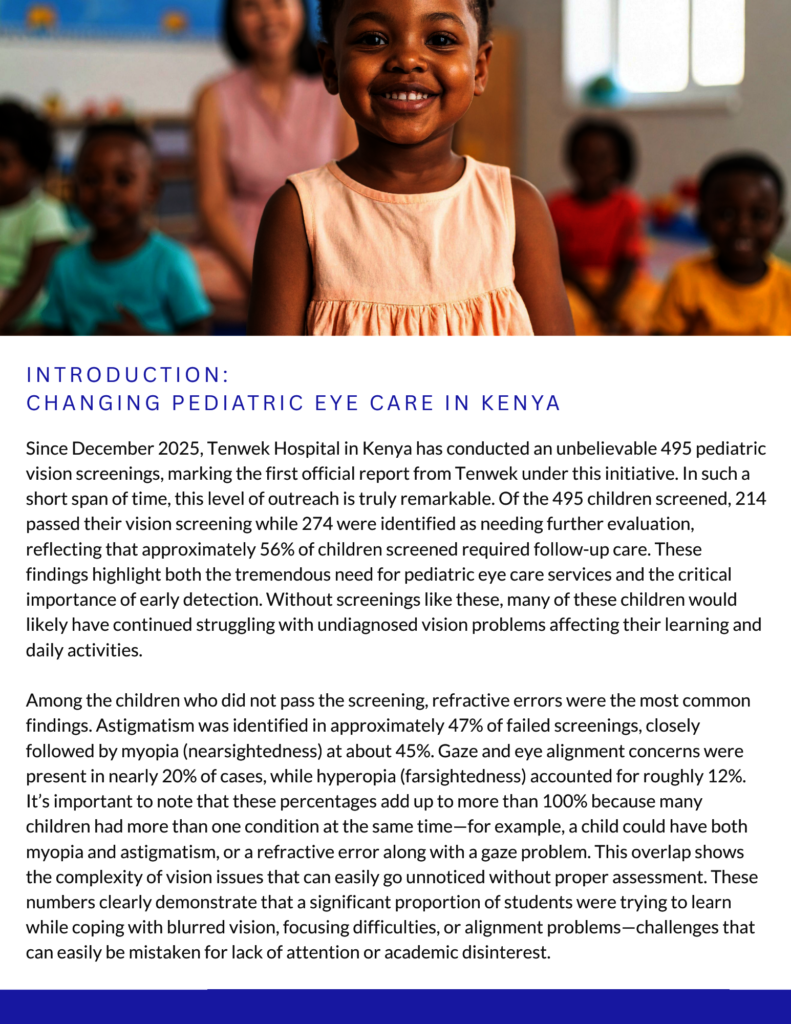
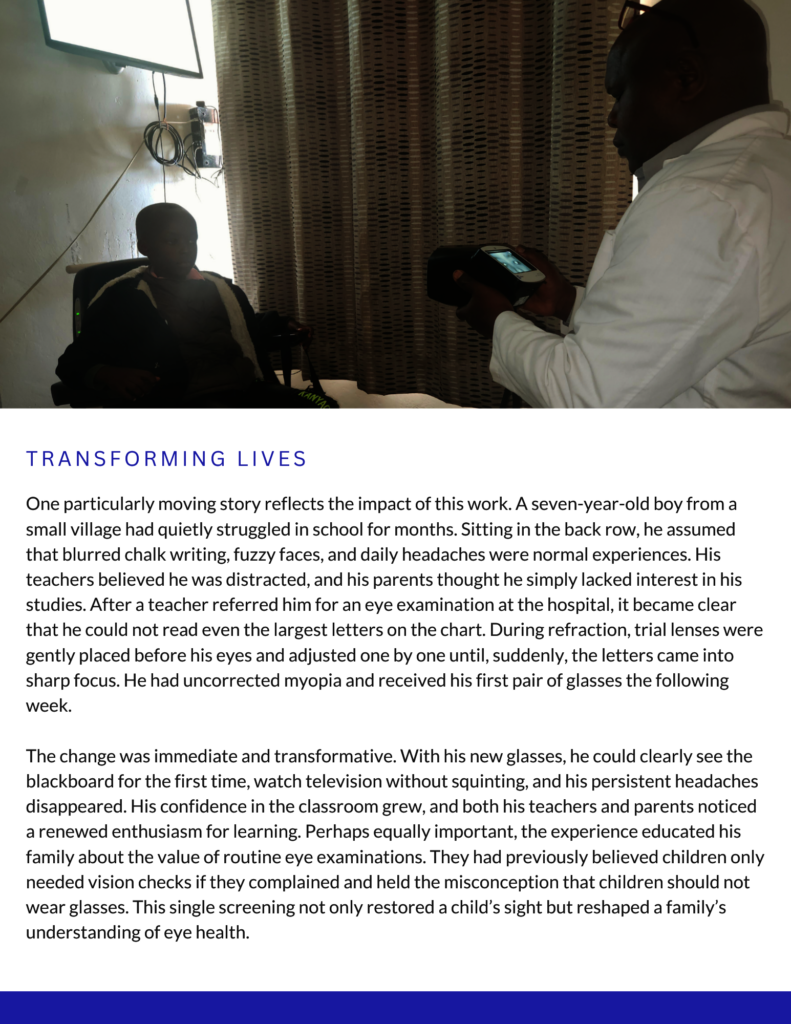
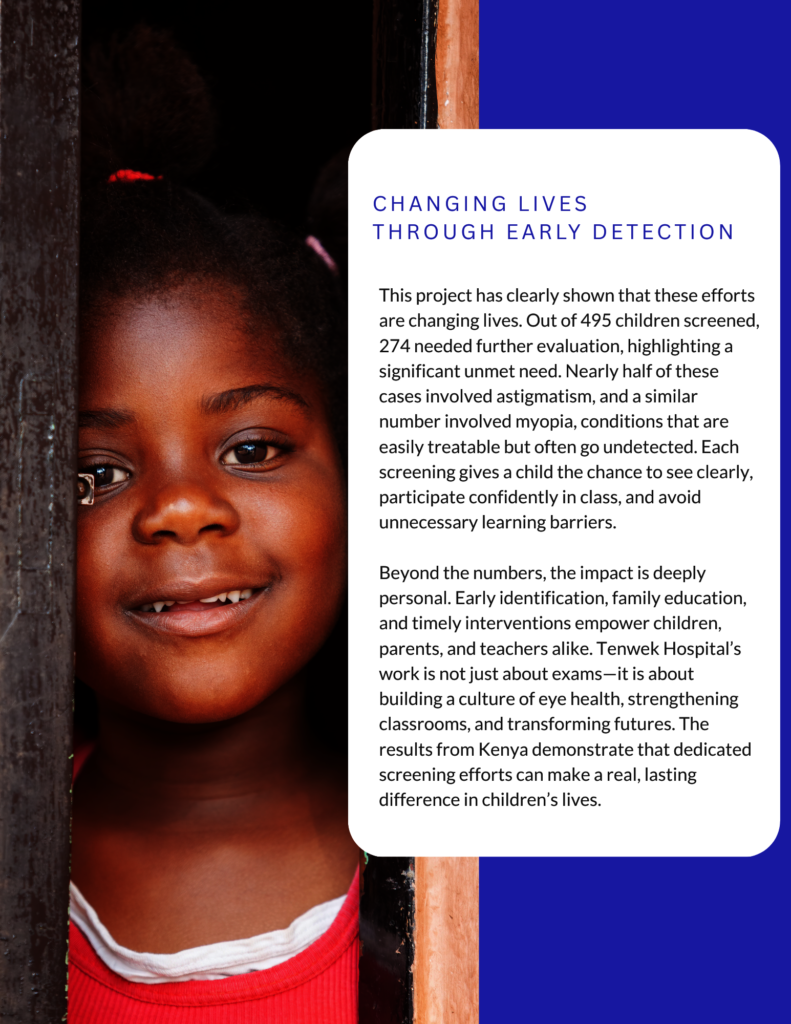
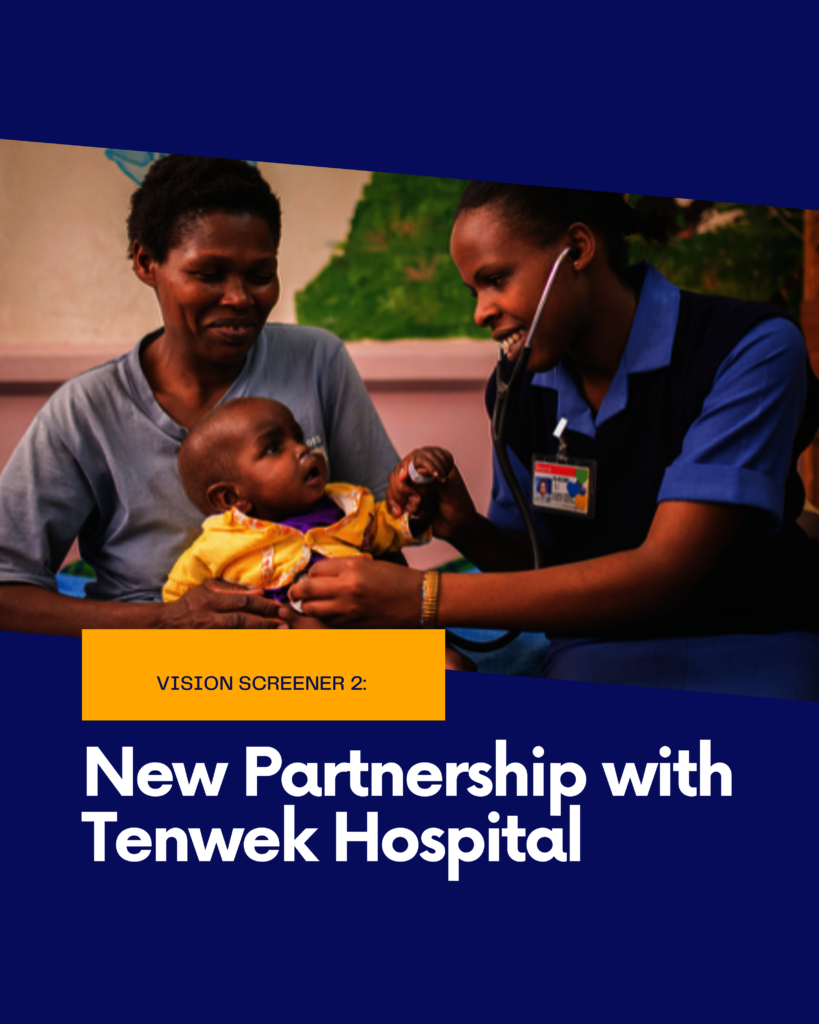
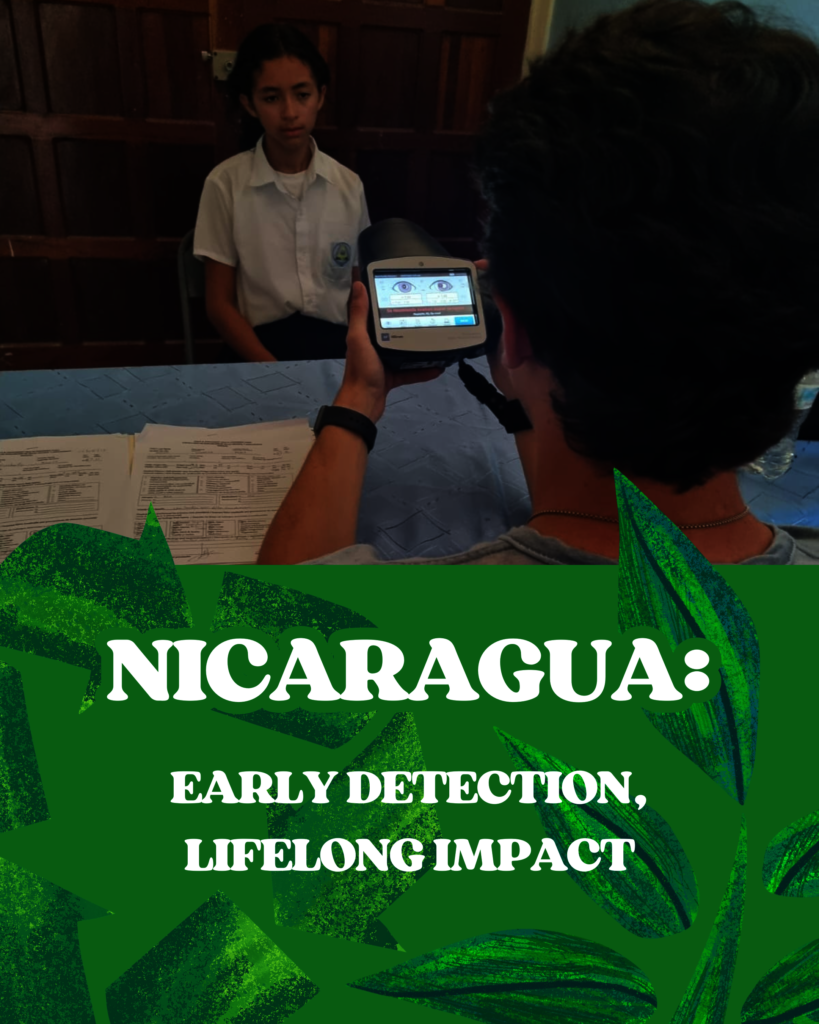
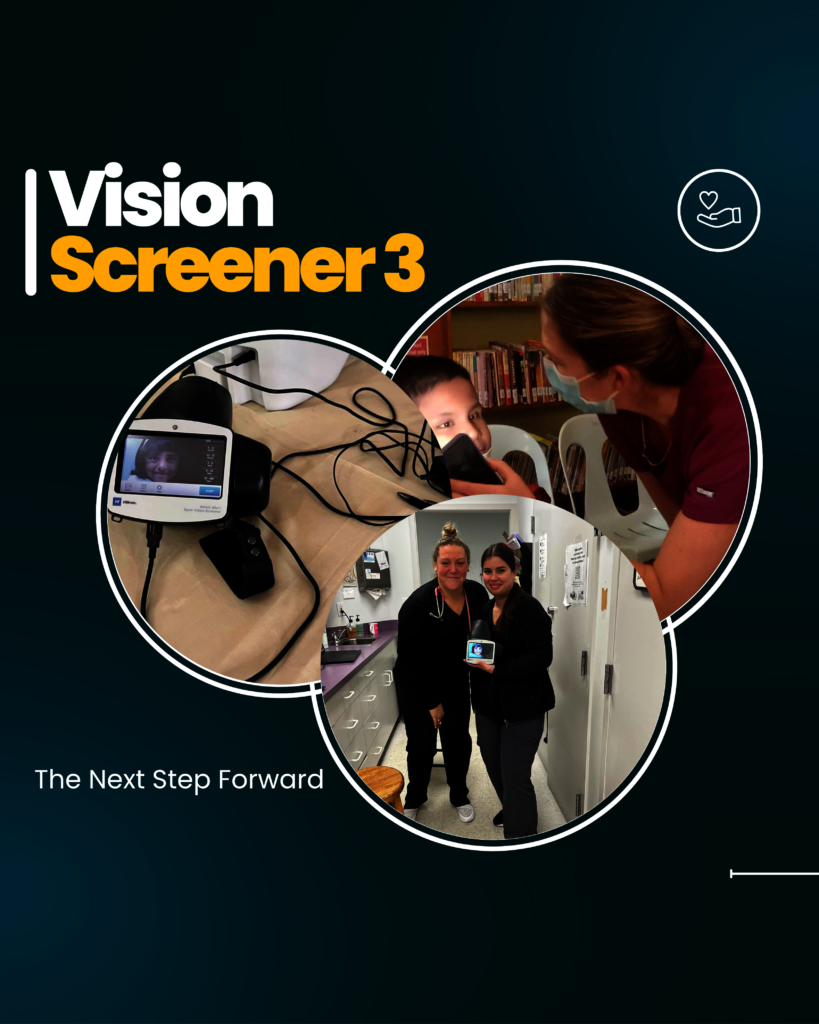
During the first six months of 2026, our Eye Screening Program continued serving communities through our partners, Fundación Misión Para Cristo in Nicaragua and Tenwek Hospital in Kenya. Together, they provided free eye screenings to children and community members with limited access to eye care. During this reporting period, 464 children and community members were screened, and a staggering 300 vision problems were identified, allowing patients to receive the care they desperately needed. These screenings continue to make a lasting impact by detecting preventable vision loss early and giving individuals the opportunity for treatment.
Success Story: Kevin's Journey to Clear Vision
One of the most inspiring stories from this period is Kevin, a 12-year-old boy in Kenya who had gradually stopped attending school because bilateral cataracts had severely affected his vision. His family could not afford the surgery he needed until he was identified during one of our community eye outreach programs. After successful surgeries on both eyes and receiving corrective glasses, Kevin was able to see clearly again. The first thing he told his father was, "Dad, I can see your face properly." Today, Kevin has returned to school with renewed confidence and now dreams of becoming an eye doctor to help other children regain their sight.
Looking Ahead
While we are grateful for the continued success of this program, we currently do not have any dedicated supporters helping fund this initiative here. With your support, we can continue providing free eye screenings, treatment, and life-changing surgeries while expanding this program into additional countries where the need is just as great. Every contribution—no matter the size—helps restore sight, transform lives, and bring hope to children and families around the world.
Links:
By Zach Johnson | Project Manager
By Guillaume Gauvain | Founder
Project reports on GlobalGiving are posted directly to globalgiving.org by Project Leaders as they are completed, generally every 3-4 months. To protect the integrity of these documents, GlobalGiving does not alter them; therefore you may find some language or formatting issues.
If you donate to this project or have donated to this project, you can receive an email when this project posts a report. You can also subscribe for reports without donating.



Support this important cause by creating a personalized fundraising page.
Start a Fundraiser