By Makensie Brown | Director of Operations
Through this project, we implemented a comprehensive set of activities aimed at strengthening climate resilience, promoting sustainable land management, and supporting family-based ecological recovery. Our efforts focused on community empowerment, environmental protection, and long-term sustainability.
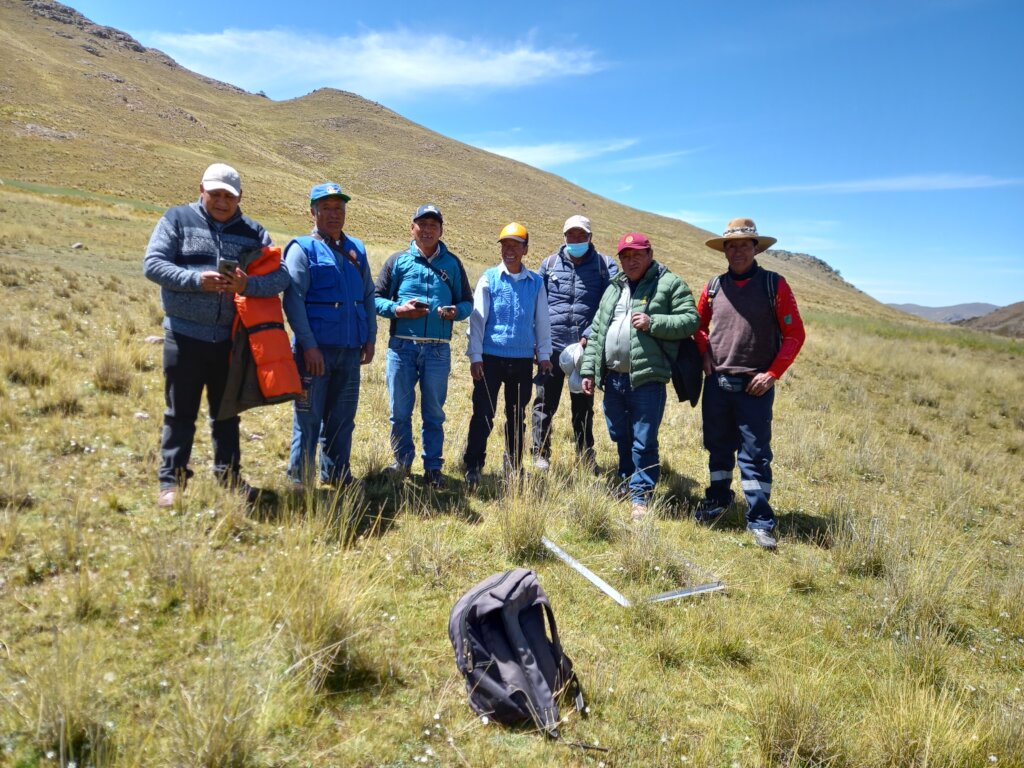
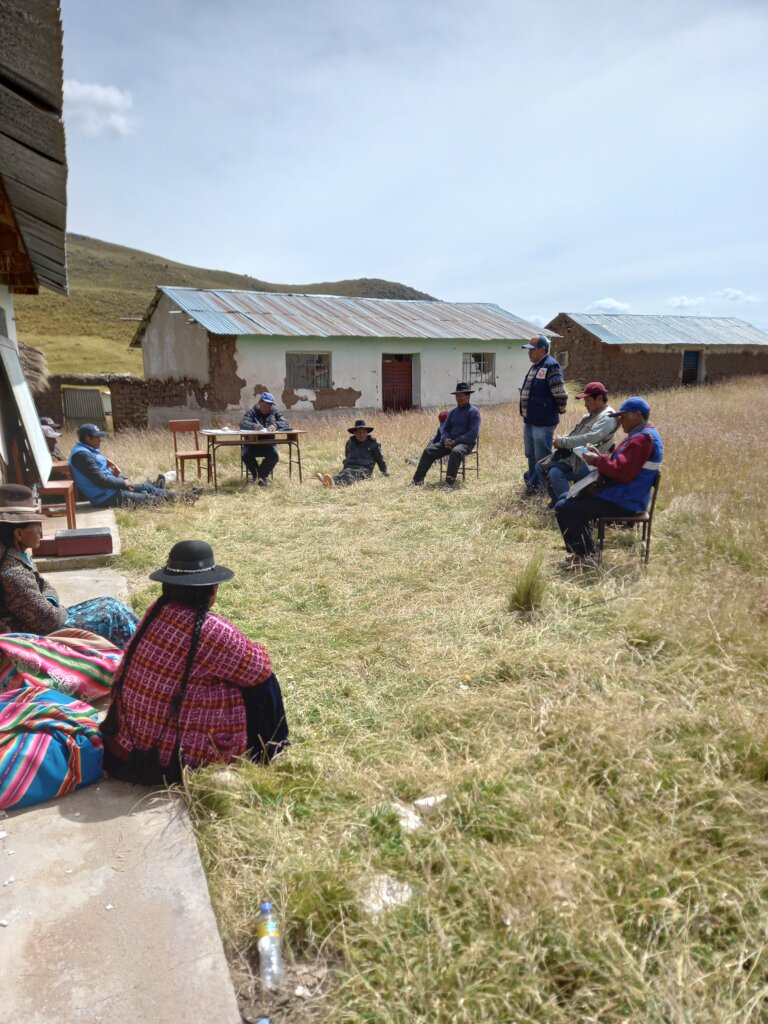
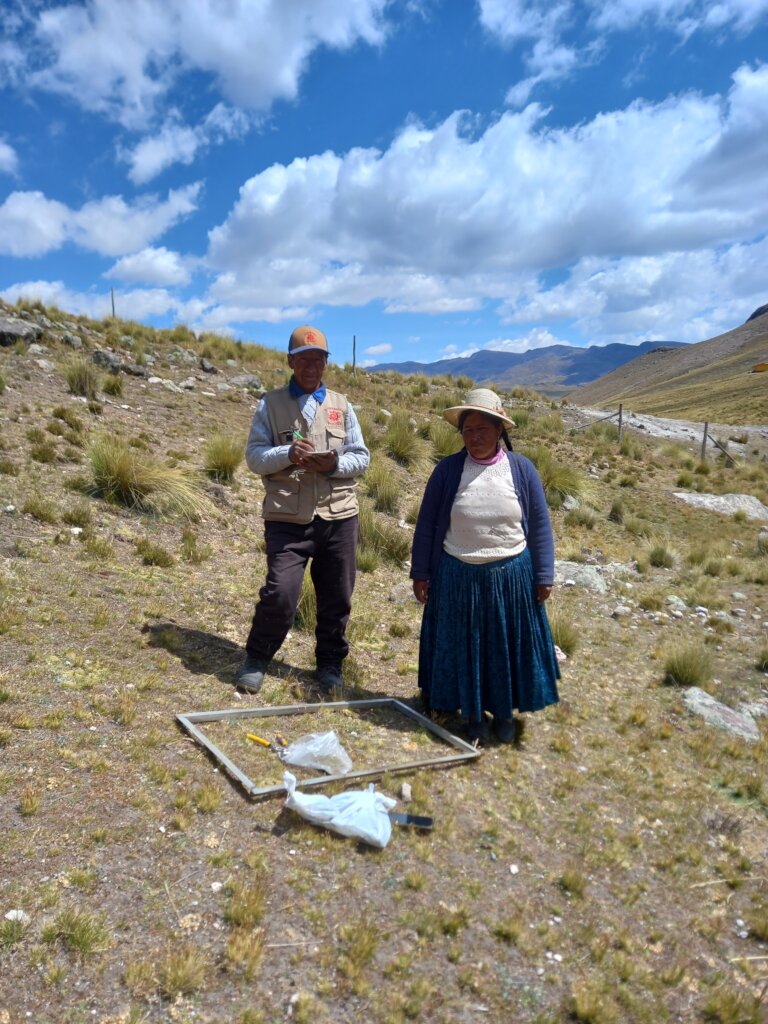
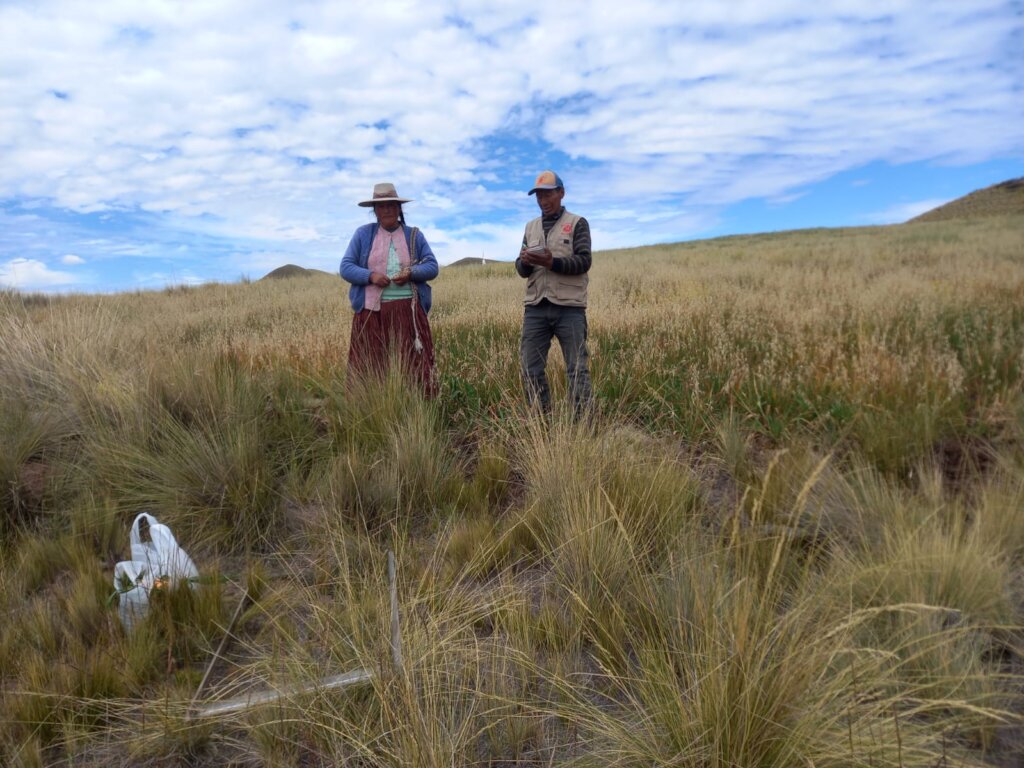
A cornerstone of the project was the provision of theoretical training to 61 individuals to enhance their understanding of climate resilience and adaptive strategies. This training covered key topics such as sustainable land use, climate change impacts, and ecological restoration techniques. To ensure the highest quality of instruction and relevance to local conditions, we contracted two local experts, one for a period of four months, and the other for 10 months. These experts brought invaluable regional knowledge and experience, facilitating deeper engagement and more context-specific learning outcomes. The training not only built technical capacity but also fostered a shared commitment to long-term environmental stewardship among participants.
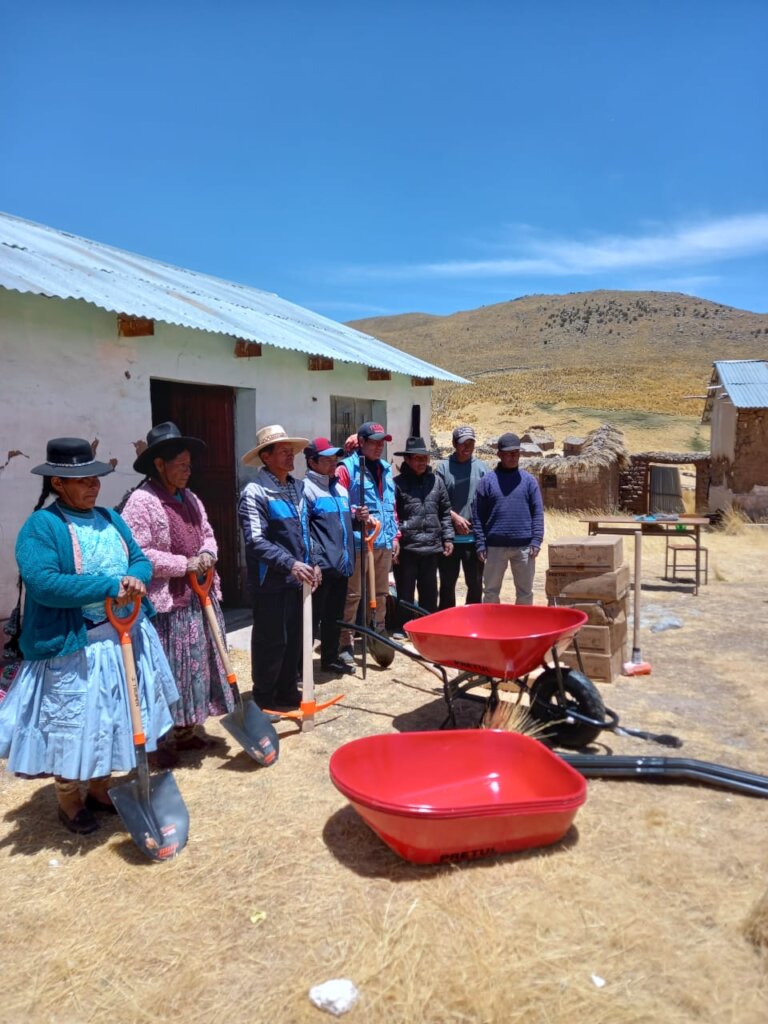
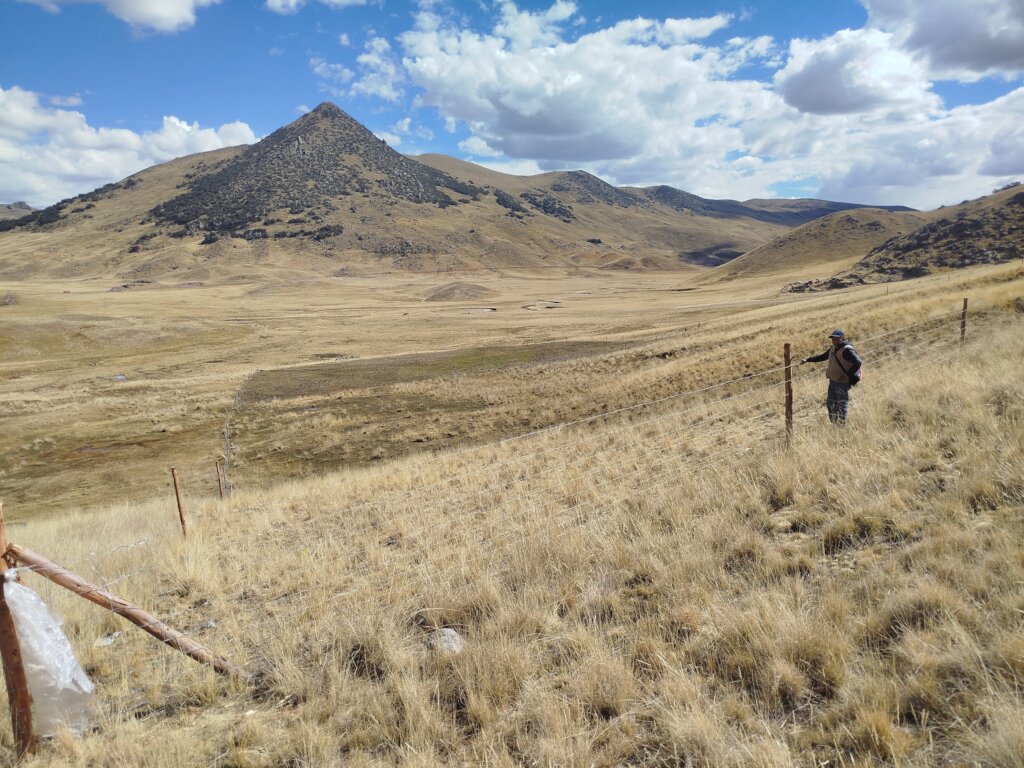
To directly address environmental degradation, we undertook significant land restoration efforts by fencing 64 hectares to control pasture grazing. This measure is critical for allowing natural vegetation to recover, preventing soil erosion, and promoting biodiversity. By managing grazing patterns, we support healthier ecosystems and enable more sustainable livestock practices.
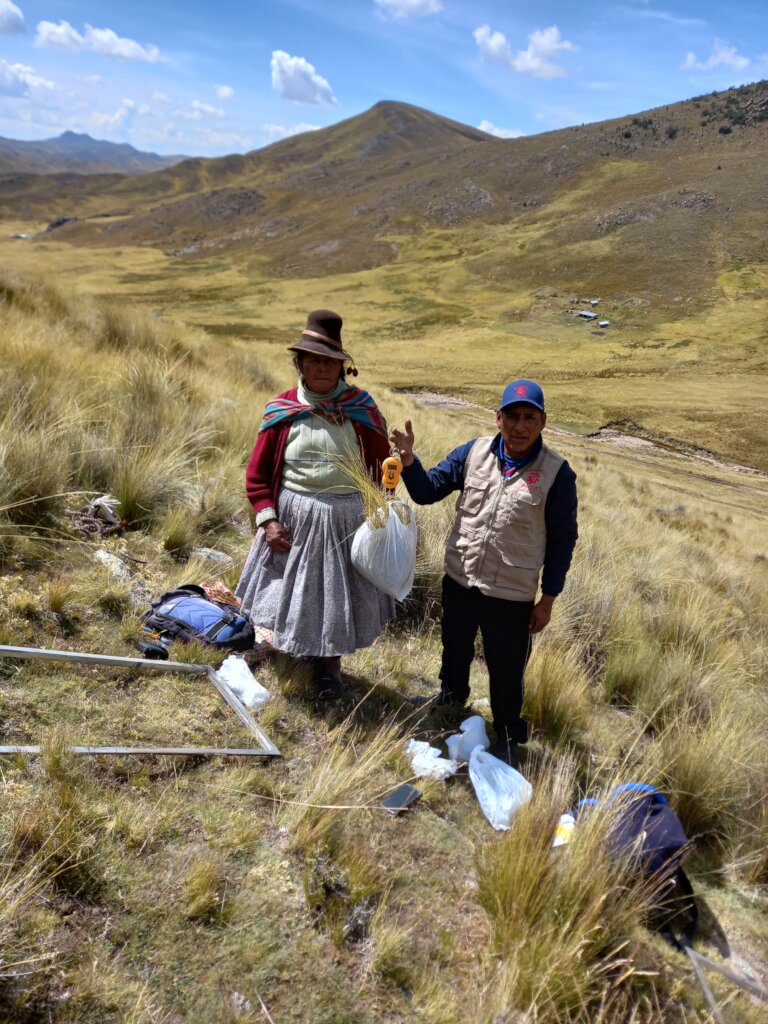
In parallel, we made substantial progress in the implementation of 61 individual recovery and restoration plans, each developed in collaboration with partner families. These tailored plans reflect the unique needs, environmental conditions, and livelihood goals of each household. Activities range from native species reforestation and soil regeneration to the adoption of sustainable agriculture techniques. We continue to provide technical support and follow-up to ensure that these efforts are successful and adaptive to evolving challenges.
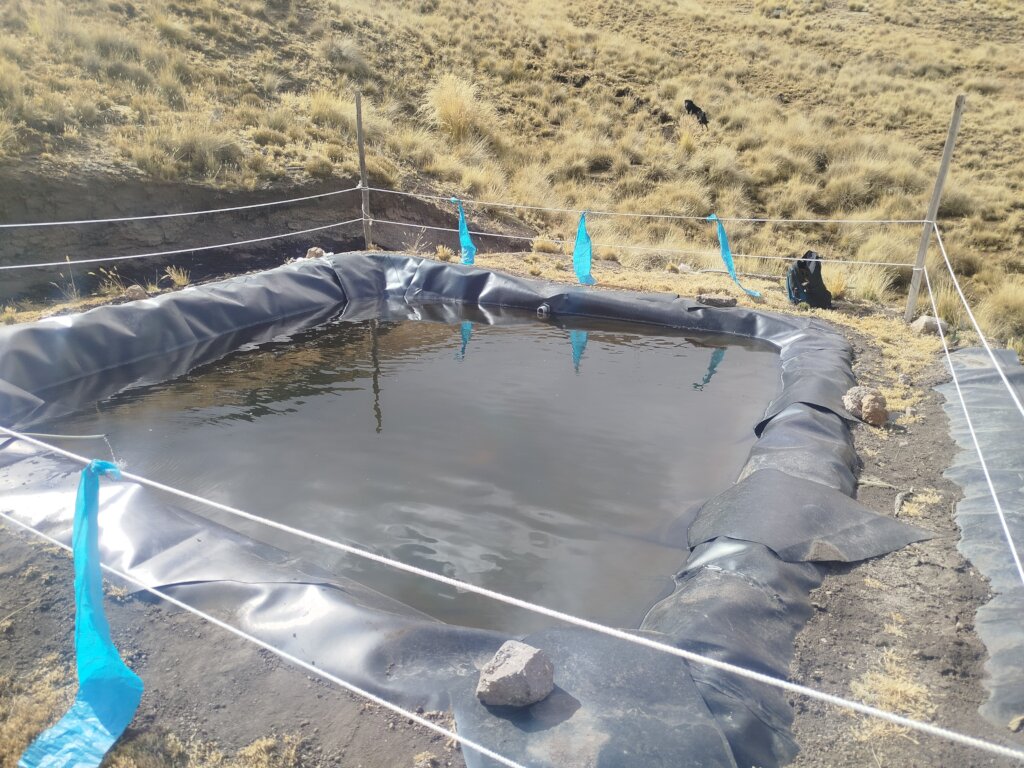
Another important element of the project involved plans to increase the capture and diversion of rainwater through the construction of additional water reservoirs and irrigation systems. These interventions are essential for improving water security and supporting agricultural resilience in the face of changing rainfall patterns. However, due to a shift in community priorities and funding limitations, we were unable to implement this component as originally planned. Recognizing the continued importance of water access and infrastructure, we strategically redirected our efforts to align with the evolving needs of the communities. This included the installation of protective, efficiency-enhancing fencing around existing reservoirs, as well as strengthening other key areas of the project, such as capacity-building through training and ecological restoration activities. These adjustments allowed us to maintain momentum toward our overarching goal of climate resilience, even in the face of temporary setbacks.
Together, these activities reflect a holistic approach to community-based climate adaptation. By combining knowledge-building, land restoration, and individualized support, we are creating a stronger foundation for ecological health, food security, and sustainable livelihoods.
By Makensie Brown | Director of Operations
By Makensie Brown | Director of Operations
Project reports on GlobalGiving are posted directly to globalgiving.org by Project Leaders as they are completed, generally every 3-4 months. To protect the integrity of these documents, GlobalGiving does not alter them; therefore you may find some language or formatting issues.
If you donate to this project or have donated to this project, you can receive an email when this project posts a report. You can also subscribe for reports without donating.



Support this important cause by creating a personalized fundraising page.
Start a Fundraiser