By Michaelle M. | Project Assistant
ODEPERIB and GFARM Goat Breeding Project
Over the past six months, the Goat Breeding Project has continued its efforts to improve livestock production, strengthen household livelihoods, and enhance the breeding capacity of beneficiary farmers through goat and sheep rearing.
However, in the month of April - October, the region experienced prolonged drought conditions, which significantly affected the implementation of project activities. The shortage of rainfall resulted in reduced availability of pasture, limited access to water, and increased pressure on available livestock feed resources. These conditions made it increasingly challenging for beneficiaries to provide adequate care for their goats and sheep.
The drought also affected the project's ability to achieve the anticipated increase in breeding and herd multiplication. Poor feeding conditions affected the general health and body condition of some animals, making it difficult to maintain optimal breeding performance.
Despite these challenges, the Organizations continued working with beneficiaries to safeguard the existing livestock, promote responsible animal care, and identify practical ways of sustaining the breeding program under difficult climatic conditions.
Despite the difficult environmental conditions, the project maintained its focus on the following key areas of livestock management and care, breeding activities, and beneficiary engagement.
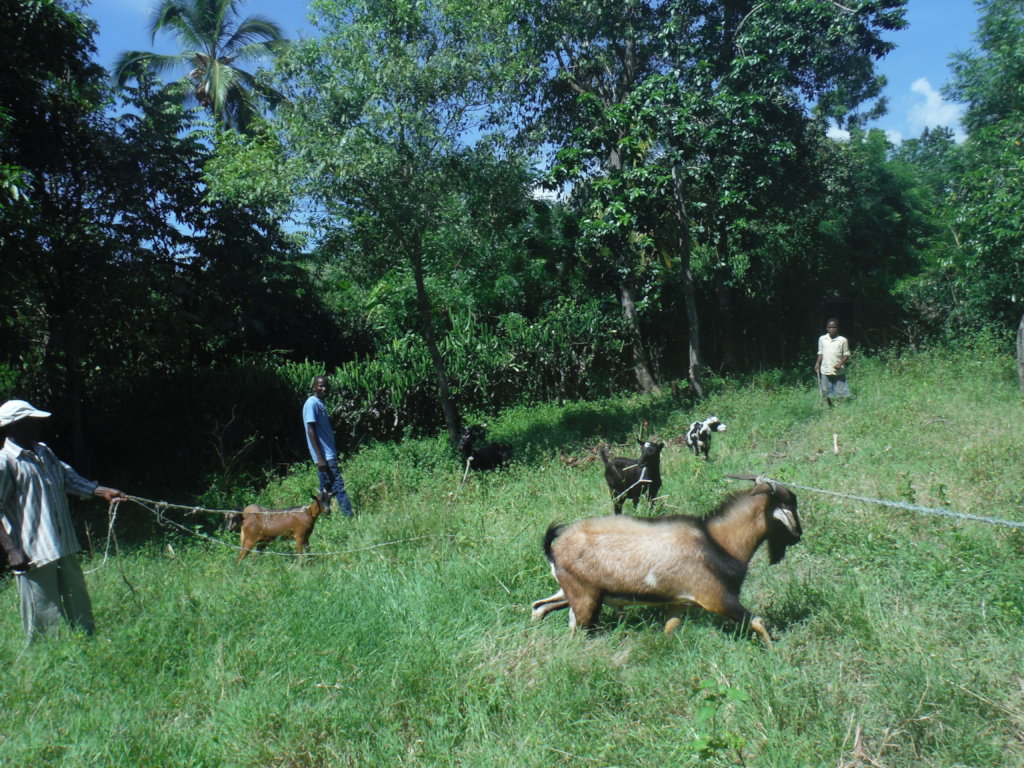
Beneficiaries continued managing their goats and sheep, with particular attention to feeding, watering, sheltering, and general animal health. Efforts were made to ensure that available resources were prioritized to maintain the animals' health and reduce livestock losses.
The project continued promoting goat and sheep breeding as a strategy for increasing household livestock assets and improving income opportunities. However, the drought affected the pace of breeding activities.
Due to inadequate pasture and feed shortages, some animals were not in optimal body condition for breeding. This limited opportunities for successful mating and slowed the expected rate of herd expansion.
Beneficiaries remained engaged in livestock management activities despite the difficult conditions. The Organizations continued emphasizing the importance of protecting breeding stock, maintaining animal health, and adopting appropriate livestock management practices during periods of drought.
The major challenge during the reporting period was the prolonged drought, which affected livestock management and breeding activities in several ways:
These challenges affected the project's implementation timeline and slowed progress toward the expected breeding and herd multiplication targets.
In response to the drought conditions, the project encouraged beneficiaries to adopt practical measures aimed at protecting their livestock and sustaining the breeding program.
These included:
The Organizations recognize that protecting the existing breeding stock during drought is essential for ensuring successful herd recovery and future expansion.
Although drought conditions slowed the anticipated progress, the reporting period has provided important lessons regarding livestock production in climate-vulnerable communities.
One major lesson is that successful goat and sheep breeding depends not only on the availability of breeding animals but also on adequate nutrition, water, animal health services, and favorable environmental conditions.
The experience has also highlighted the need to integrate climate-resilient livestock management strategies into the project. Strengthening beneficiaries' capacity to prepare for drought will be important in protecting livestock assets and maintaining breeding productivity in the future.
The project remains relevant to beneficiary households because goats and sheep continue to provide opportunities for improved livelihoods, income generation, and household resilience.
As the project moves into the next implementation period, attention will focus on recovery, strengthening livestock health, and accelerating breeding activities when conditions become favorable.
In light of the challenges experienced, continued donor support will be important in helping the project recover and achieve its intended objectives.
Additional support would be particularly valuable in the following areas:
Such support will help protect the investments already made, reduce livestock vulnerability, and enable beneficiaries to resume productive breeding activities.
The past six months have been particularly challenging for the Goat Breeding Project due to the prolonged drought experienced across the region. The resulting shortage of pasture and water affected the ability of beneficiaries to adequately care for their goats and sheep and slowed the planned increase in breeding and livestock numbers.
Nevertheless, the Organizations remain committed to its objectives of improving livestock productivity, strengthening household livelihoods, and increasing the availability of quality breeding animals.
The experience has reinforced the importance of building resilience into livestock production systems, particularly in communities that depend heavily on natural grazing resources.
Project reports on GlobalGiving are posted directly to globalgiving.org by Project Leaders as they are completed, generally every 3-4 months. To protect the integrity of these documents, GlobalGiving does not alter them; therefore you may find some language or formatting issues.
If you donate to this project or have donated to this project, you can receive an email when this project posts a report. You can also subscribe for reports without donating.


Support this important cause by creating a personalized fundraising page.
Start a Fundraiser