By Michaelle M. | Project Assistant
ODEPERIB Goat Breeding Project
Veterinary Pharmacy Services
The veterinary pharmacy continues to provide services to both direct project beneficiaries and the broader population of the Gwomòn community. The pharmacy plays a critical role in ensuring that goats and other livestock receive both preventive and curative veterinary care.
Animals belonging to project members, as well as those owned by non-members, have access to veterinary services. Members and non-members pay the same fees for services; however, project members are eligible to receive services on credit, while non-members must pay in cash. Revenue collected from non-members is used to replenish the pharmacy's stock of medicines and supplies.
At present, the Organization has approximately 65,000 gourdes available to restock veterinary medicines. To maintain the sustainability of the pharmacy, members with outstanding balances are encouraged to settle their debts promptly. Failure to do so may create operational challenges for the project.
The veterinary pharmacy remains one of the project's greatest strengths. Without it, many animals would be at greater risk of illness or death. Furthermore, community members have become accustomed to bringing their animals for treatment, which helps prevent unnecessary livestock losses throughout the area.
Animal Nutrition and Management
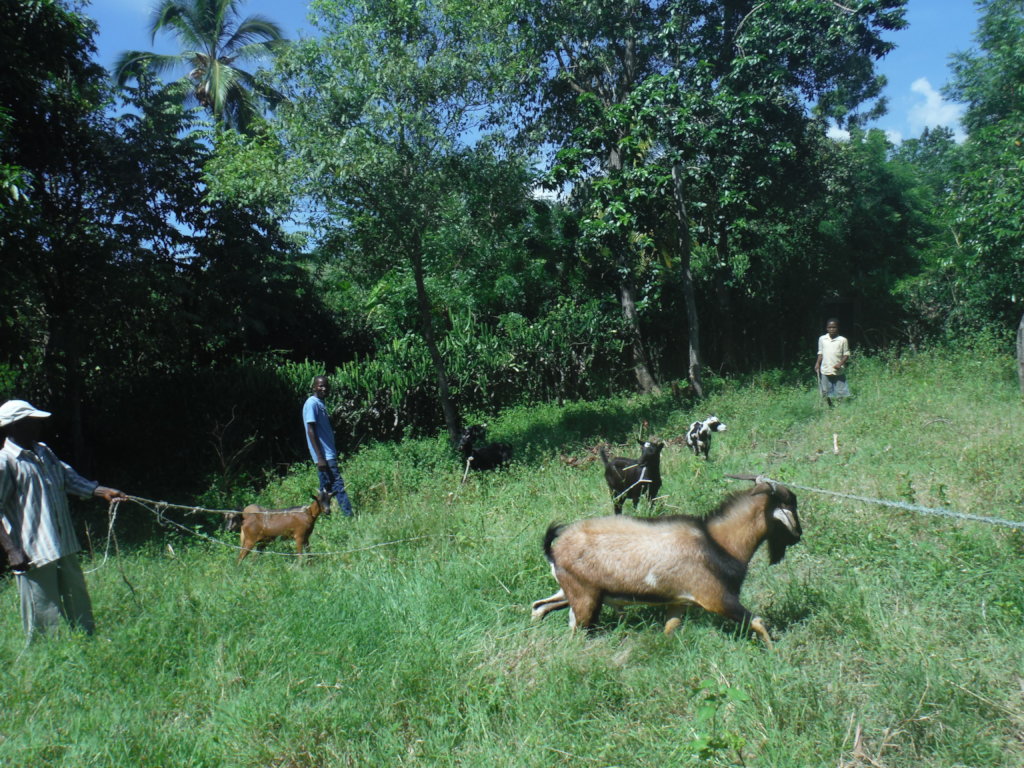
The animals currently have adequate access to feed. The area contains several types of forage, including Guinea grass, Cogon grass, Kodo grass, and other natural vegetation that provide sufficient grazing opportunities. In addition, livestock benefit from vegetable scraps and household food waste, which supplement their diet.
During the rainy season, the Organization advises beneficiaries to keep goats in dry shelters to reduce the risk of disease. Beneficiaries are also encouraged to provide clean drinking water regularly. To date, no significant problems related to feeding or water access have been reported.
Reproduction and Animal Health
During the reporting period, beneficiaries reported several cases of abortion. According to observations, these abortions were associated with injuries resulting from horn cutting. In response, the Organization's management has advised beneficiaries to take greater precautions to prevent similar incidents in the future.
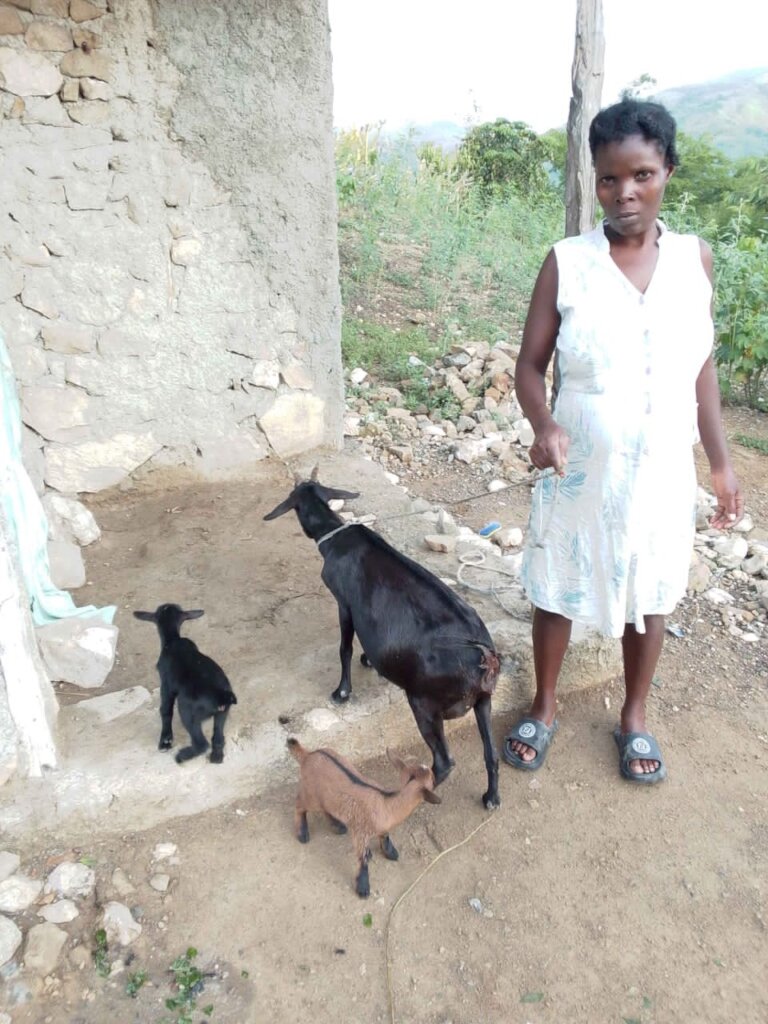
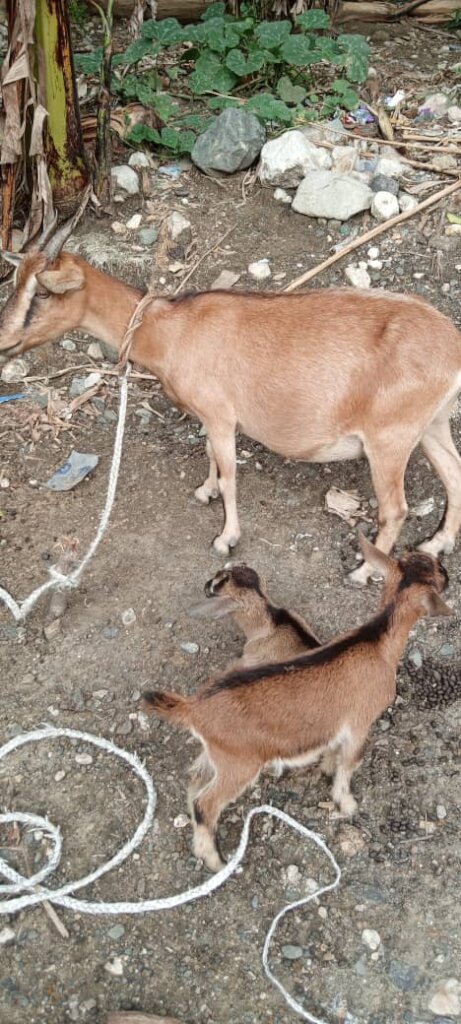
A total of 37 kids were born during the period, of which 8 died. This resulted in a surviving population of 29 kids, including 10 males and 19 females.
Several nursing mothers also experienced insufficient milk production. To address this issue, the Organization and the project's Technical Team administered oxytocin to stimulate milk production and provided vitamins and tetracycline to treat related infections. As a result, the animals have remained generally healthy.
Goat Distribution
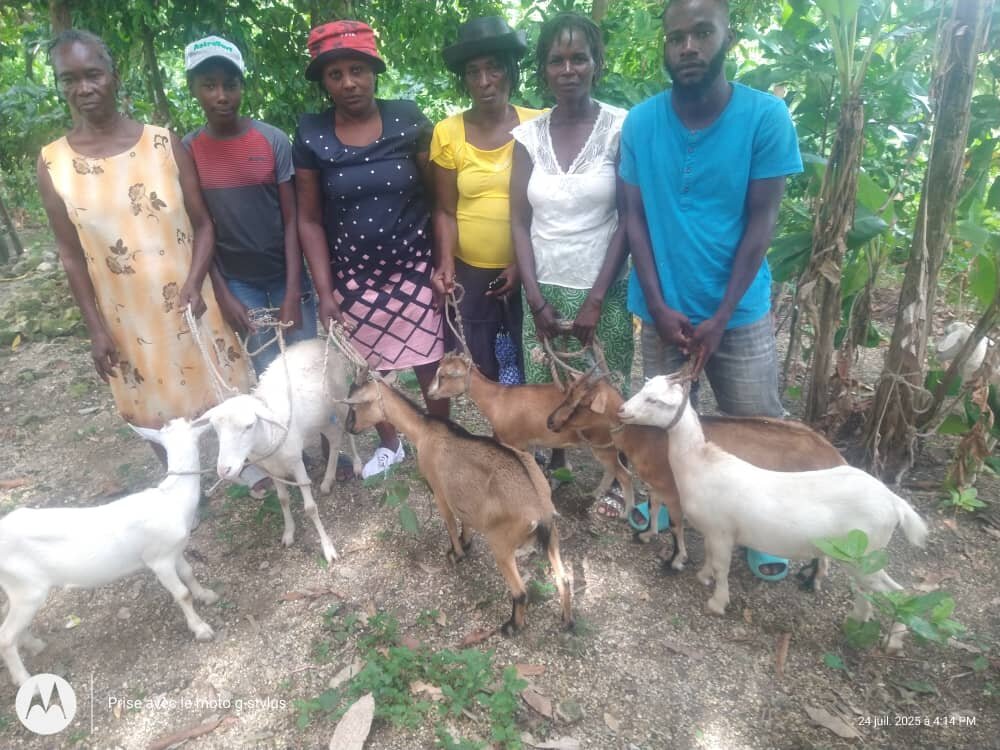
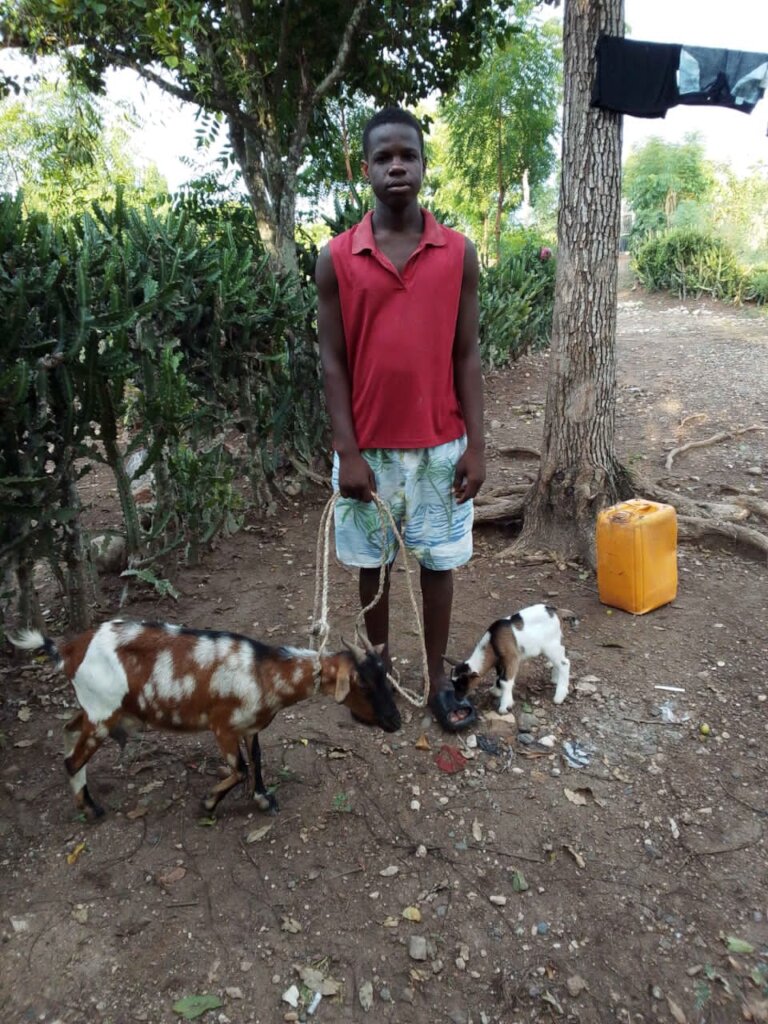
During this reporting period, a distribution was conducted using offspring produced through the project. A total of 29 goats were distributed to 29 new beneficiaries.
Male offspring are being raised and fattened for future sale. Proceeds from these sales will be used to purchase additional female goats for distribution to 10 new project members.
GFARM Goat Breeding Project
The Organization established a breeding system under which both members and non-members pay 50 gourdes for each breeding service provided by project-owned male goats. Members may receive services on credit, while non-members are required to pay in cash.
Breeding fees are collected by the goat keepers and deposited into the Organization's treasury. These funds are primarily used to purchase rope, medicines, and other project necessities.
Member Participation Requirements
Under the project's revolving livestock model, members who receive goats are expected to pass on one offspring to another member once their goats reproduce. The breeding stock remains part of the Organization's collective assets and continues to support project growth.
Veterinary Pharmacy
As with the ODPERIB project, the Organization established a small veterinary pharmacy to provide essential healthcare services for project animals. The pharmacy operates according to the same principles and procedures used in the ODPERIB project.
Abortion and Animal Losses
Since the project's inception, the Organization has experienced significant losses due to miscarriages and transportation-related stress, which contributed to a high number of abortions among pregnant goats.
Breeding Results
During the reporting period:
The surviving offspring are being raised and fattened for eventual sale. Revenue generated from these sales will be used to purchase 10 additional female goats for distribution to new project members.
The Organization has already distributed the 16-surviving offspring to 16 new beneficiaries.
Based on the results obtained thus far, the Organization believes that the performance of both goat breeding projects has fallen below expectations. Under normal conditions, goats should reproduce more consistently and produce offspring at a higher rate within an 18-month period.
Although a significant number of members have benefited from receiving goats, Lambi remains concerned about the low reproductive performance and high incidence of abortions and animal losses. Given the difficult conditions currently affecting the country, the underlying causes have not yet been fully identified.
Moving forward, Lambi believes that additional technical support, monitoring, and management improvements will be necessary to address these challenges and improve project productivity and sustainability.
By Michaelle M. | Project Assistant
By Michaelle M. | Assistant Project Leader
Project reports on GlobalGiving are posted directly to globalgiving.org by Project Leaders as they are completed, generally every 3-4 months. To protect the integrity of these documents, GlobalGiving does not alter them; therefore you may find some language or formatting issues.
If you donate to this project or have donated to this project, you can receive an email when this project posts a report. You can also subscribe for reports without donating.



Support this important cause by creating a personalized fundraising page.
Start a Fundraiser