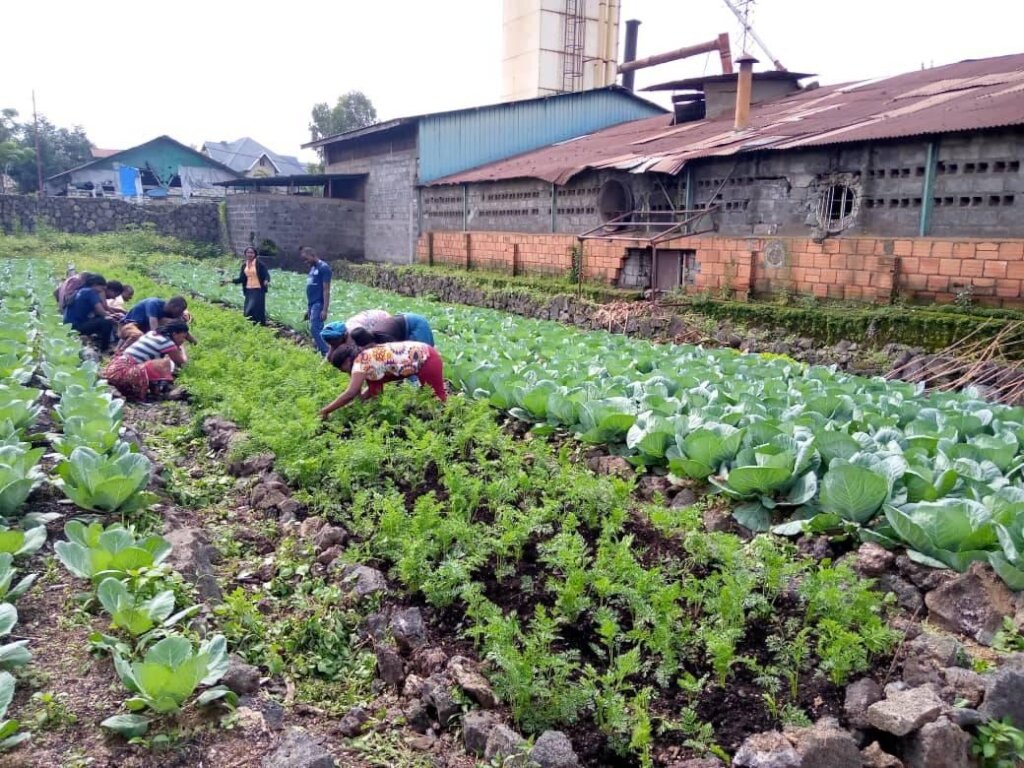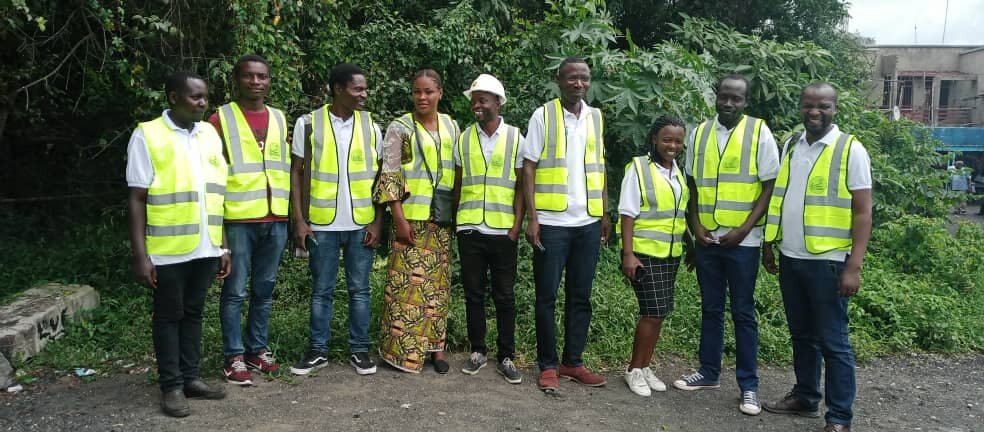
Potatoes for Peace is among projects that focused on an Agri-Value Chain for Youth Ex-Rebels' Reintegration, Women's Resilience, and Cross-Border Trade in the Great Lakes region (Congo, Rwanda, Burundi, Uganda), addresses several critical needs at once. Goal: To contribute to sustainable peace and economic stability in Masisi Territory through inclusive agricultural development (Potatoes- Value chain) and cross-border trade.
The Potatoes for Peace project addresses a complex, "triple-threat" crisis in the Masisi territory of North Kivu. Because Masisi is a strategic highland area often under the control or influence of various armed groups (including M23 and local "Wazalendo" militias), the "problem" is not just one issue, but a cycle of interconnected challenges: The "Hunger-Conflict" Trap, Youth Vulnerability and "Recruitment by Necessity", Marginalization and Resilience of Women, Fragmented Cross-Border Trade
The Potatoes for Peace project (and its related "Trading for Peace" initiatives) functions as a strategic intervention designed to dismantle the "war economy" of North Kivu. By focusing on the potato value chain, the project solves problems through three primary mechanisms: economic stabilization, social reintegration, and regional diplomacy. Solving the Economic "Security Gap", Solving the Reintegration Crisis (Youth), Solving the Resilience Barrier (Women), Solving Regional Mistrust.
Solving Regional Mistrust (Cross-Border Trade) The Great Lakes region (DRC, Rwanda, Uganda, Burundi) has a history of proxy wars. Potatoes serve as a "neutral" tool for peace. The long-term impact of the Potatoes for Peace project goes beyond simple food aid; it aims to fundamentally restructure the social and economic fabric of North Kivu. By shifting Masisi from a "war economy" to a "value-chain economy," the project creates several lasting shifts: Peace Dividend, Skill Legacies, Food security
This project has provided additional documentation in a DOCX file (projdoc.docx).