By Eric T Jones | Project Co-Director
This last quarter Greg Archuletta of the Confederated Tribes of the Grand Ronde and Eric Jones of IFCAE collaborated on a grant proposal to the Nike foundation. The grant proposal development process was a great opportunity to expand our collaboration and connect the Portland Ethnobotany Project goals with the Cultural Lifeways program of the tribe.
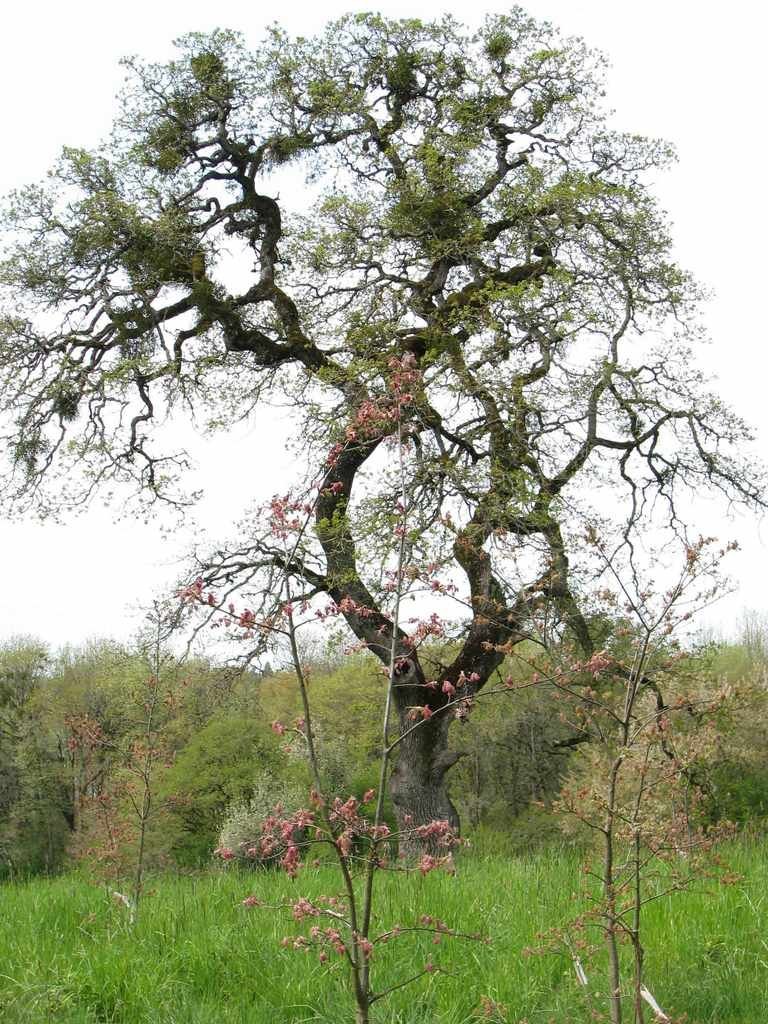
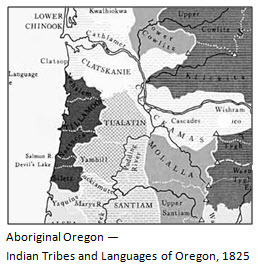
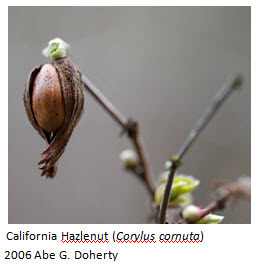
The Grand Ronde Lifeway’s program is a model program for reclaiming cultural values of the tribes such as language acquisition, reconnecting tribal members to specific tribal traditions, re-building positive relationships between tribal members and the non-tribal community, and working to build self-esteem in participants, especially youth. The Portland Ethnobotany Project activities through the Lifeway’s program address an important urban issue, the lack of understanding of historical and contemporary American Indian land use. Portland is a case example of this problem. While Portland is a national leader with programs to control invasive species and expand tree coverage, what is missing is an inventory of culturally important trees and other native plants (ancient oaks, patches of hazel, and habitat with wapato and camas bulb) and cultural use areas important to local Indians. Our project will learn from the past to create smart environmental management in sync with Indian cultural needs.
Through several workshops and class activities we hope to:
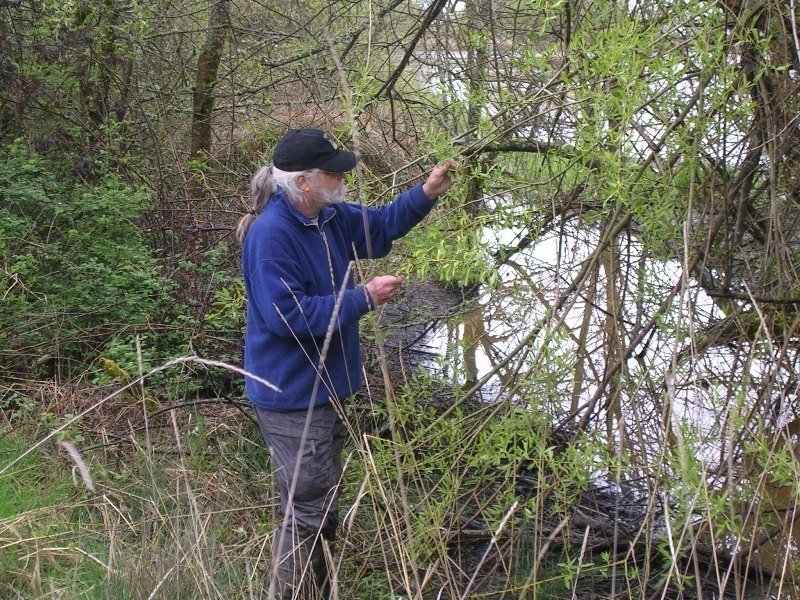
1. Identify heritage trees, native plant areas and potential cultural use areas that are important to the local tribes.
2. Establish an inventory of the identified sites, documenting the important native plants and resources found.
3. Establish partnerships plans with land owners for the preservation, enhancement and, if feasible, utilization of the resources.
4. Use at least four sites for Lifeway’s activities, including teaching traditional uses of Native plants and cultural areas, traditional gathering activities and traditional craft skills development (i.e. traditional basket making, traditional foods preparation).
5. By the end of 2011 provide a tribal community presentation of the efforts and results of the project.
Lastly, the Portland Ethnobotany Project has close ties to our sister project looking at urban foraging of wild and naturalized foods in Seattle and Portland. You can learn more about that project at: http://www.ifcae.org/projects/urbanforaging/
By Eric Jones | Project Co-Director
By Eric Jones | Project Leader
Project reports on GlobalGiving are posted directly to globalgiving.org by Project Leaders as they are completed, generally every 3-4 months. To protect the integrity of these documents, GlobalGiving does not alter them; therefore you may find some language or formatting issues.
If you donate to this project or have donated to this project, you can receive an email when this project posts a report. You can also subscribe for reports without donating.