By Eric T Jones | Environmental Anthropologist
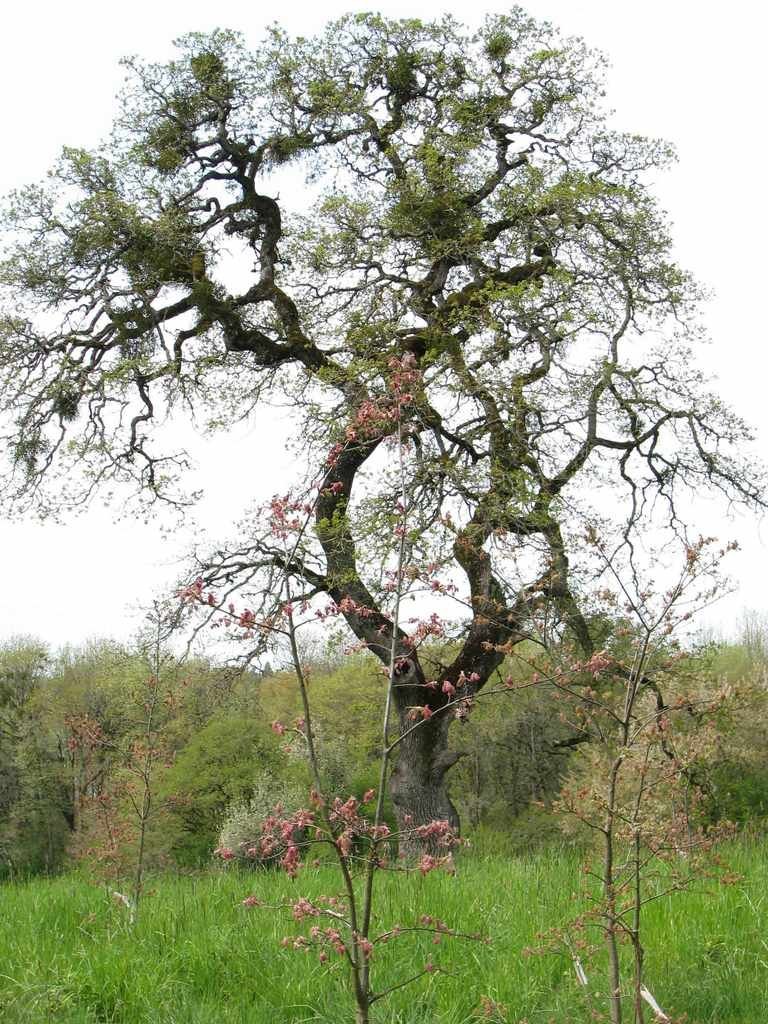
While working on contemporary urban foraging systems in Portland our project is also working on collaborating with local tribal members, government agencies, university researchers and others to better understand the cultural and ecological past. Understanding the past is always smart when thinking about the future. Unfortunately, understanding the historical culture and ecology of a metropolitan area like Portland, Oregon is exceedingly challenging for the time when American Indians were the majority people in the area. American Indian tribes throughout the country had sophisticated oral history systems in which knowledge was passed to younger generations through story, dance, art and other means. When EuroAmerican settler populations began arriving disease, war, and poverty decimated these knowledge systems. In Portland and the Willamette Valley only fragments of knowledge remain among the descendents, but the Kalapuya, Molalla, Clackamas and other tribes and bands are working hard to restore their cultures and knowledge. A part of this restoration is to understand their ecological past in order to influence the future. For example, what culturally important plants are native to the region that still remain. Portland is full of clues if you look closely. That 175-year old oak tree in your neighborhood produces acorns and could have been an important food source for tribes. Do you have patches of wild hazel growing? They may be remnants of an ancient food system. So what? How will understanding this past help us today beyond just being a historical curiosity? Today, managing an urban ecological environment is a difficult task. Invasive species like English Ivy are overtaking native plant ecosystems and weak ecological systems are prone to disease and other problems. Some native species are threatened and endangered and governments and other stakeholders are undertaking projects to restore suitable habitat for their recovery. But if one thinks in a long time frame you see that the American Indians lived and managed the landscape in Portland for thousands of years and EuroAmericans have only been here a short time, about 160 years. Though EuroAmerican populations obviously have had massive and rapid impact on the ecology, the native species that rename today are more likely adapted to the ecological environment as it was shaped by American Indians over those many thousands of years of using fire and other management strategies. Without a better understanding of the past anthropogenic influence on the environment today's science and management won't have a clear picture of what they should be restoring the habitat to. Of course we can't get rid of Portland's built environment, nor is that the direction city planning is going. The city has a strict urban growth boundary to protect farm land and other open space outside the city, that encourages dense building within the city. Portland's open spaces within the city like Forest Park are critical habitat for endangered species, the management of such places must be based on sound and comprehensive scientific knowledge, including an understanding of the past as best we can. At this period of planning and early implementation of the Portland Ethnobotany Project we welcome feedback from donors and any other stakeholders that would like to share ideas, concerns, or interests.
Links:
Project reports on GlobalGiving are posted directly to globalgiving.org by Project Leaders as they are completed, generally every 3-4 months. To protect the integrity of these documents, GlobalGiving does not alter them; therefore you may find some language or formatting issues.
If you donate to this project or have donated to this project, you can receive an email when this project posts a report. You can also subscribe for reports without donating.