By Ashley Capps | Project Leader
A Well-Fed World was thrilled to be accepted onto the GlobalGiving platform in August of 2023, helping our Plants-4-Hunger projects reach a new audience who might otherwise never learn about our work, or understand the critical importance of plant-based hunger relief. Plants-4-Hunger funds plant-based feeding, farming and disaster relief food aid projects around the world that feed more people using far less land, water, and energy, while protecting animals, ecosystems, and the climate.
Our dedicated Food Trees for Climate and Hunger Fund, which you generously supported recently, is a crucial project of Plants-4-Hunger. Food trees uniquely address the triple crises of global hunger, climate change, and biodiversity loss by providing food and income, carbon sequestration, and wildlife habitat, while reducing widespread deforestation driven by animal-based food production.The UN says conserving forests and planting more trees could provide nearly one third of urgent climate mitigation needed in the next ten years, while forest-based food systems “are associated with increased fruit and vegetable consumption and increased dietary diversity,” leading to improved nutrition and health outcomes.
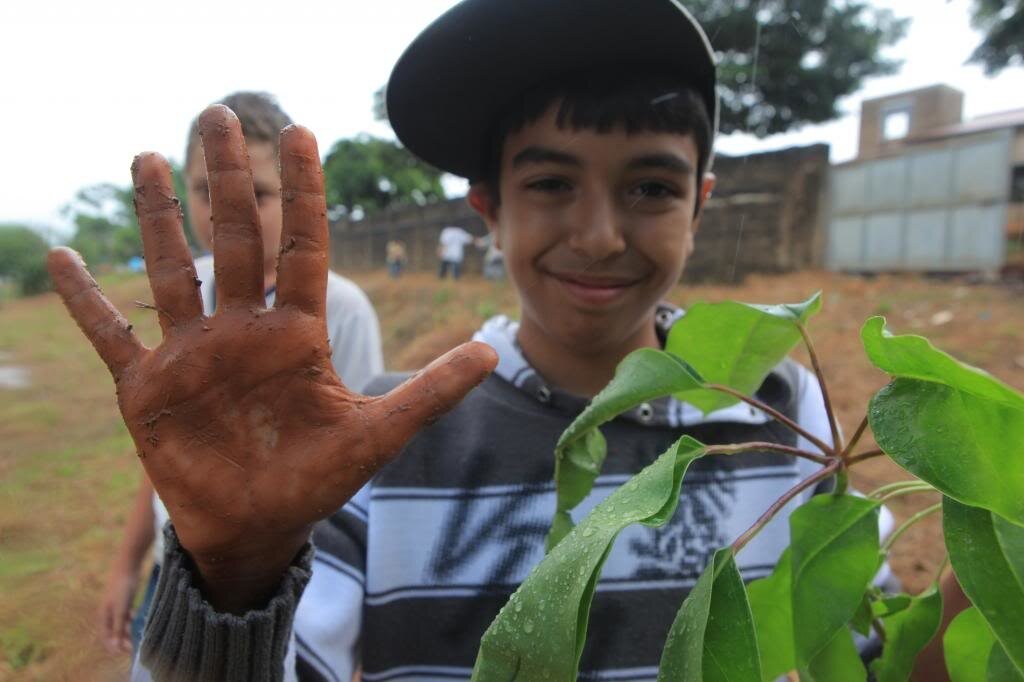
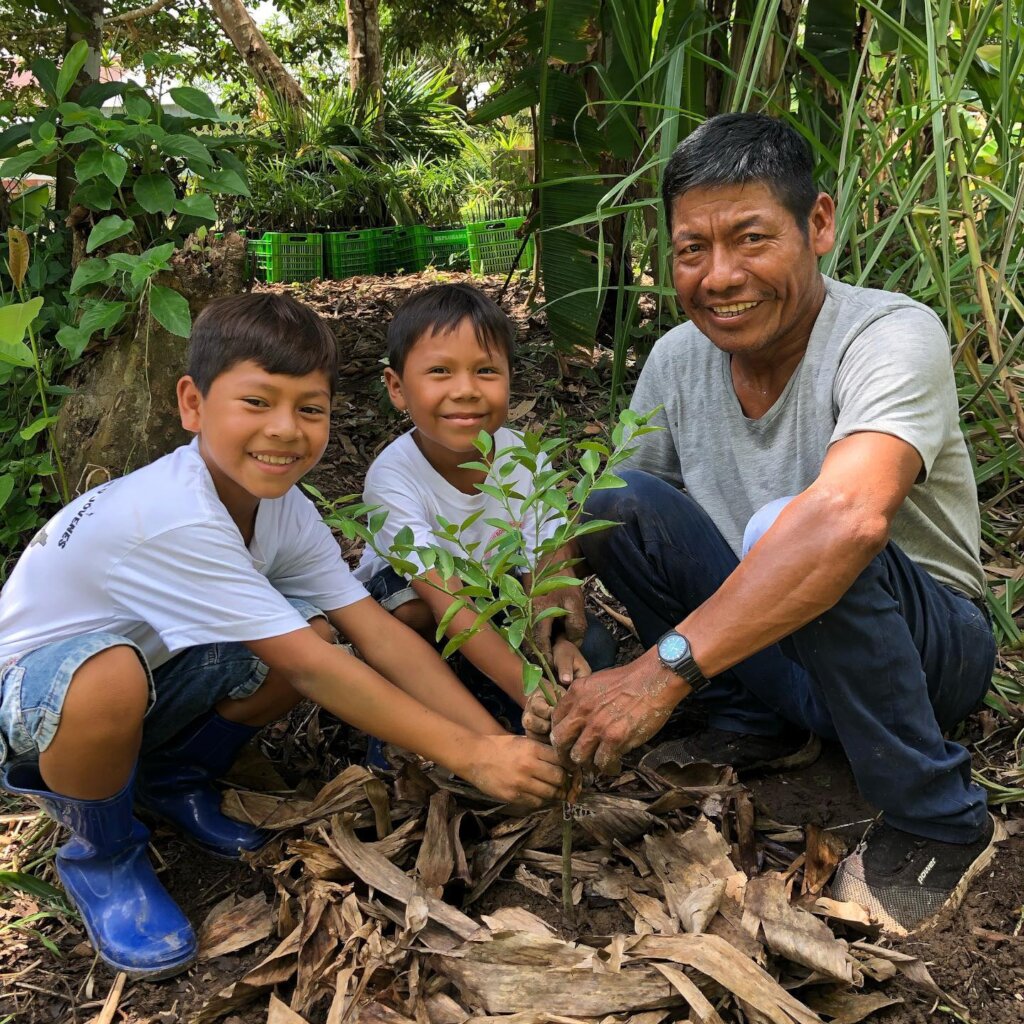
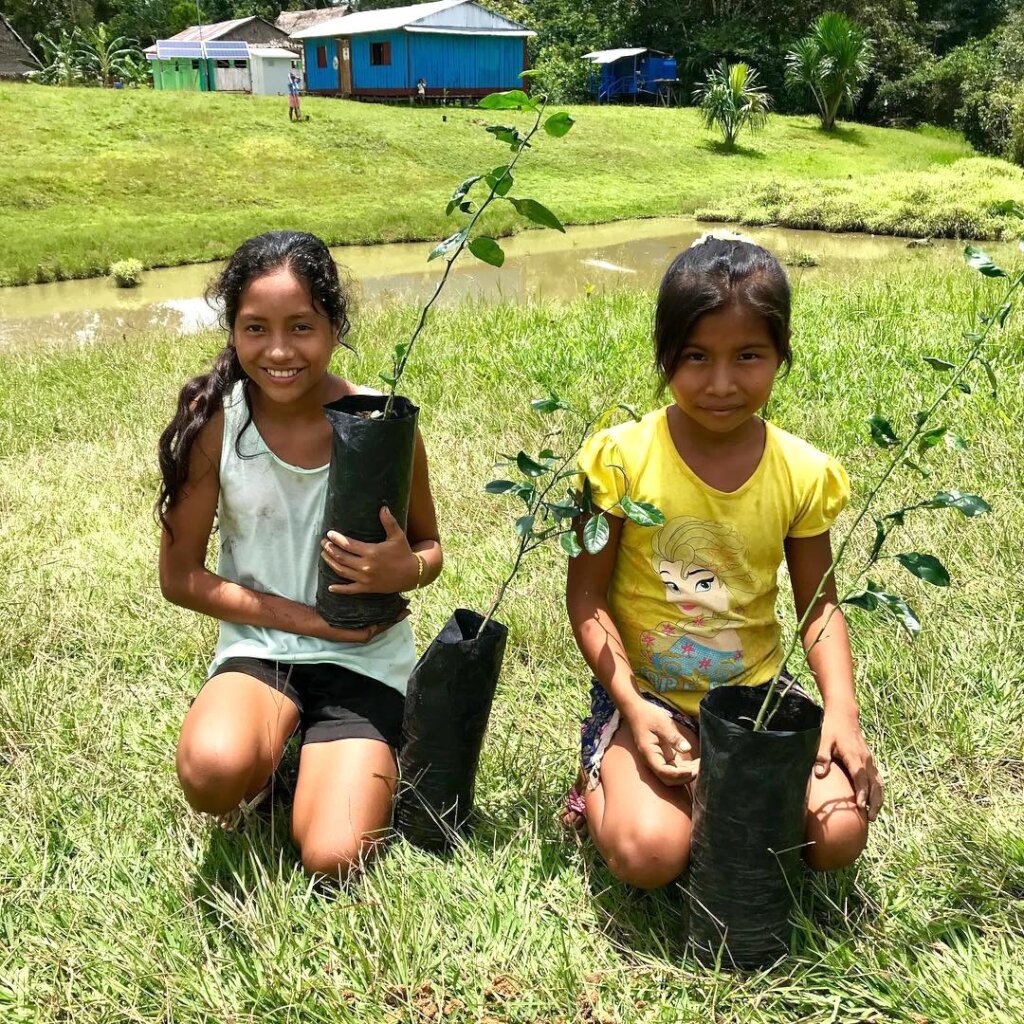
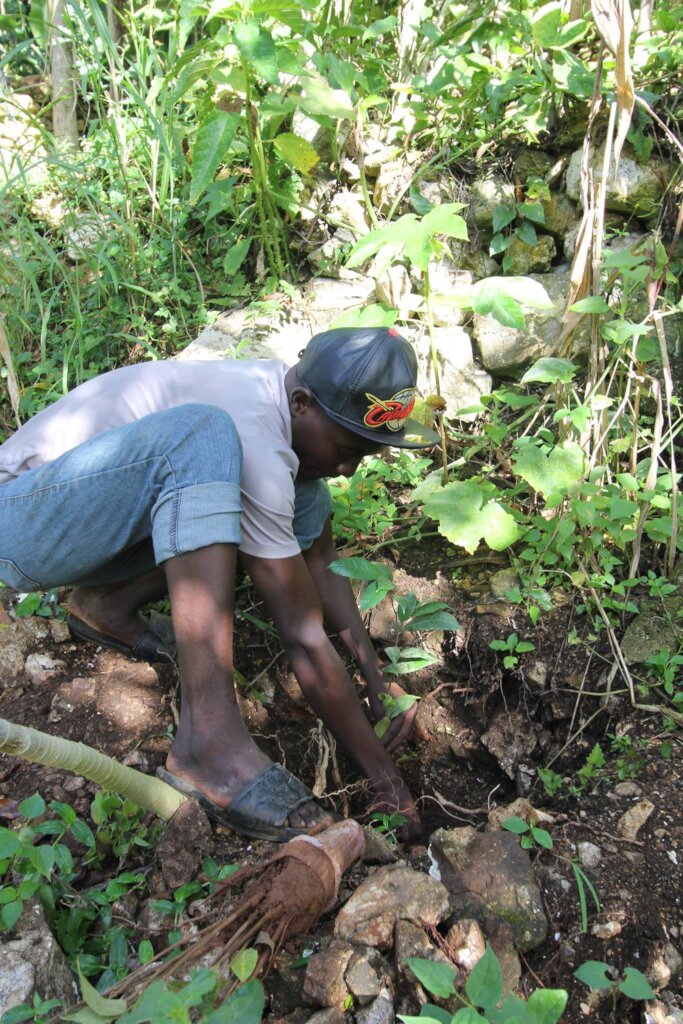
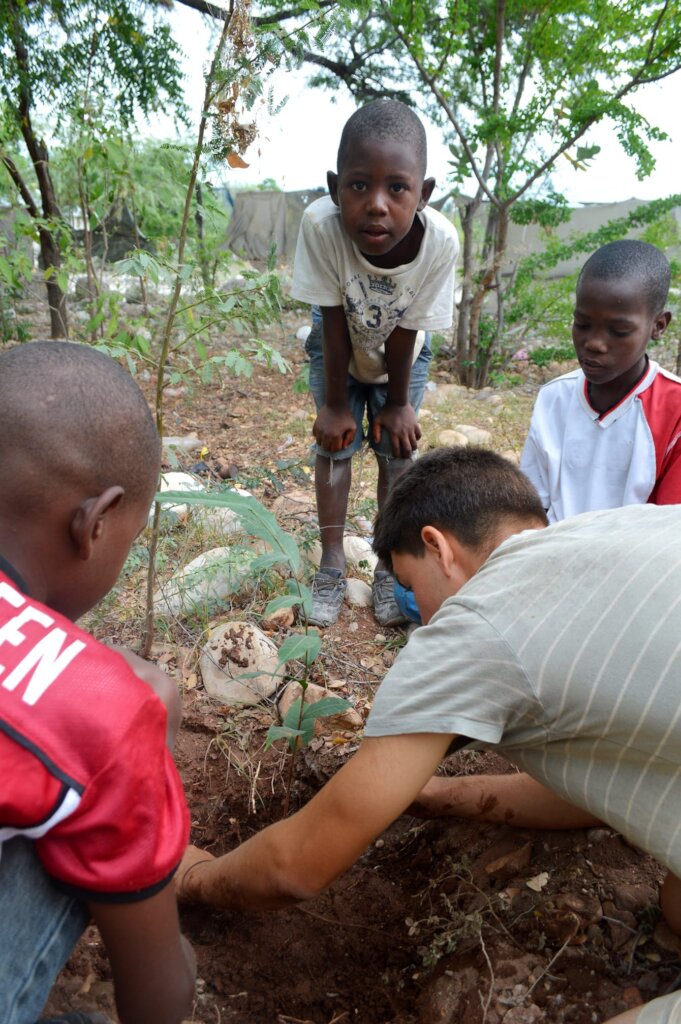
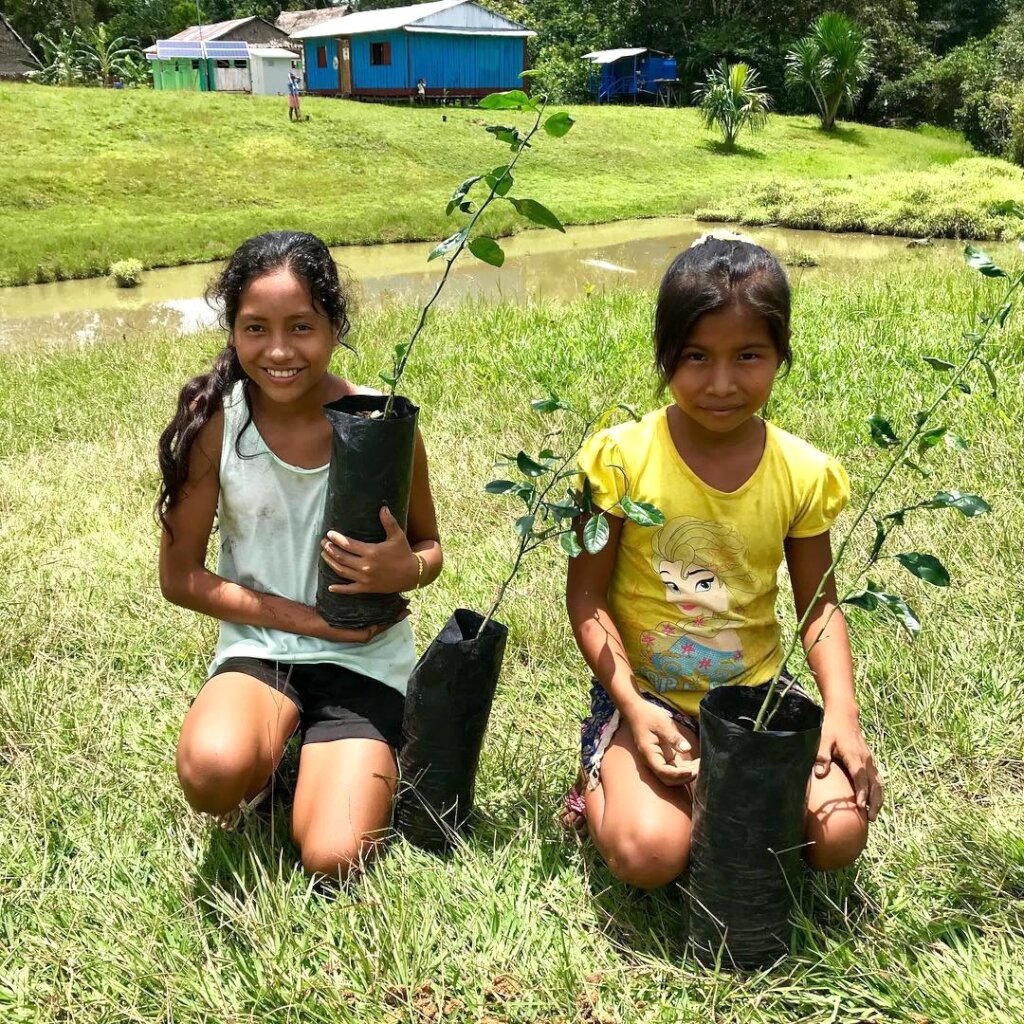
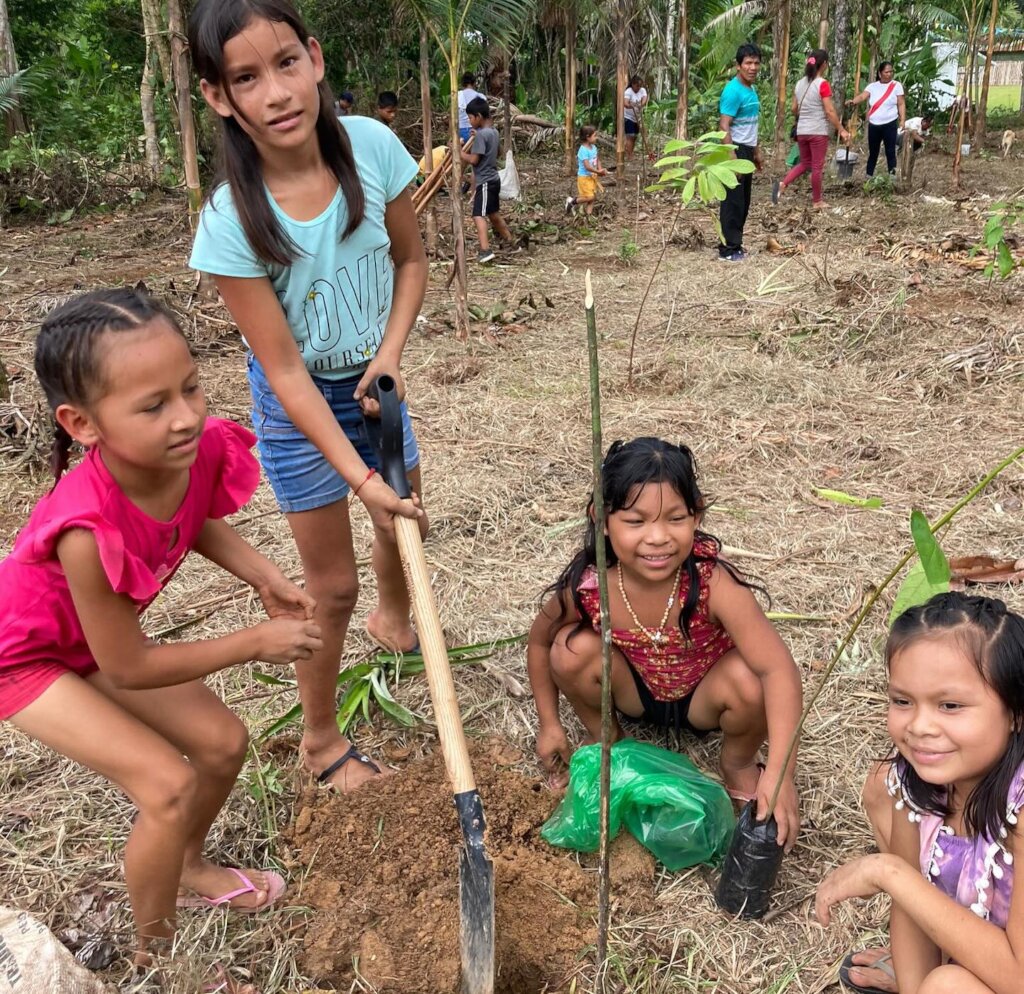
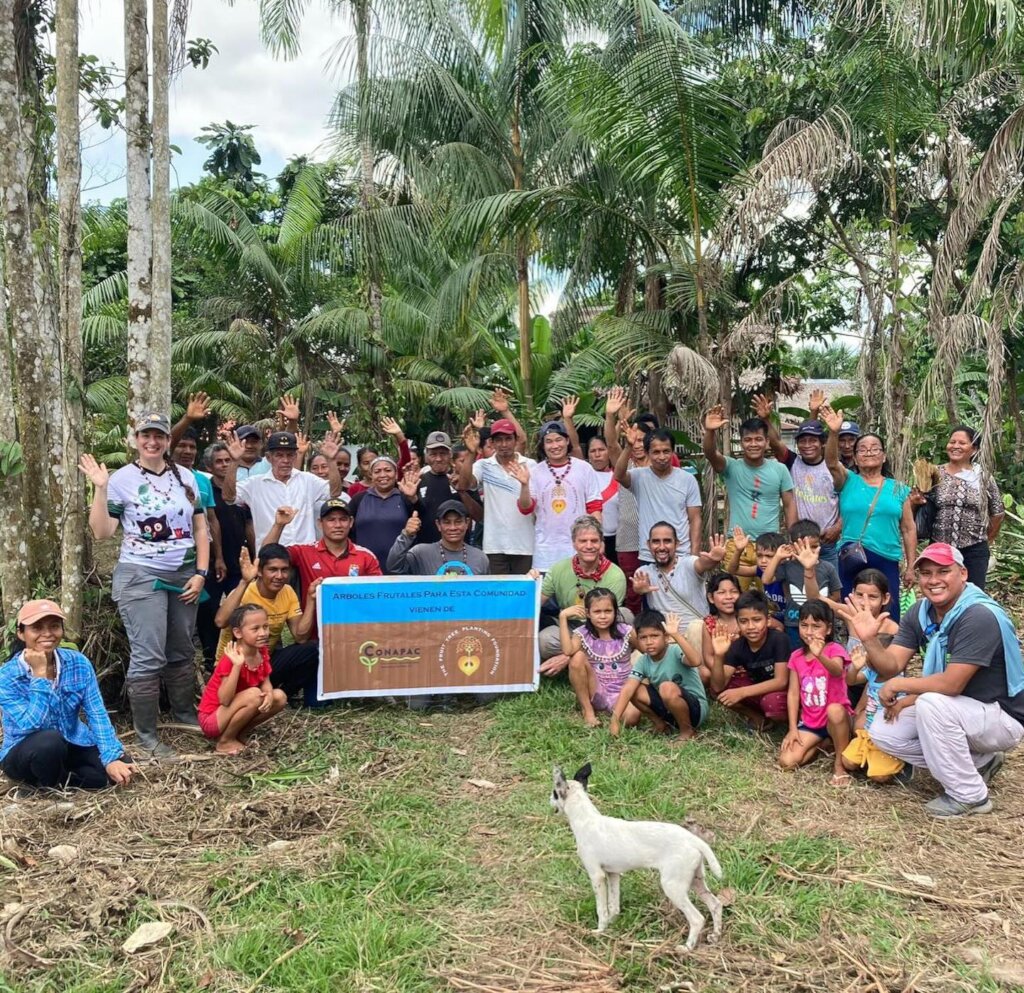
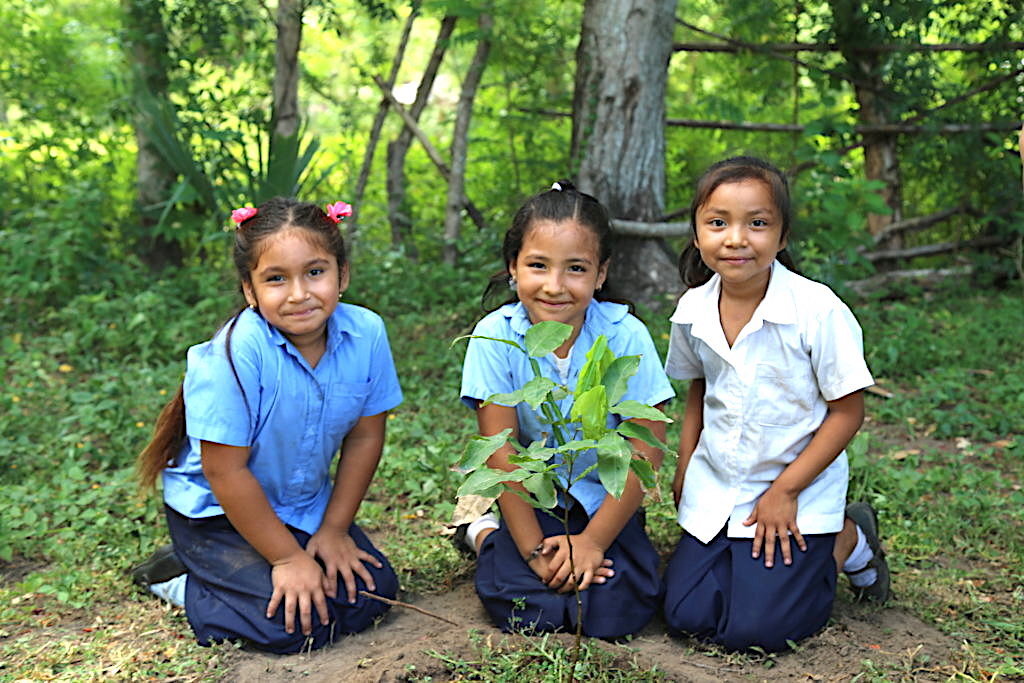
One of the standout tree planting projects our Food Tree Fund continues to support is a food security and reforestation initiative in the Amazon rainforest. Since 2019, through our partners the Fruit Tree Planting Foundation, A Well-Fed World has sponsored the planting of nearly 5,000 food trees for communities living in deforested regions of the Amazon. Plantings include school and community orchards as well as distribution of food trees to families who have requested them as a source of nutrition and income.
All trees planted are climate-adapted, region-appropriate, and high-yielding trees that are in demand economically, dietarily, and that will aid in reforestation. These include some well-known varieties like cacao, coconut, mandarin, bitter orange, Peruvian lime, acai, and passionfruit, but also many types of trees that are unique to the region and hold an important place in cultural traditions, including aguaje, camu camu, copadiba, copoazu, dragon’s blood, taperiba, ungurahui, uvilla, and uvos. With the vast majority of families in these communities earning less than $2 per day, the donated fruit and nut trees provide access to long-term, sustainable nutrition and income.
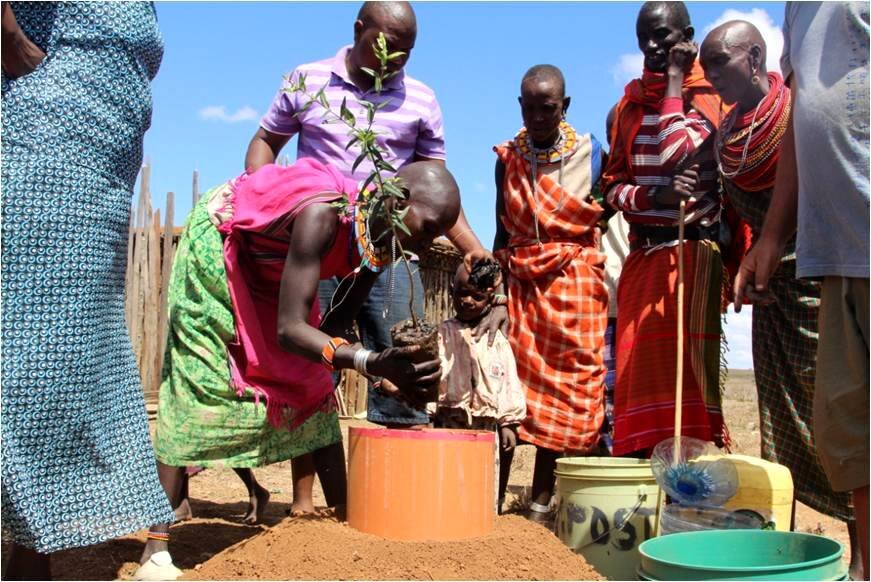
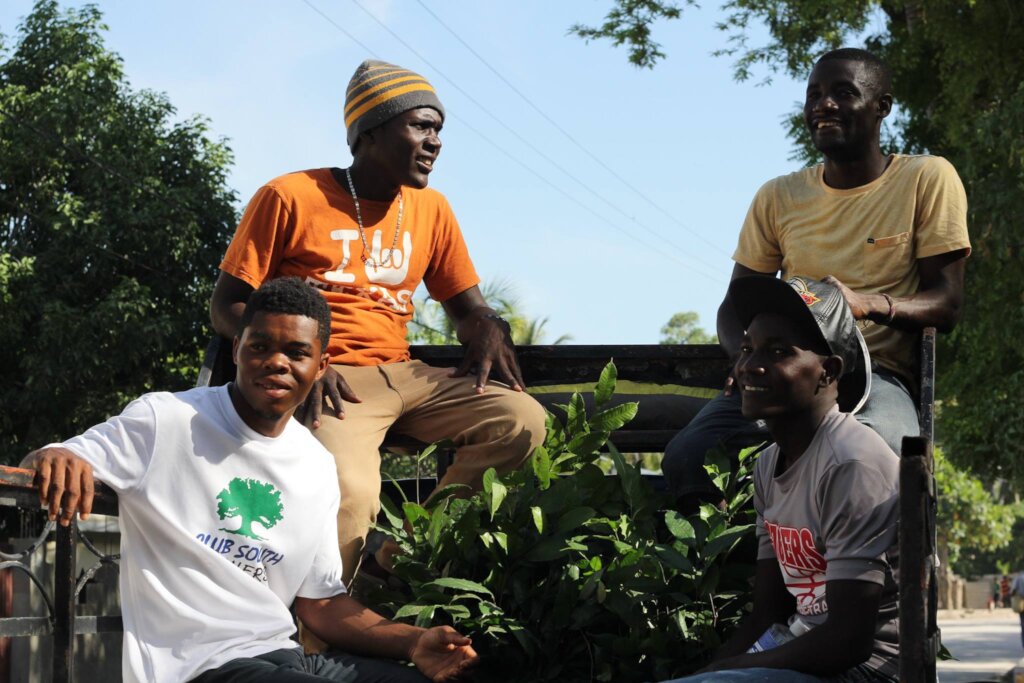
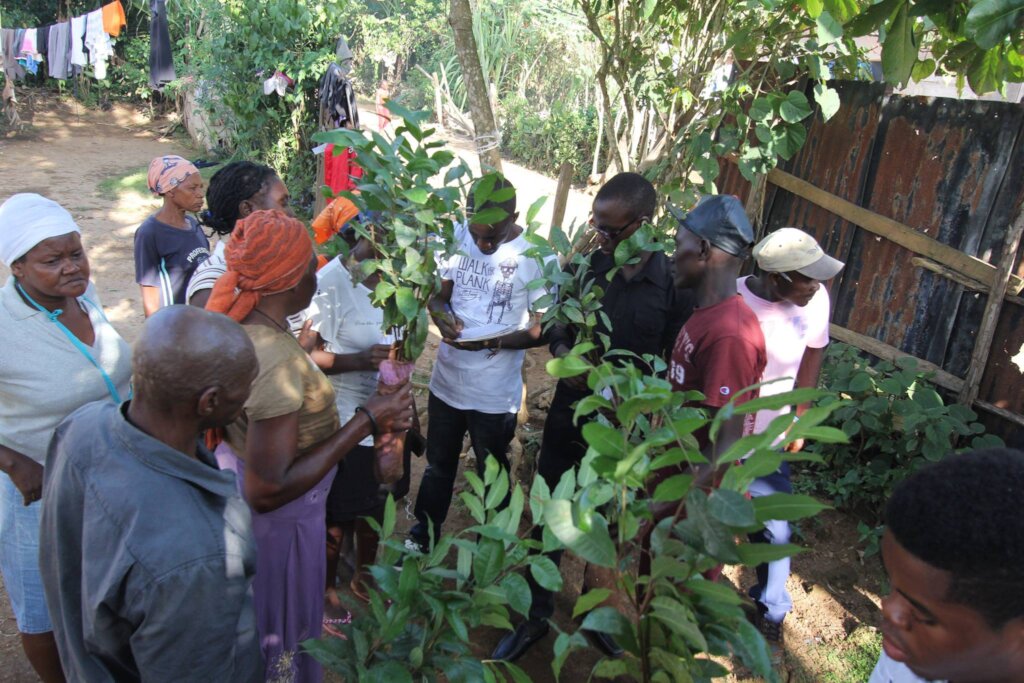
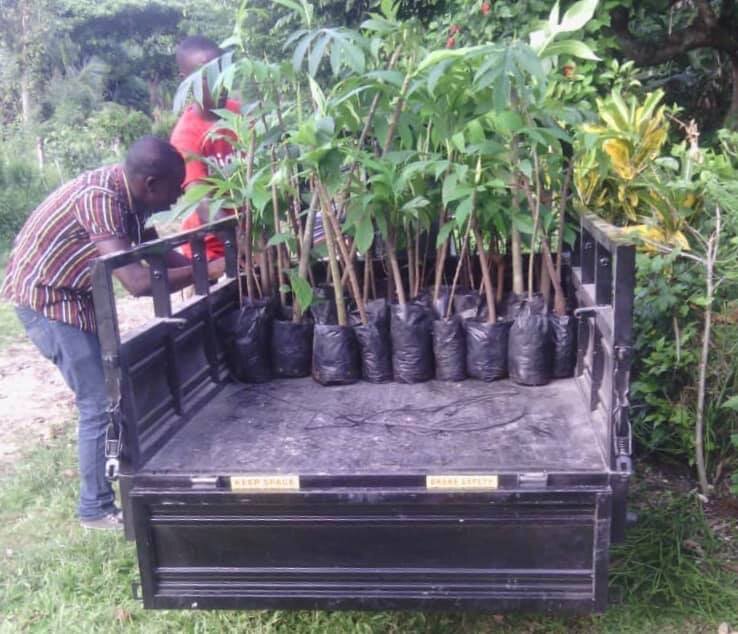
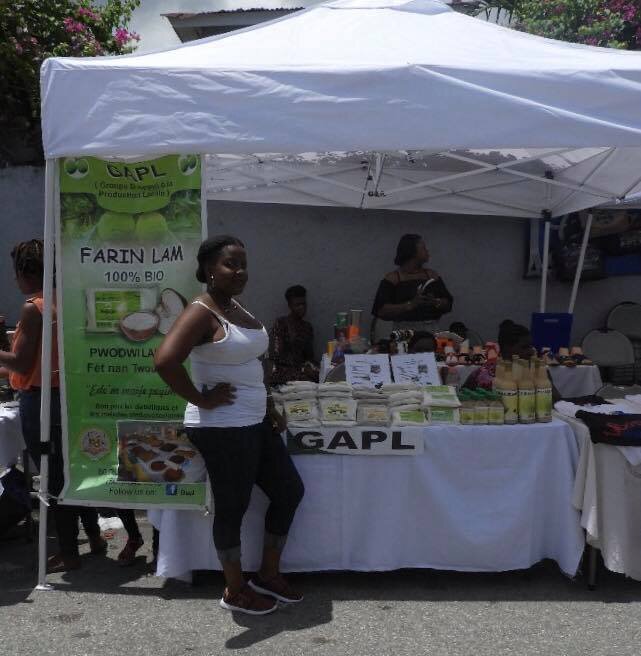
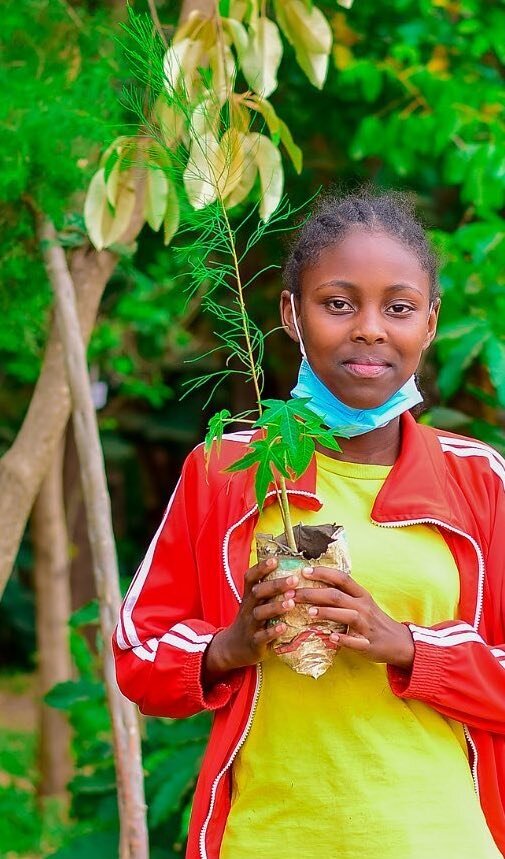
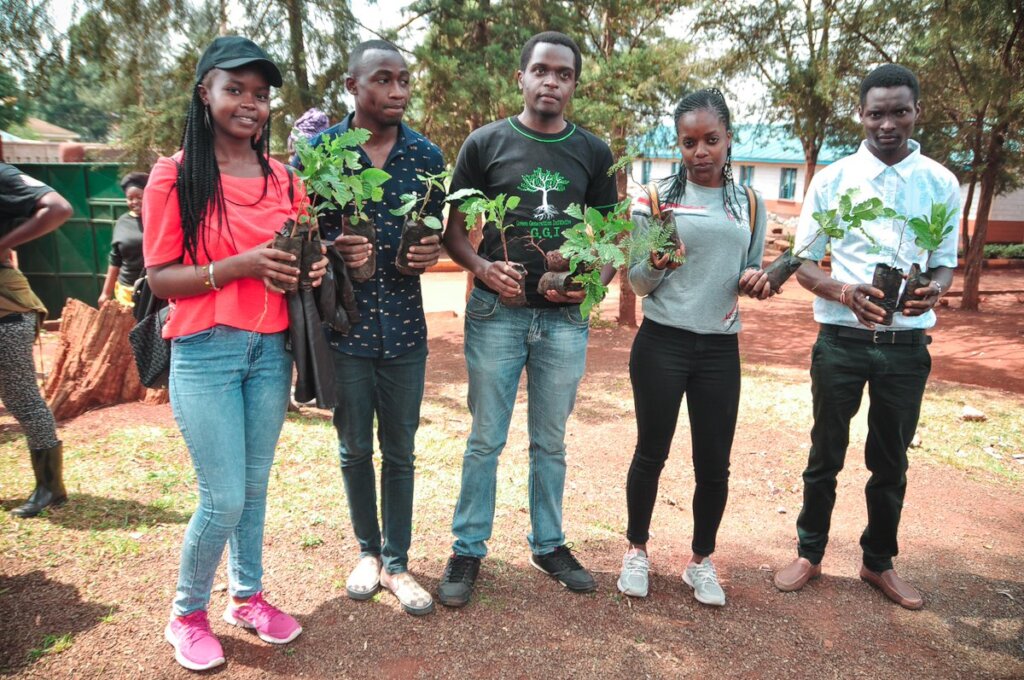
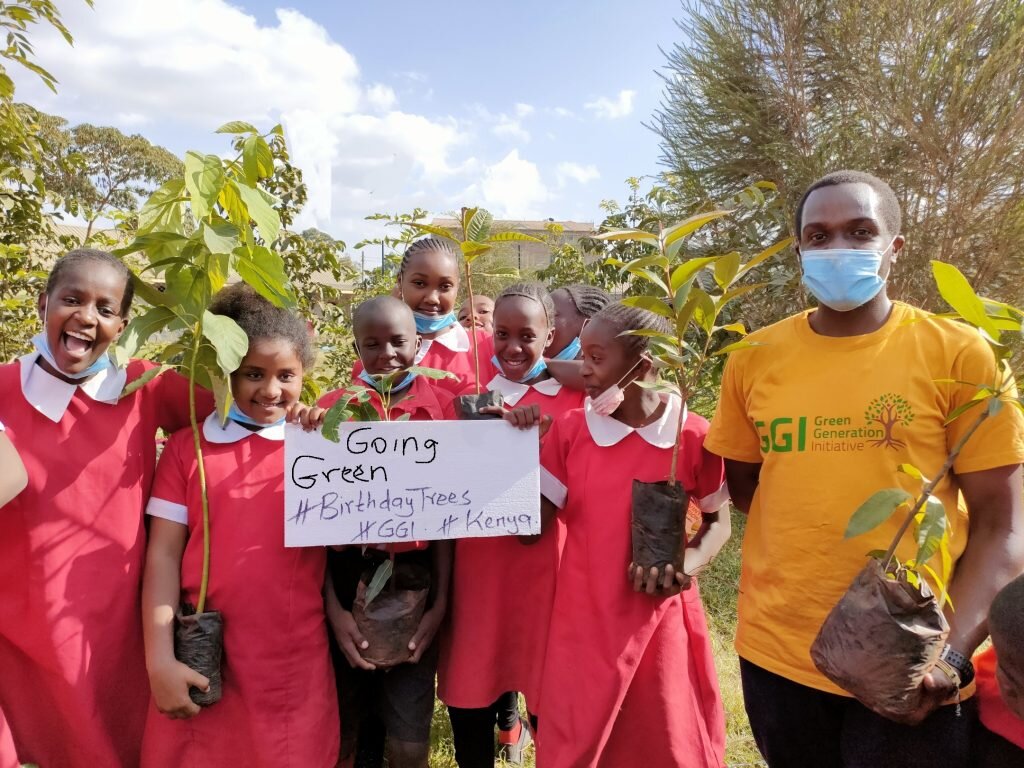
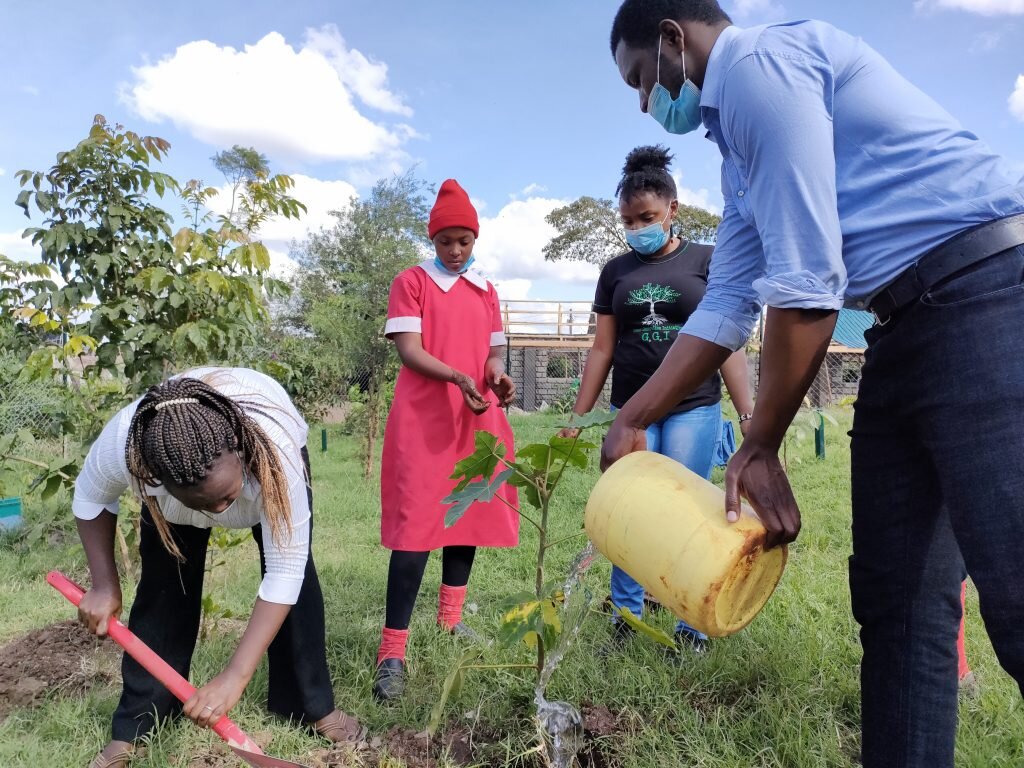
Other tree plantings our Food Trees for Climate and Hunger Fund supported in 2023 include school food forests in Kenya, and a Women’s Empowerment Program in Haiti that plants breadfruit trees and trains women to operate breadfruit bakeries, generating income for themselves and their families, and improving nutrition in their communities. Learn more in future Food Trees for Climate and Hunger updates later this year!
These are just a few of the many life-affirming projects A Well-Fed World’s Plants-4-Hunger program was able to support with your assistance, and we hope to do even more in 2024. Thank you so much for your generosity and compassion, and for sharing and supporting our vision for a world that is healthy, well-fed, and kind…all at the same time.
Links:
Project reports on GlobalGiving are posted directly to globalgiving.org by Project Leaders as they are completed, generally every 3-4 months. To protect the integrity of these documents, GlobalGiving does not alter them; therefore you may find some language or formatting issues.
If you donate to this project or have donated to this project, you can receive an email when this project posts a report. You can also subscribe for reports without donating.