By Ashley Capps | Project Leader
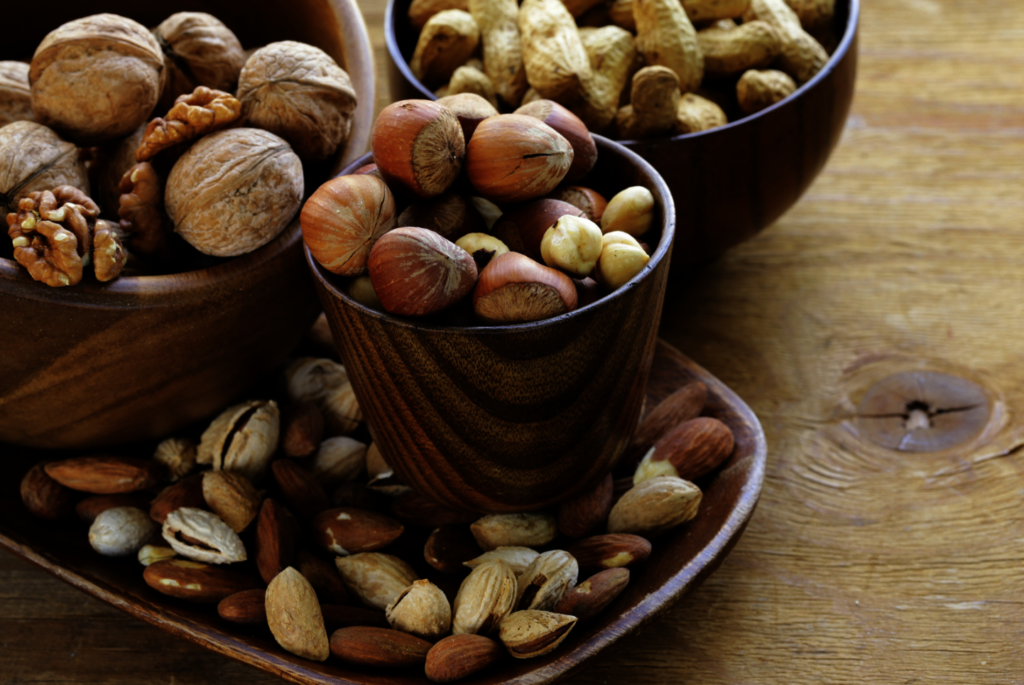
We're so grateful to supporters of our Food Trees for Climate & Hunger Fund. As we move into a new year, we thought you might like to know some of the many amazing benefits of food trees for people, animals and the planet. In today's dispatch, we shine a spotlight on native nut trees!
Native nut trees are sustainability superheroes. Their deep root systems actively seek out nutrients and water, making them less vulnerable to drought and less needful of irrigation; many native nut trees easily thrive on nothing but rain! Tree roots also hold dirt in place, reducing erosion, and prevent fertilizers from washing off and polluting waterways.
Because nuts are high in protein, they are also an excellent meat and dairy alternative, while using only a small fraction of the amount of land. This, along with their carbon sequestration and provision of much-needed habitat for wildlife, means nut trees (and many other food trees) uniquely address the triple crises of global hunger, climate change, and biodiversity loss.
Climate scientists have urged large-scale tree planting and protection of intact forests as crucial to mitigate global warming, while the UN has warned we will need to produce 70% more food by 2050 without using any more land. Protecting forests and planting trees at this scale will only be possible through major reductions in animal-food-related land use; animal farming uses a staggering 80% of all agricultural land while producing only 18% of global calories, and is the single greatest driver of deforestation. Habitat loss due to clearing land for grazing and animal feed crops is also recognized as the number one driver of wildlife species extinction.
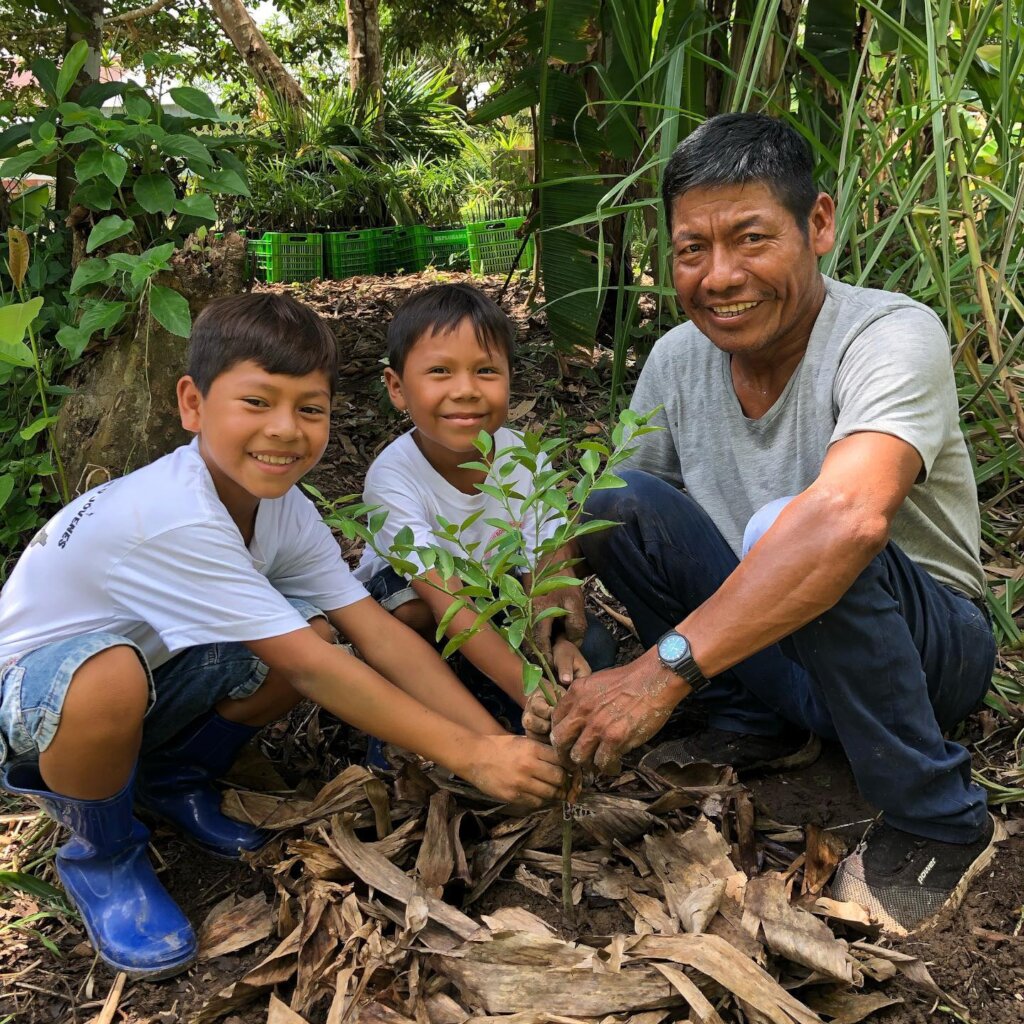
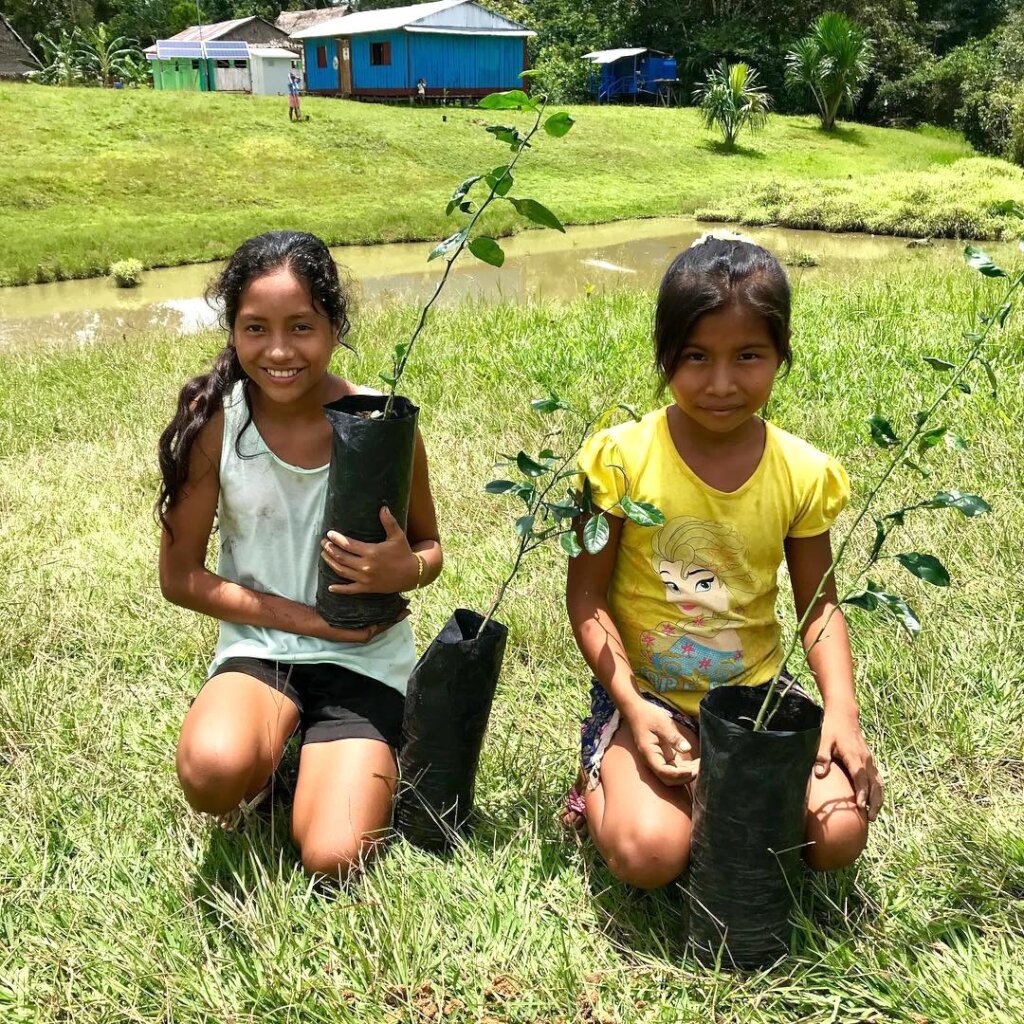
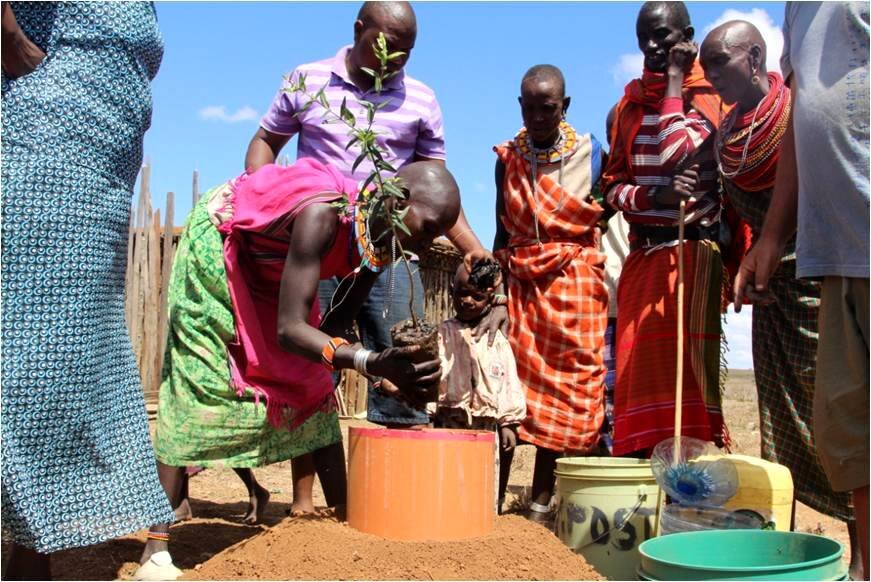
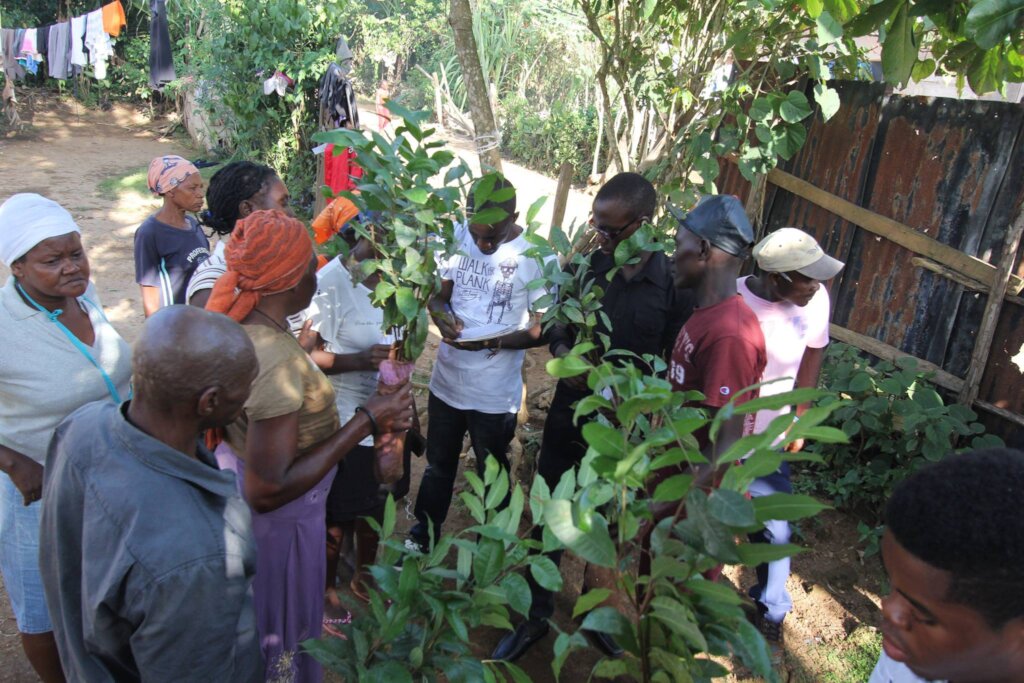
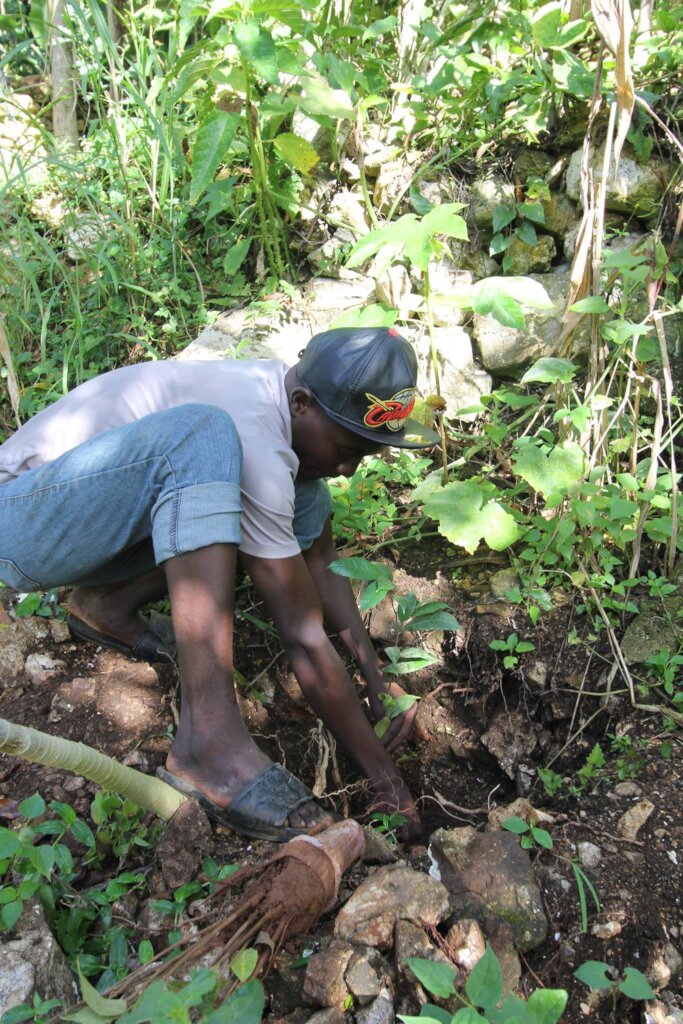
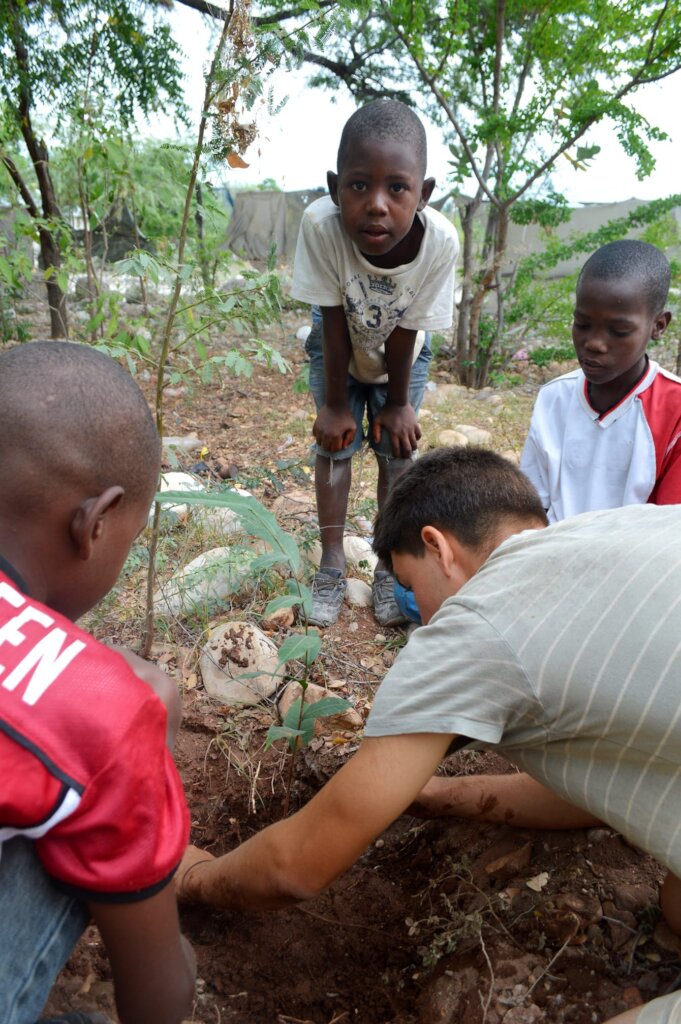
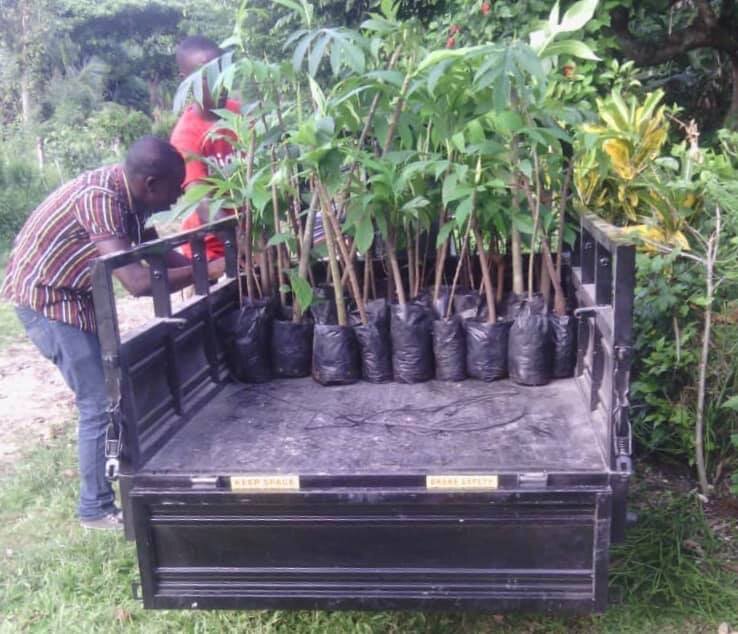
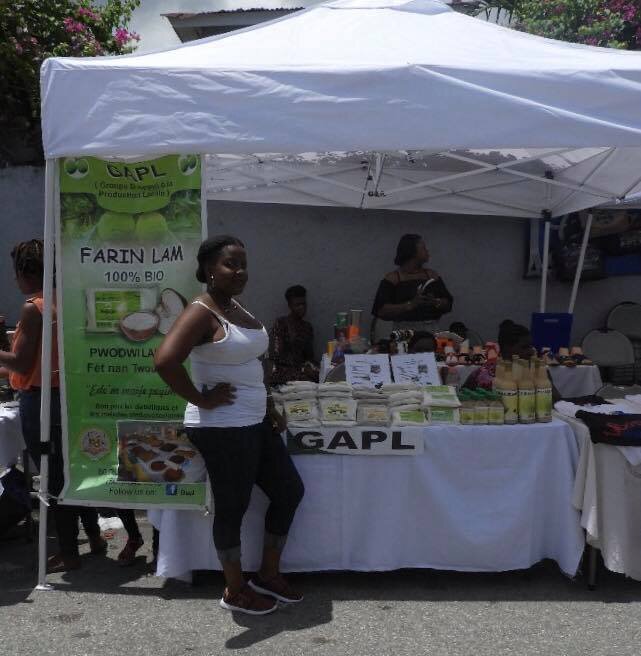
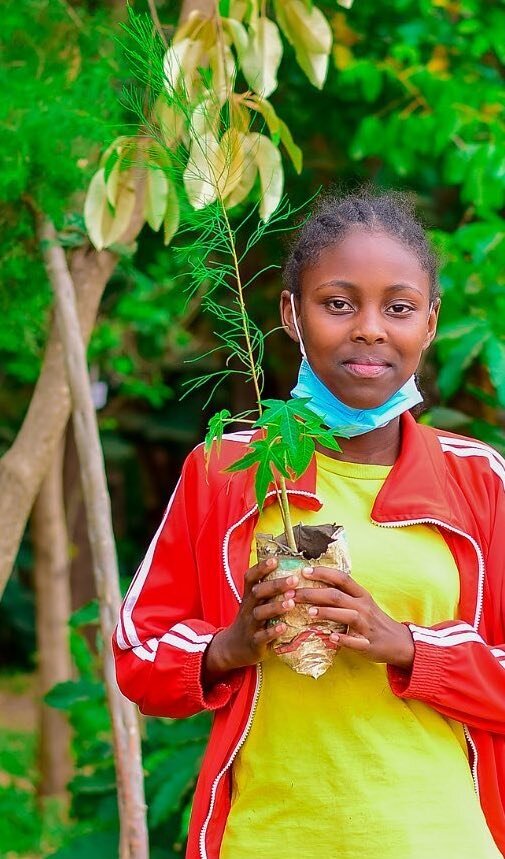
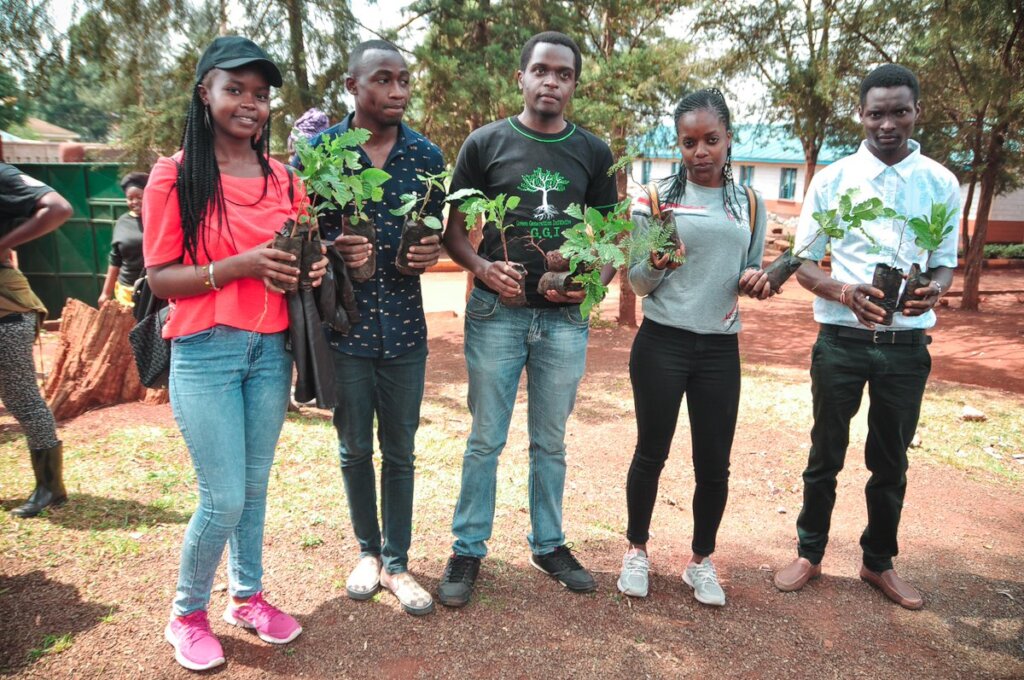
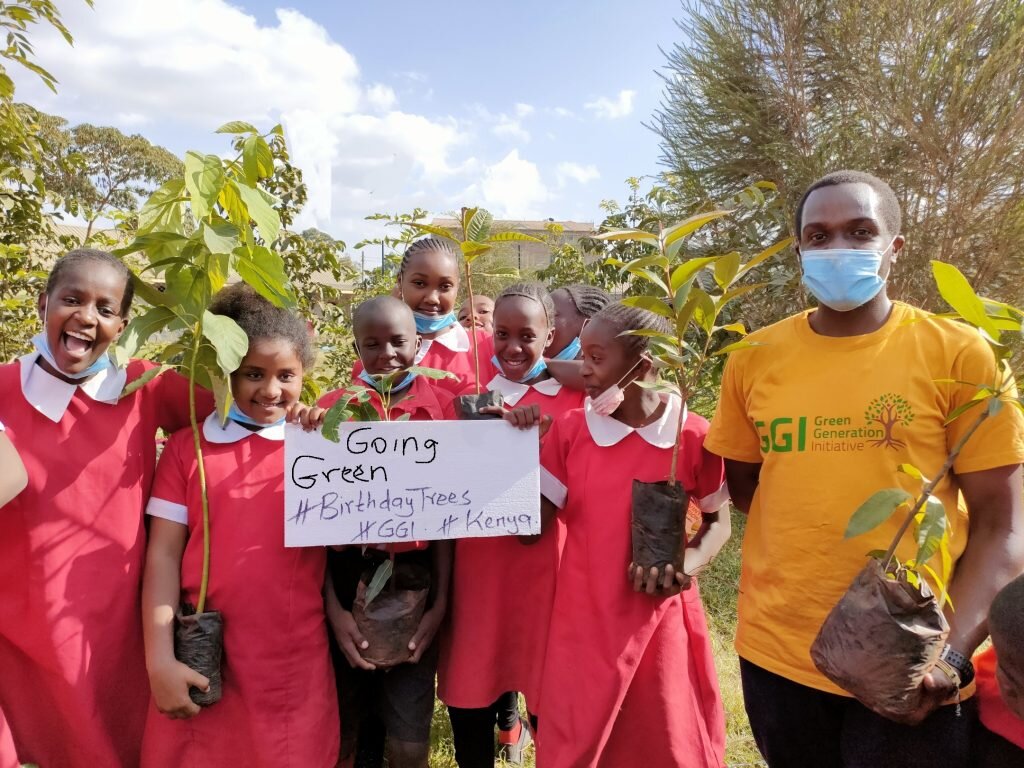
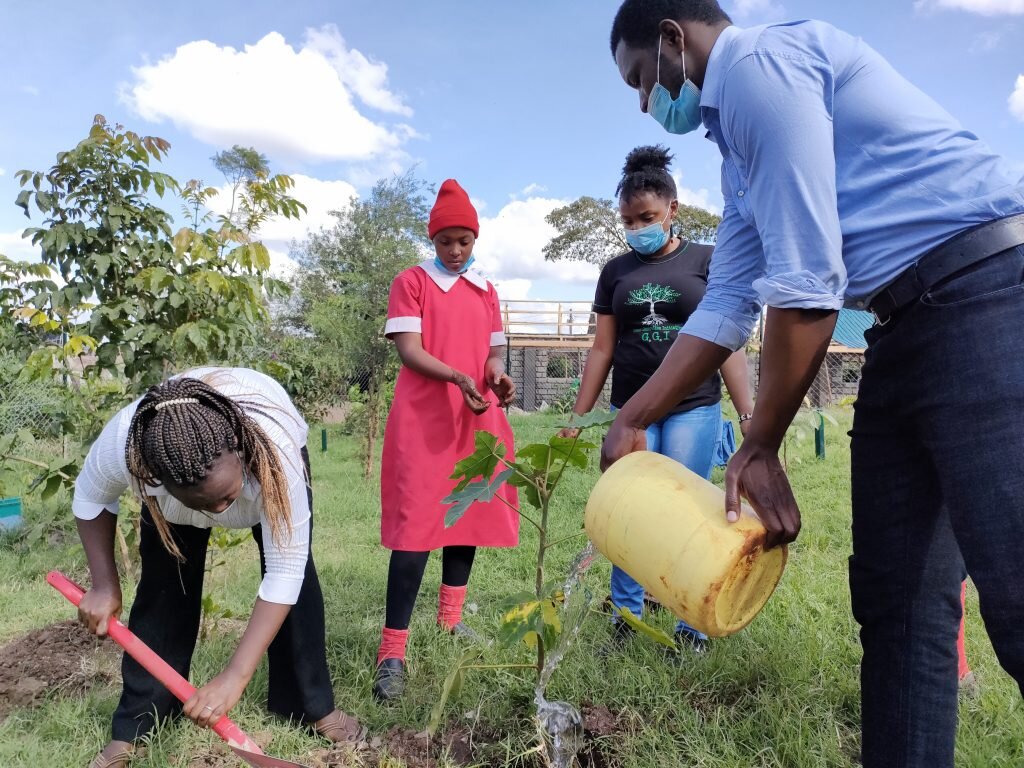
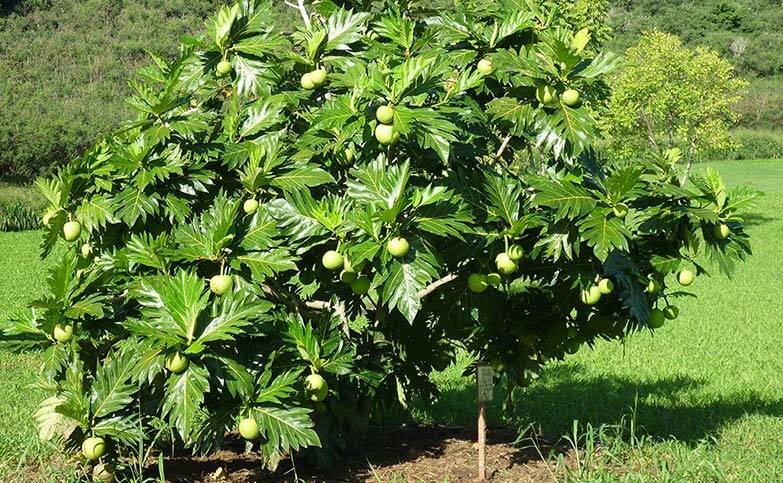
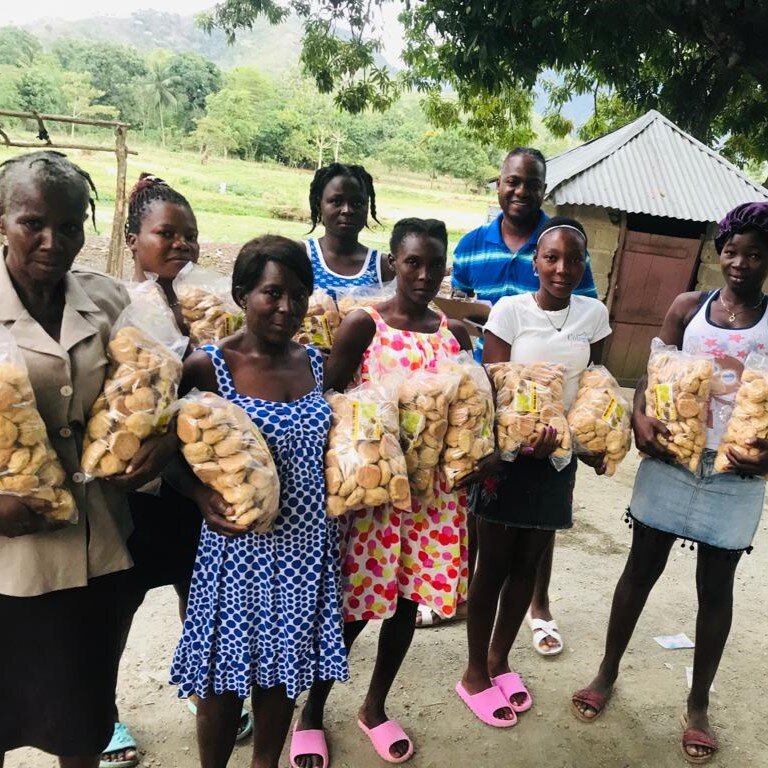
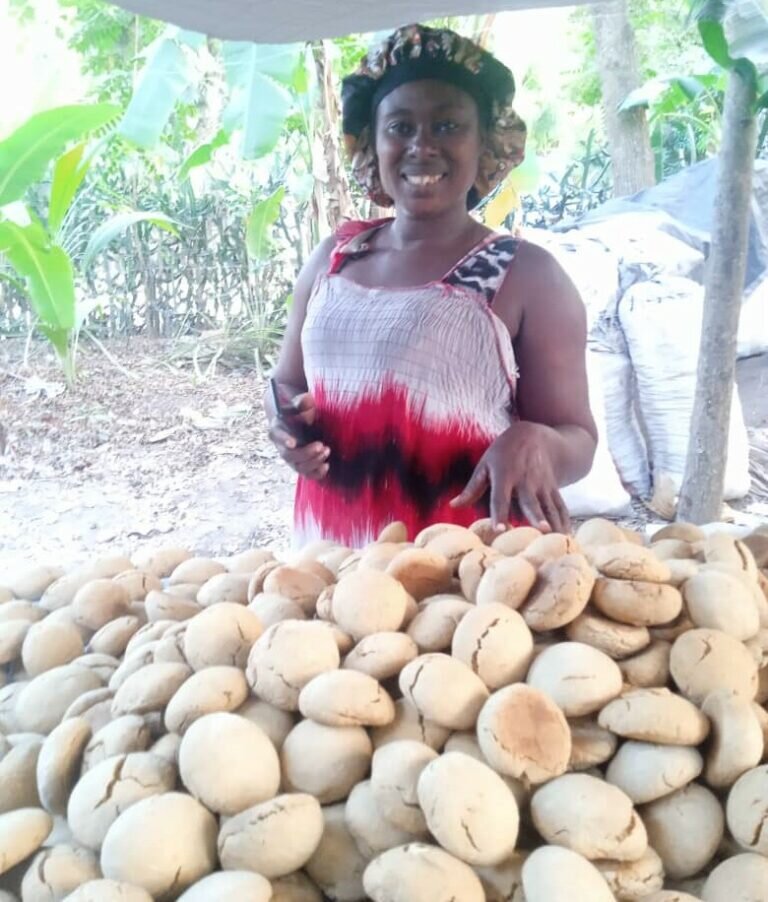
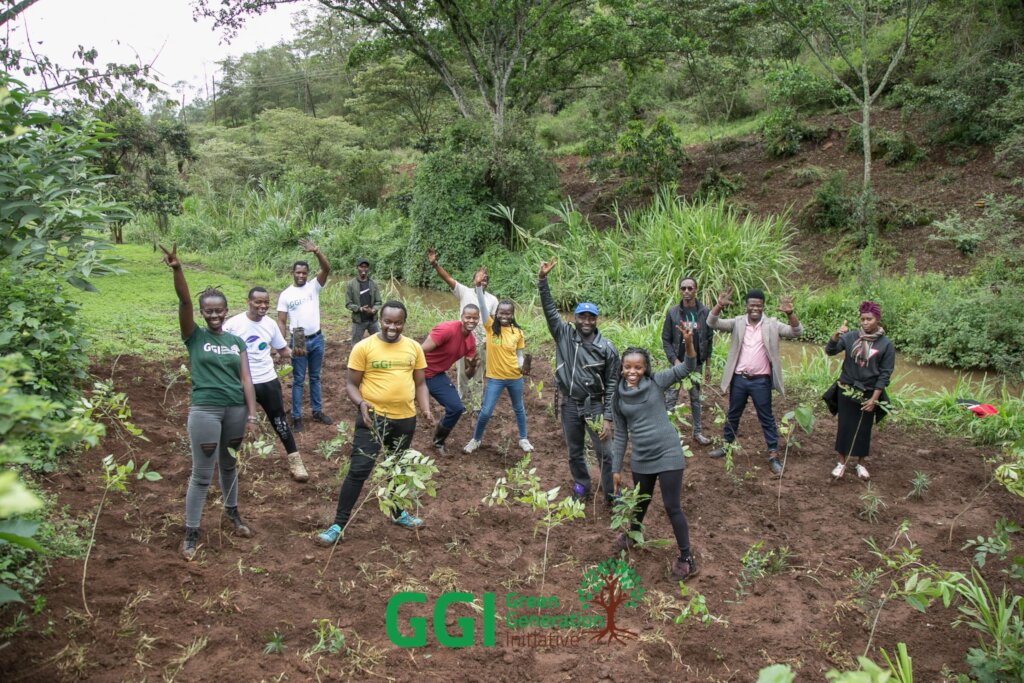
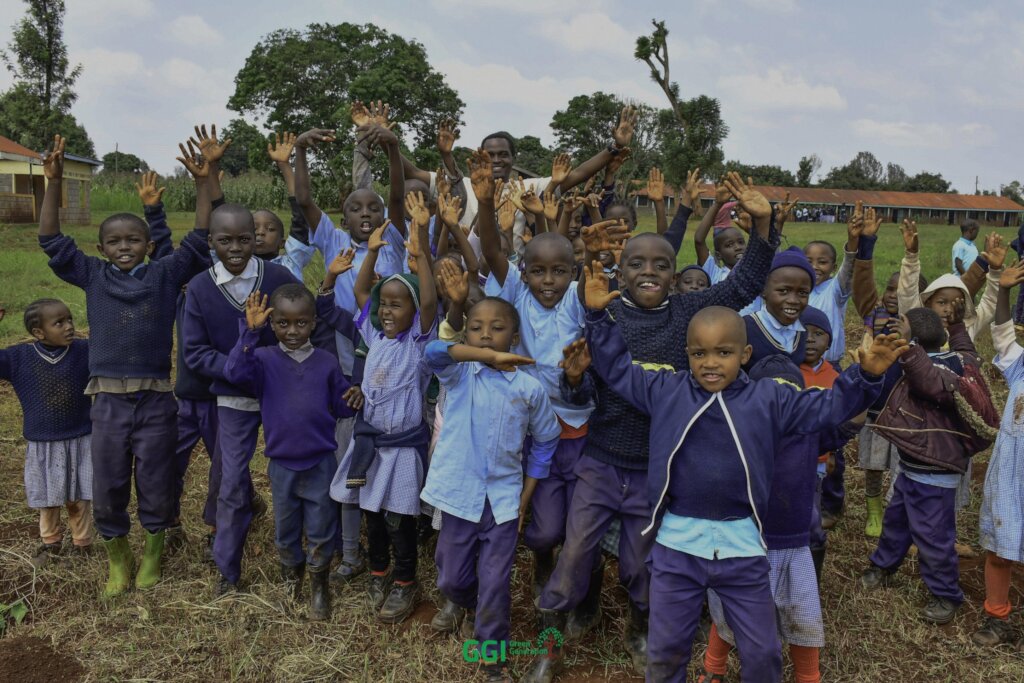
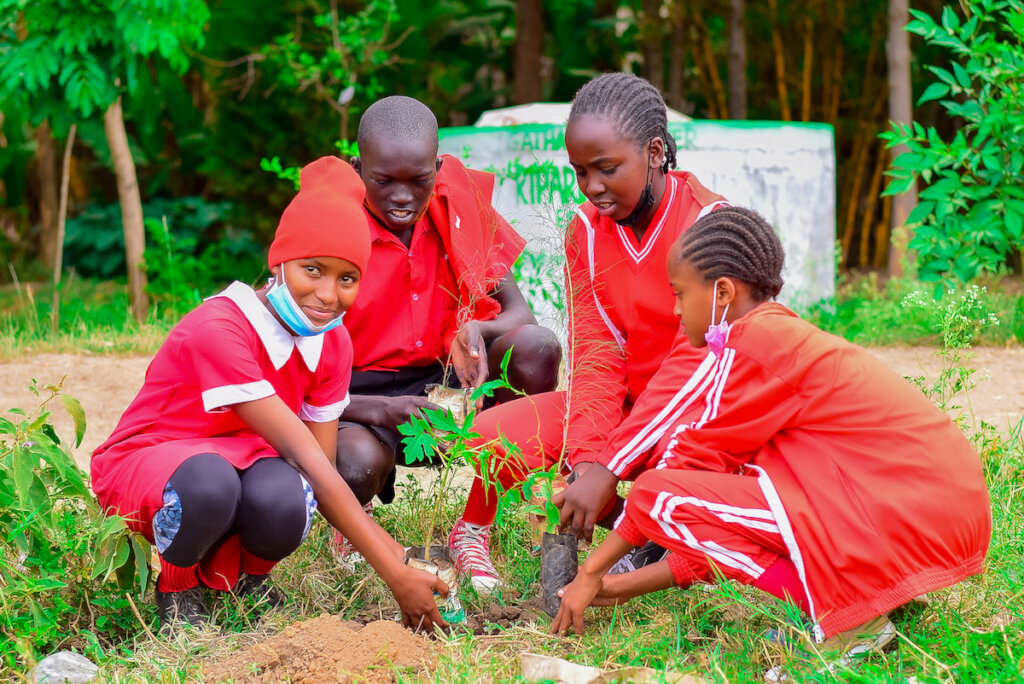
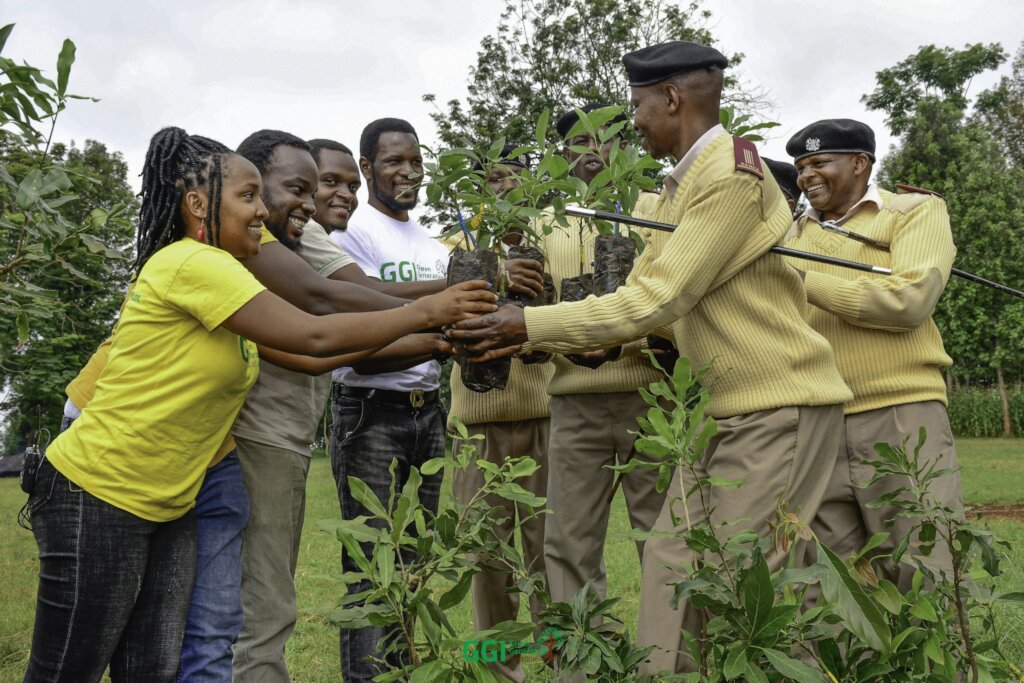
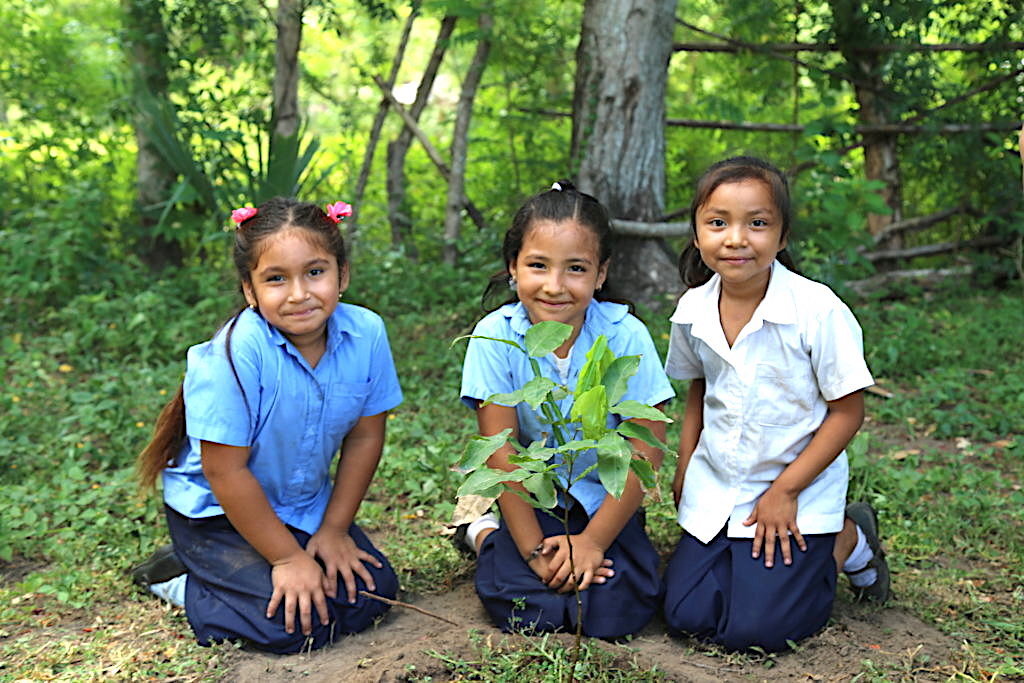
Planting native nut trees and other food trees meaningfully mitigates both climate change and biodiversity loss while improving human health and global food security, and sparing animals. Nut trees also provide food and income while reducing widespread deforestation driven by animal agriculture. Our Food Trees for Climate & Hunger Fund supports food tree and food forest plantings around the world, including communities in Peru, Brazil, Haiti, Barbados, Kenya and the U.S. Projects have included reforestation with native fruit and nut trees in deforested regions of the Amazon rainforest, and fruit and nut trees for school food forests in more than 35 schools across Kenya.
Thank you so much for partnering with us in our mission to help build a world that is healthy, well-fed, and kind...all at the same time.
With gratitude,
Your friends at A Well-Fed World
Links:
By Ashley Capps | Project Leader
By Ashley Capps | Project Leader
Project reports on GlobalGiving are posted directly to globalgiving.org by Project Leaders as they are completed, generally every 3-4 months. To protect the integrity of these documents, GlobalGiving does not alter them; therefore you may find some language or formatting issues.
If you donate to this project or have donated to this project, you can receive an email when this project posts a report. You can also subscribe for reports without donating.