By Tiziana Tedoldi | General Manager
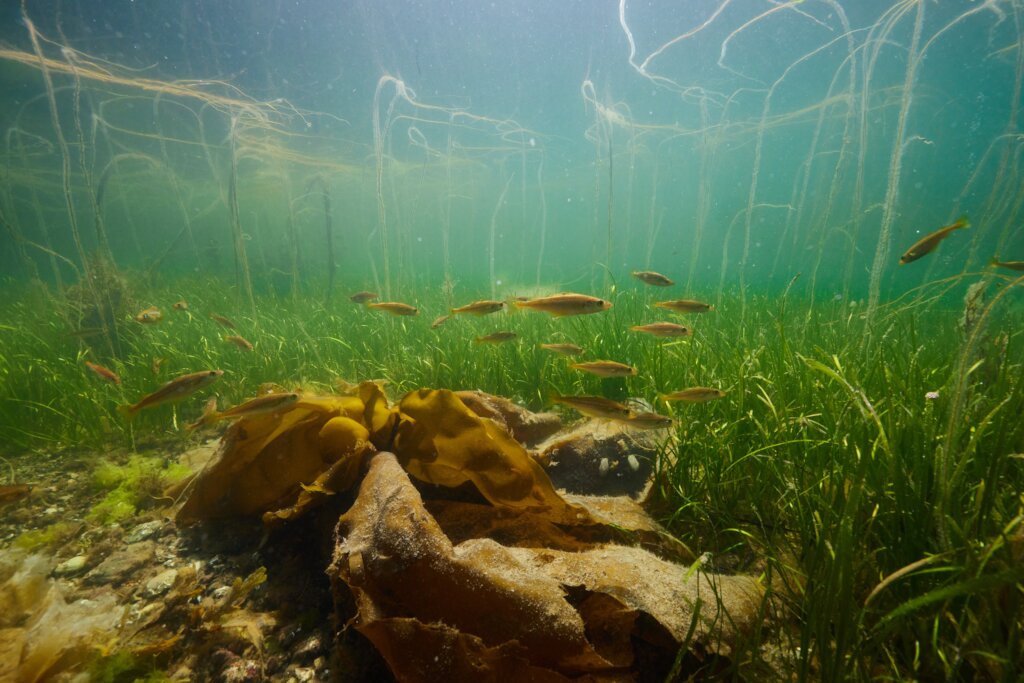
2025 has been another cracking year for our seagrass restoration project. After four years of trialing different restoration methodologies, with mixed success, we now have conclusive proof that the translocation of seagrass shoots can lead to the rapid growth of seagrass meadows.
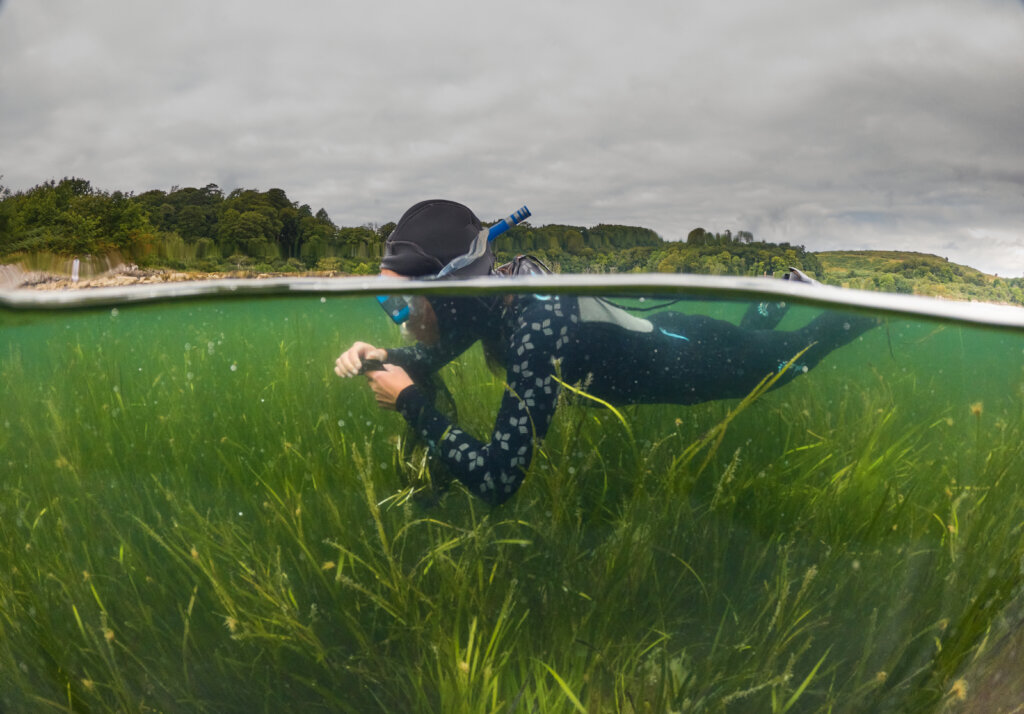
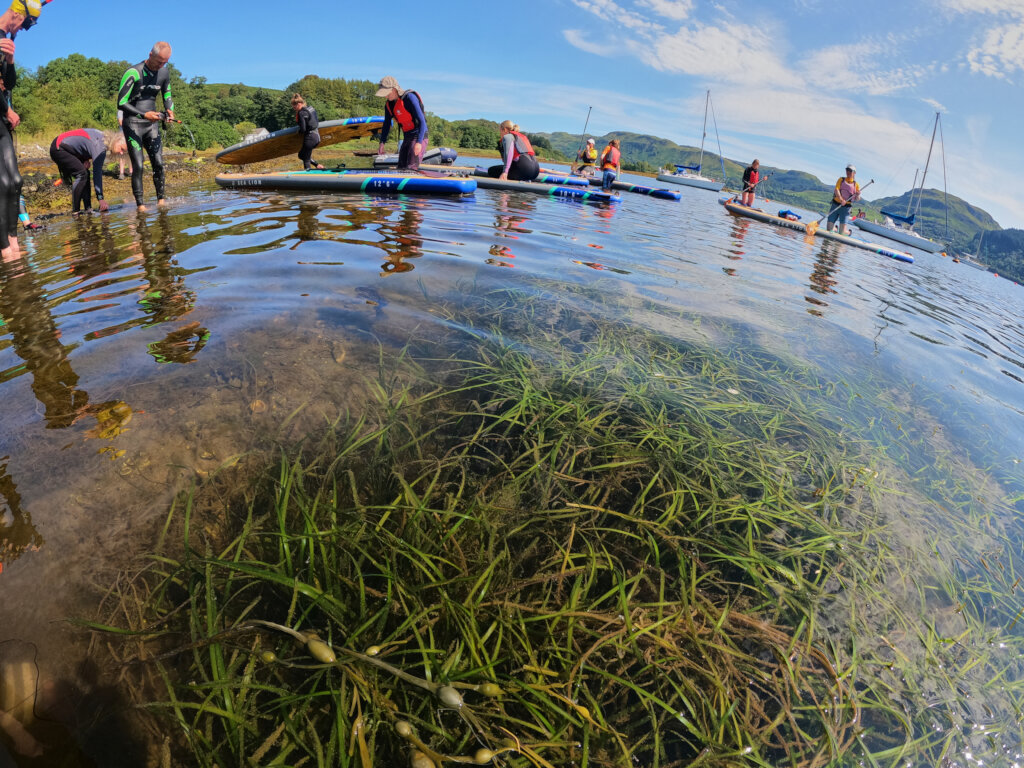
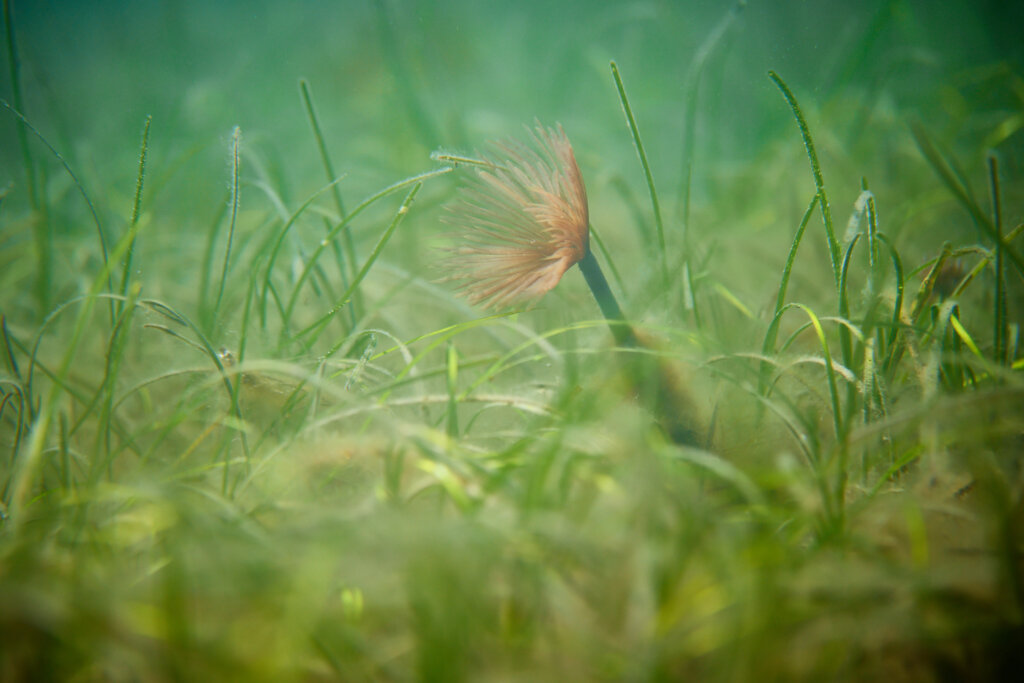
Seagrass is the ocean’s only flowering plant and plays a vital role in supportingmarine biodiversity as well as being an important carbon sink, yet it has been disappearing at an alarming rate since the 1900s. Efforts to restore seagrass are dogged by failure, but Seawilding’s new methodology is showing unprecedented success.
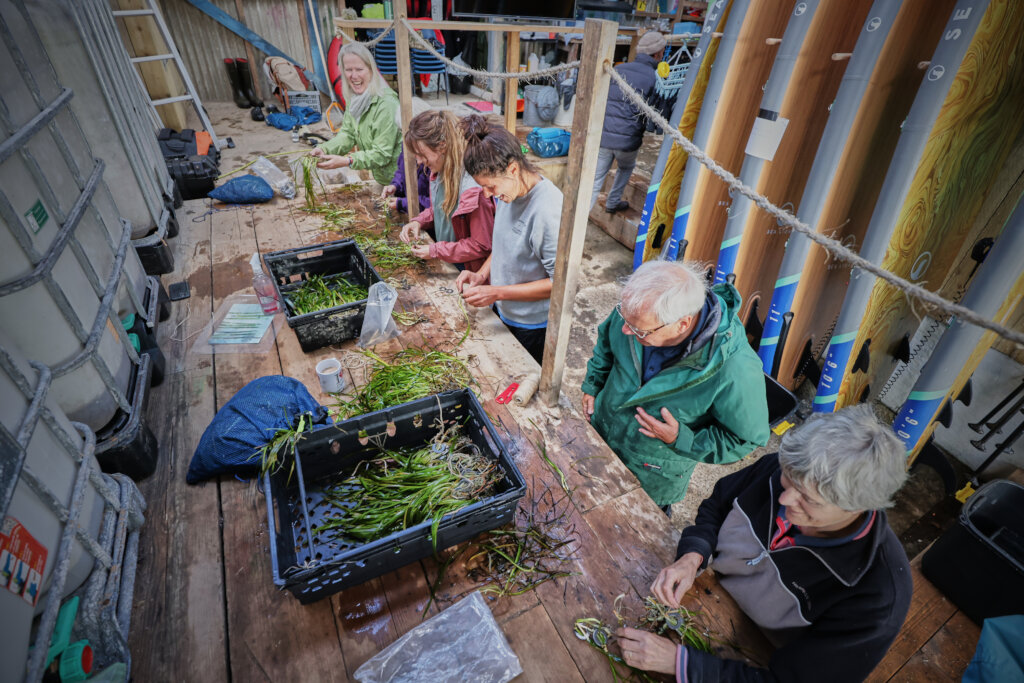
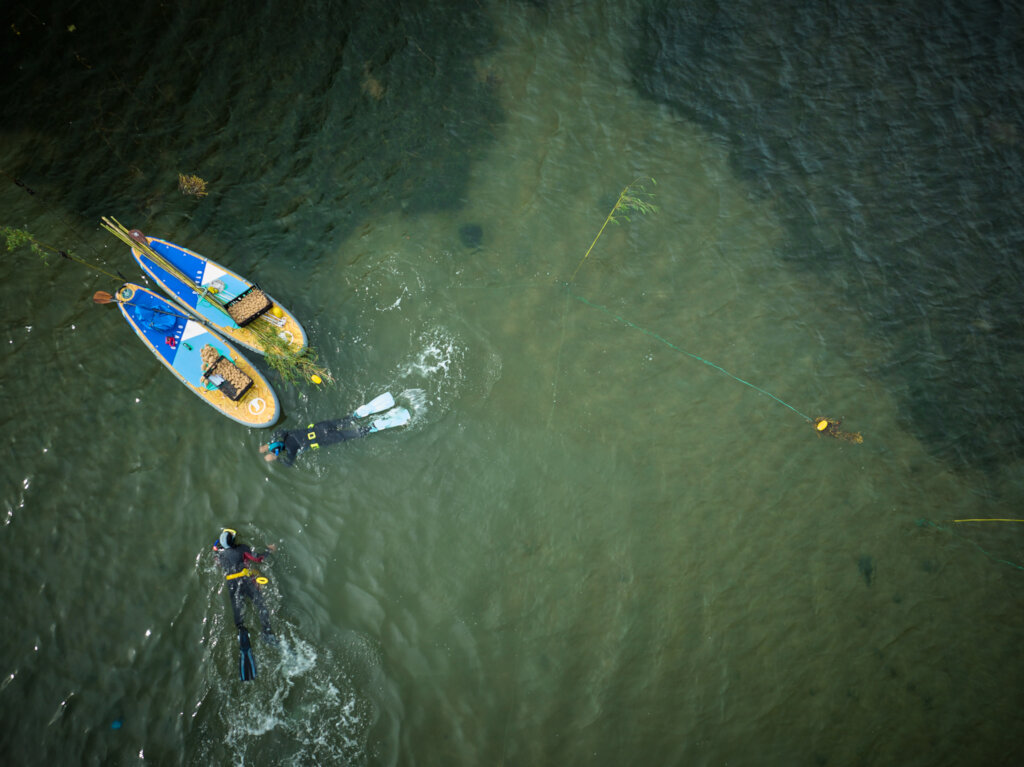
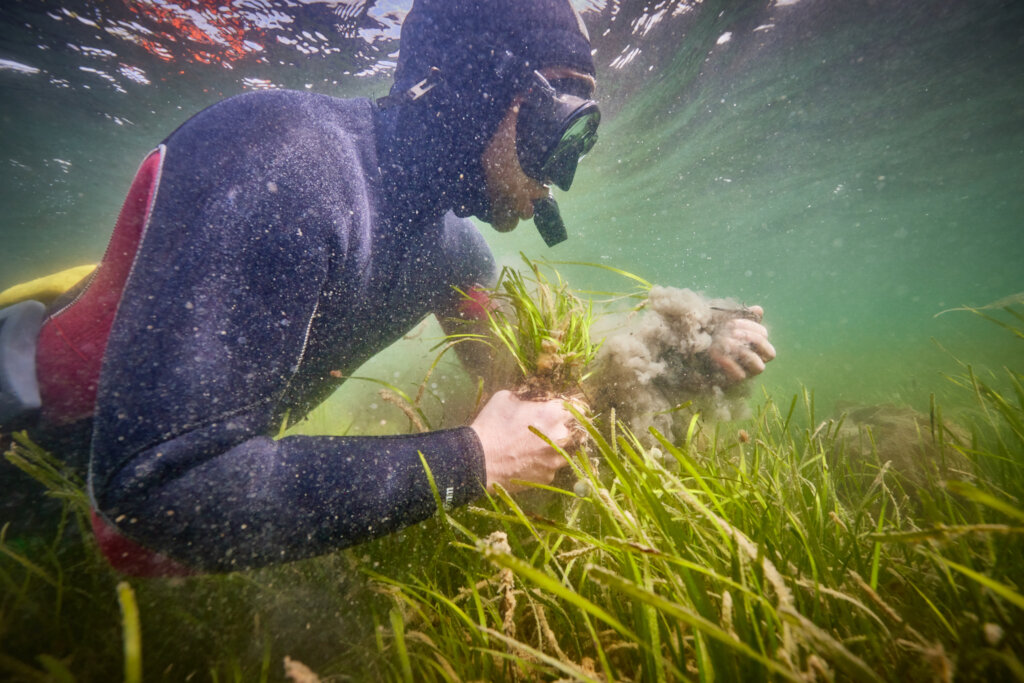
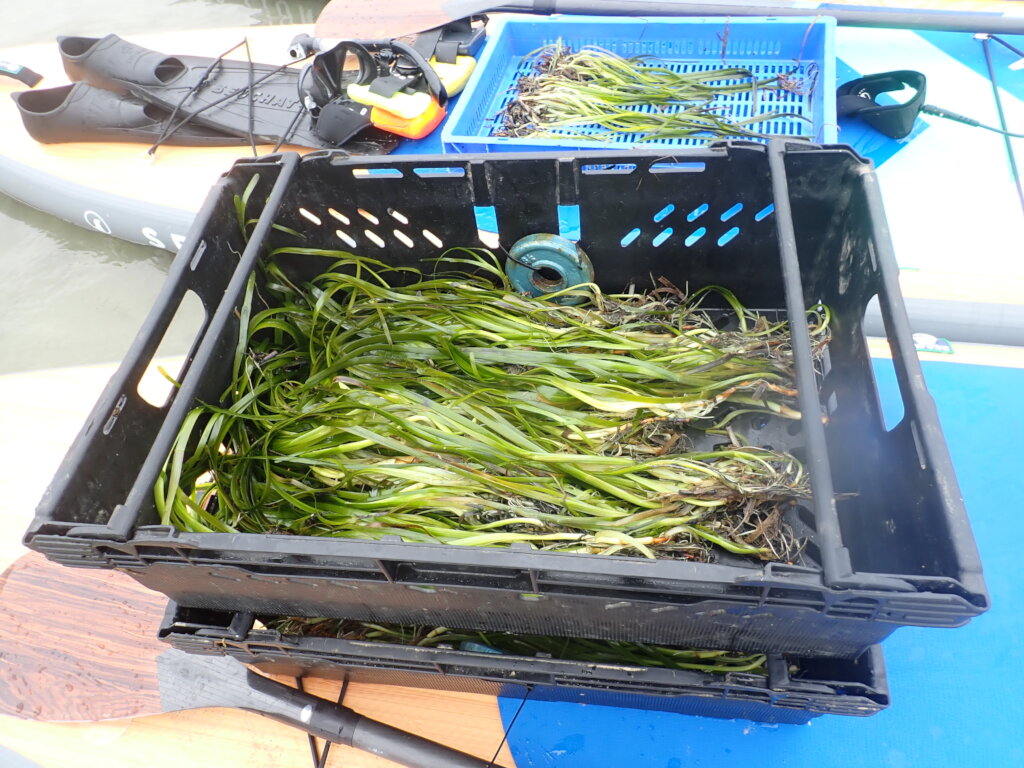
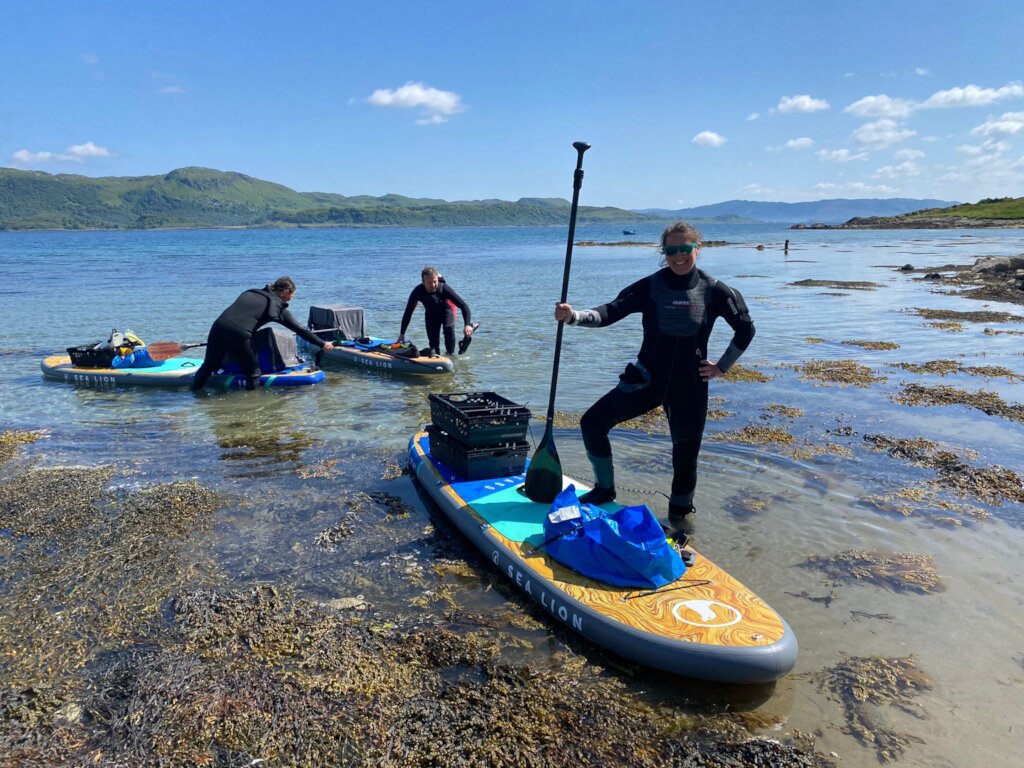
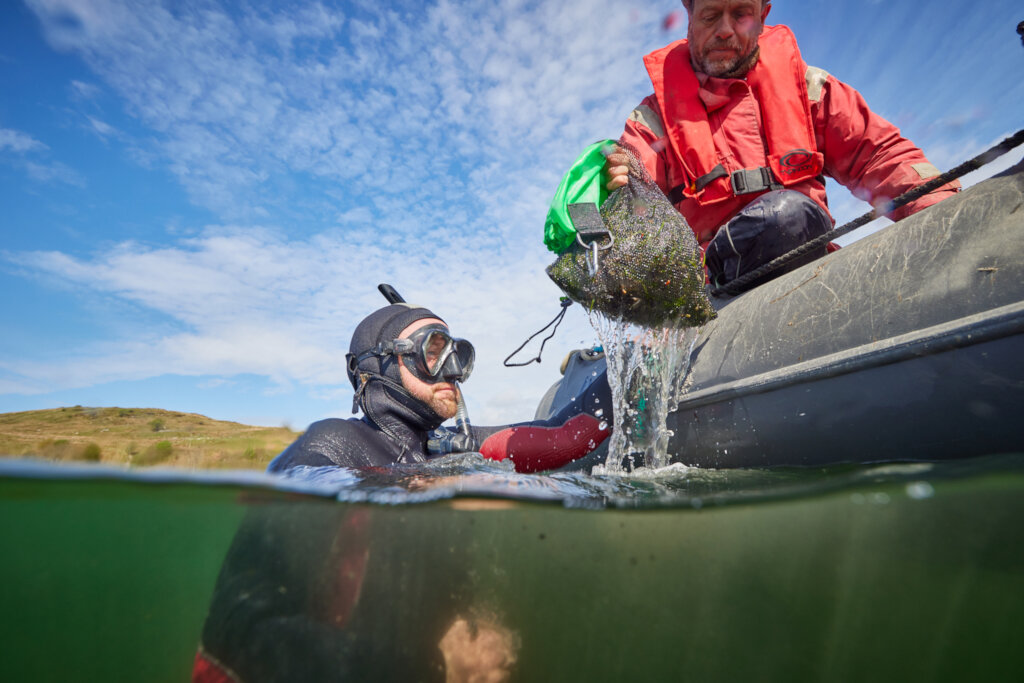
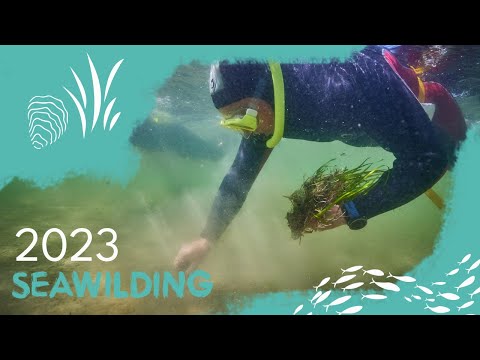
For the last 10 years, efforts around the UK have focused on restoring seagrass habitat mainly by sowing seagrass seeds. Yet success has been limited, with few examples of widespread seagrass habitat becoming established. Since 2024, Seawilding has been trialing a new approach, transplanting tens of thousands of adult shoots from existing seagrass “donor” meadows to remarkable effect.
Since July 2024, a newly planted area saw an increase in seabed coverage from 10% to more than 70% in just 15 months, while in 2025 a new trial achieved 97% survival of transplanted seagrass shoots and an average four-fold increase in seabed coverage in just 6 months. Altogether this has resulted in an area of 0.3 hectares of newly created seagrass habitat. Crucially, the impact of shoot extraction from the existing donor meadow is negligible. Even when harvested at 25% across a trial plot, in just 5 months shoot density was back to near-natural levels.
Two of our trial sites, one in Loch Beag and one within the sand-cap trial area, sadly didn’t establish successfully. While this wasn’t the outcome we had hoped for, setbacks like these are an important part of the restoration journey. We now have a better idea of why these sites failed (explained in more detail below), and each trial has provided valuable lessons to take forward. We’ll continue to test new areas and refine our techniques, learning as we go, and, we hope, building towards long-term success along the way.
As you will read in this annual report, the ground-breaking results are a first for seagrass restoration in the UK, and on the back of this success, in 2026, Seawilding will expand beyond Loch Craignish to trial seagrass restoration at other sites on the West coast of Scotland.
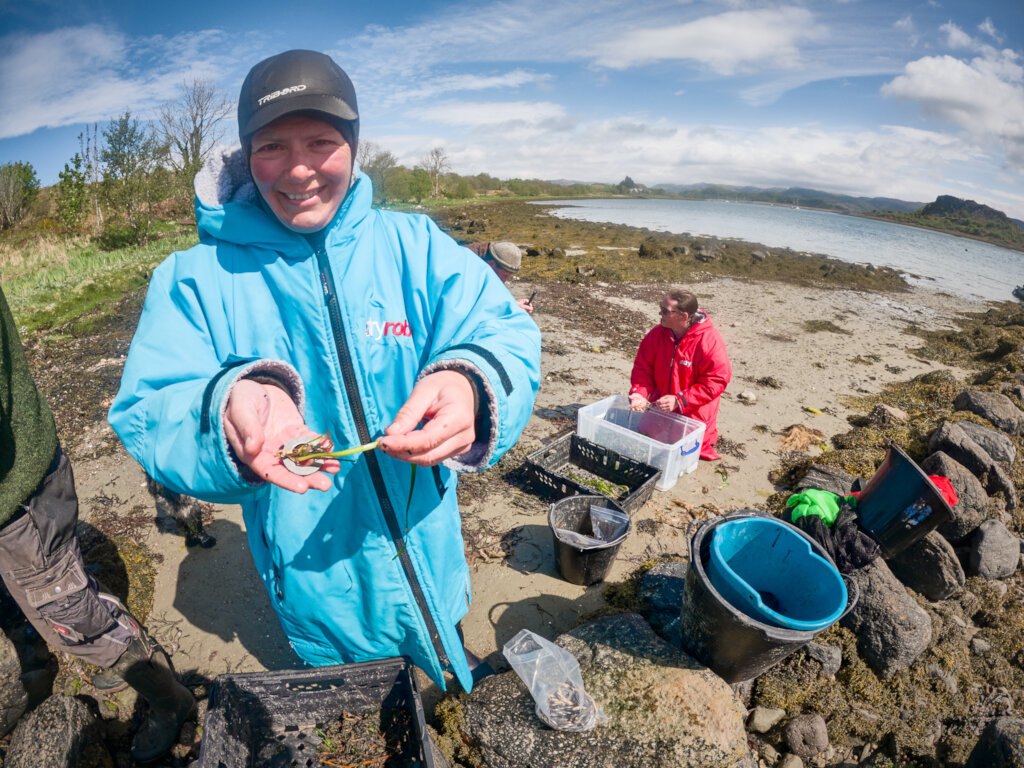
Once again in 2025, we were joined by scores of volunteers, academics and interested parties keen to see practical seagrass restoration at work, and the award of a “Gold” for our collaborative seagrass garden at the Royal Horticultural Society’s Chelsea Flower Show helped amplify our work and our key message that marine habitat protection and restoration is critical to restoring ocean health. You can read more about the show and the award in our Outreach Report 2025.
We hope you find this account of our seagrass restoration in 2025 informative and fulfilling - please read the attached for the full report.
Links:
Project reports on GlobalGiving are posted directly to globalgiving.org by Project Leaders as they are completed, generally every 3-4 months. To protect the integrity of these documents, GlobalGiving does not alter them; therefore you may find some language or formatting issues.
If you donate to this project or have donated to this project, you can receive an email when this project posts a report. You can also subscribe for reports without donating.



Support this important cause by creating a personalized fundraising page.
Start a Fundraiser