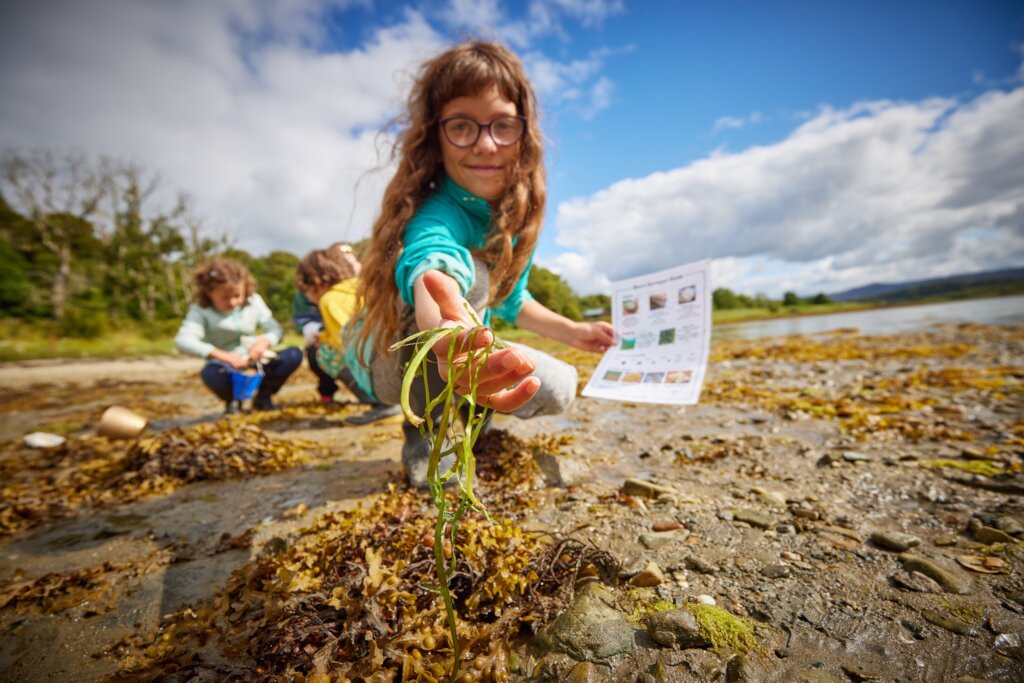
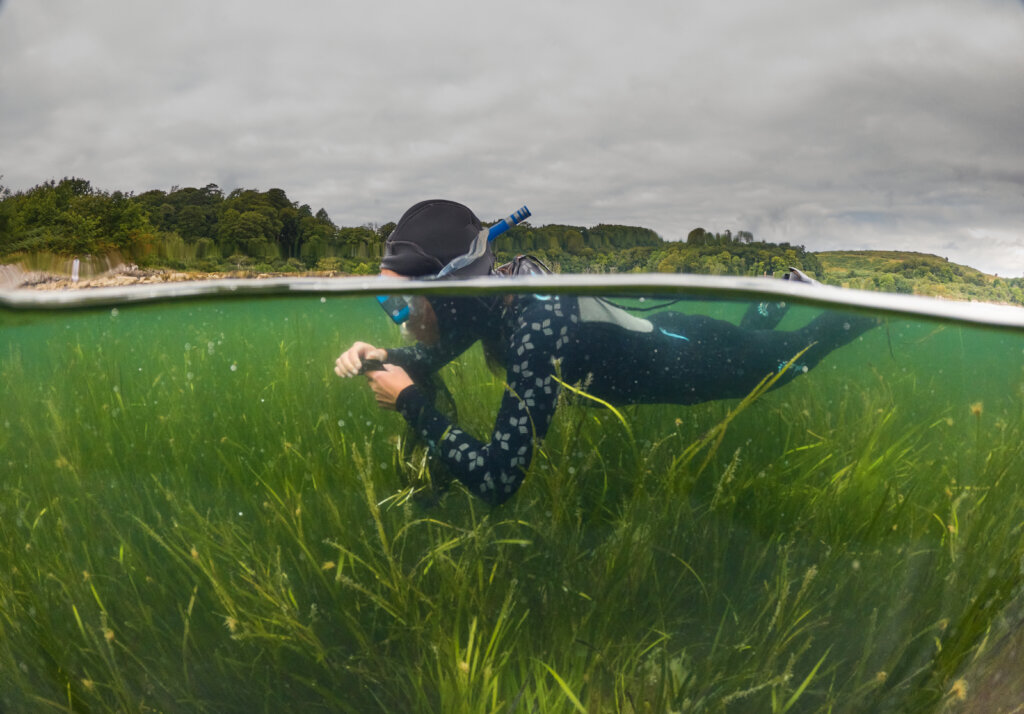
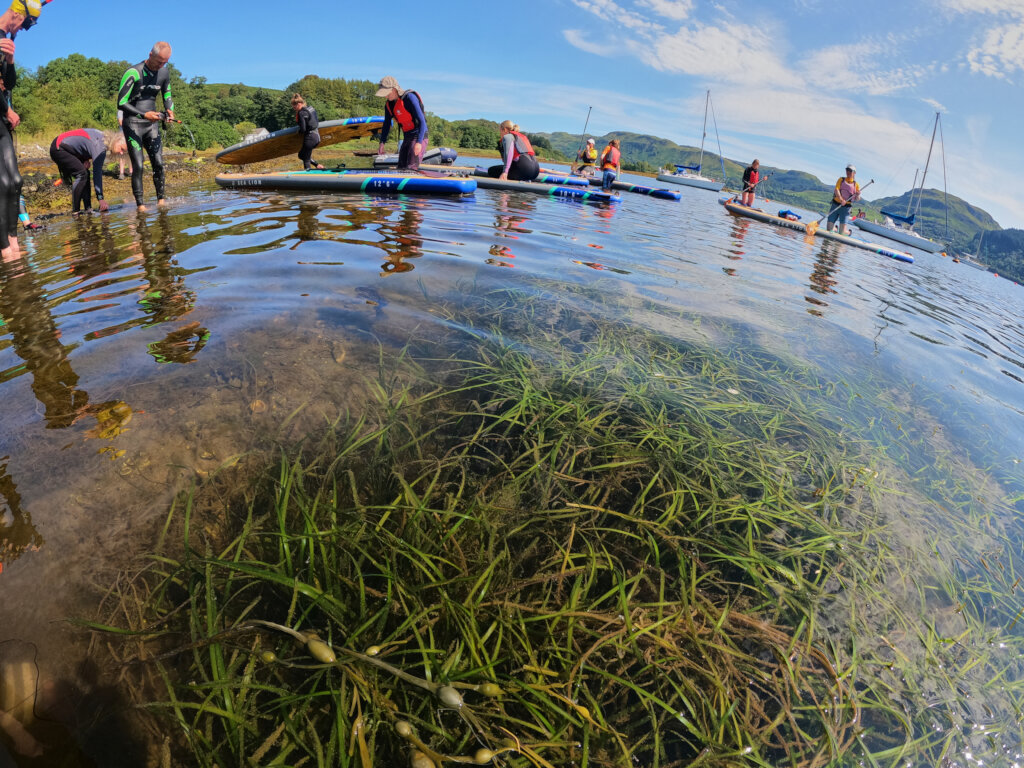
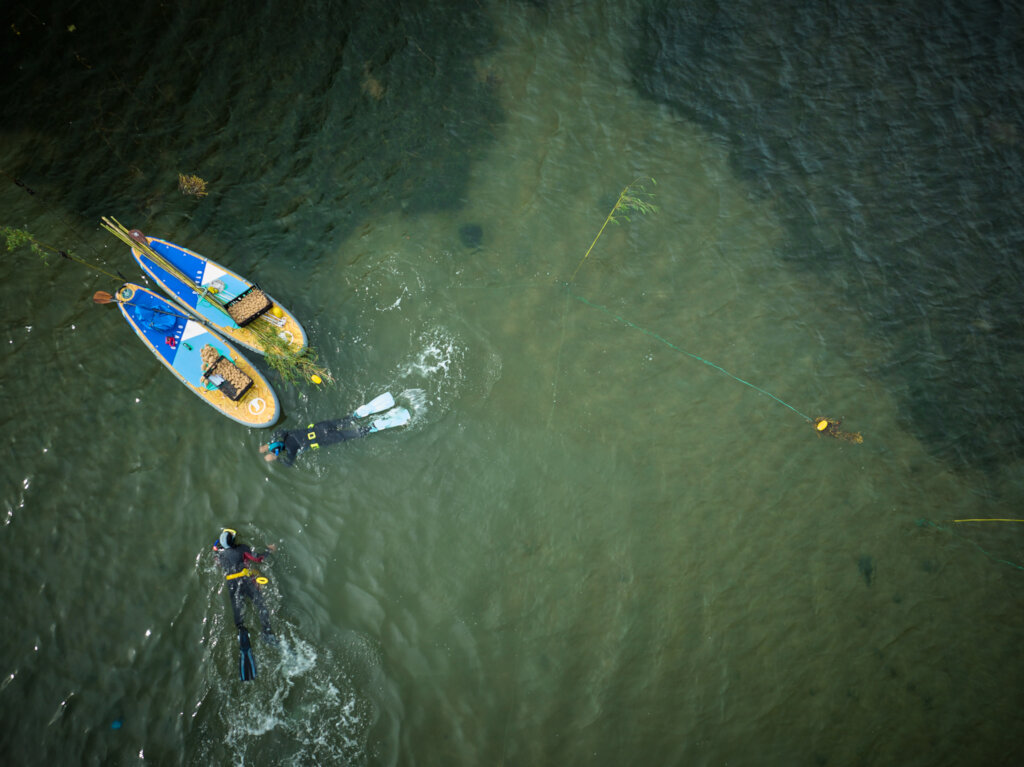
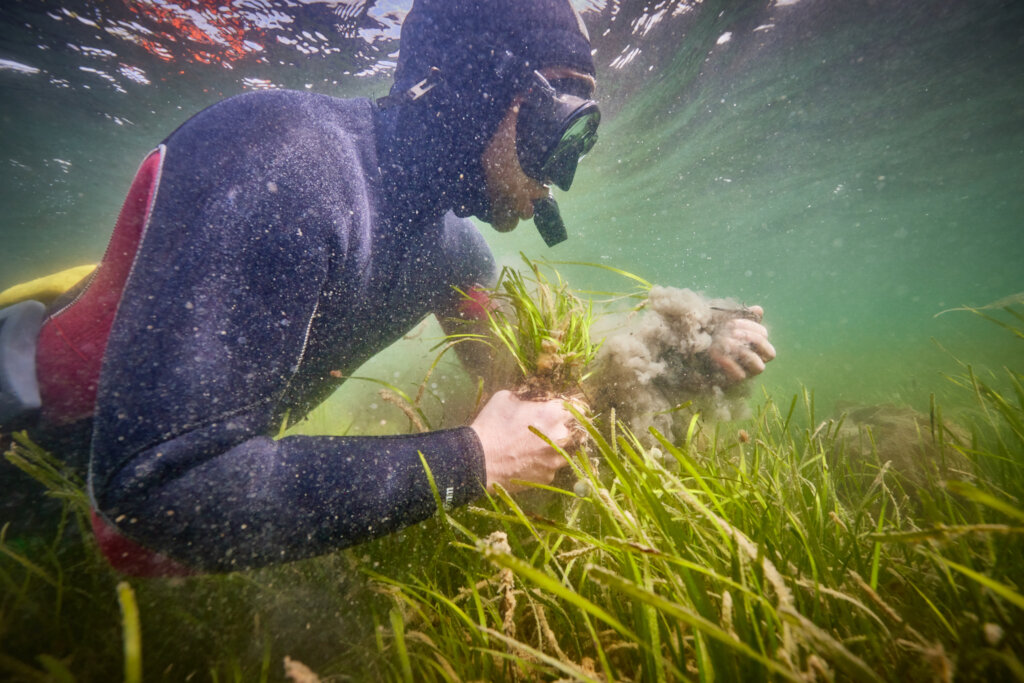
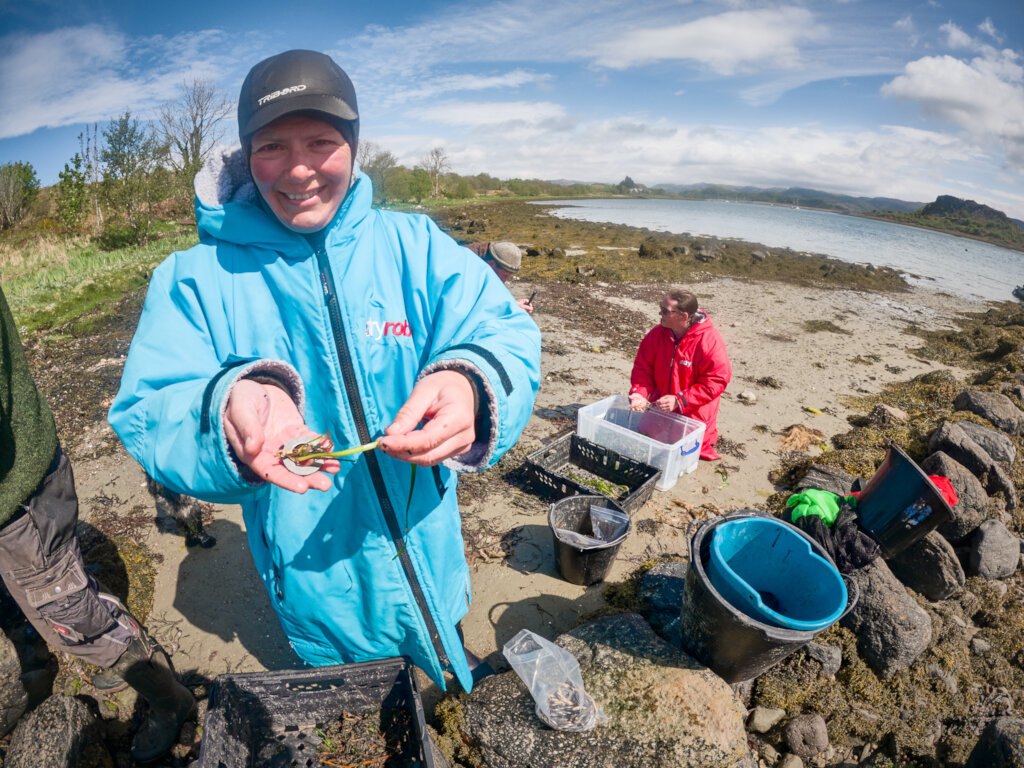
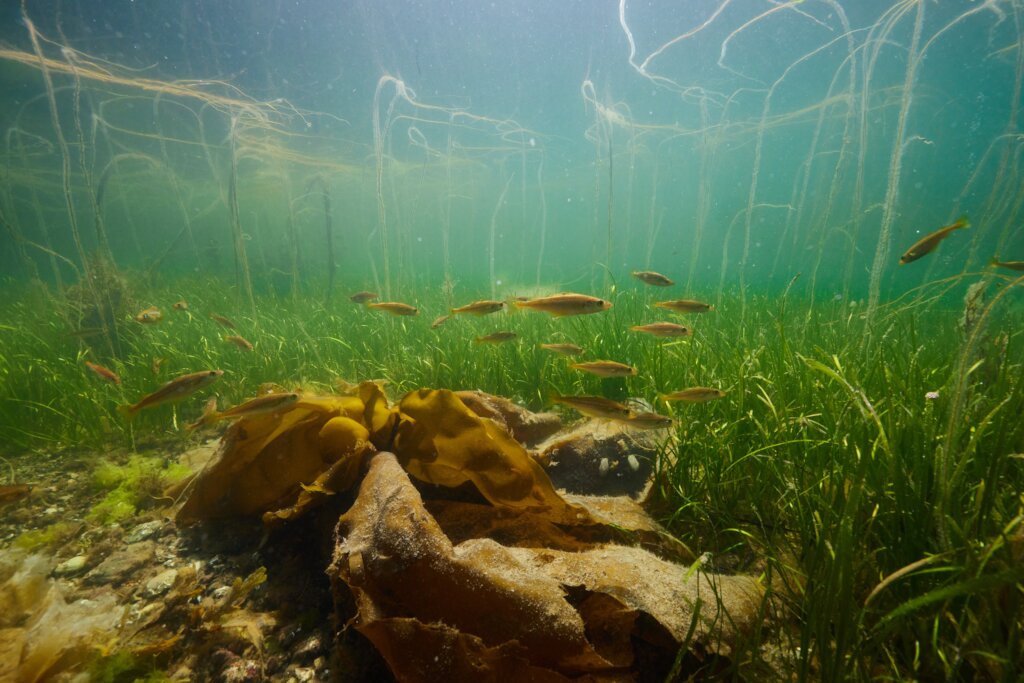
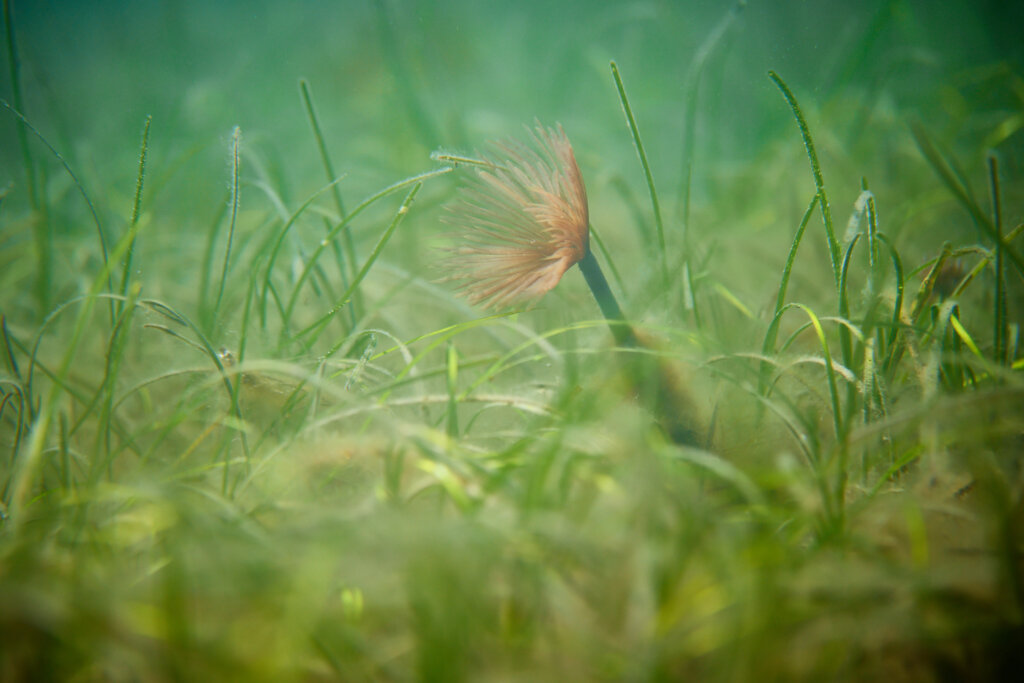
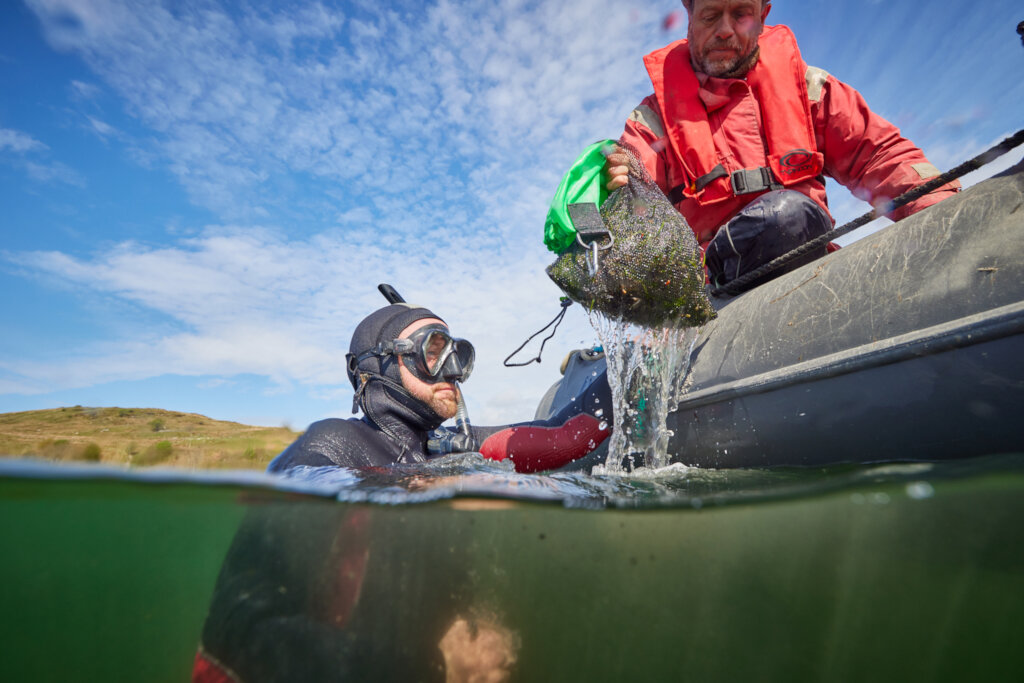
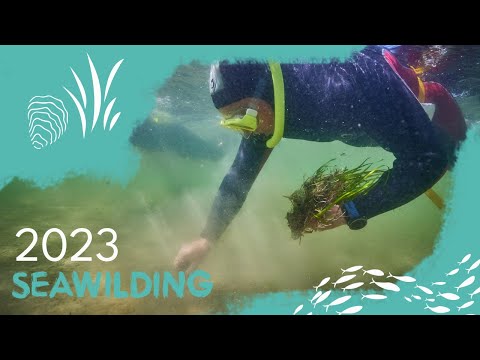
Seagrass is a vital habitat for marine creatures but 95% of it has disappeared from around the UK coastline. Our surveys reveal that there are twice as many marine species in seagrass compared to non-seagrass sites. In the fight against climate change, restoring seagrass is a top-priority. Seawilding is planting acres of seagrass. They are empowering other coastal communities to do the same by sharing best practice low-cost methodologies, ensuring healthier seas for future generations.
It is estimated that 95% of seagrass meadows have disappeared around the UK. Globally, an area the size of a football pitch of seagrass is lost every 30 mins. The need for marine habitat restoration is stark on the west coast of Scotland where white fish stocks are commercially extinct, fishing jobs have gone and destructive bottom trawling has destroyed fragile seabed habitats. Scotland is an important location for seagrass globally holding 20% of the seagrass beds in NW Europe.
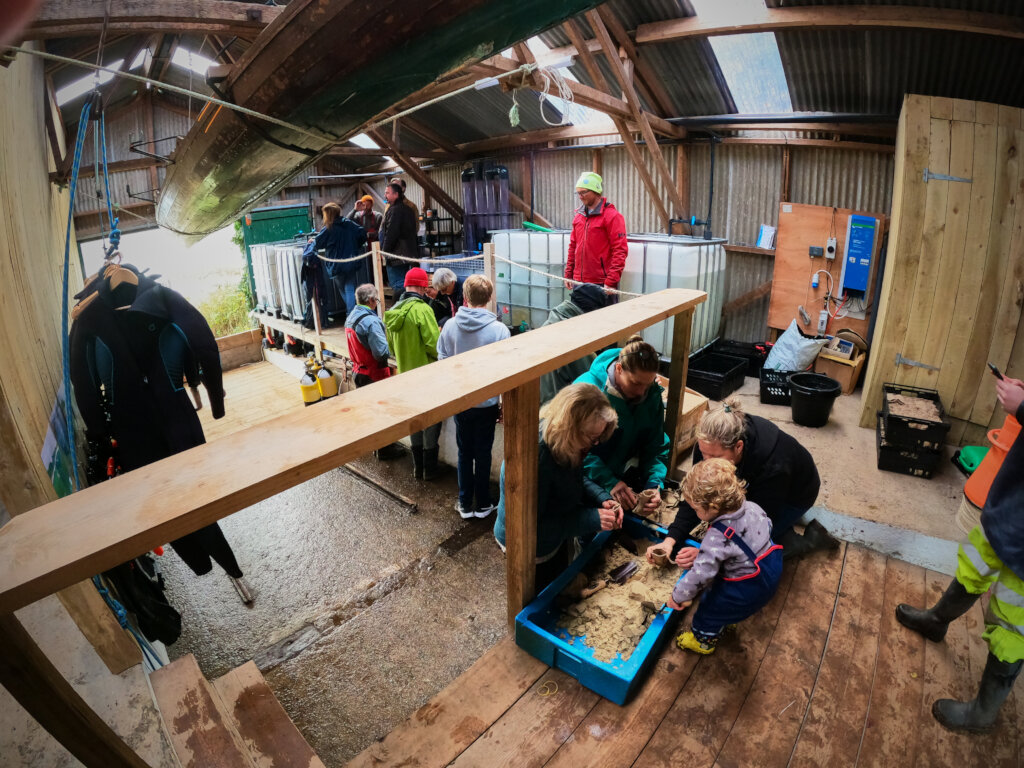
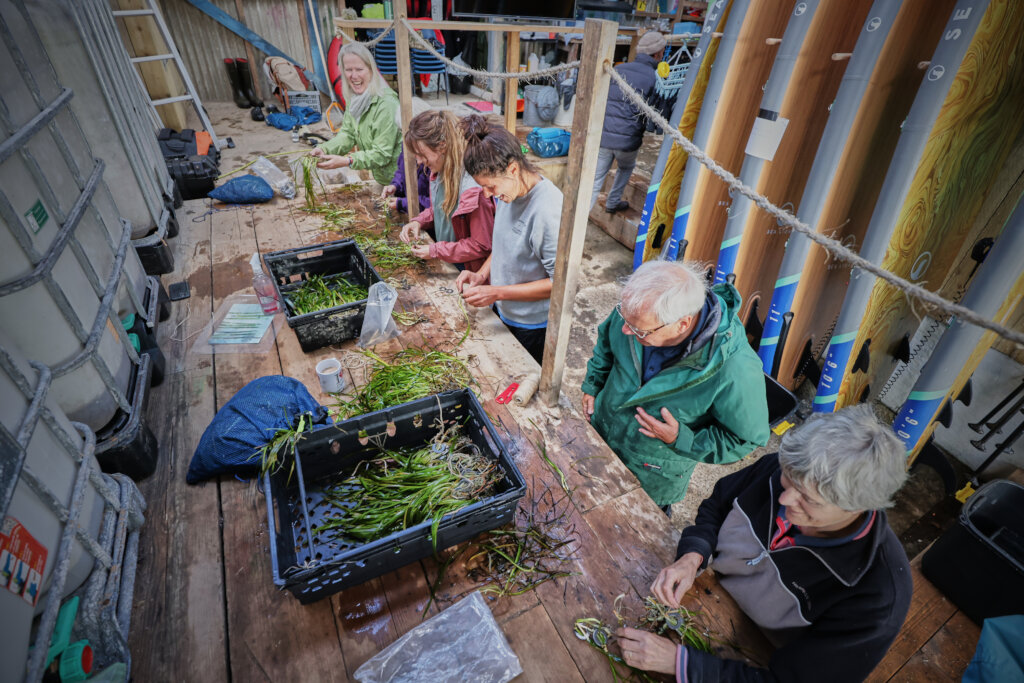
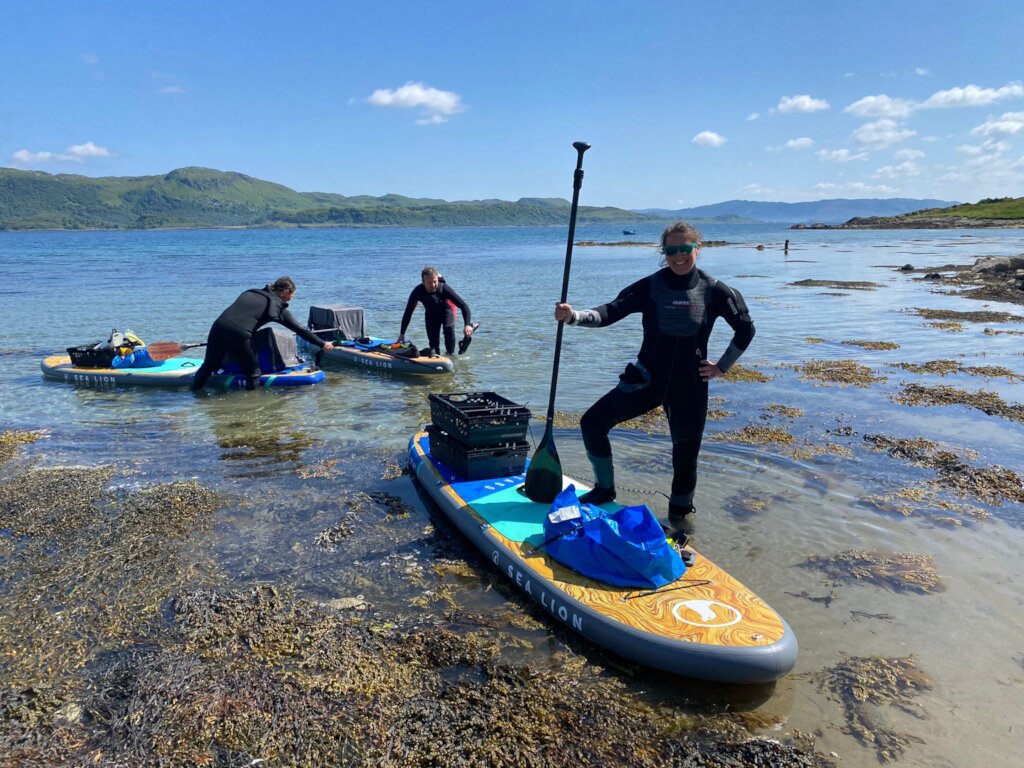
Our work is focused around researching the best methodologies for seagrass restoration at scale and helping other communities to roll out similar restoration projects around the coastline.
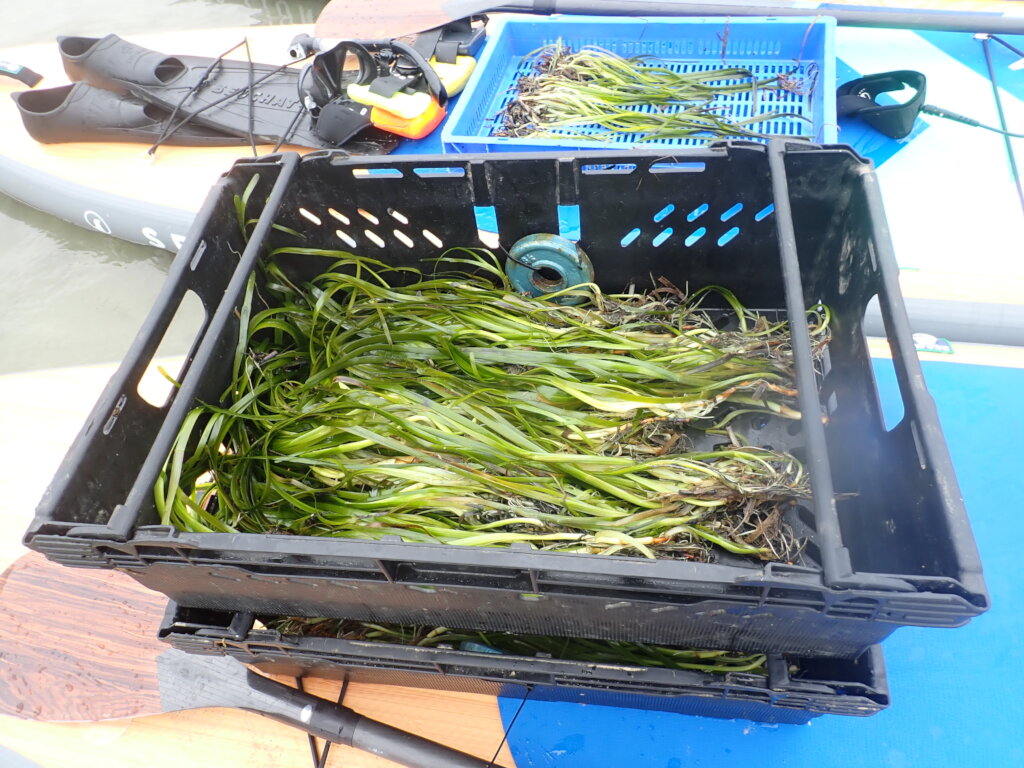
The aim primarily is to restore lost biodiversity. Despite seagrass meadows making up 0.4% of the area of the Loch they host 68% of the biodiversity. So far Seawilding has transplanted approx. 38,000 seagrass shoots and we hope to expand on that delivery target not just in Loch Craignish but also in other areas around Scotland. Our rhizome planting trials have proved this methodology is successful showing that restoration at scale can be possible.
This project has provided additional documentation in a PDF file (projdoc.pdf).



Support this important cause by creating a personalized fundraising page.
Start a Fundraiser