By Tiziana Tedoldi | Seagrass Report
Our latest seagrass report for 2024 is now available to read online: https://www.seawilding.org/_files/ugd/9e1e52_61a4a9ca8ea844ecbbcee80416ec9f95.pdf
Seagrass Restoration Loch Craignish:
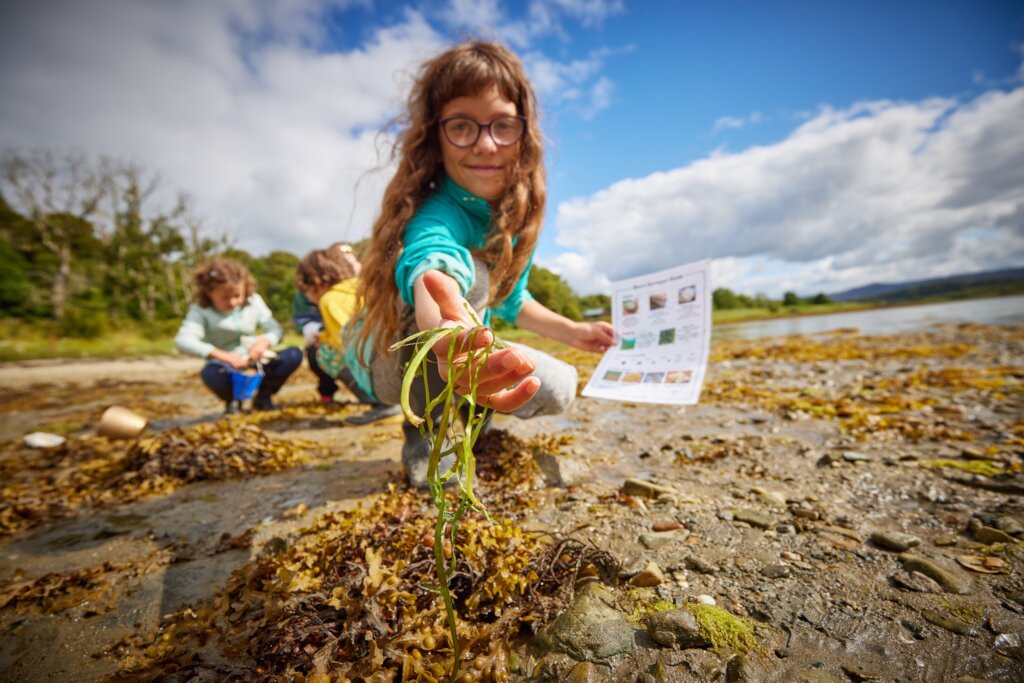
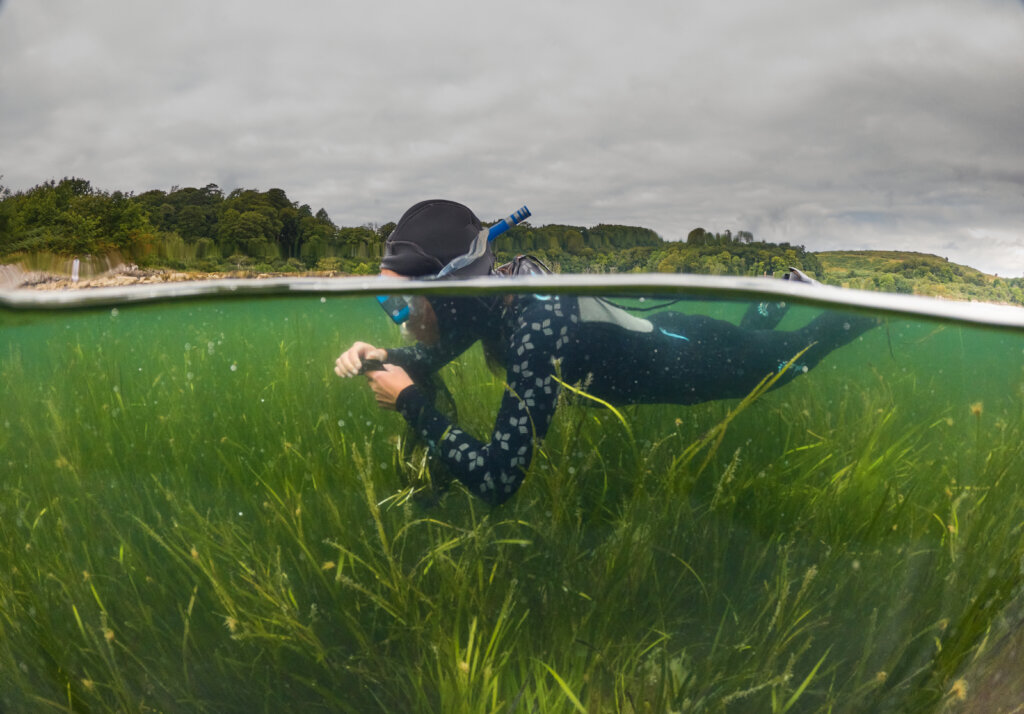
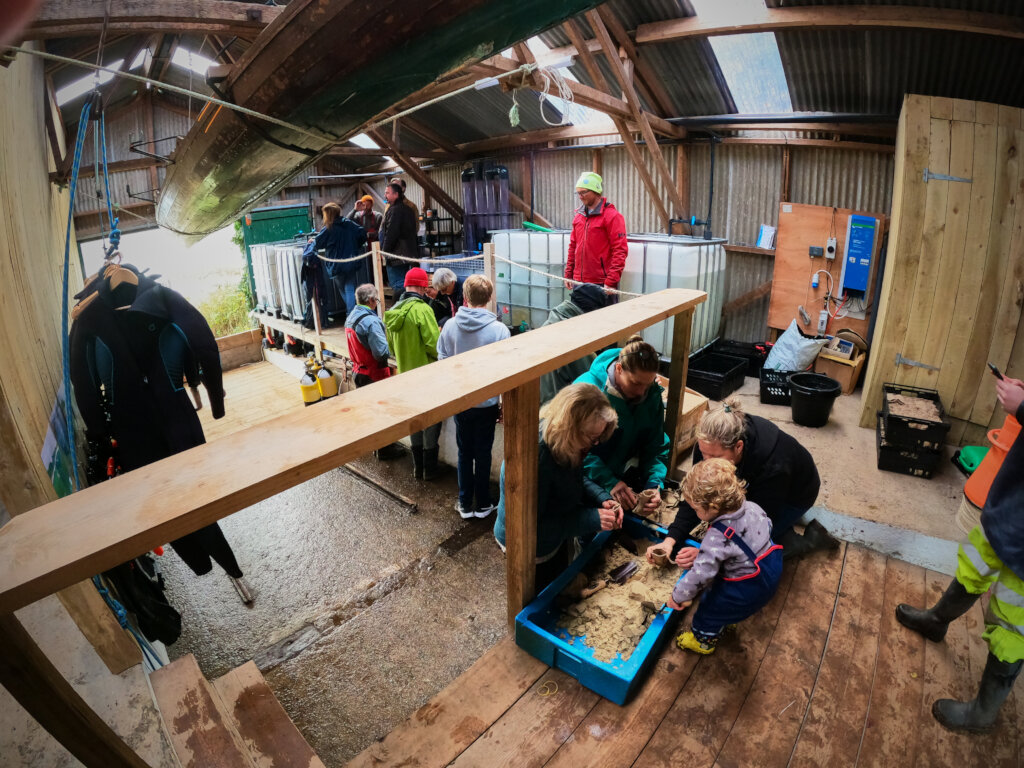
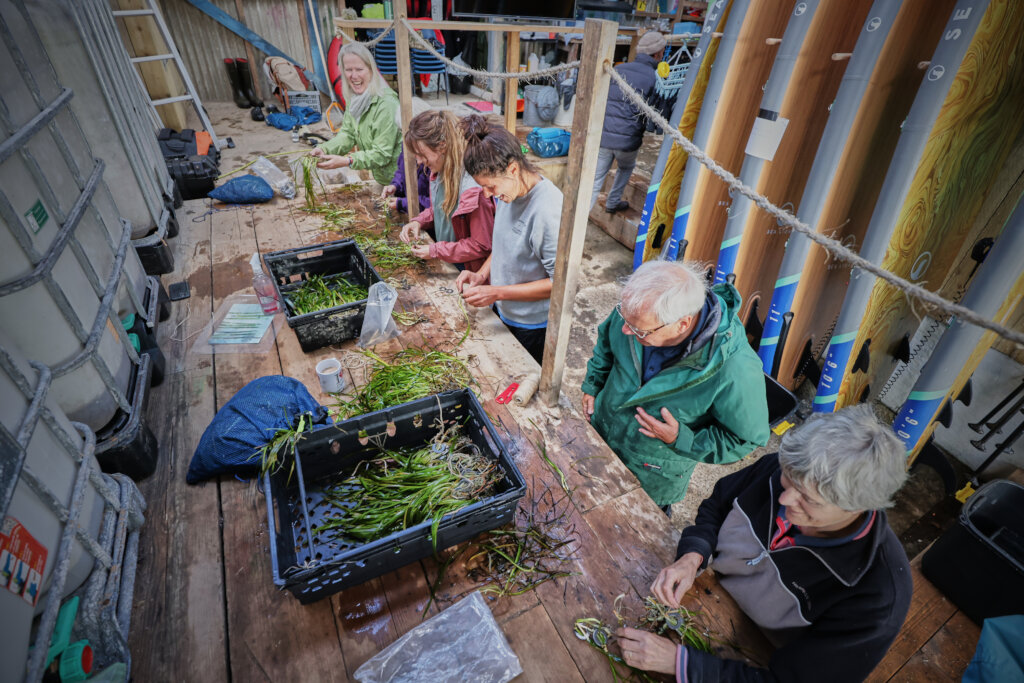
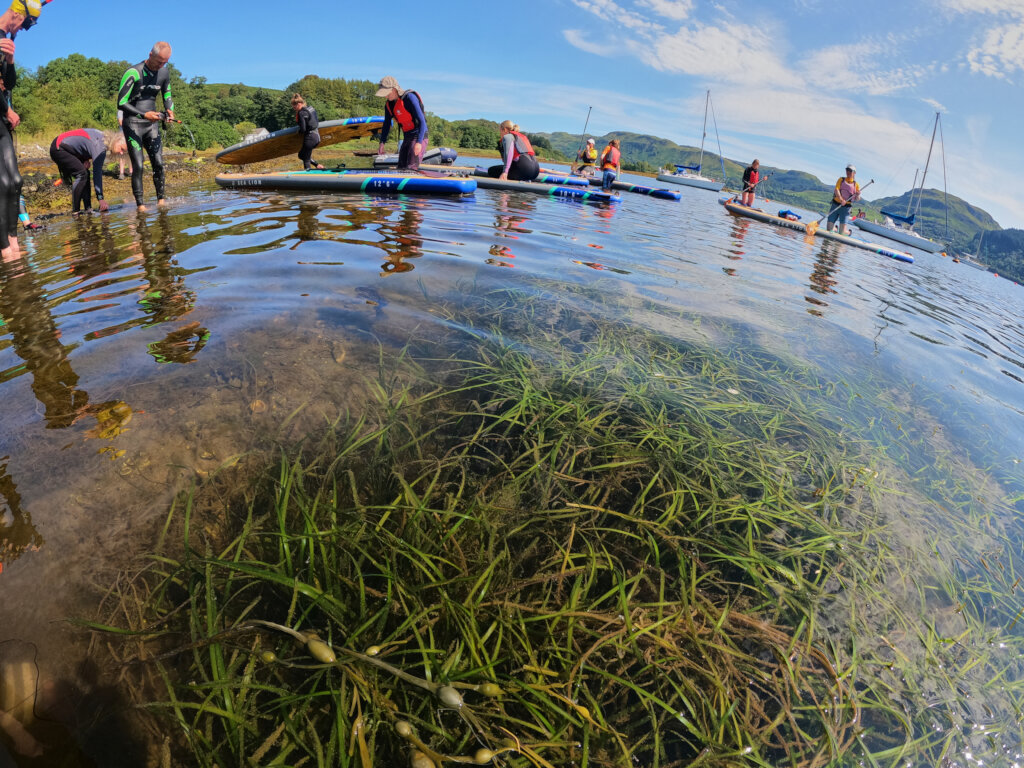
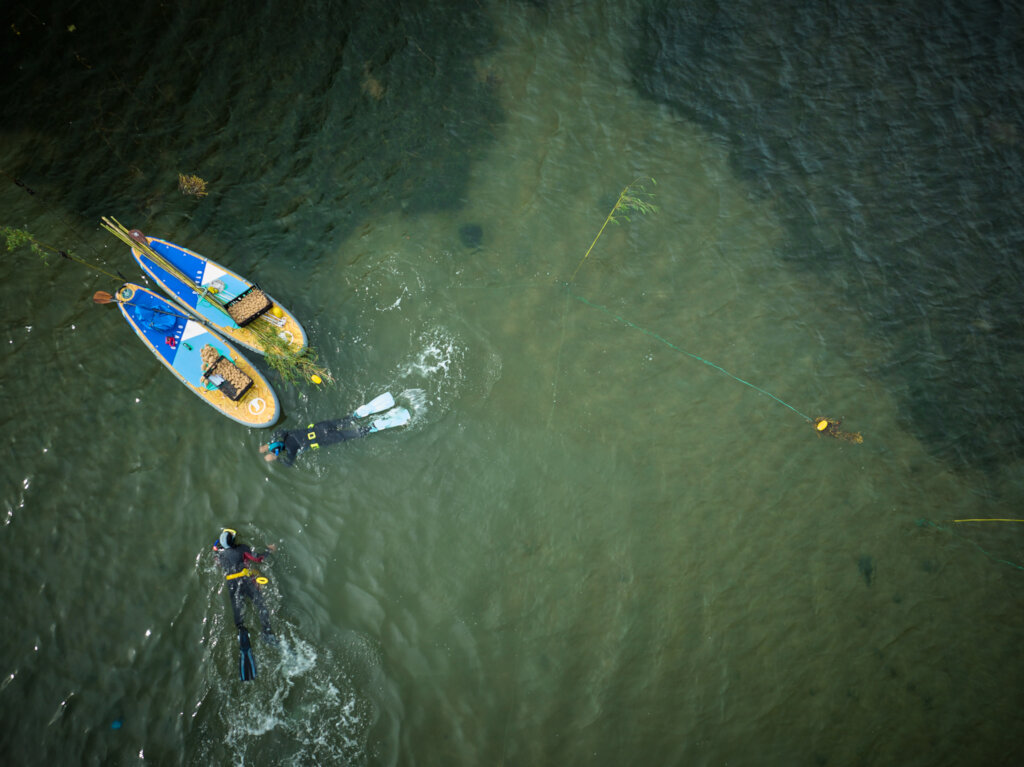
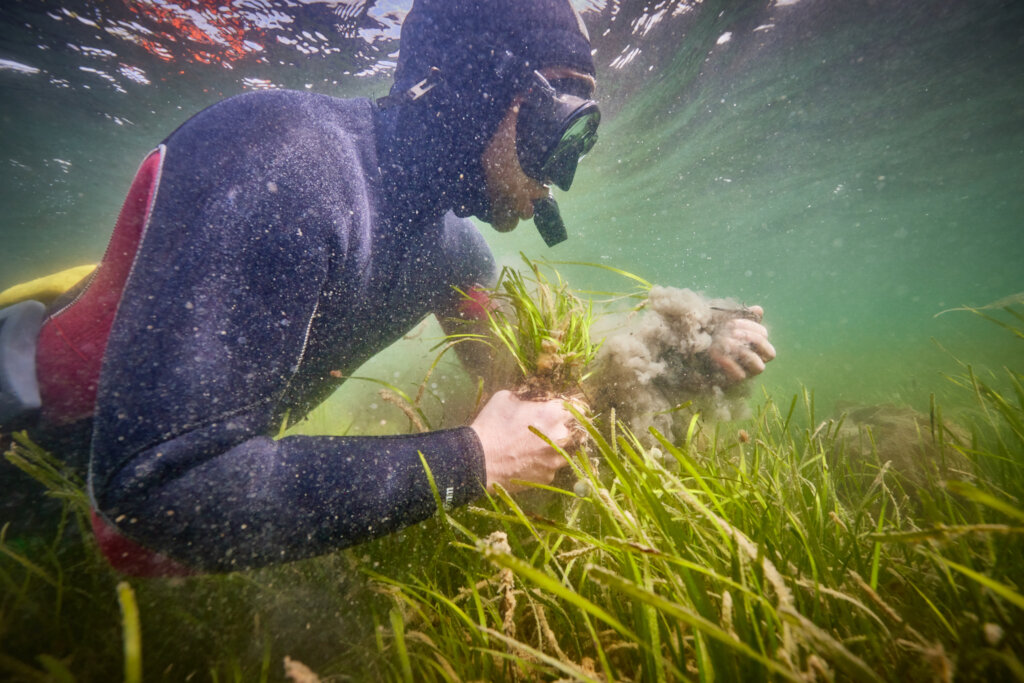
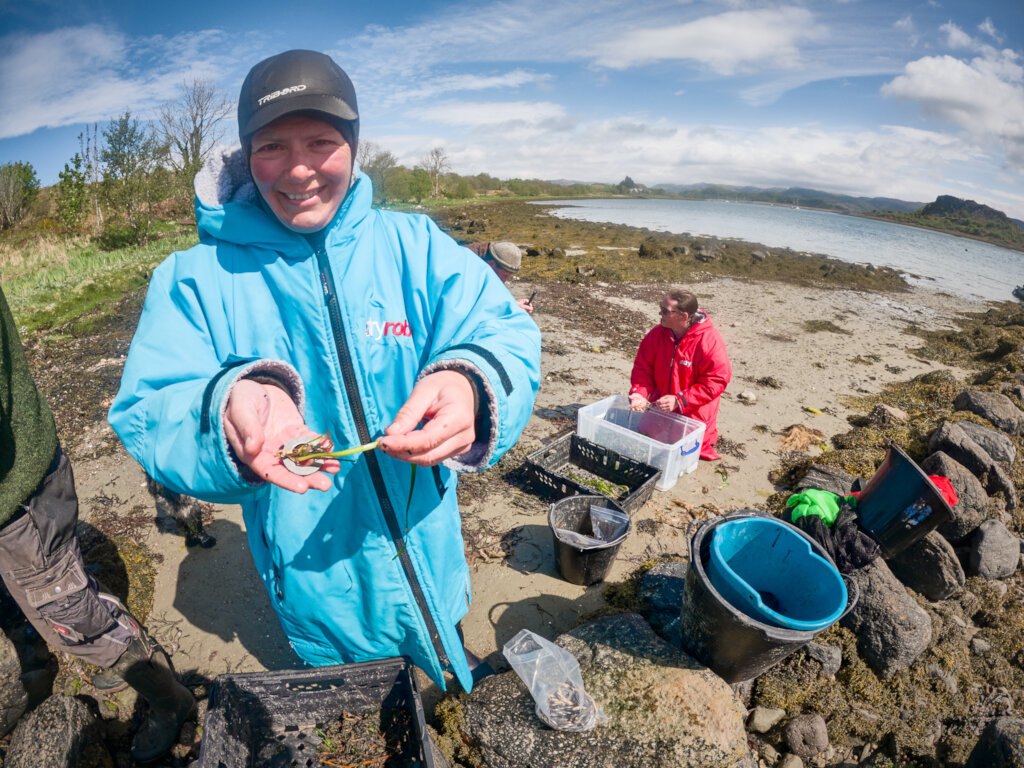
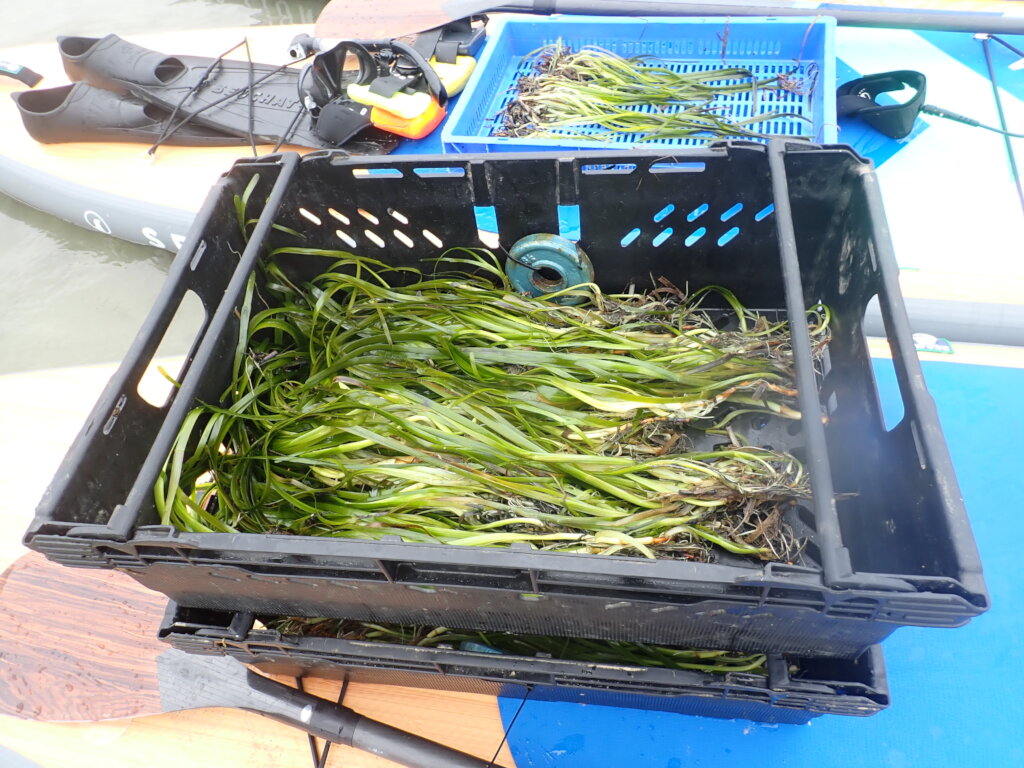
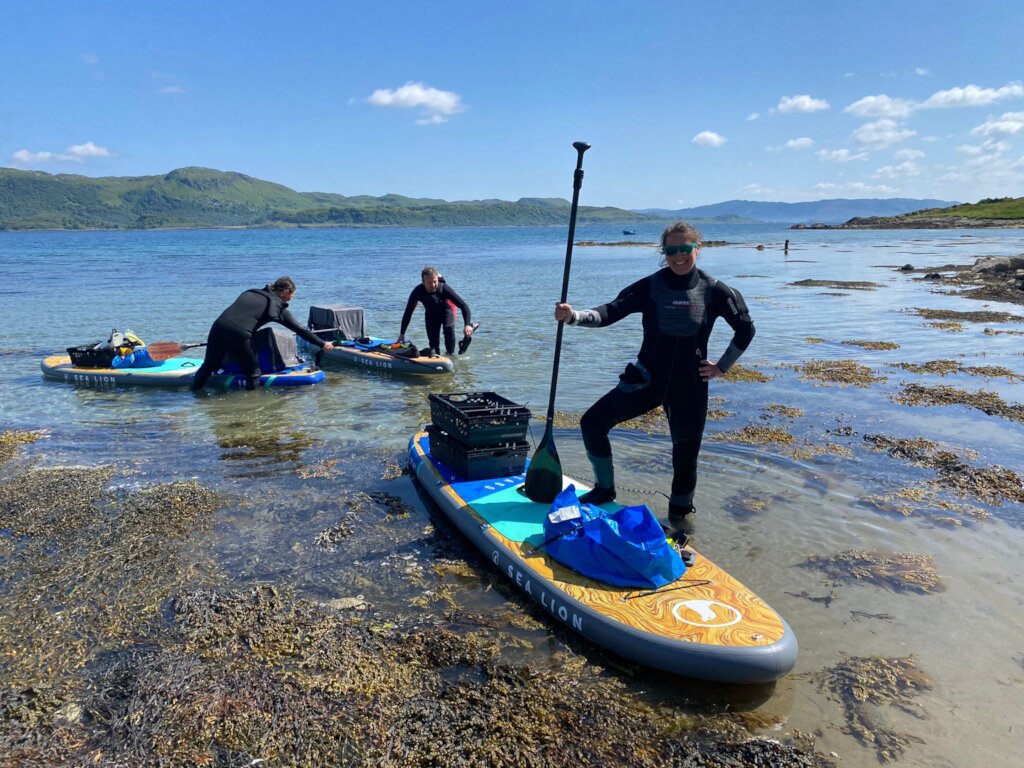
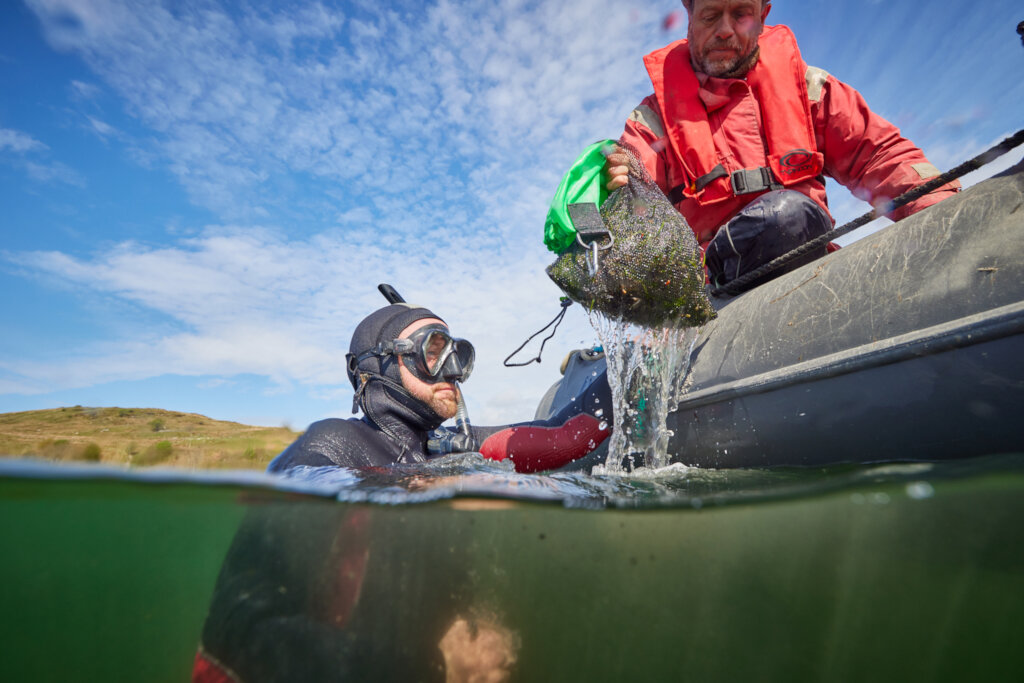
Seagrass restoration continues to present challenges for Seawilding and other practitioners across the UK, but over the last year, through a combination of science and trial and error, we’ve refined our methodologies and learned a great deal. Sharing outcomes with collaborative partners around the UK, notably Project Seagrass and Ocean Conservation Trust, has helped feed into the national knowledge pool and partnering with the Scottish Association for Marine Science and a number of other academic institutions has given us access to scientific research methods that are beyond our in-house capabilities. We are looking forward to seeing the results of 2024’s restoration trials over the coming growing season and we hope that this marks the beginning of a transition from the research phase to scaling up.
Background
Seagrasses have been described as one of the most valuable coastal and marine ecosystems on the planet and play a role in human well-being in many different ways:
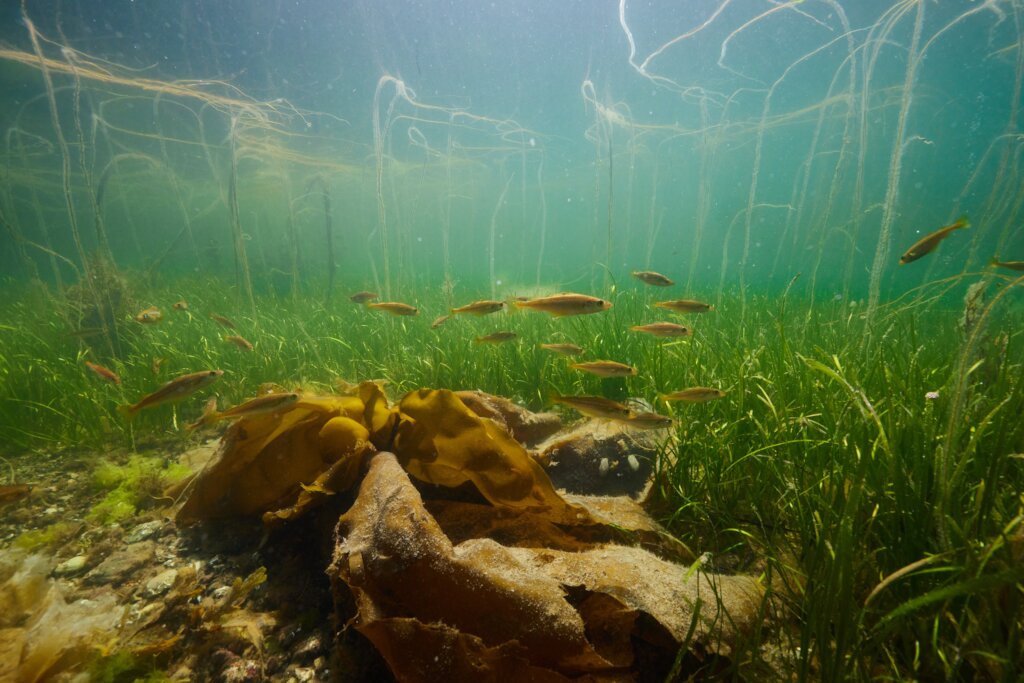
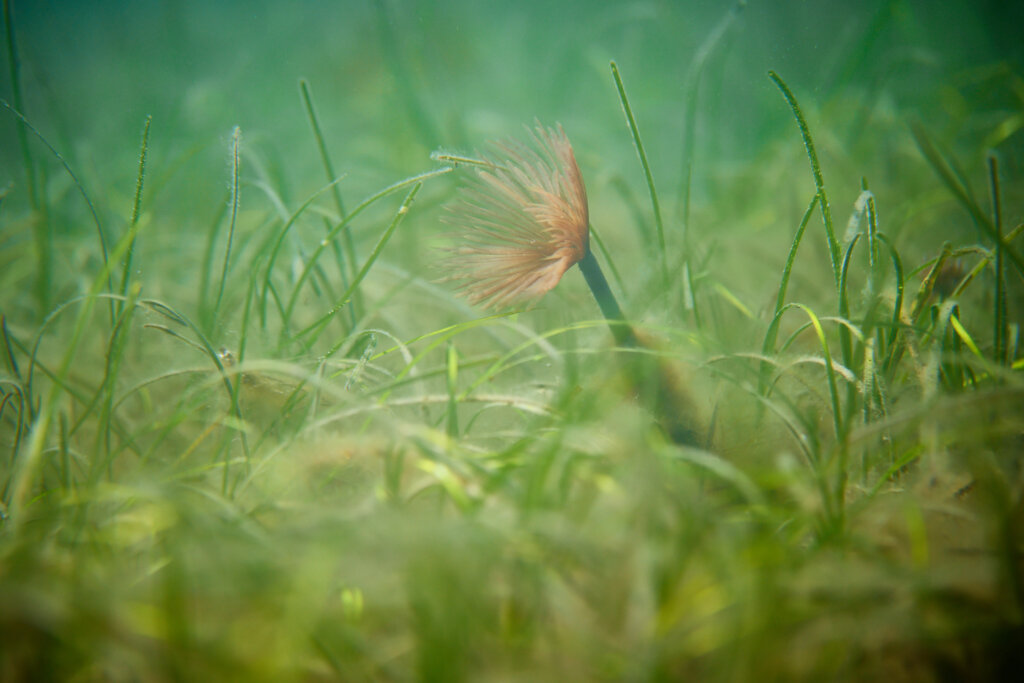
Furthermore, seagrass meadows are amongst the richest habitats for bio-diversity with over 50 species of fish having been recorded in a single meadow, along with hundreds of species of invertebrates such as molluscs, shrimp and marine worms.
Despite their benefits, seagrass habitats are under threat from a variety of factors. It is estimated that beds have declined by a staggering 92% from their historic extent around the UK due to decreasing water quality, physical disturbance of the seabed, coastal development, disease, and increasing siltation. Around the world an area the size of a football pitch of seagrass is lost every 30 minutes. The need for marine habitat restoration is clear on the west coast of Scotland where white fish stocks are commercially extinct, many fishing jobs have been lost, and destructive bottom trawling and dredging has destroyed fragile seabed habitats. Scotland is an important location for seagrass globally, holding 20% of the seagrass beds in north-west Europe, yet as of 2020 no seagrass restoration had been undertaken in Scottish waters. The lack of restoration activities meant that not only was the habitat not being improved, but also that no data was available on the feasibility of seagrass restoration in Scotland. In an attempt to address this situation, in 2021 the Scottish charity Seawilding began the first seagrass restoration
To read more go to: https://www.seawilding.org/_files/ugd/9e1e52_61a4a9ca8ea844ecbbcee80416ec9f95.pdf
Links:
Project reports on GlobalGiving are posted directly to globalgiving.org by Project Leaders as they are completed, generally every 3-4 months. To protect the integrity of these documents, GlobalGiving does not alter them; therefore you may find some language or formatting issues.
If you donate to this project or have donated to this project, you can receive an email when this project posts a report. You can also subscribe for reports without donating.



Support this important cause by creating a personalized fundraising page.
Start a Fundraiser