![]()
EXECUTIVE SUMMARY.
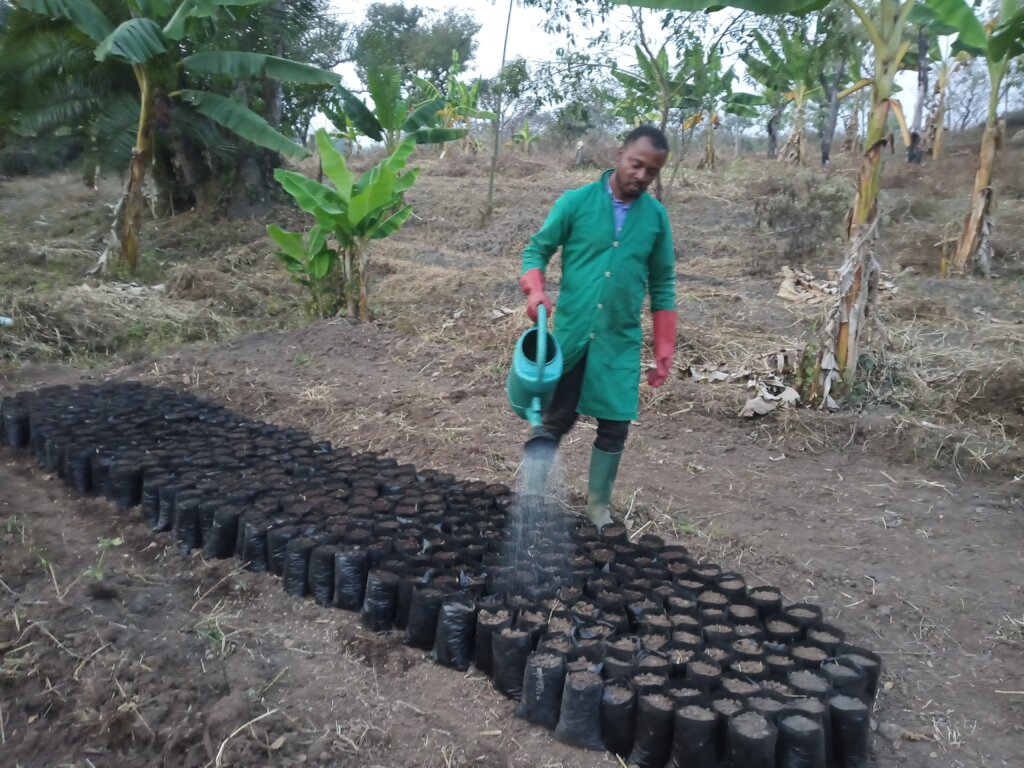
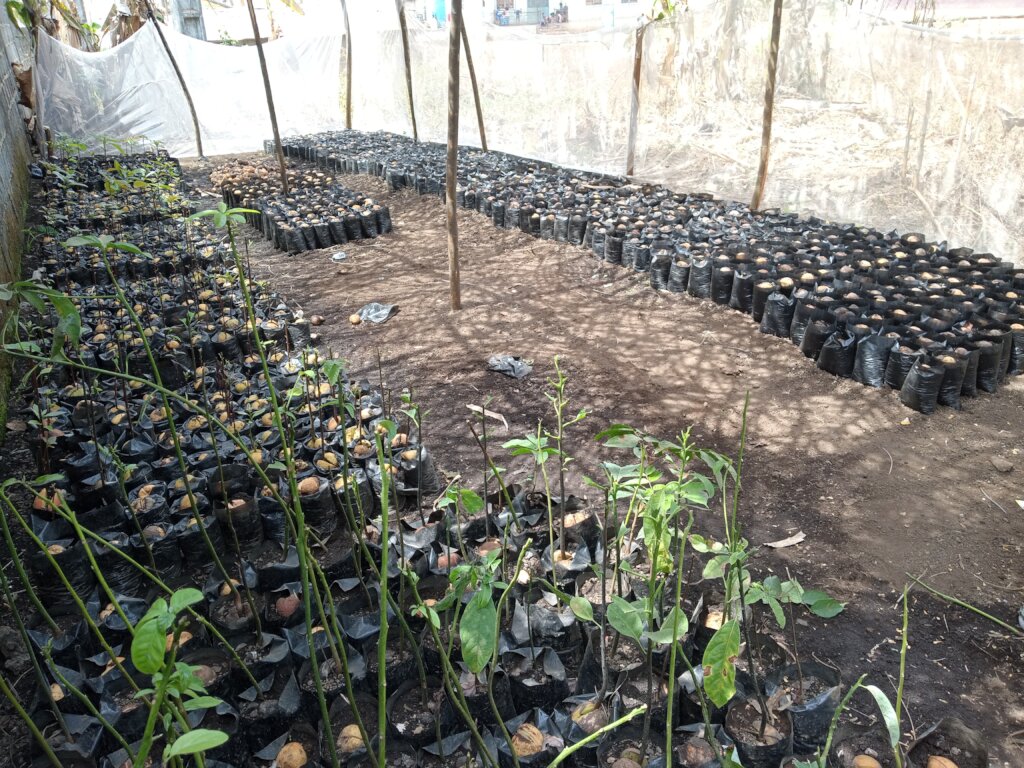
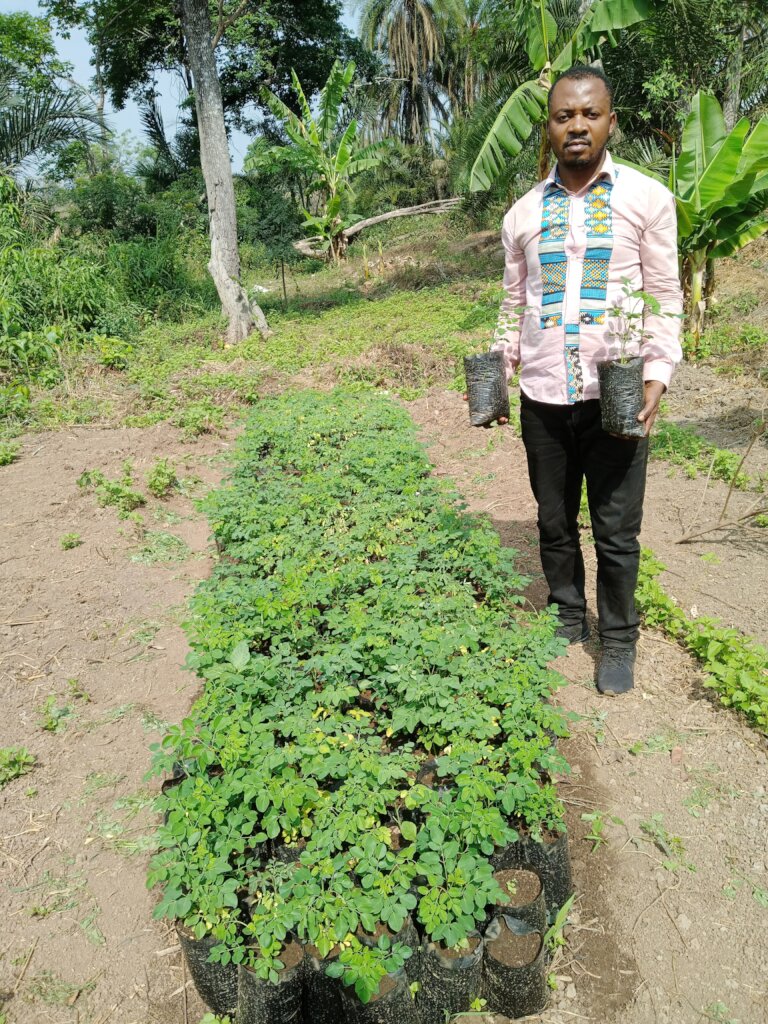
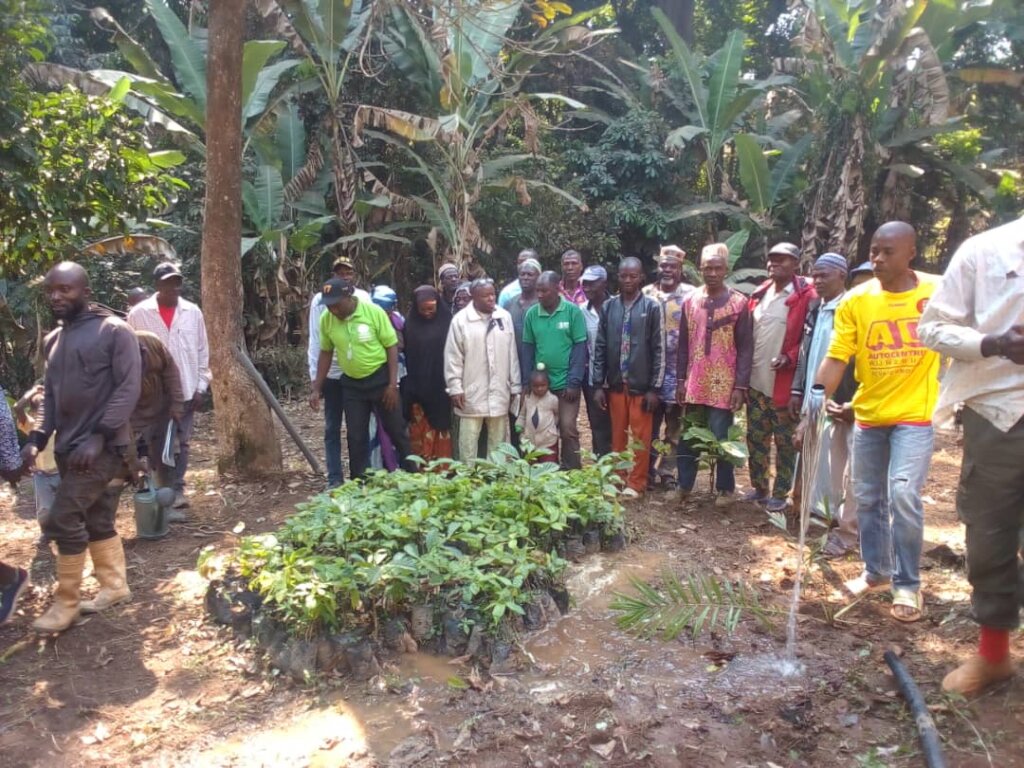
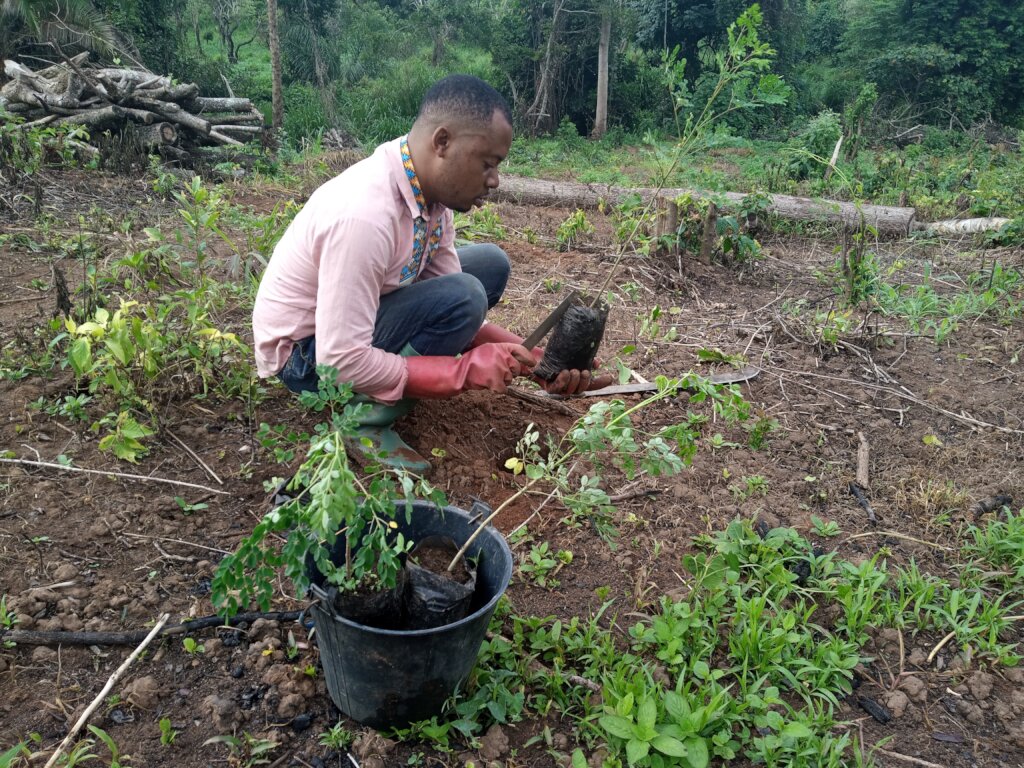
I.A.A initiated an agroforestry project in rural communities of Foumban since January 2022, focusing on Moringa tree planting as cash crop. However, other economic trees like pear, Mangoes, Oranges, Papaw and large herbs like bananas and plantains remains the main focus in achieving food security and economic growth in the area. The Moringa Tree and Agroforestry Project is a sustainable approach to combating poverty, malnutrition, and environmental degradation. The aims were as follows:
To assist 5,000 farmers, particularly from poor and disadvantaged families, to engage in Moringa tree growing and increase for improved food security and income generation for the farmers thus enabling the farmers to meet the costs of other farming activities, among others.
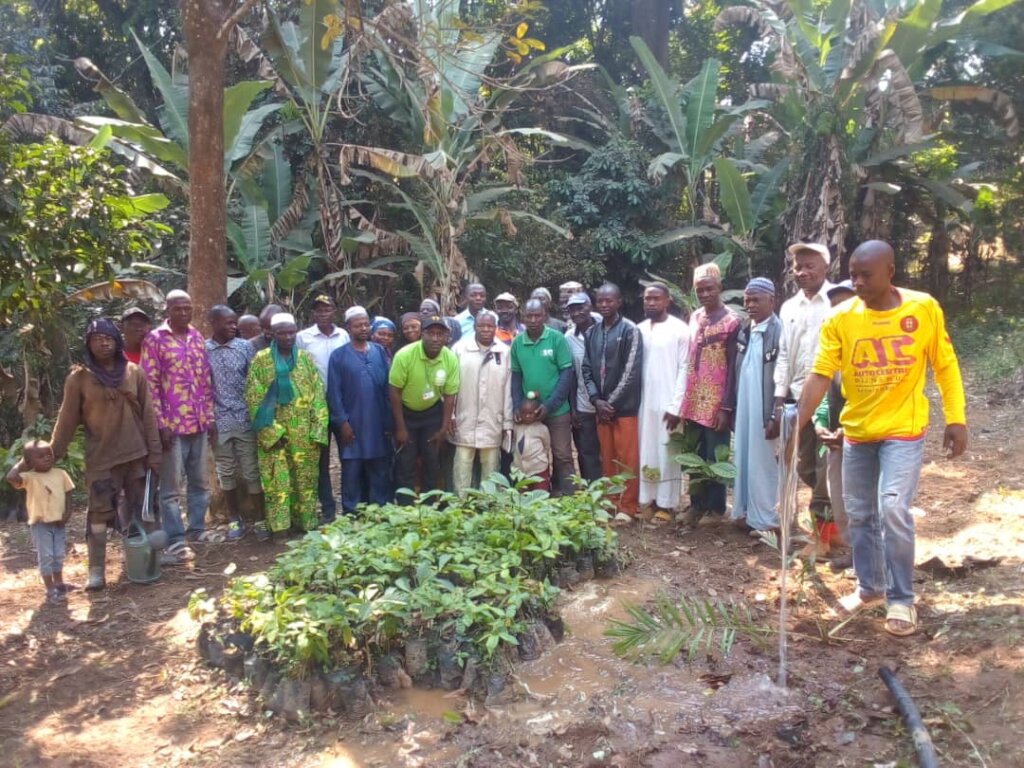
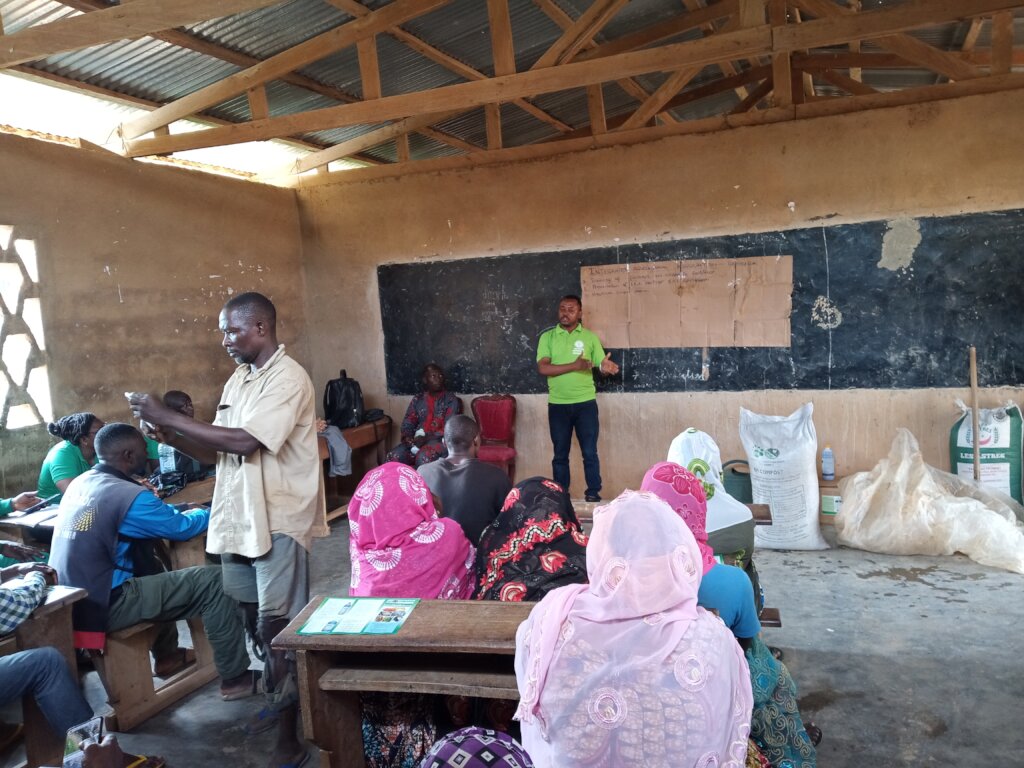
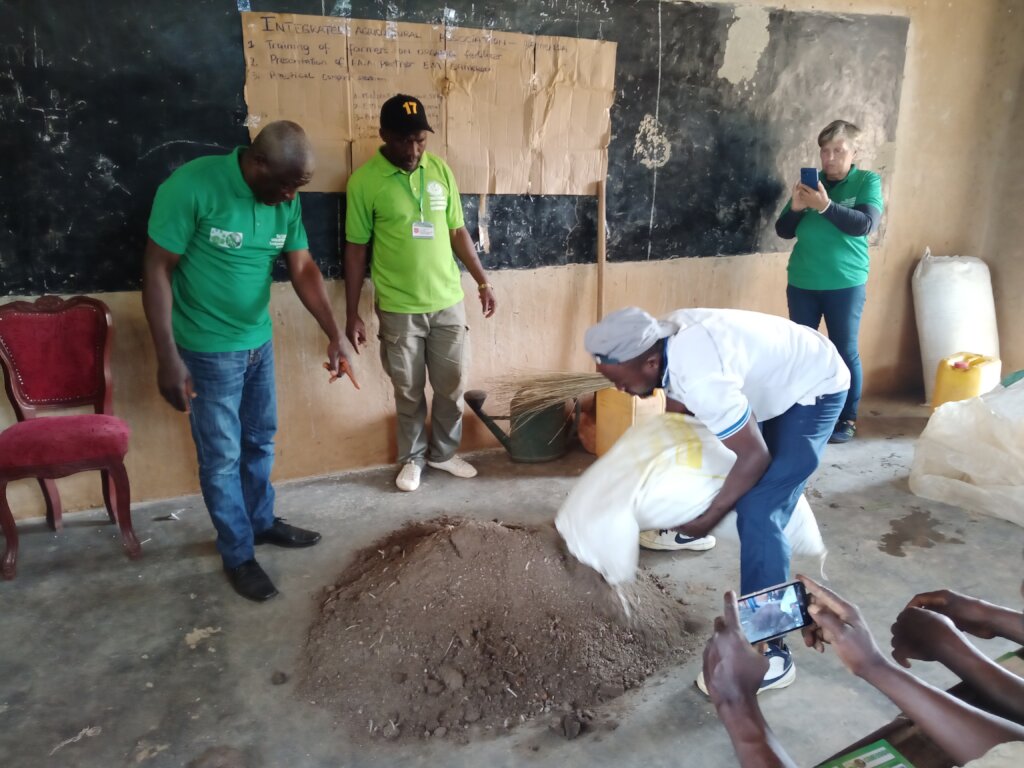
To promote awareness among the farmers of the value and importance of planting trees(Moringa) and the value of agroforestry for different purposes; how to raise and tend tree seedlings and ways of integrating trees into farming systems through the production and dissemination of public awareness materials.
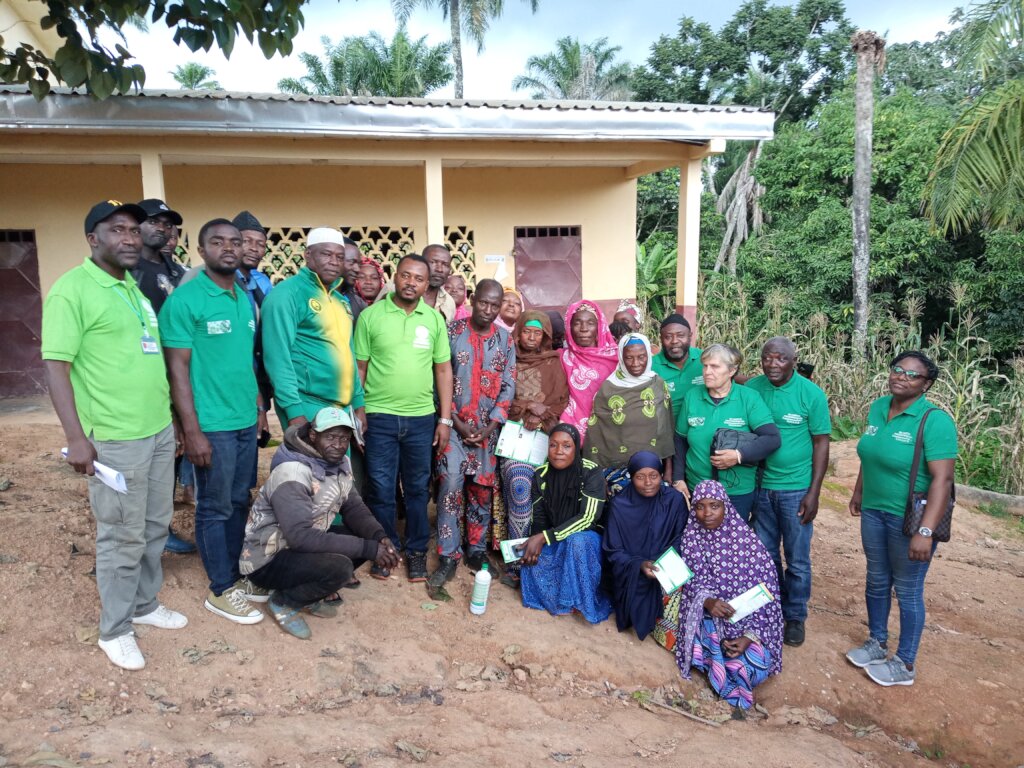
To mobilize and assist the project beneficiaries to organize themselves into Farmers’ groups and a Community Association to manage and sustain the activities initiated under the project and take advantage of the economies of scale for the purchase of farm inputs; processing, transportation and marketing of agricultural produce; increase their market share and facilitate better access to credit and other financial services.
IMPACTS.
Over 5000 Moringa and agroforestry trees have been nursed and planted, 500 tons of CO2 saved, while over 5000 smallholder farmers have been identified to support in the next 5 years. Increased knowledge and understanding about the nutritional and health properties of moringa and improved health and income for over 1000 households in the area. An opportunity they did not have before.
CHALLENGES.
During the implementation of this project, there were some challenges relating to security, safety, and mobility, and environment, operational and financial challenges.
Transportation has been challenging due to bad roads and lack of transport means that could be adapted to the roads we have, which slowed down the progress of I.A.A’s activities throughout 2022.The hiring of public transport could not permit I.A.A’s team to reach out to many communities in need of its services and intervention due to the fact that public transporters uses only small vehicles to ply rural roads which are not adapted and cannot access all communities.Rainy season affected the purchase and distribution of farm inputs, seeds and other project materials. Too much rain lead to the blockage of some footpath in remote villages where I.A.A carries out agricultural support projects. This slowed down the progress of these activities and probably some communities could not be reached. The Moringa and Agroforestry project needed the services of experts with extensive knowledge in rural engineering, and to have such people for decent work and output, I.A.A needed to allocate decent pay packages to motivate expert to be committed and work with rural smallholder farmers. Lack of full technical and financial capacity within the organization to accommodate all the project needs in this regards made it difficult to execute agroforestry and Moringa project successfully.
WAYFORWARD.
I.A.A will remain consistent and focused on its mission by collaborating and seeking support and partnership with international and local partners, individuals, private and public sector to learn, share and have access to opportunities and financial resources. I.A.A will increase fundraising efforts and use approaches that are relevant to attract more supporters and donors. I.A.A aims to raise $25,000 for this project to plant 25,000 trees by the end of 2023 to improve food security and economic resilient for 1000 rural households in Foumban. A donation of any amount to this project will go a long way to help I.A.A achieve these goals.
![]()
![]()
Links: