By Stephen Perlman | Consultant, HTAC
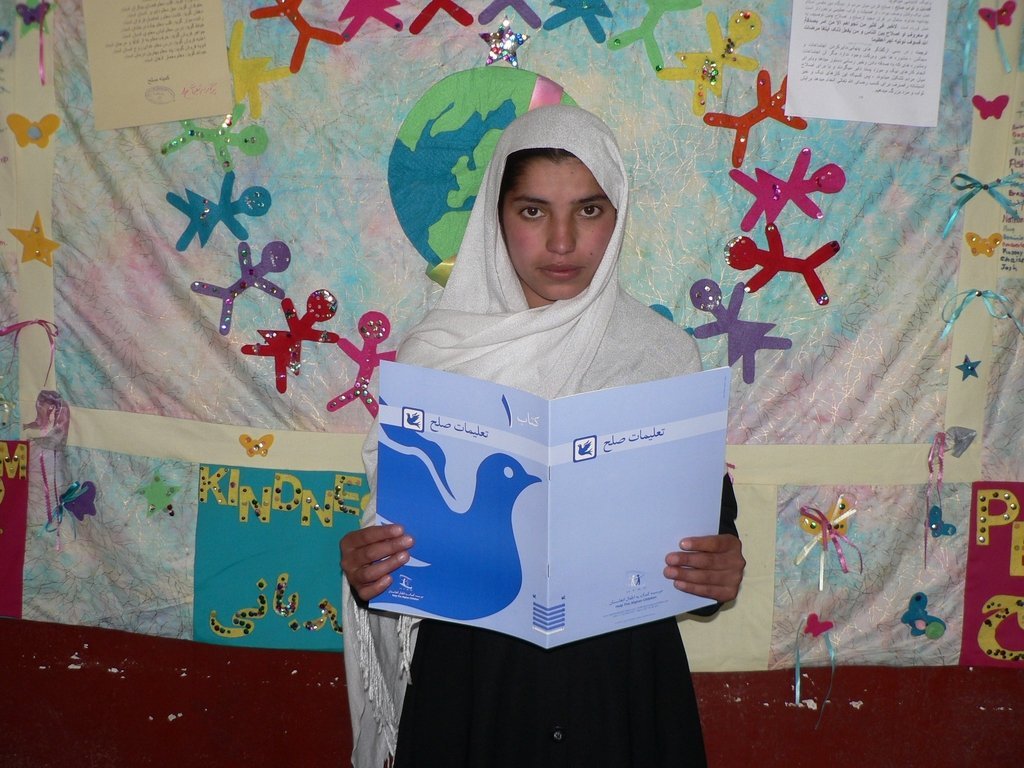
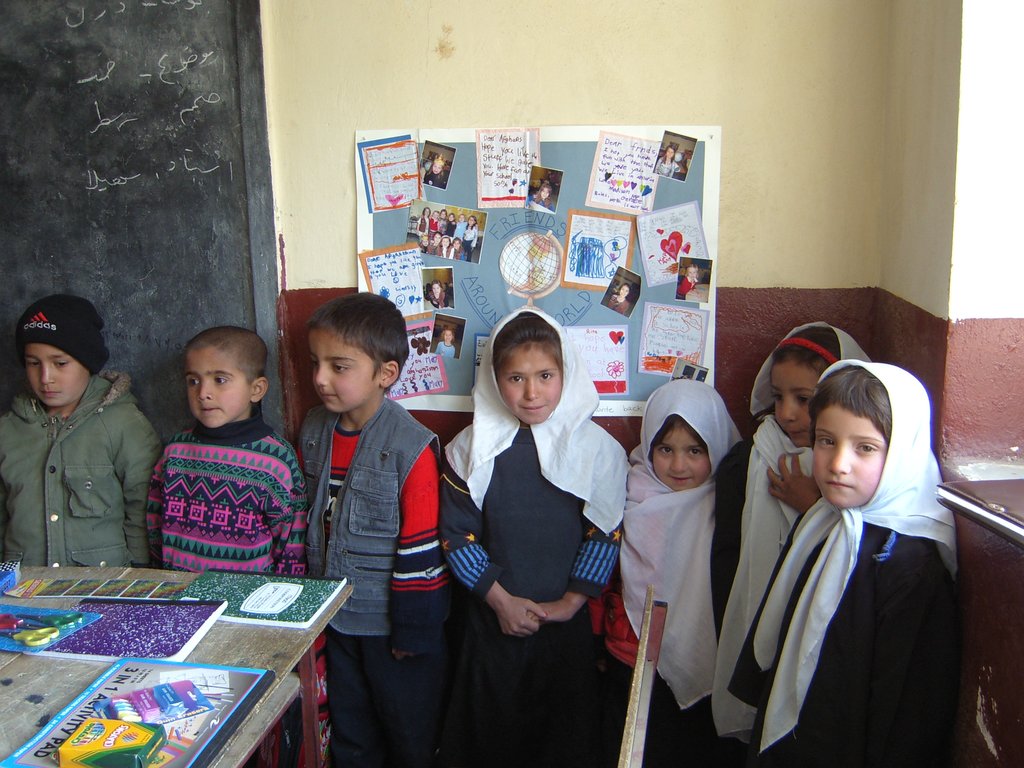
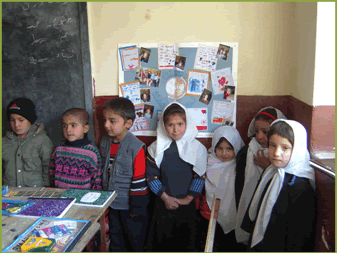
In rural Southern Afghanistan, the dark classroom with only one small window was so hot and stuffy that the 38 little girls could hardly breathe. There were only 9 desks and a few long chairs that had to be shared among the young students. Their teacher was trying to convince them how lucky they were to have the opportunity to study and learn, now that Afghanistan's Constitution decreed that girls as well as boys had the right to an education. She was talking about their bright future, the possibilities, and the many ways they could help Afghanistan when they finished their schooling.
The girls listened quietly. Their eyes were filled with questions, worries, and doubts. They knew that just the night before their Principal received a night letter from an unknown group who warned him to shut down their school or they would kill him. They were not sure if they would come tomorrow, or their school building would be standing. And yet, here they were, eager to learn as much as they could. Their thirst for knowledge was far greater than their fear. These little girls and their teacher clearly understood what was at stake; it wasn't just their own personal lives, but the life and soul of Afghanistan itself. They knew that without education there could be no chance for real lasting security, prosperity and a true civil society.
As U.S. and Western forces wind down their operations and turn over security to the (still fragile) Afghan national army, a furious war continues to rage in many parts of the country. This war is much more complex than fighting the ever-resilient Taliban; It's a war between two fundamental philosophies- those who preach and teach extremist views that glorify fighting, violence and lack of tolerance for women, girls and ethnic minorities; versus those who believe and practice peaceful, everyday living and to respect others. These extremists can be found, not just among the ranks of the Taliban, but in mosques, local communities; even schools and homes- where ignorance and fear of change reigns.
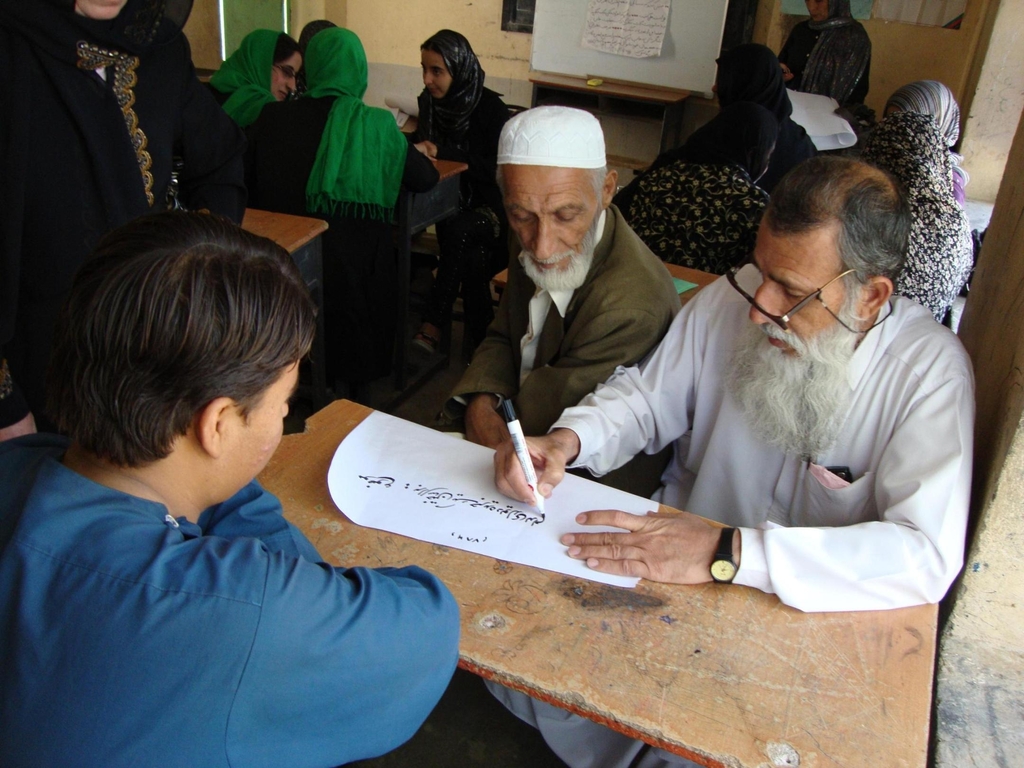
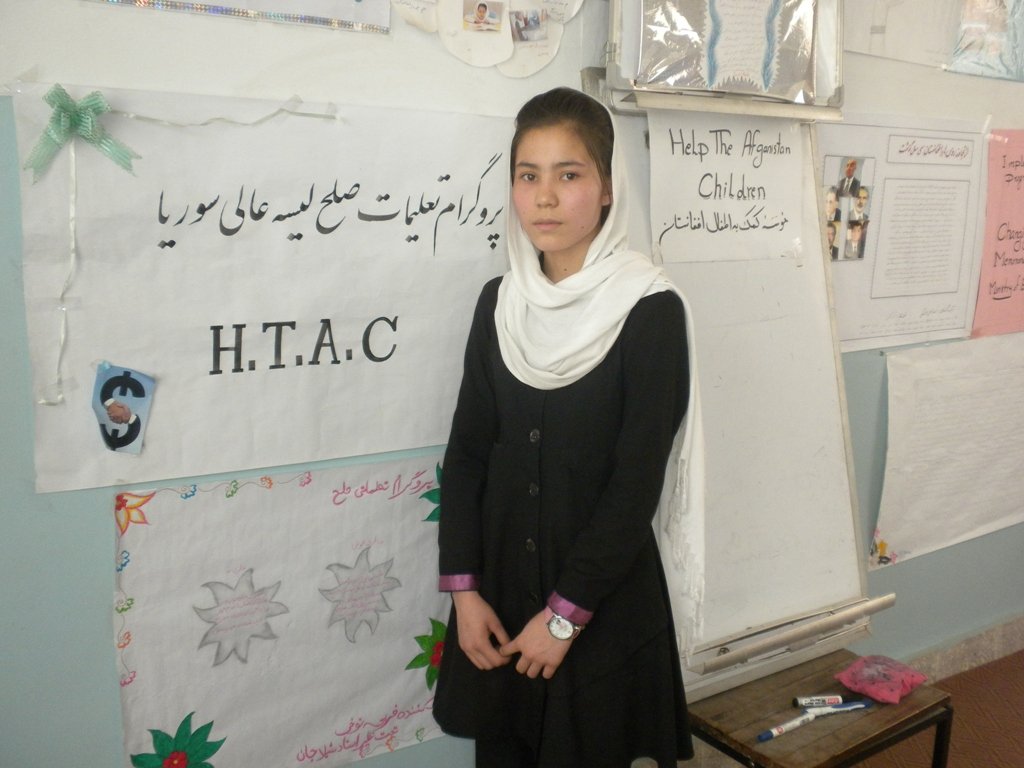
Help the Afghan Children is fighting this war by trying to educate impressionable youth, re-educate religious and community leaders about how peace and tolerance are hallmarks of Islam, re-training teachers to abandon corporal punishment practices, and helping parents create warm, nurturing home environments for their children and to support the education of their daughters.
As it turned out, those responsible for posting the night letter at the school Principal's home was a radicalized gang of young Afghan men who wanted to emulate the Taliban. Fortunately, the local religious and community leaders as well as many parents rose up to defend the Principal and the school; authorities arrested the young men and the girls continued with their studies. HTAC is committed to supporting these and other communities who yearn for peace and tolerance.
By Stephen Perlman | HTAC Consultant
By Stephen Perlman | Consultant, Help the Afghan Children
Project reports on GlobalGiving are posted directly to globalgiving.org by Project Leaders as they are completed, generally every 3-4 months. To protect the integrity of these documents, GlobalGiving does not alter them; therefore you may find some language or formatting issues.
If you donate to this project or have donated to this project, you can receive an email when this project posts a report. You can also subscribe for reports without donating.