By Stephen Perlman | Consultant, HTAC
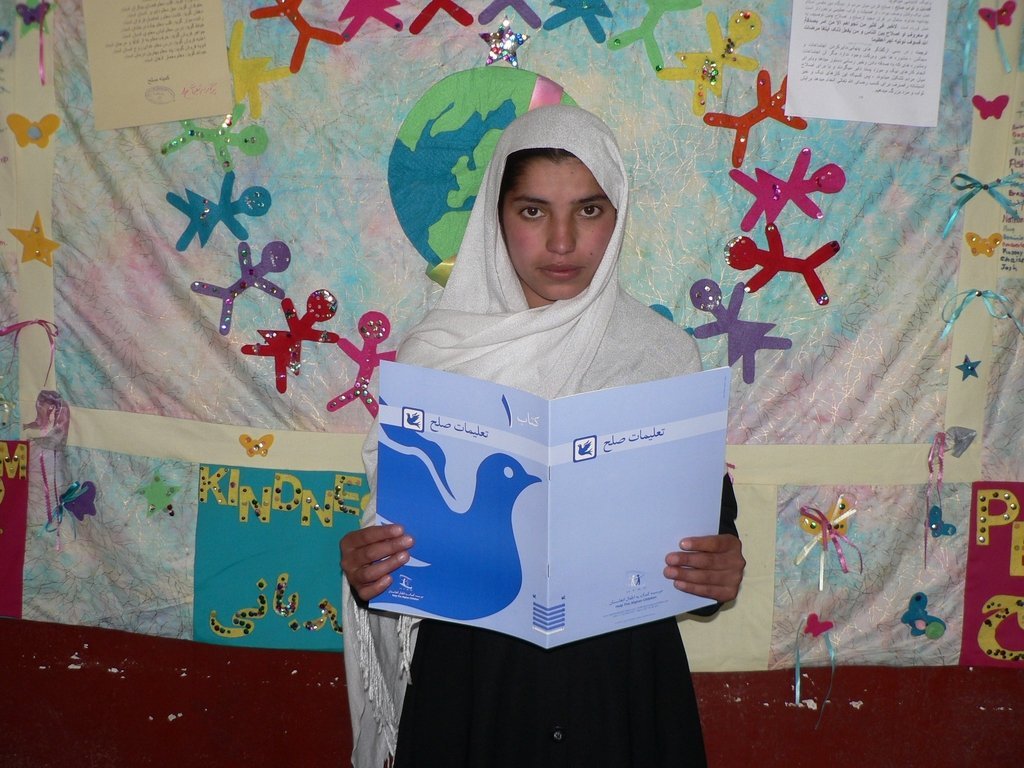
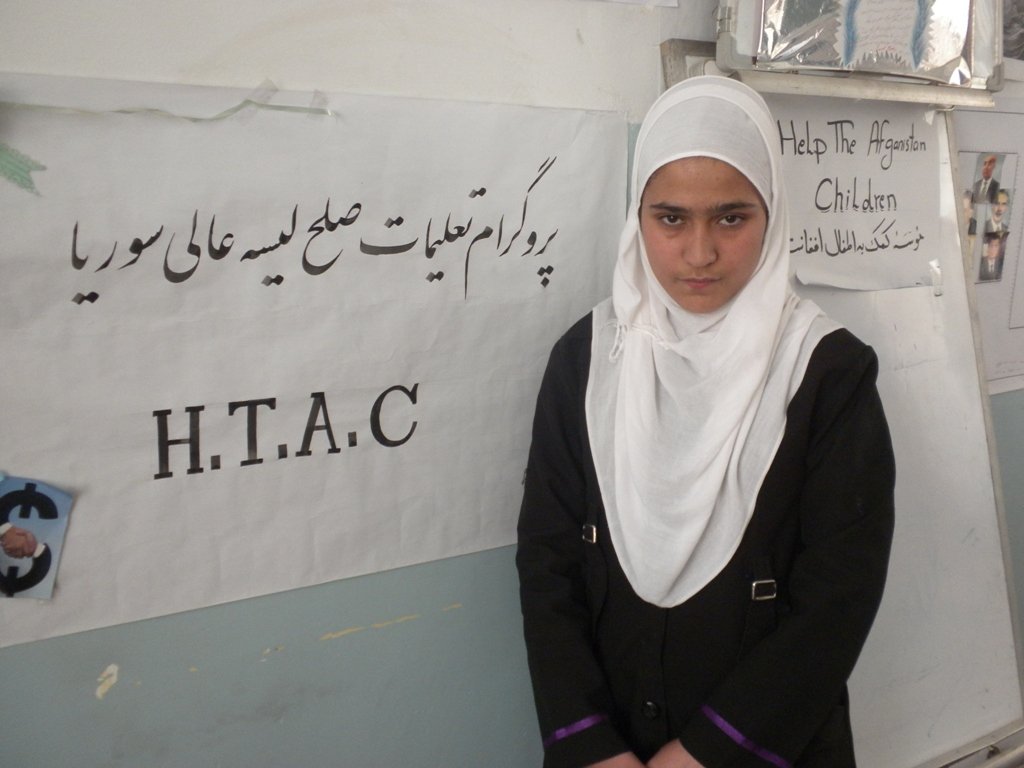
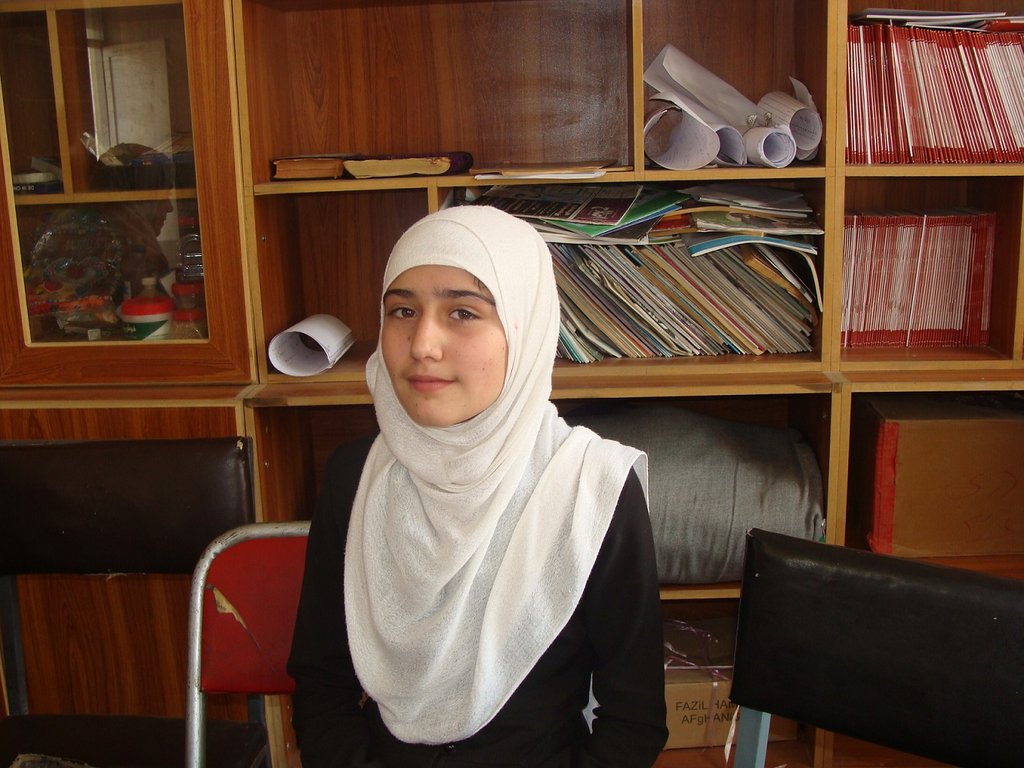
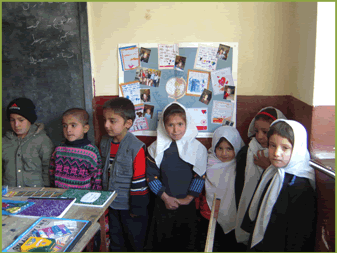
Sabz, who attends school in the underserved region of Paghman, Afghanistan, might be considered fortunate in one respect. Unlike many other girls who are pulled out of school once they reach puberty, Sabz's parents allowed her to continue her classes. But while Sabz's father was pleased she was studying Islam and other core curriculum classes, he wasn't sure what value his daughter's new peace education class would bring to Sabz and the family. When Sabz asked permission to remain at school for another hour once a week to learn peace education, he replied: "What are you going to be learning? How to bring peace to Afghanistan?" he laughed.
What Sabz's father couldn't really understand at first was that his daughter was learning some amazing things, including the art of mediating and resolving conflicts non-violently. It's a fact of life that beatings and other physical altercations occur all too frequently in Afghan homes and domestic violence, rarely reported in Western media, is the largest single cause of deaths. And it is in the homes where children learn from an early age that even the simplest disagreements are settled by aggression. There are no alternatives.
It took a single incident one afternoon that changed her parents' attitudes about peace education. Sabz came home from school to a household in crisis. Sabz's younger brother and older sister were in the middle of a horrible fight, yelling at each other at the top of their lungs, hitting and punching one another. Sabz's mother was screaming for them to stop, but to no avail. Sabz saw her father go to retrieve his stick; the one he used regularly to dole-out punishment when any of the children were disobedient.
Sabz sprang into action, separating her two siblings and imploring them to be quiet. "Why are you fighting?" she asked. As it turned out, her brother had accused his sister of stealing his pen, which the sister denied. "And you are about to hurt each other over a pen?" Sabz inquired. Sabz explained to them that there was a much better way to resolve their argument and would they like to know how? Using the concepts about reconciliation she learned in class; first asking them to sit across from each other, then taking turns to explain what was bothering them, using "I messages" and how they felt while the other person listened without interrupting. Then she asked her brother and sister to each relate back what they heard the other say, making sure they were listeneing to each other's feelings. Finally, she asked them to offer solutions to resolve the argument while respecting the other person's dignity.
Sabz's parents stood dumbfounded, watching this play out in front of them. Within ten minutes, the two small combatants smiled, pleased with the results and shook hands. As it turned out, the sister had not taken her brother's pen at all. It was Sabz's mother who had seen and picked up her son's pen (not knowing it was his), which he had left outside their home and placed it in a drawer. But to Sabz's father, this experience stunned him. He rushed over to sabz and put his hands on her shoulders. "Where did you learn to reconcile arguments?" he asked. Sabz reminded her father that she had told him she was learning about reconciliation in class, but now he had seen it with his own eyes and a big sile came to his face. "I am very proud of y ou" he said, and hugged her.
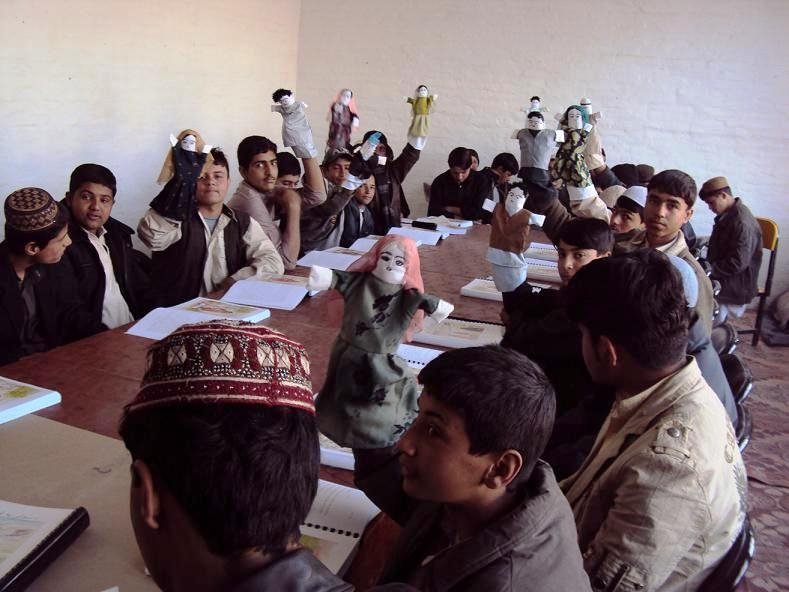
A few days later, Sabz learned that her father had spoken highly of her and the peace education class to a neighbor. In small, but profound ways, learning about peaceful everyday living is slowly spreading in Paghman and other communities where HTAC operates. Achieving real peace in Afghanistan may seen like some elusive dream, but children are showing the way.
By Stephen Perlman | Consultant, HTAC
By Stephen Perlman | Consultant, HTAC
Project reports on GlobalGiving are posted directly to globalgiving.org by Project Leaders as they are completed, generally every 3-4 months. To protect the integrity of these documents, GlobalGiving does not alter them; therefore you may find some language or formatting issues.
If you donate to this project or have donated to this project, you can receive an email when this project posts a report. You can also subscribe for reports without donating.