By Stephen Perlman | Consultant, Help the Afghan Children
When many people hear about Afghanistan's decades-old culture of violence and its effect on children, they're often surprised to learn that violence in the home is commonplace. They assume that most of this violence is caused by men, they are typically shocked to learn that women (mothers-in-law, aunts, older sisters) are responsible for physically aggressive behavior against wives and younger girls.
Nazi, a 7th grade girl, is just one of tens of thousands of Afghan girls who grew up in such an environment where she was subjected to harassment and physical abuse by her older sister and Aunt. Things were no better at school where Nazi was regularly tormented and threatened by a group of girls who ironically were victims of abuse in their own homes.
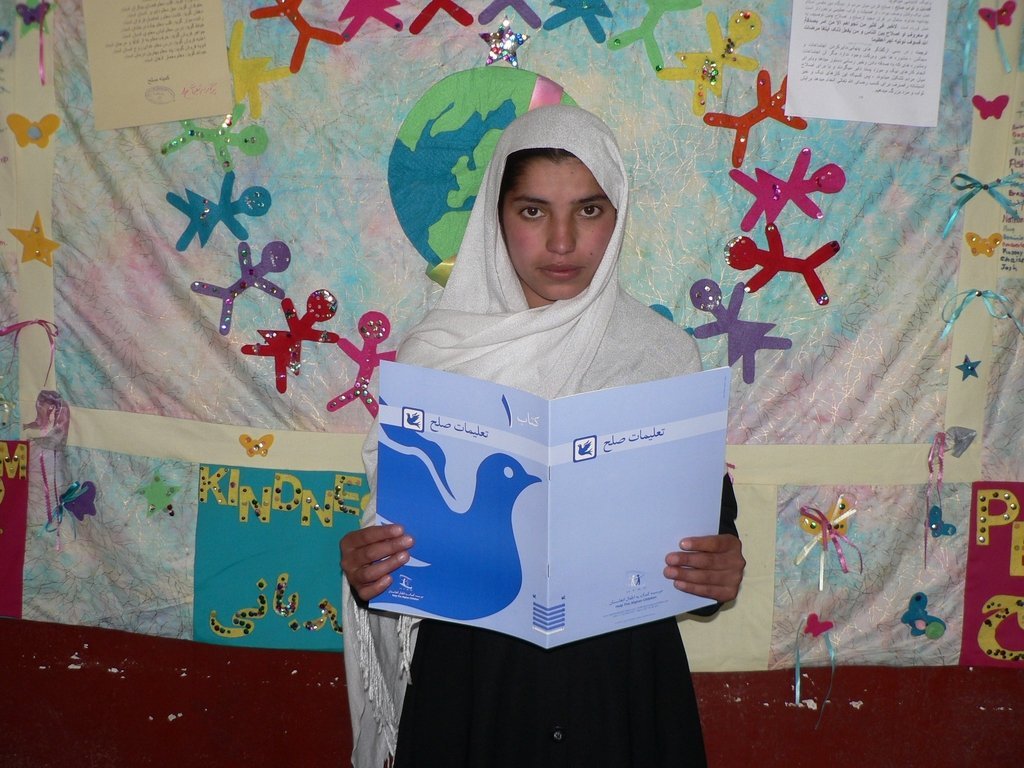
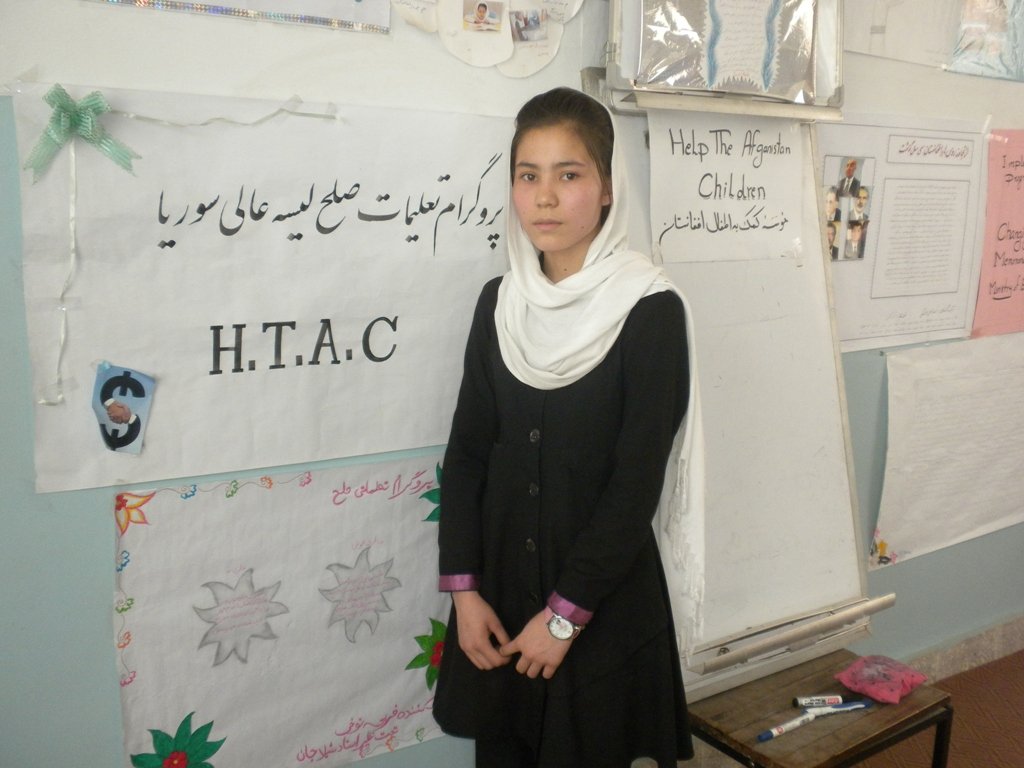
Nazi's fortunes began to change for the better when she enrolled in HTAC's peace education program. Living in an environment where fighting seemed to be the only solution for resolving conflicts or disputes, Nazi was fascinated to learn of multiple ways to mediate and reconcile basic differences without violent acts of aggression or threats.
Shy by nature, Nazi not only learned to role model these peaceful techniques in class, she surprised herself by volunteering to become a student peer mediator; part of a select group of students who step in and help mediate conflicts between students (typically occurring in the school yard), before they become violent.
One day the sister of a girl in Nazi's class hit another girl and the girl's gang of friends came to the class seeking revenge. Before any fighting broke out, Nazi intervened and successfully mediated the problem, getting the girls to calm down and helping them understand there was a better, more peaceful way to resolve their differences. The gang of girls who came to the class looking to fight felt better because Nazi made sure they were listened to and felt respected. The girl who had started the problem, realized her impact of her impulsive actions and apologized. When it all ended, there was a profound relief among the parties. They shook hands and promised to be more respectful and friendly to one another. Nazi felt empowered. She had made a difference.
Since then, Nazi has taken an even bigger step, teaching her family members about the lessons of peace and cooperation, and while things are not perfect, there has been a dramatic change in her household and much of the fighting has been replaced by expressing feelings and listening to one another.
Imagine what peace education can do if we could make this program available to thousands of other girls and boys, just like Nazi.
Project reports on GlobalGiving are posted directly to globalgiving.org by Project Leaders as they are completed, generally every 3-4 months. To protect the integrity of these documents, GlobalGiving does not alter them; therefore you may find some language or formatting issues.
If you donate to this project or have donated to this project, you can receive an email when this project posts a report. You can also subscribe for reports without donating.