By Hope Tayebwa | Project Leader
SHiNE Child Project report
Hope Tayebwa
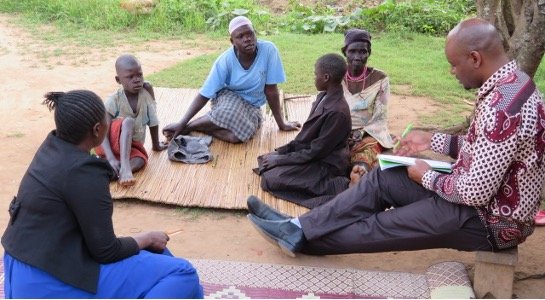
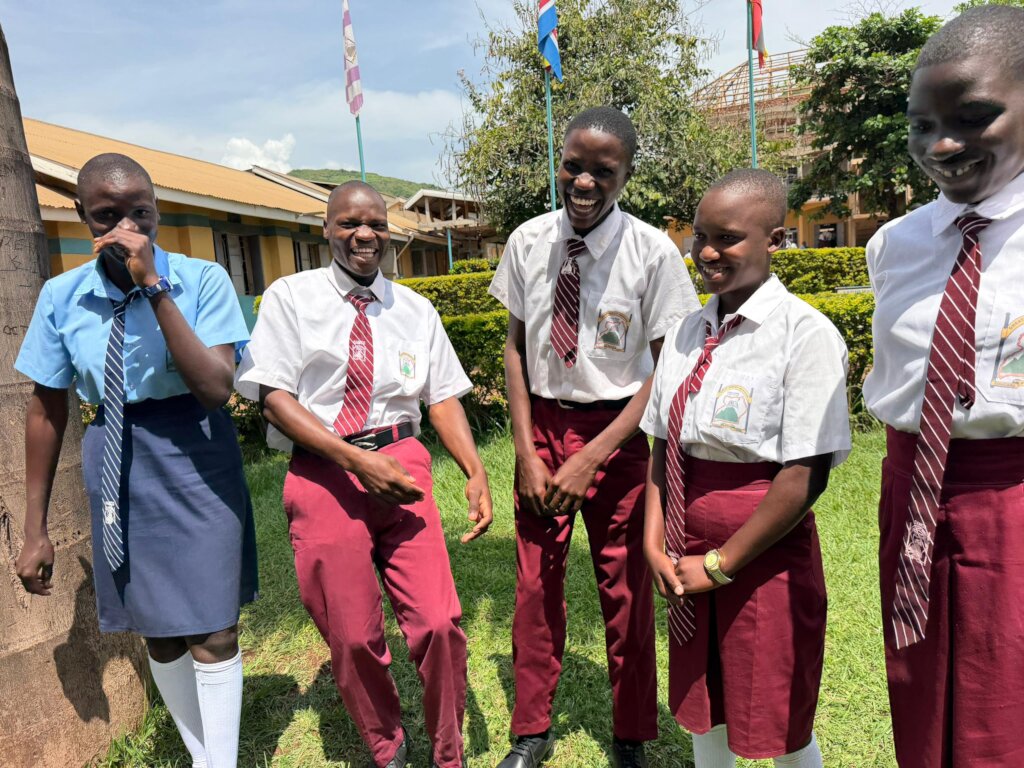
Recently, I had the opportunity to visit Southwestern Uganda with a team from the Palliative Care Association of Uganda. I share with you all partners and friends of the Special Hearts to Nature Every Child (SHiNE) Program, my insights on the trip. The Program is supporting families with severely sick children in four districts in south-western Uganda.
The SHiNE Child Program under Palliative Care Association of Uganda (PCAU) is an initiative that supports children living with chronic illnesses such as cancer, sickle cell disease, and diabetes. The program recently made a trip to Western Uganda, where this project operates, to understand the challenges faced by health workers, patients, and families, while exploring opportunities to enhance cancer navigation and palliative care services in the region.
Each year, an estimated 3,278 children and adolescents develop cancer in Uganda, but only a third of them reach treatment, the Uganda Cancer Institute (UCI) has revealed.
According to Dr. Banabas Atwine, the Clinical Head of The Paediatric Cancer and Haematology Unit at Mbarara Regional Referral Hospital, in Uganda, the statistic could be translated to say that approximately ten children are diagnosed with cancer daily across Uganda. Many of these children are either missed or misdirected to facilities that cannot provide adequate care. Dr. Atwiine also notes that Community Volunteers and Nurses lower health facilities and in community are often the first point of contact for the sick. Yet, they lack the training and tools to identify children with cancer early. This gap delays referral and treatment, worsening outcomes.
Other challenges faced in the children’s cancer sector may include;
Families face severe financial challenges. Cancer medicines can cost over one million shillings, forcing households to sell property or abandon treatment altogether. Even when patients begin therapy, many drop out midway due to lack of funds. Some families believe that if a child looks healthy outwardly, treatment is unnecessary, further contributing to abandonment. The hospital hostel has helped reduce this problem by providing food and accommodation, but sustainability remains a concern.
Health System Limitations
The health system is primarily oriented toward acute illnesses such as malaria, which are treated quickly. Chronic diseases like cancer require prolonged diagnosis, treatment, and follow-up, which the system is not adequately prepared for. There are only a handful of oncology nurses, and many lack training in palliative care, psychosocial support, and pain management. Frequent stock-outs of chemotherapy drugs and laboratory reagents disrupt treatment schedules, leaving families frustrated and hopeless.
Psychosocial and Nutritional Needs
Beyond medical treatment, children and families face psychosocial challenges. Counseling services are limited, and many families struggle emotionally with the stigma and burden of cancer. Nutrition assessment is also lacking, yet malnutrition worsens treatment outcomes. A dedicated palliative care nurse could help address these gaps by offering counseling, end-of-life preparation, and family support.
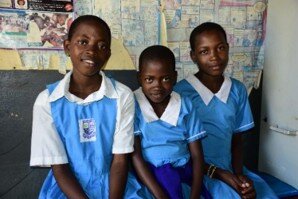
Despite these challenges, the SHINE Child Program has progress and offered notable solutions to the pain and suffering that children suffering from cancer would otherwise face unattended.The program has supported 67 children and their families. . The program has supported screening, diagnosis, access to treatment, and accommodation, which has reduced abandonment rates. Families express appreciation for home visits, which provide not only medical care but also emotional reassurance.
Community support is essential, especially for families in rural areas who face isolation and poverty. Hospital administration support is critical for sustainability, and volunteers play a vital role but need supervision and facilitation.
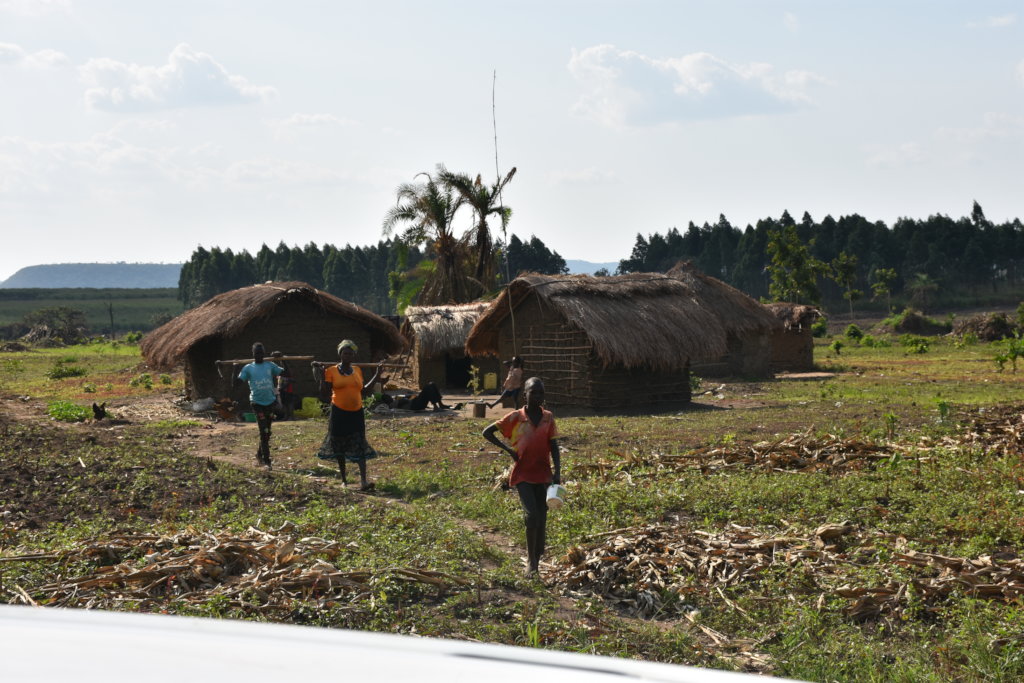
Transport remains a pressing need; health workers require motorcycles or allowances to reach villages where children cannot access hospital services.
Proposed Solutions
To address these challenges, several solutions have been proposed:
PCAU and Kitagata Hospital agreed on the need to develop a 2026 Work Plan that outlines priorities for cancer navigation and palliative care. This plan will quantify the basic needs of children, strengthen stakeholder engagement, and identify sustainable donor-supported interventions. Fundraising strategies will involve hospital leadership, community organizations, and national partners to ensure continuity of the SHINE Child Program.
Joshua’s story
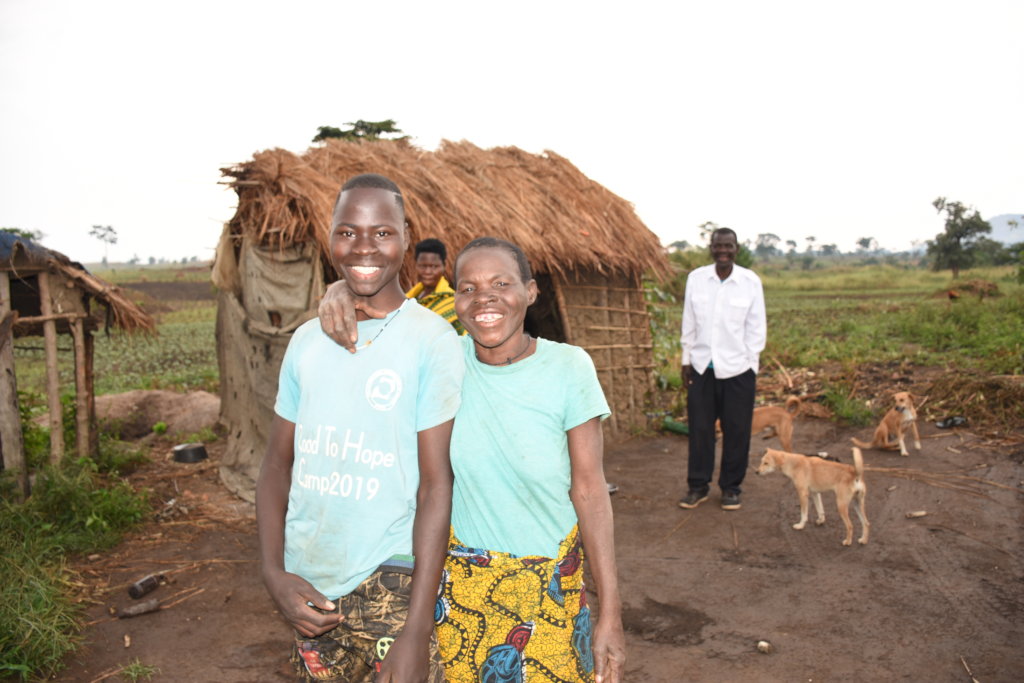
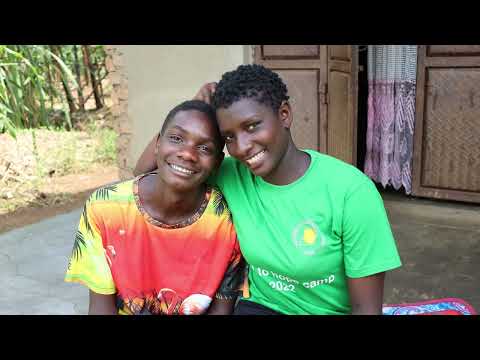
Joshua is a young boy living with his father, who has faced many challenges while caring for him. Joshua’s father, once married before, has children from his previous relationship. His current wife has just given birth, making the family responsibilities even heavier. Despite these circumstances, Joshua’s father remains the breadwinner, striving to provide for everyone.
In 2022, Joshua was diagnosed with Rhabdomyosarcoma, a form of childhood cancer. The diagnosis brought immense challenges, including the need for a colostomy bag, frequent hospital visits, and the emotional toll of battling a life-threatening illness.
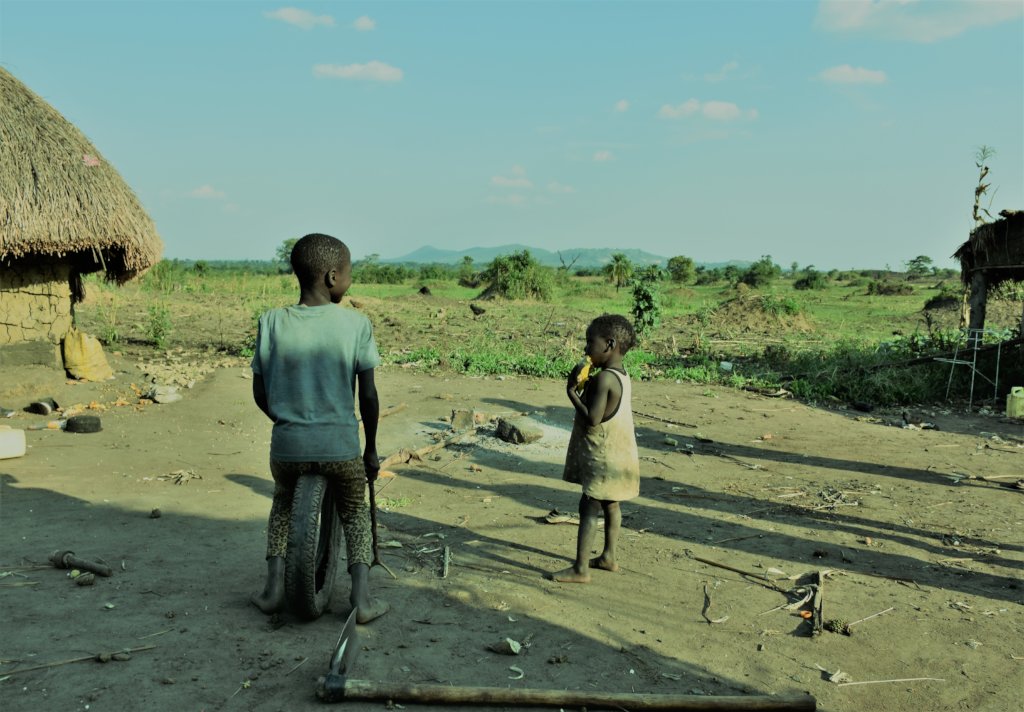
The family’s living conditions are not favourable, and transport to treatment centres such as Musarara and the Uganda Cancer Institute has been a major obstacle. These difficulties have made it hard for Joshua to access consistent care.
Joshua’s journey took a positive turn when he was discovered by the Palliative Care Association of Uganda (PCAU) team during a Mobile Hospice Mbale outreach. He was enrolled under the SHINE Child Program, which provides support for children with chronic illnesses. Through this program, Joshua and his family have received transport assistance, colostomy bags, and other essential support.
This intervention has brought steady improvement in Joshua’s condition and renewed hope for the family.
Joshua’s father and family are deeply grateful to the supporters and well-wishers who have walked with them during this difficult journey. They acknowledge the kindness of those who have provided transport, medical supplies, and encouragement. Their appreciation extends to all who continue to stand with children like Joshua, ensuring they receive care and dignity despite the challenges of chronic illness.
Links:
Project reports on GlobalGiving are posted directly to globalgiving.org by Project Leaders as they are completed, generally every 3-4 months. To protect the integrity of these documents, GlobalGiving does not alter them; therefore you may find some language or formatting issues.
If you donate to this project or have donated to this project, you can receive an email when this project posts a report. You can also subscribe for reports without donating.



Support this important cause by creating a personalized fundraising page.
Start a Fundraiser