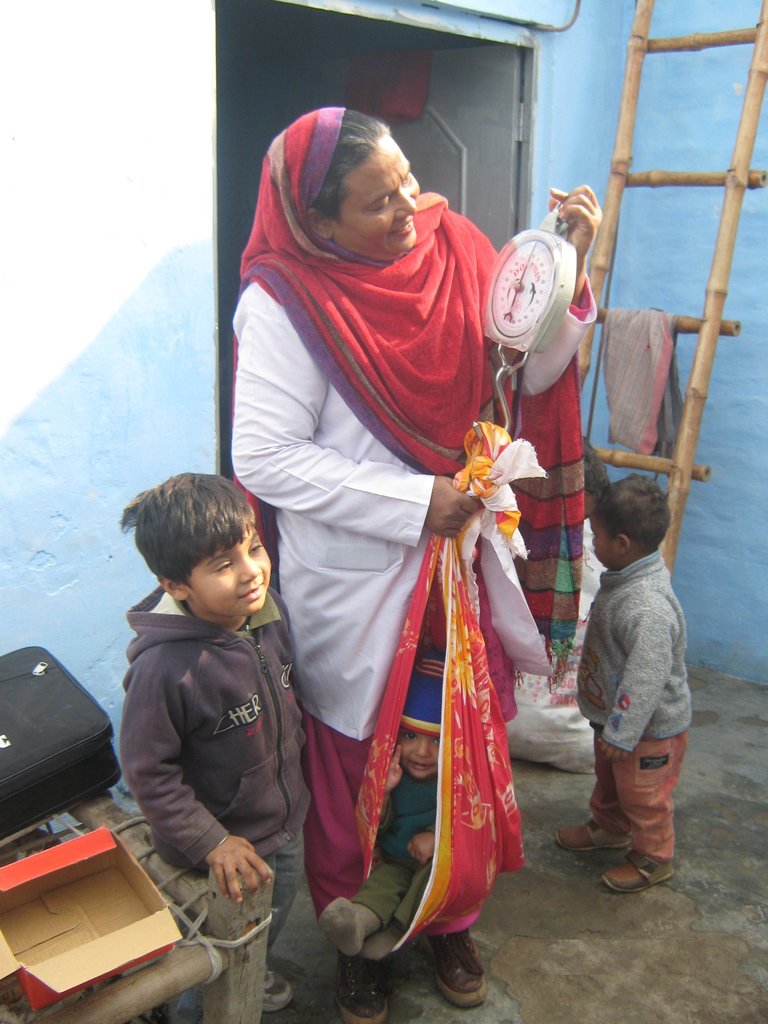
Despite Pakistan's gains in healthcare, its poorest populations continue to suffer from a high prevalence of preventable diseases such as pneumonia and TB. Pakistan also has extremely poor maternal and child health indicators: 25,000 to 30,000 women die every year due to delivery complications, mostly from preventable causes. This project aims to improve these health indicators through improved antenatal care, education on malaria, polio and diarrhea, and immunizations for children under five.
The communities targeted by this project lack sufficient government healthcare facilities, due to logistical inaccessibility and extreme poverty. Other challenges to health progress include unsanitary conditions, polluted water, illiteracy among rural mothers, poor knowledge of basic health and hygiene practices, harmful cultural practices such as child marriage, and low access to contraceptives.
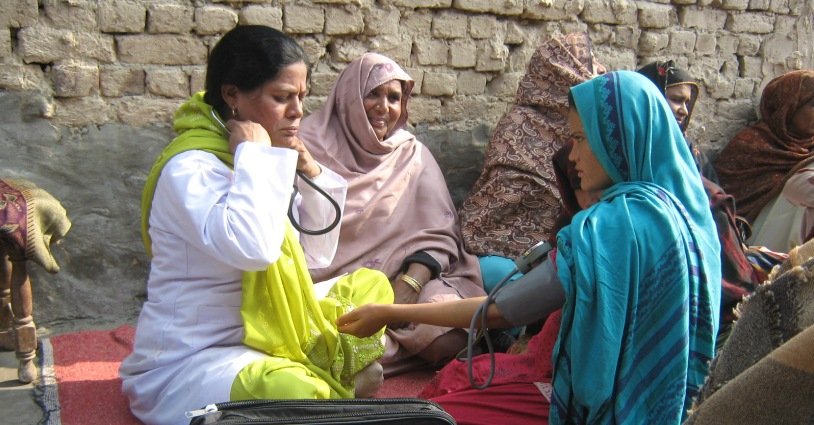
BRAC's health program provides a holistic set of services, including health education, preventative care and curative services. BRAC makes these services accessible and affordable by training women to serve as community health workers and volunteers in their own communities. These women act as a bridge between their neighbors and registered medical practitioners. With training from BRAC and regular refresher courses, they are equipped to treat many common illnesses and educate their neighbors.
By improving Pakistan's health system, this project contributes to the several of the UN's Millennium Development Goals. In addition to improving people's access to preventative and curative health services and raising overall awareness of health issues among poor populations, the program contributes to poverty reduction. It empowers women not only by focusing on women as patients, but also by providing self-employment opportunities to women as community health promoters.
This project has provided additional documentation in a PDF file (projdoc.pdf).