By Doris Kananu | Program Director
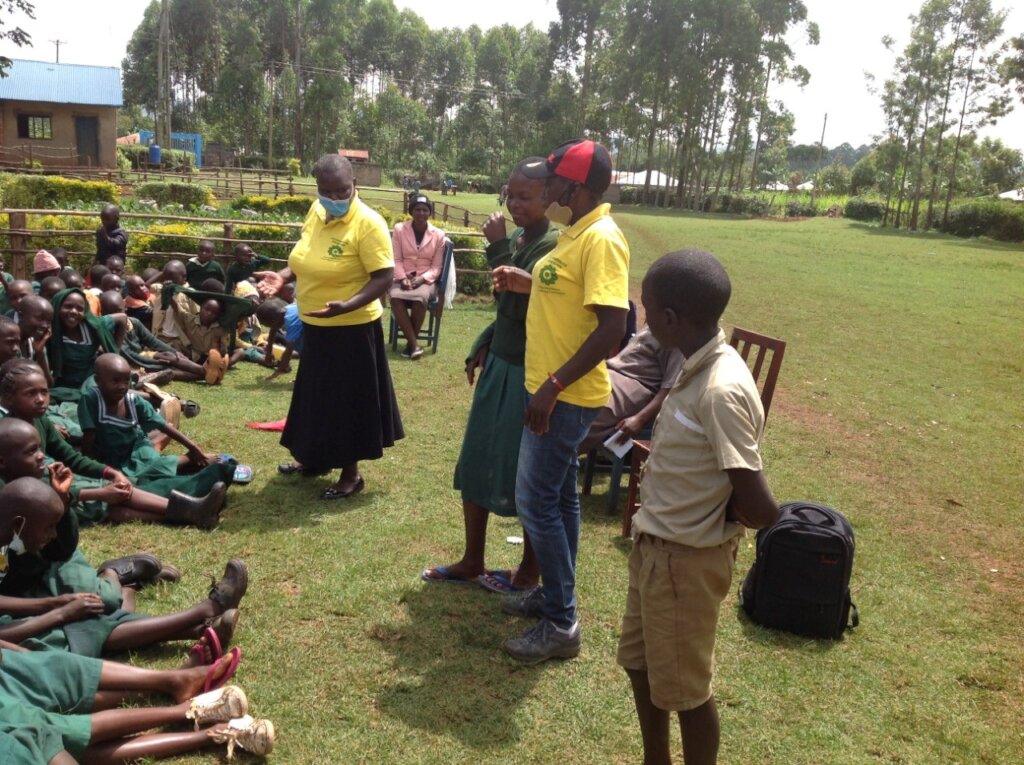
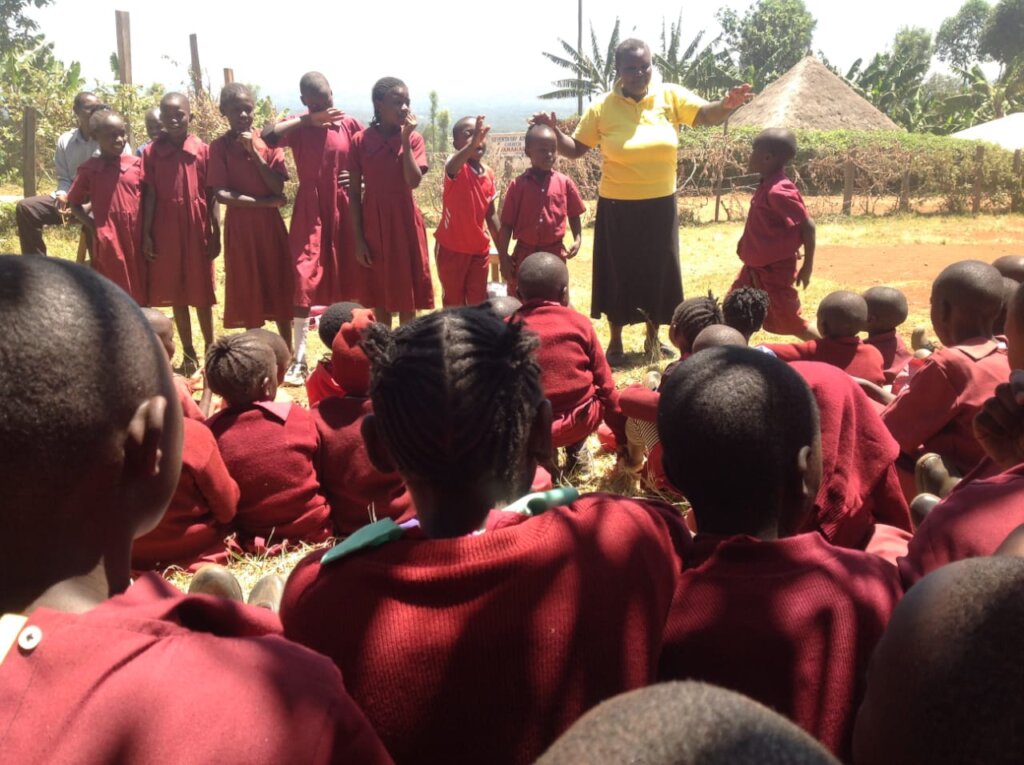
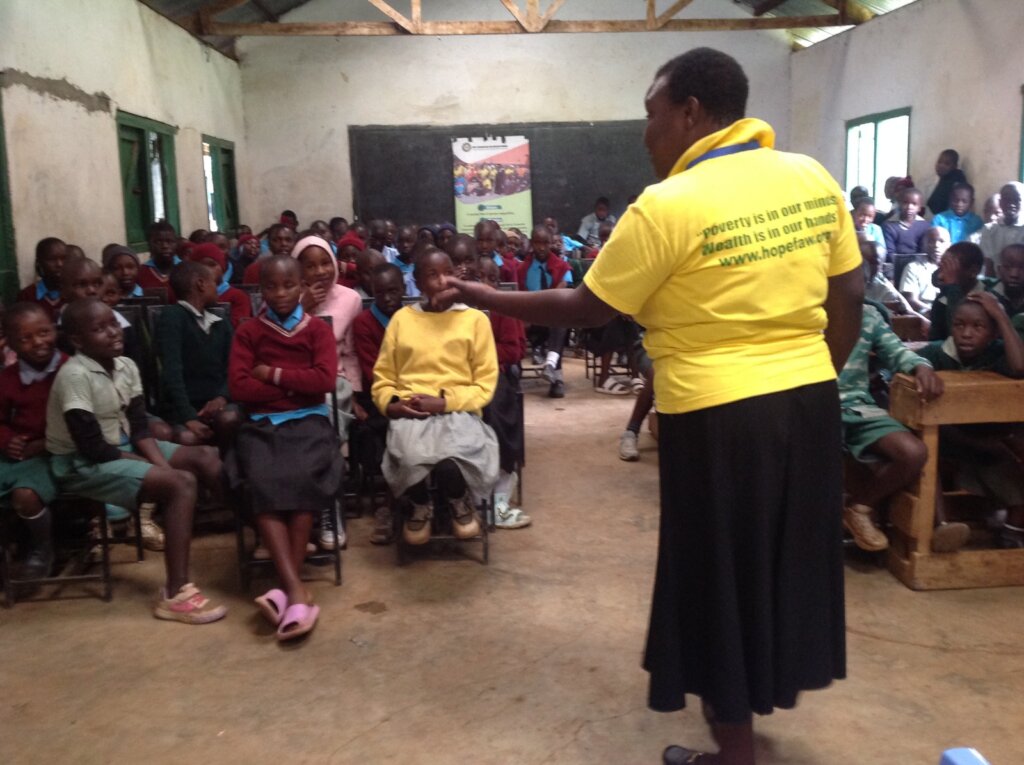
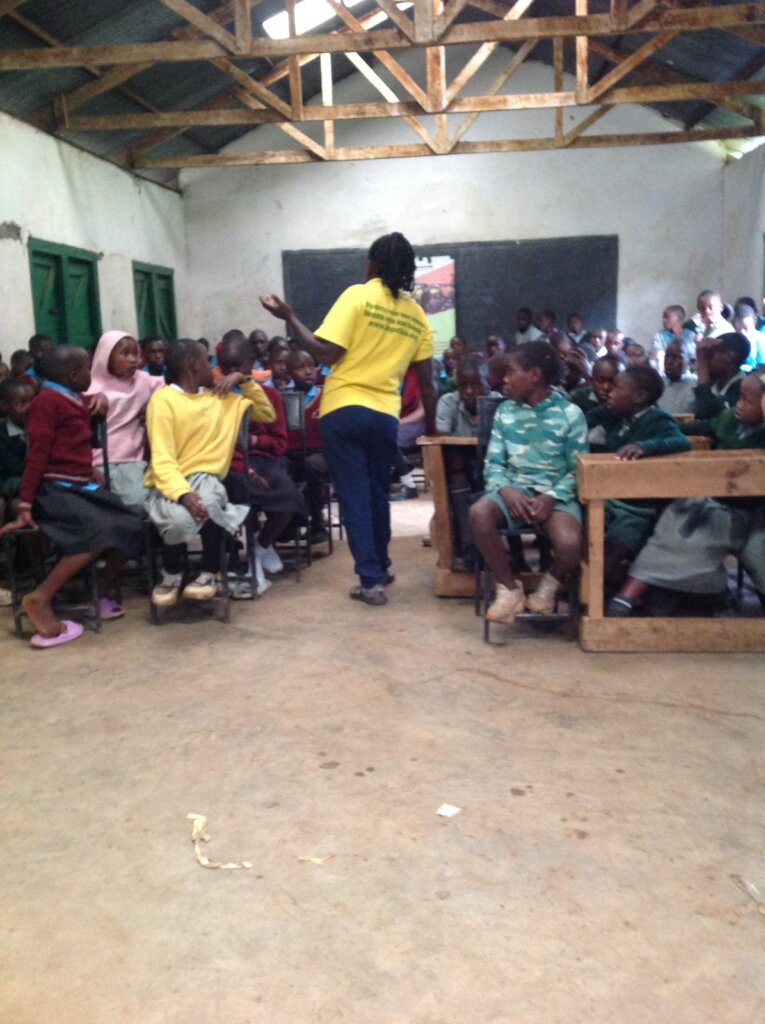
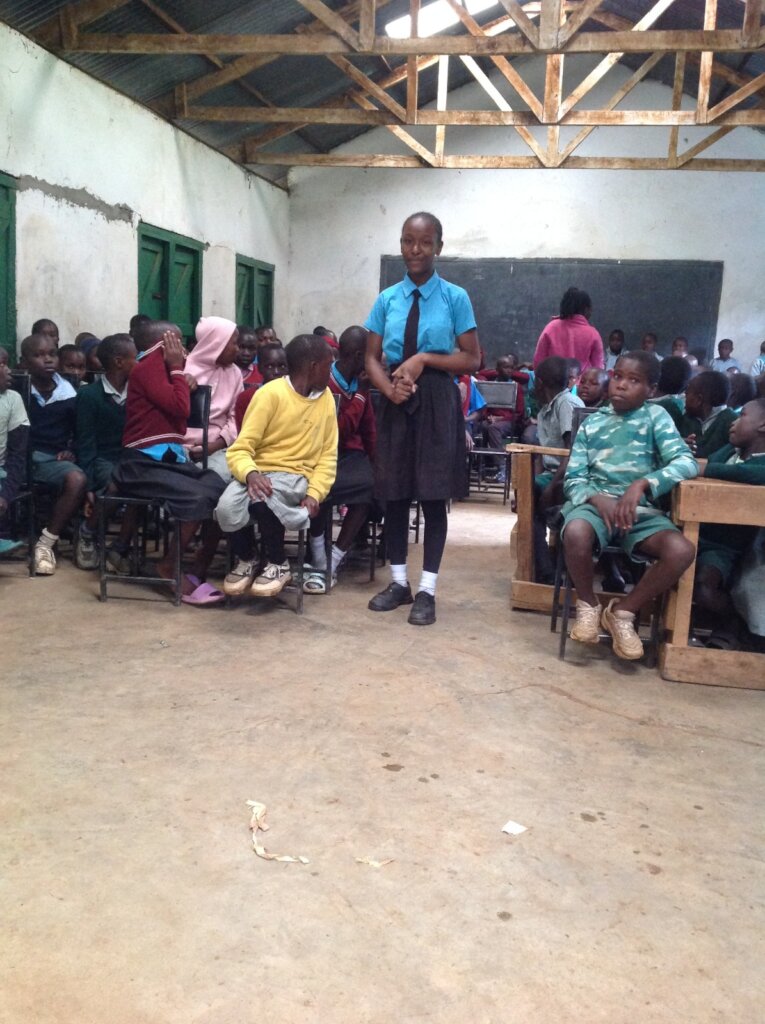
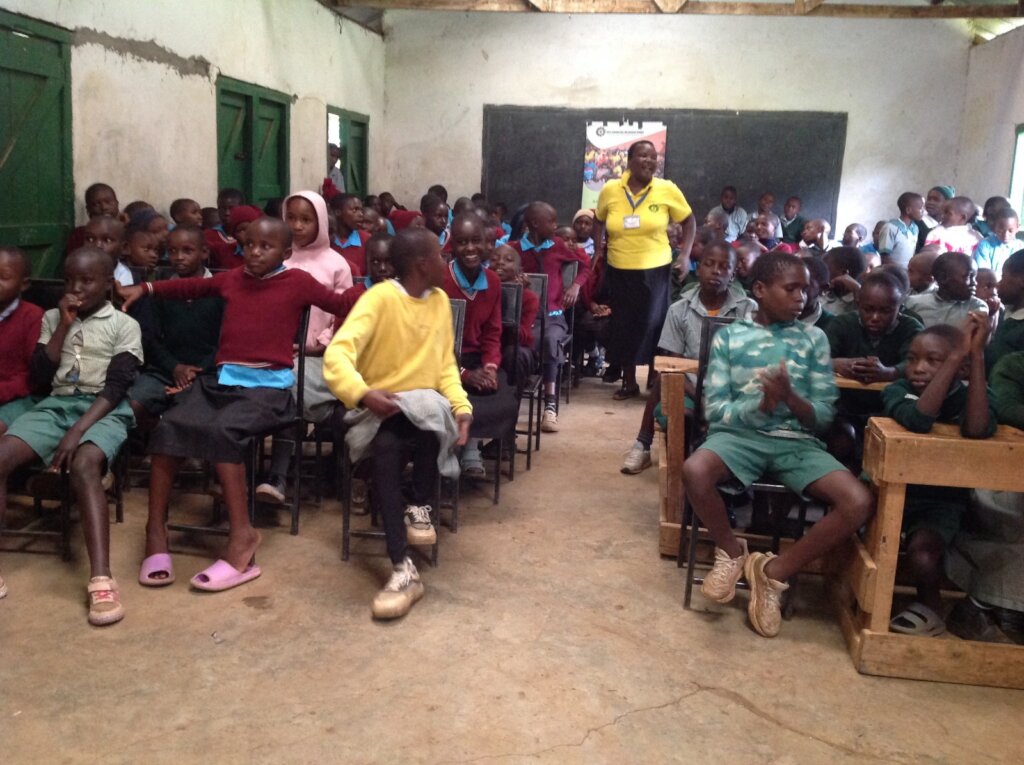
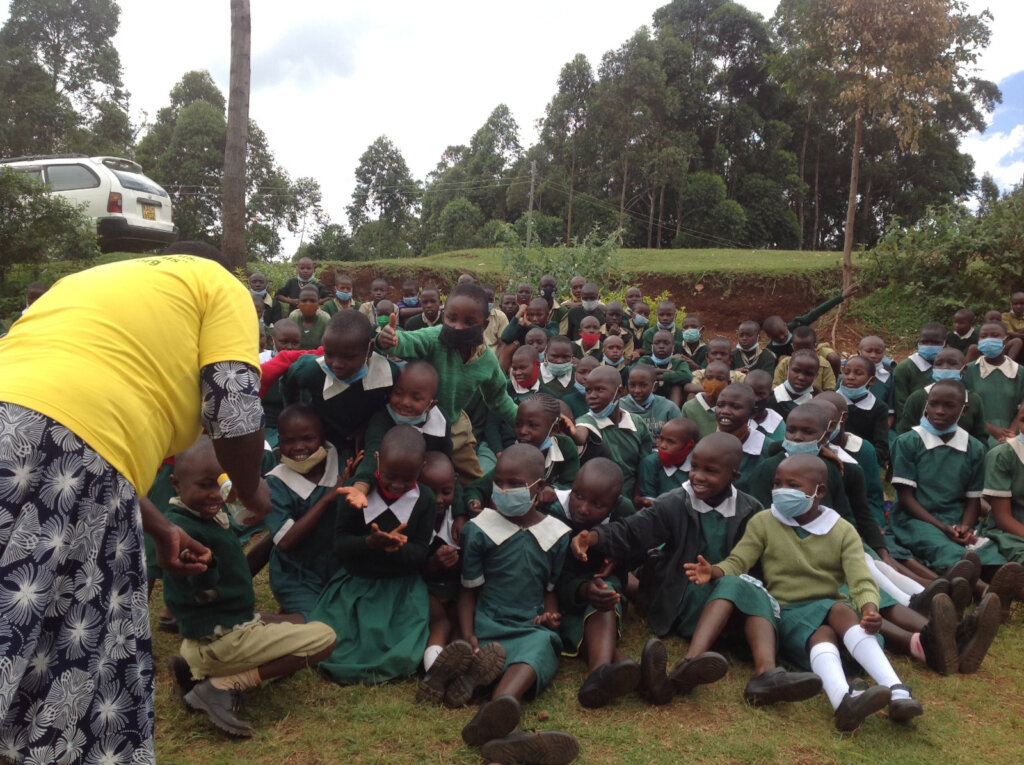
A menstrual health education session was conducted at Kipkebe Primary School to equip learners with accurate and age-appropriate information on menstruation, menstrual hygiene, and reproductive health. The session aimed to promote menstrual dignity, confidence, and positive attitudes while addressing myths and stigma surrounding menstruation.
The session provided a safe and interactive environment where learners could ask questions and openly discuss menstrual health. Key topics included understanding menstruation and the menstrual cycle, menstrual hygiene management, proper use and disposal of menstrual products, personal hygiene, menstrual pain, nutrition, and when to seek medical support.
Learners were encouraged to understand that menstruation is a normal biological process and should not be a source of shame or embarrassment. They were taught the importance of changing menstrual materials regularly, maintaining personal hygiene, washing hands before and after changing menstrual products, and seeking support from trusted adults whenever they experience challenges.
The discussion also addressed common myths and misconceptions about menstruation. Learners were encouraged to support girls and create a school environment where menstruation can be discussed openly and respectfully. One learner shared, “I have learned that menstruation is normal and that I should not feel ashamed when I get my period.” Another added, “Before, I was afraid to ask questions about periods, but now I know that I can seek help when I need it.”
The session further emphasized the link between menstrual health and education. Girls were encouraged to remain in school during their menstrual periods and seek support whenever they experience pain, lack menstrual products, or face other challenges. One learner noted, “Having my period should not stop me from learning. With the right support, I can stay in school and continue with my studies.”
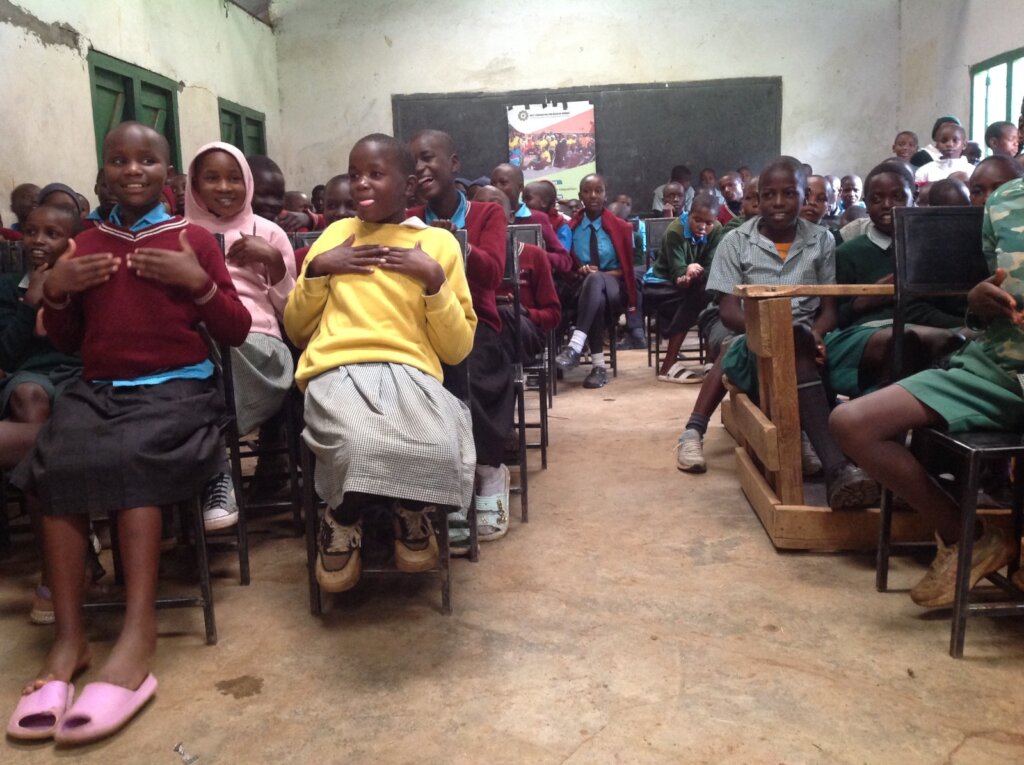
Learners actively participated through questions, discussions, and experience sharing. The session increased their understanding of menstrual hygiene and helped build confidence among girls to manage menstruation safely and with dignity. Learners were also encouraged to challenge menstrual stigma and support their peers.
Despite the positive outcomes, challenges such as limited access to menstrual products, inadequate information at home, and persistent myths may continue to affect menstrual hygiene management. It is therefore recommended that menstrual health education be conducted regularly, access to sanitary products be strengthened, and parents, teachers, and community stakeholders be actively involved in supporting menstrual dignity.
The menstrual health education session at Kipkebe Primary School was successful in improving learners' knowledge and confidence regarding menstruation. It reinforced the message that menstruation is a normal part of growing up and should never prevent a girl from attending school or participating fully in school activities. Continued education and support will help ensure that girls manage menstruation with dignity, confidence, and without shame.
We sincerely appreciate our donors and partners for their continued support in promoting menstrual health and dignity among girls. We kindly request your continued support and encourage you to share our work with your networks so we can reach more schools and communities and strengthen our impact.
Project reports on GlobalGiving are posted directly to globalgiving.org by Project Leaders as they are completed, generally every 3-4 months. To protect the integrity of these documents, GlobalGiving does not alter them; therefore you may find some language or formatting issues.
If you donate to this project or have donated to this project, you can receive an email when this project posts a report. You can also subscribe for reports without donating.



Support this important cause by creating a personalized fundraising page.
Start a Fundraiser