By Naresh Newar | Communications Associate
It was only in 2019, two years after a new municipality was formed as a local government body (following Nepal’s nationwide restructuring of the governance system in 2017) that they were able to convince the local government authorities to establish a birthing center. But they had no resources to buy quality equipment and facilities to run the center.
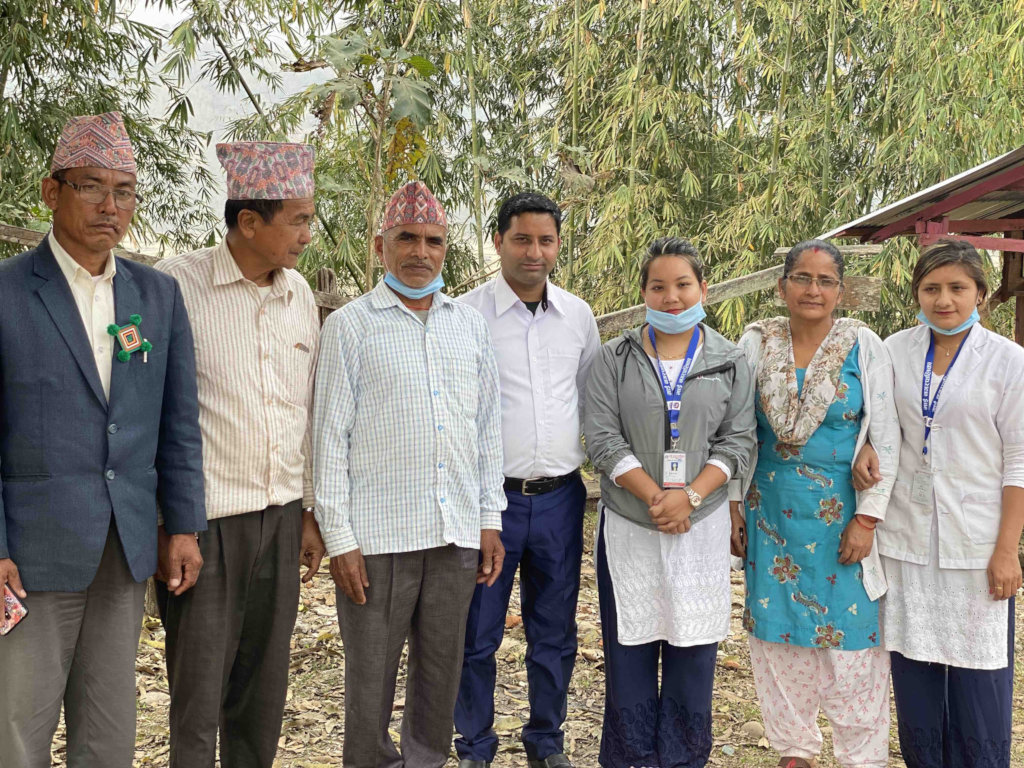
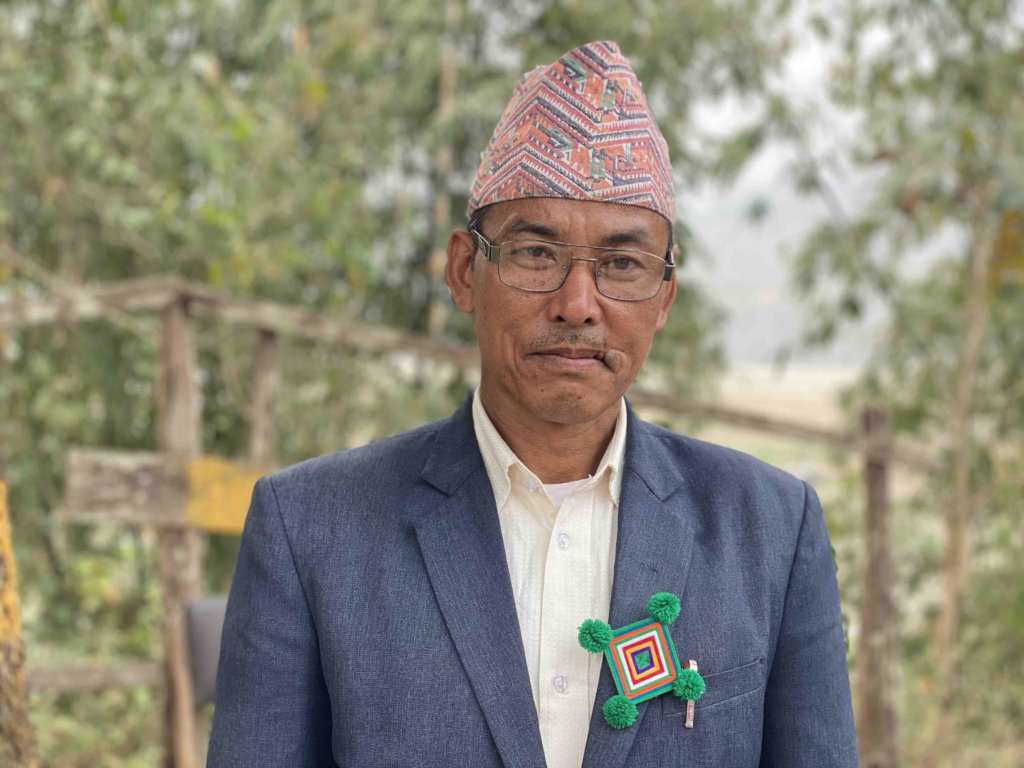
“We didn’t even have trained nurses. All women with pregnancy-related complications had to travel to Birtamod city (3 hours of drive) and they often had to borrow money or take high-interest loans to cover the expenses for transport, lodging, and medication. It was very frustrating for everyone including us,” says Dev, who is the chair of the Mahamai Health Post Renovation Committee in Mahamai ward of Mai Municipality.
It was also the same year when One Heart Worldwide (OHW) had just started its safe motherhood program in Ilam helping to renovate birthing centers. When Dev and his team heard of OHW’s partnership initiatives with the municipalities, they rushed to meet the Mai Municipality and OHW for support.
Once they gained all the information about the partnership process, they immediately started raising their own funds from their own pockets and didn’t want to wait for the formal documentation process.
“This was a very good opportunity and we didn’t want to wait for Mai Municipality to complete the process. We were confident that the office would pay later but we didn’t want to lose this golden opportunity to work with OHW,” explains Mahamai Ward-7 Chair, Ram Prasad L., who is also a member of the renovation committee.
Limbu put in his largest share of contribution and convinced other members to also contribute immediately. They were able to raise enough funds to contribute their 50% share in the partnership with OHW to start financing the renovation of the birthing center in their health post.
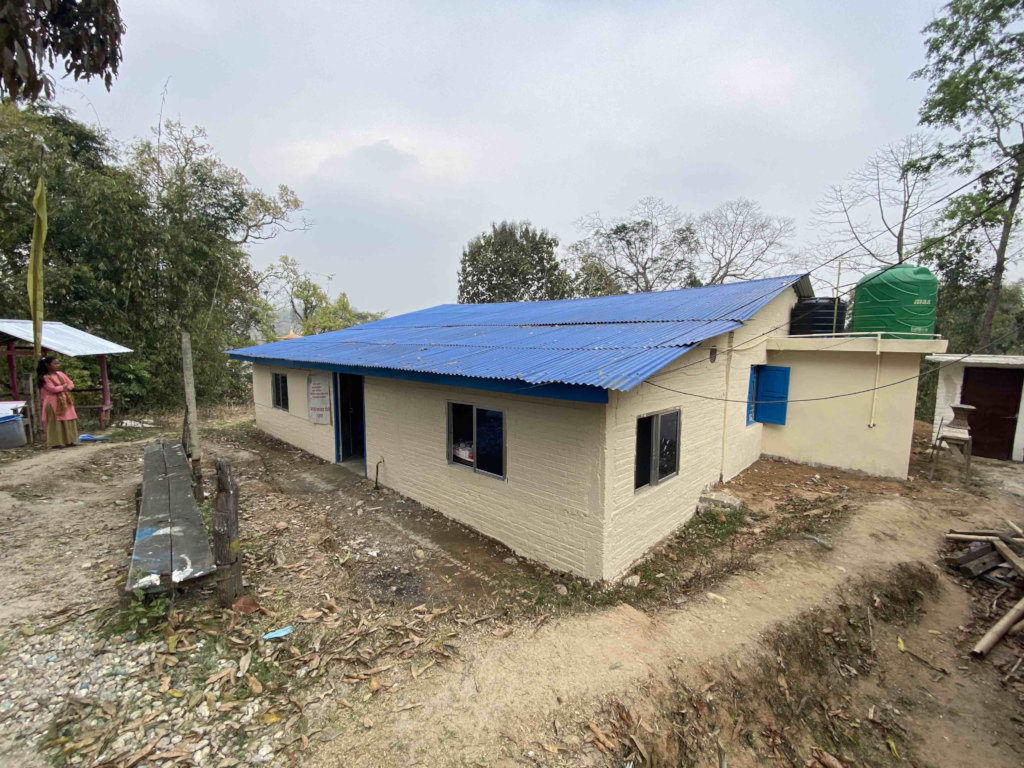
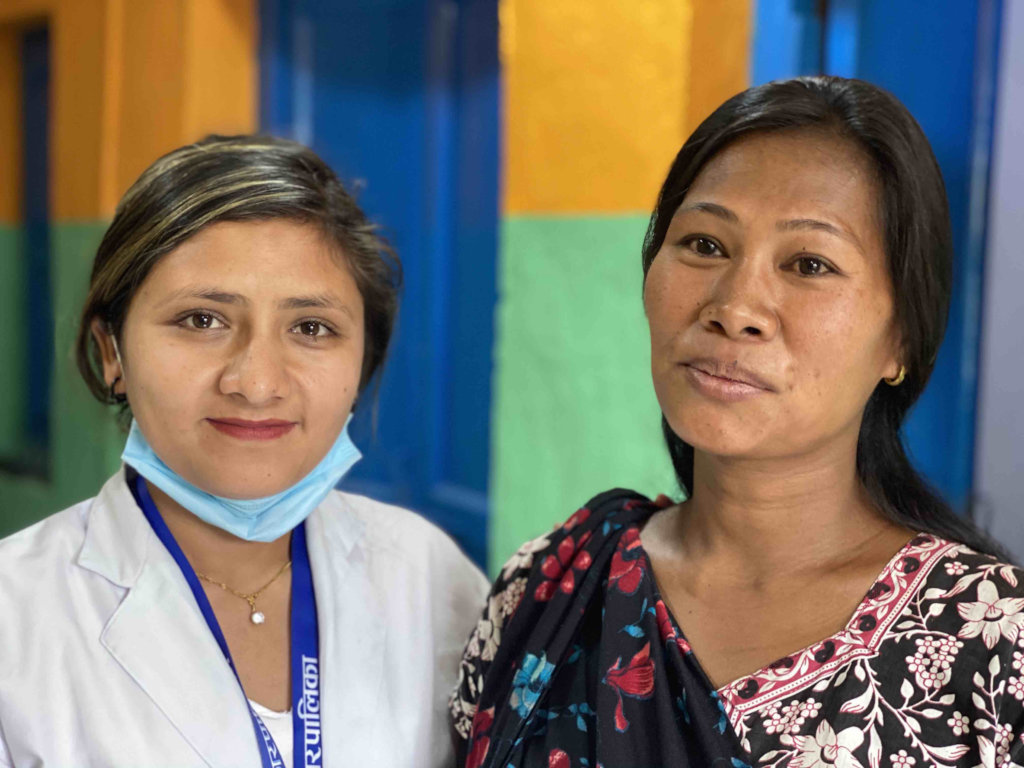
“Today, we are so proud to say that we have a high-quality birthing center and we are really very thankful to OHW for being our partner in our endeavours to improve maternity services for especially the poorest families,” says nurse Sushila G., who heads Mahamai Health Post.
The floors are all tiled making them easy to clean with water. The tin roofs have internal ceilings and the old walls look fresh with new paint. The medicine cabinets are well organized. There are now more quality maternity beds and baby cots. There is a nice counter where the nurses can receive their patients. There is also a separate room for antenatal (ANC) counseling where the mothers can have privacy while sharing any concerns with the nurse.
“The whole environment has changed in our birthing centre. I am confident that our maternal and neonatal care services will improve. It is so good always see how the families are so eager to come here and they are really happy with the transformation of our birthing centre,” says nurse Kopila K., who was trained as a Skilled Birth Attendant (SBA) with OHW’s support.
When Khadka first joined the health post two years ago, she was struggling to run the birthing center. She had to often borrow equipment from another health post, which is far from her station. As a newly trained nurse, she also was worried at first that the local community would not trust her and on top of that, the poor condition of the birthing center always frustrated her patients.
“I was worried that we would not have a proper birthing centre and it was affecting my work also. But this has changed a lot in a short time with support from OHW and Mai Municipality. We owe a lot also to our renovation committee for their commitment to making this happen,” explains Kopila.
There was a time when nurse Khadka had difficulty handling even two women who had come for birth deliveries at the same time. But now, she has no worries at all even if she had multiple patients as there is a nice room for the mother and her family to rest. She also has her own workstation and a separate room for counseling pregnant women and mothers.
“I feel so safe with sister Kopila as she is such a well-trained nurse. And also, it is so comforting to be here as this looks like a hospital, and much better than many private clinics in Kathmandu,” says Hima T., whose birth delivery is due soon.
Hima and her family had migrated to Kathmandu to find a better life many years back due to hardship in her Chulachuli village. They had to return back home after the COVID19 hit hard in the capital city, Kathmandu. When she had left the village back then, most women didn’t even want to visit the health post due to the poor services and most families wanted the birth deliveries at home.
“Today, I can’t believe that this is the same health post with such a quality birthing centre as it has transformed so much. I really never expected such a change and we no longer have to worry about delivering in a health post anymore,” says Hima.
Hima is also happy to see how the culture of institutional birthing has been growing in the local community. She shares how the young women are especially more informed due to regular visits to the birthing center, where they also have a close relationship with nurse Kopila and others in the health post team.
“We still have much work left to do for strengthening our health post and the partnership with OHW was a very good start to motivate us to do more. It has given a new hope how local governments can achieve so many things through collaboration with civil society groups,” says Limbu.
As the chair of Mahamai ward, he was under a lot of pressure when the local community constantly complained about the poor services at the health post. Many were angry because the health post didn’t even have an ambulance and had no doctor to help them during pregnancy complications.
Now, he receives a lot of compliments from the community for his leadership in transforming the birthing center but Limbu tells them it was all a combined effort. His team’s next priority is to build a staff quarter attached to the birthing center to provide accommodation for the nurses.
“They travel far from their residence to reach the birthing centre and it becomes especially difficult for our nursing staff to travel at night. We have planned our budget and we will start building the quarter soon for them,” says Ram.
Most birth deliveries often take place late at night or during the wee hours of the morning and nurse Kopila has to walk all the way from her current residence in another village ward. She has to walk all the way and cross the long bridge and becomes especially very difficult during the monsoon.
“I am glad I was posted in this village ward as there is a lot of enthusiasm and support to enhance our services. I want to especially thank OHW as I would never be skilled as I am today if it hadn’t supported us to renovate and equip our birthing center,” says nurse Kopila.
Links:
Project reports on GlobalGiving are posted directly to globalgiving.org by Project Leaders as they are completed, generally every 3-4 months. To protect the integrity of these documents, GlobalGiving does not alter them; therefore you may find some language or formatting issues.
If you donate to this project or have donated to this project, you can receive an email when this project posts a report. You can also subscribe for reports without donating.


Support this important cause by creating a personalized fundraising page.
Start a Fundraiser