By Katie Dyas | Communications Coordinator
Words & photos by: Krishna Dangi
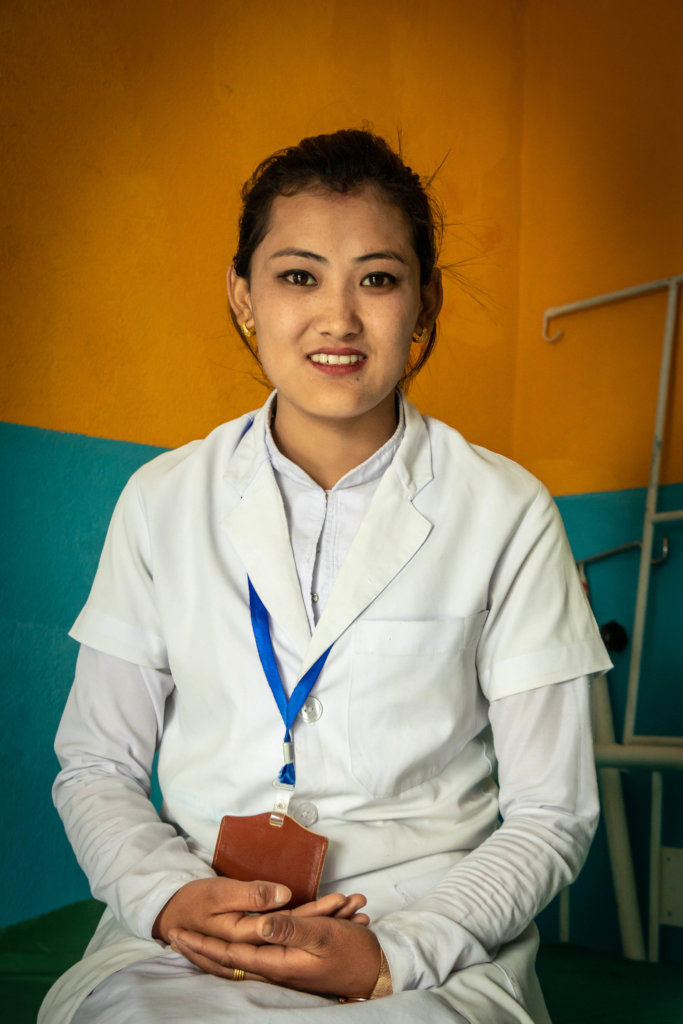
The sight sent chills through her spine. Hima Devi M., a Skilled Birth Attendant at the Thechambu Health Post, was suspicious from the start. The case could take a complicated turn at any second and she was prepared for it. She had no time to spare. If they were to save both mother and child, they needed to act now — and fast. Hima was certain that if the case was referred to the District Hospital, the child had only a slim chance of survival, and the mother could have never made it. So, she decided to take matters into her own hands.
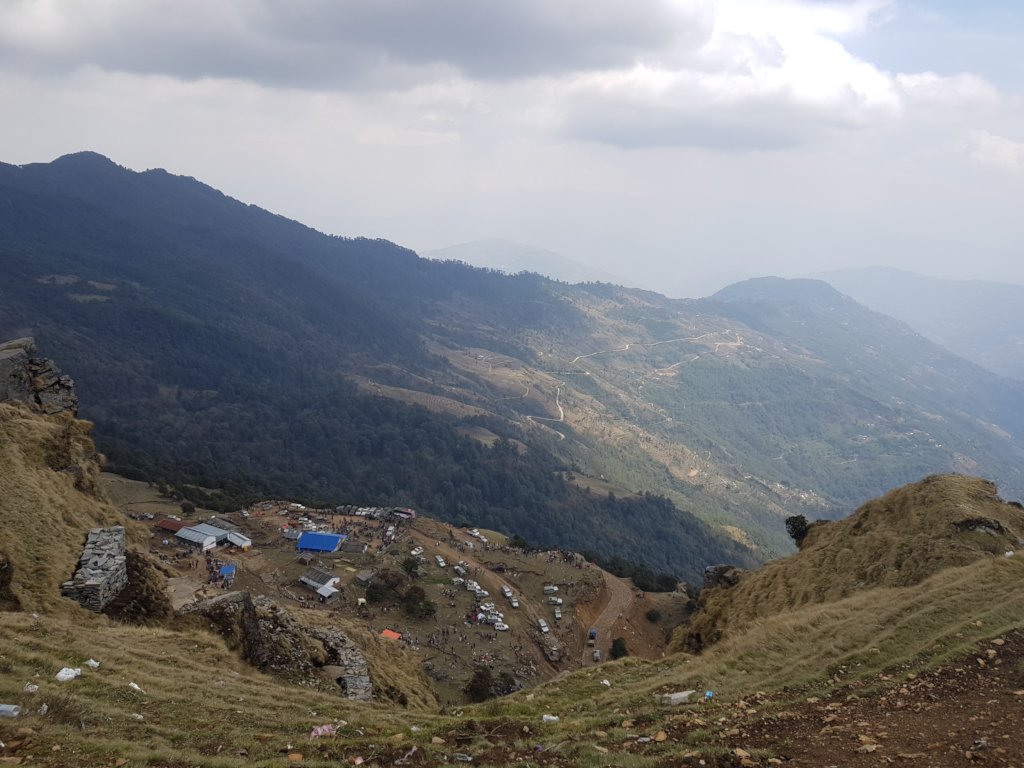
Reaching Thechambu
Thechambu, Taplejung, Nepal: 3428 residents & 606 households. A newly constructed road snakes through the heart of the village — currently, only two jeeps operate on this road daily, one in the early morning and one in the afternoon. No gas stations or repairs. Three shabby hotels and no restaurants. Only local noodles are served for lunch. Located only a stone’s throw away from the District Headquarters, it takes almost five and half hours to reach this village via a steep hike. Home to the Limbu tribes and clans, hardworking locals drink home-brewed rice and millet beer, an integral part of their culture and lifestyle, before calling it a day. Agriculture is the main, and possibly the only, occupation here.
Meeting Sarita M. at her place
It’s early spring. The hill is blazing with tones of red, brown, yellow and green. In a week or two, the hill will be painted shades of green again. The days are dusky and despite the mountainous breeze, the steep hike on the narrow trails leaves us drenched in sweat. Locals can be seen manning their terrace fields for the next planting of corn and potatoes.
We met Sarita, mother of two, in her field. Her husband, Bibek, was plowing with oxen while she was dropping the corn seeds at manually calculated intervals. Occasionally, she works on the uneven field with a spade. Her children were home, under the care of their mother-in-law.
Sarita’s house is a few paces down from their field. It’s a typical one-story, four-room, wood and mud house with a slanted thatch roof — with the roof space used as a storehouse. Her three-year-old daughter is seated beside her with a cup as Sarita prepares tea on her wooden-fire kitchen.
Married at the age of 14, Sarita, now 25, had her first childbirth at home without a glitch. However, she developed a life-threatening complication during her last childbirth and now just feels lucky to be alive.
The day of delivery
It was still dark out on the early February morning. Sarita woke up to a severely aching lower abdomen. She didn’t want to wake her husband up but couldn’t lie down so she spent the early hours of the morning pacing back and forth in her courtyard. Her pain became unbearable at around 10 AM. Bibek notified the Female Community Health Volunteer for a stretcher.
Hima was in the middle of One Heart Worldwide’s (OHW) Pregnant Women’s Group meeting when her cellphone blared. “You have to hurry to the birthing center. We have a woman in a serious condition,” said the caller at the other end. Hima, along with Sajina S., a SBA trained by OHW, both made it to the health post in no time. Together, they figured out that the complication involved malpresentation of the baby. Their first task was to stabilize Sarita’s vital signs using an intravenous supply of electrolytes and antibiotics. The fetal heartbeat was only 80 bpm, so they placed Sarita at the left lateral position to increase the placental supply of oxygen.
It took some time for Hima to externally rotate the baby and bring the baby into the breech position. But thanks to the helping hand of Sajina performing the episiotomy, Hima was able to perform a normal delivery. When the baby was finally out, they suffered another setback because the baby did not cry.
“At one time it was as if I could not think of what to do about it. I was fortunate that I had received SBA training from OHW recently. I checked my nervousness and assisted Hima on following the steps that I learned during the training. I am really happy that we could save both mother and child.”
Sarita, stayed at the District Hospital for three days, receiving blood transfusions while while her baby was kept in the Intensive Care Unit before being discharged.
OHW is committed to save mothers like Sarita
“If it were not for the sisters, I could not have been alive. I am very grateful to them for saving my life,” says Sarita.
One Heart Worldwide’s initiative, Health Education Programs for Medical Providers, implements training packages for healthcare providers in the community, primary healthcare facilities and referral hospitals. The program provides knowledge and skills to better manage the most common conditions of pregnancy, childbirth, and newborns. These training packages include newborn care, birth preparedness, infections prevention training, SBA training, and advanced training programs for hospital staff. This approach rationalizes training along a continuum of care: from pregnancy through the newborn period and from the household level to the referral hospital level.
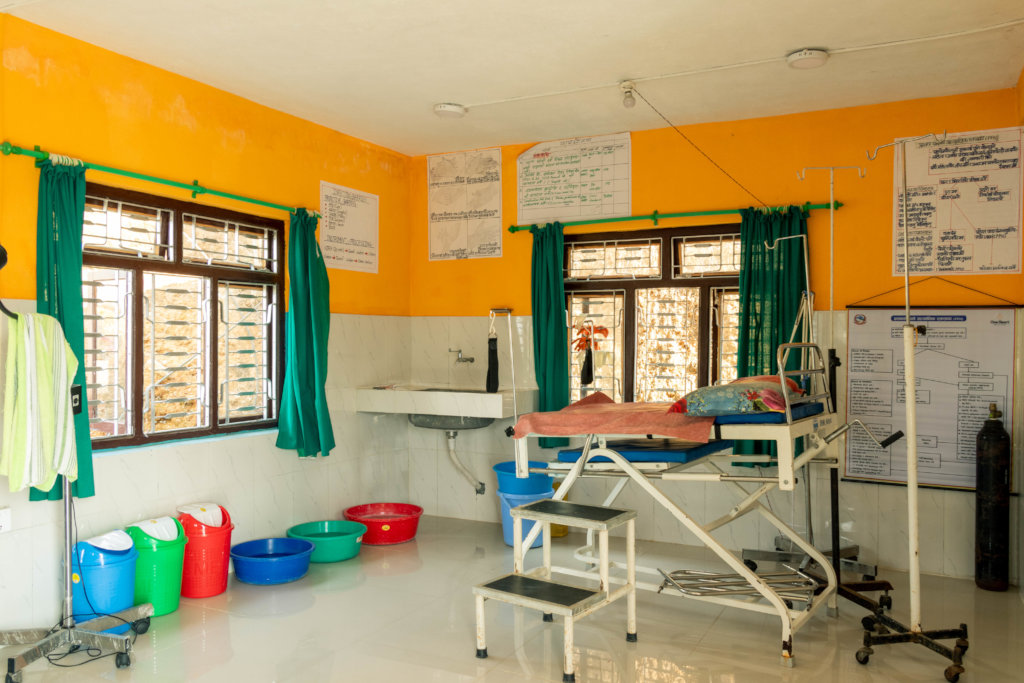
Thechambu Health Post received a facelift through the Health Facility Improvement program, under which One Heart Worldwide upgrades the infrastructure, medical equipment, and staffing of existing healthcare facilities to establish a network of certified birthing centers in strategic locations. In addition, we upgrade the referral hospitals into facilities where comprehensive emergency obstetric care can be accessed.
Links:
Project reports on GlobalGiving are posted directly to globalgiving.org by Project Leaders as they are completed, generally every 3-4 months. To protect the integrity of these documents, GlobalGiving does not alter them; therefore you may find some language or formatting issues.
If you donate to this project or have donated to this project, you can receive an email when this project posts a report. You can also subscribe for reports without donating.


Support this important cause by creating a personalized fundraising page.
Start a Fundraiser