By Ayman Sabae | Shamseya CEO
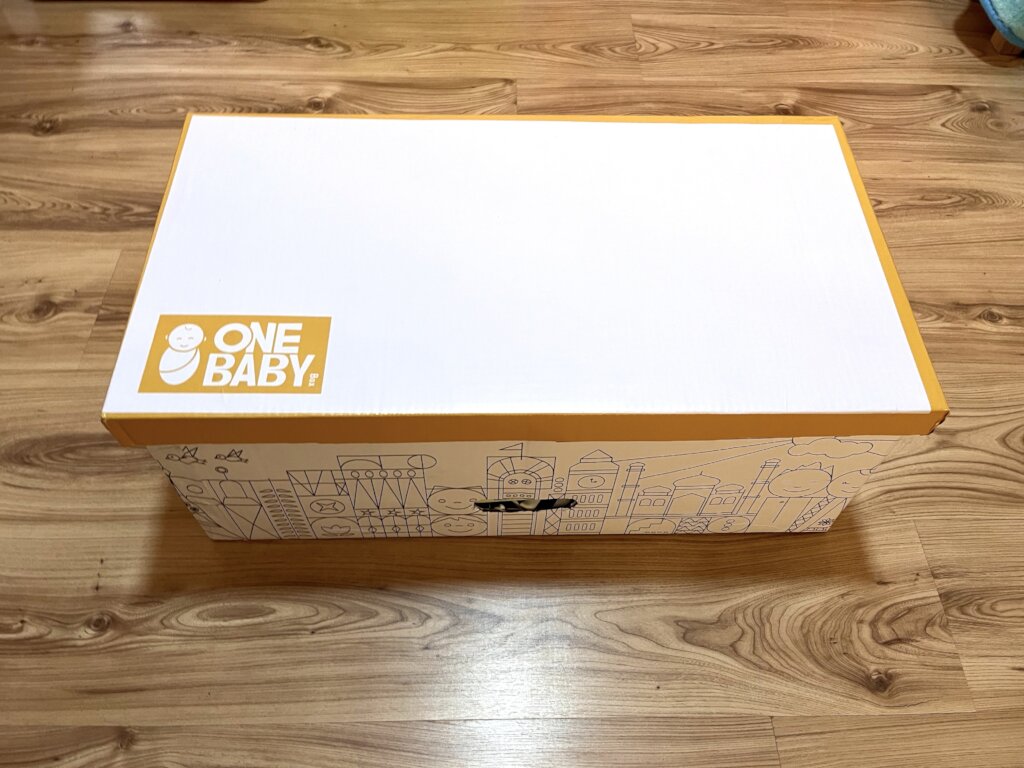
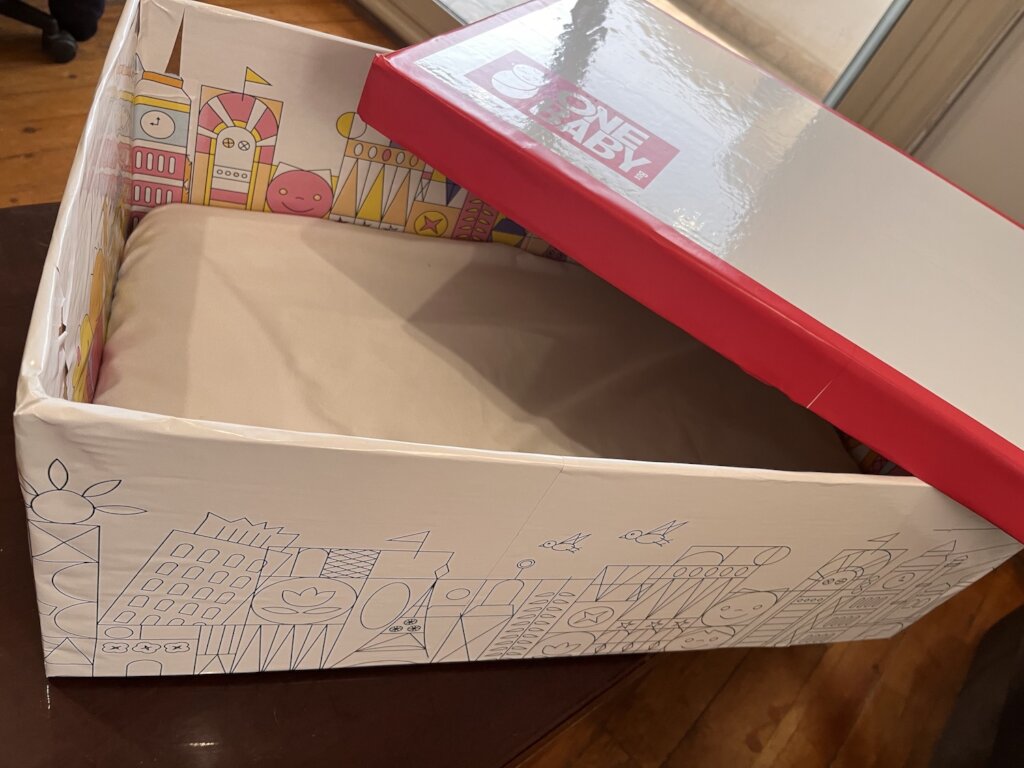
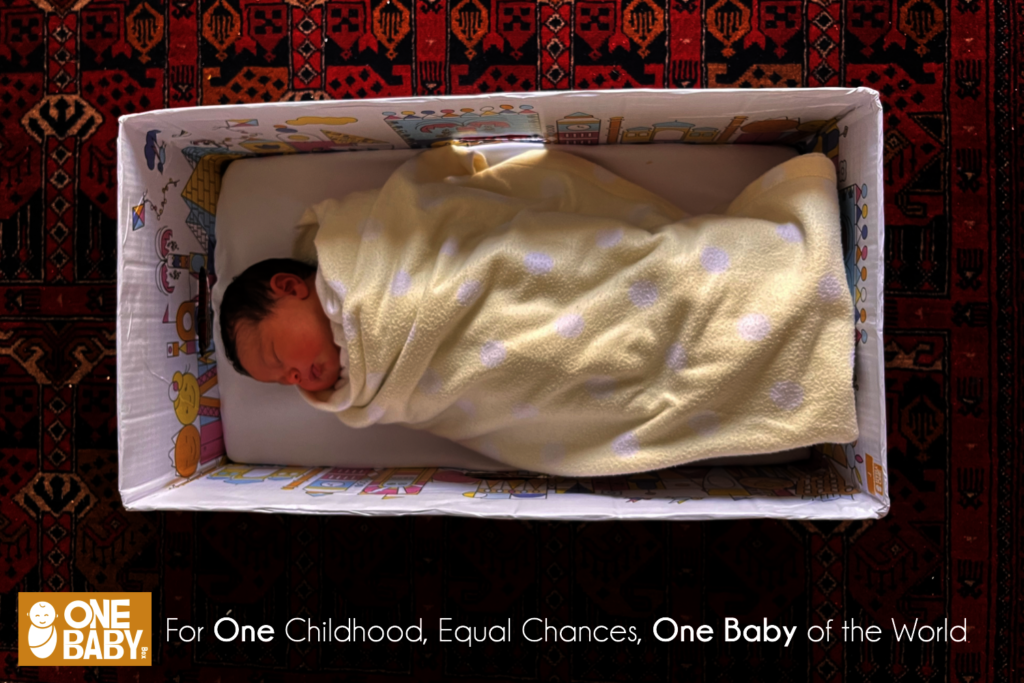
The One Baby Box Initiative was built on a simple belief: a baby's chances in life should never be determined by how much their parents earn, or where they were born. Forty-six carefully selected items. One comprehensive training. One equal start.
But what happens when a newborn's first day doesn't just face poverty — it faces invisibility?
This May, Shamseya took on that question directly.
A New Milestone: Protecting the Most Invisible Newborns
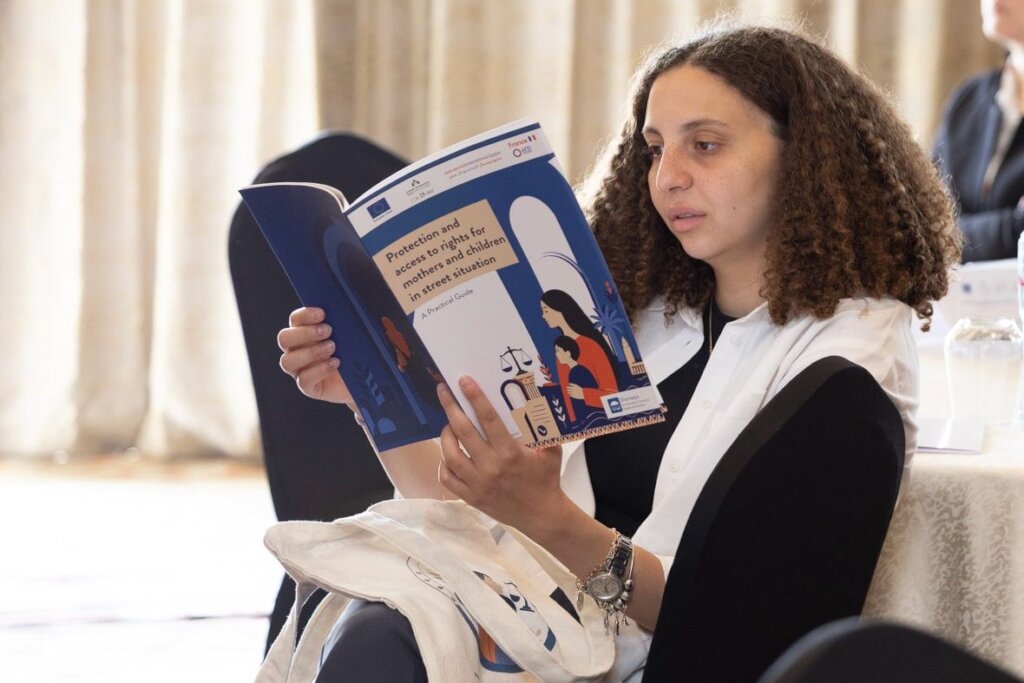
On May 6, 2026, Shamseya — in partnership with Samusocial International Egypt, and co-financed by the European Union, the Agence Française de Développement (AFD), and the Sawiris Foundation — launched a landmark publication and hosted a conference in Cairo on a topic too often ignored:
"Protection and Access to Rights for Mothers and Children in Street Situation: A Practical Guide"
The French Embassy in Egypt, present at the event, expressed pride in supporting initiatives that place the rights of the most vulnerable at the heart of Franco-Egyptian cooperation.
This guide addresses the most extreme version of the inequality the One Baby Box was designed to fight. Among street-situation mothers in Cairo, newborns don't just lack essentials — they often lack a legal existence entirely. No birth certificate. No name in the system. No pathway to vaccinations, school, or social protection.
These children are, in the words of our researchers, "legal ghosts."
What the Guide Reveals
Built on six months of rigorous field research — interviews, service mapping across Cairo and Giza, and direct observations — the guide exposes a striking gap:
Egyptian law already grants every mother the right to register her child independently, regardless of marital status. The hospital notification is sufficient. No father's ID is required. No marriage certificate.
And yet, according to field interviews, 60 to 70% of birth registration attempts by street-situation mothers end in rejection — because frontline staff at health offices and civil registries apply informal, unwritten rules that contradict the law.
The result: a newborn who should have an equal start has no start at all.
Why This Matters for the One Baby Box Mission
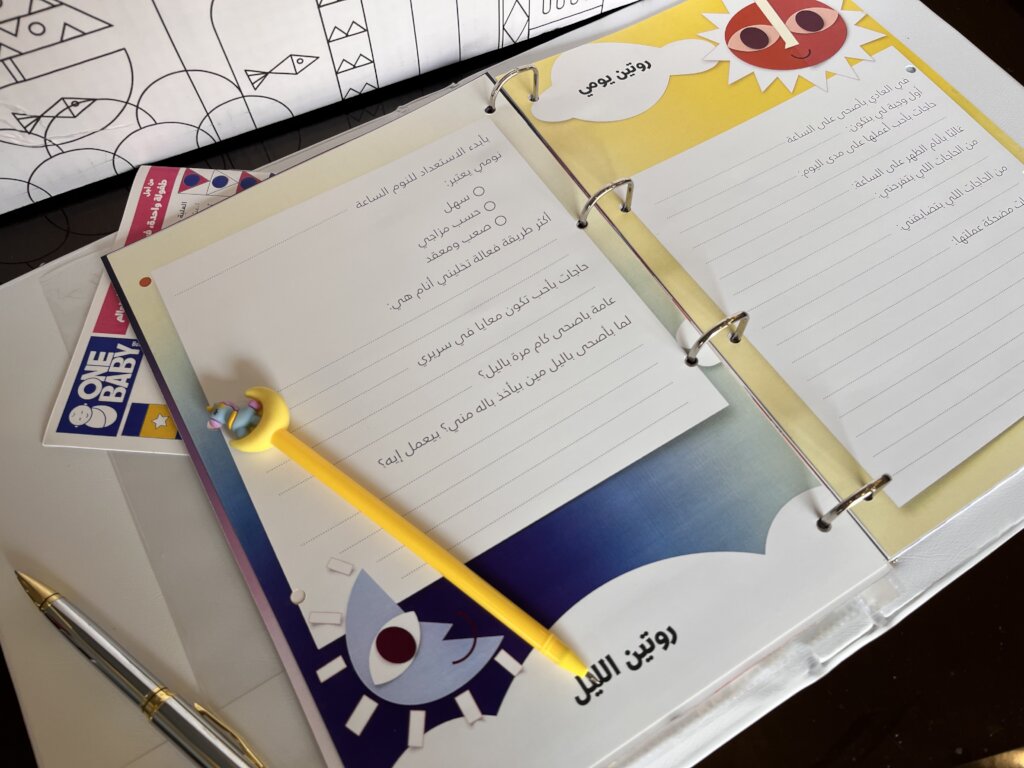
The One Baby Box is more than a kit of 46 items. It is the physical embodiment of a right — the right of every child to safe sleep, healthy feeding, and protection from preventable harm. The "One Baby, Equal Chances" training that accompanies it equips parents to understand and protect their child's health from day one.
But for a mother living in a street situation, even reaching day one with documentation intact is a battle. She may have given birth without a registered address. She may have no national ID. She may not know she has the legal right to walk into a health office and register her child in her name alone.
The guide we just launched is the bridge between the right that exists on paper and the protection that must exist in practice. It is, in its own way, a different kind of starter kit — for the social workers, health officers, and legal aid providers who stand between these mothers and the system.
When both tools work together — the practical guide in the hands of a trained social worker, the One Baby Box in the hands of an informed parent — a child's first days look fundamentally different.
The Numbers Behind the Need
What Your Donation Makes Possible
Every contribution to the One Baby Box project helps ensure that more newborns — including the most vulnerable — have an equal start:
The knowledge parents gain through the "One Baby, Equal Chances" program — on breastfeeding, safe sleep, child protection, and health rights — is precisely the knowledge that can change outcomes for a newborn in any circumstance, including the most precarious.
A Shared Belief
Both the One Baby Box and the practical guide we just launched are rooted in the same conviction: equity begins at birth, and it begins with knowledge.
A parent who knows their rights is a parent who can protect their child. A social worker who knows the law is a social worker who can open doors that were wrongly closed. A newborn who is seen by the system — registered, vaccinated, known — is a newborn with a fighting chance.
This report was prepared by Shamseya for Innovative Community Healthcare Solutions, May 2026. The Practical Guide was produced in collaboration with Samusocial International Egypt, with support from the European Union, AFD, and the Sawiris Foundation.
Links:
Project reports on GlobalGiving are posted directly to globalgiving.org by Project Leaders as they are completed, generally every 3-4 months. To protect the integrity of these documents, GlobalGiving does not alter them; therefore you may find some language or formatting issues.
If you donate to this project or have donated to this project, you can receive an email when this project posts a report. You can also subscribe for reports without donating.



Support this important cause by creating a personalized fundraising page.
Start a Fundraiser