By Rohit kumar Kankar | Lead M & E
Nurture Project Report
Executive Summary
The One Billion Lives Foundation (OBLF) continued implementing the Nurture Programme in Heelalige, Anekal Taluk, Karnataka, to improve education, health, and well-being among migrant waste picker families. Children from these communities often face interrupted schooling, poverty, poor access to healthcare, and social exclusion, limiting their opportunities to succeed. The programme addresses these interconnected challenges through an integrated approach combining educational support, social-emotional development, healthcare, and community engagement.
During the reporting period, more than 40 children were successfully mainstreamed into government schools through bridge learning and continuous academic support. A total of 44 children benefited from educational interventions, including level-based learning, remedial classes, early childhood education, sports, and co-curricular activities. Assessments showed steady improvements in foundational literacy and numeracy, with 17 young children demonstrating progress in school readiness and early learning competencies.
The programme also strengthened children's emotional well-being through Play and Art Therapy-based special education, helping them develop confidence, self-expression, and positive peer relationships. Sports activities further promoted teamwork, discipline, and regular school attendance.
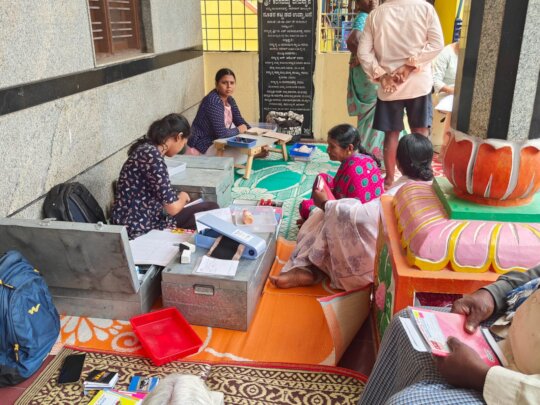
Beyond education, the programme provided preventive healthcare services, essential medicines, referrals, and child health counselling to over 500 community members, helping reduce health-related barriers to learning and improving family well-being.
Through sustained community engagement and strong collaboration with schools, the programme has strengthened trust with families and created an inclusive environment where vulnerable children can learn and thrive. Continued donor support has enabled children who were previously excluded from formal systems to become active learners and confident participants in school and community life, laying the foundation for long-term and sustainable change.
Background and Introduction
Children from migrant waste picker families in Heelalige, Anekal Taluk, face multiple and interconnected challenges that limit their access to education and overall well-being. Frequent migration, poverty, lack of documentation, poor access to healthcare, and limited parental literacy have resulted in many children experiencing disrupted schooling and social exclusion. Several children had little exposure to structured classroom environments and lacked the foundational skills necessary to succeed in formal education.
Recognizing that educational challenges cannot be addressed in isolation, the One Billion Lives Foundation (OBLF) operationalised the Nurture Programme to provide integrated support addressing education, health, and social-emotional well-being. The programme focuses on helping children transition into mainstream schools while simultaneously supporting their families and communities. Through a combination of bridge learning, remedial education, sports, and healthcare services, the programme seeks to create an enabling environment where children can learn, thrive, and realize their full potential.
Objectives of the Programme
The programme aims to:
Activities Conducted
1. Mainstreaming Children into Government Schools:
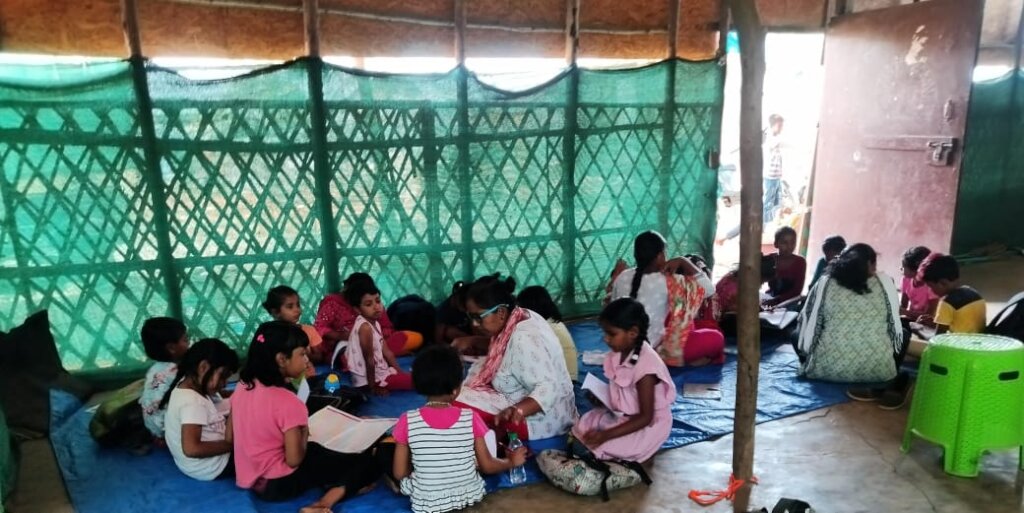
Children received preparatory support to strengthen foundational competencies and adapt to school routines before being gradually integrated into age-appropriate classrooms. Continuous academic and emotional support ensured smoother transitions and improved classroom participation.
2. Strengthening Teacher and Community Engagement:
Programme staff and teachers maintained regular interactions with families through community visits and follow-up sessions. These interactions helped teachers understand the realities faced by children and strengthened trust between schools and parents, contributing to improved attendance and continuity in learning.
3. Special Education and Social-Emotional Learning:
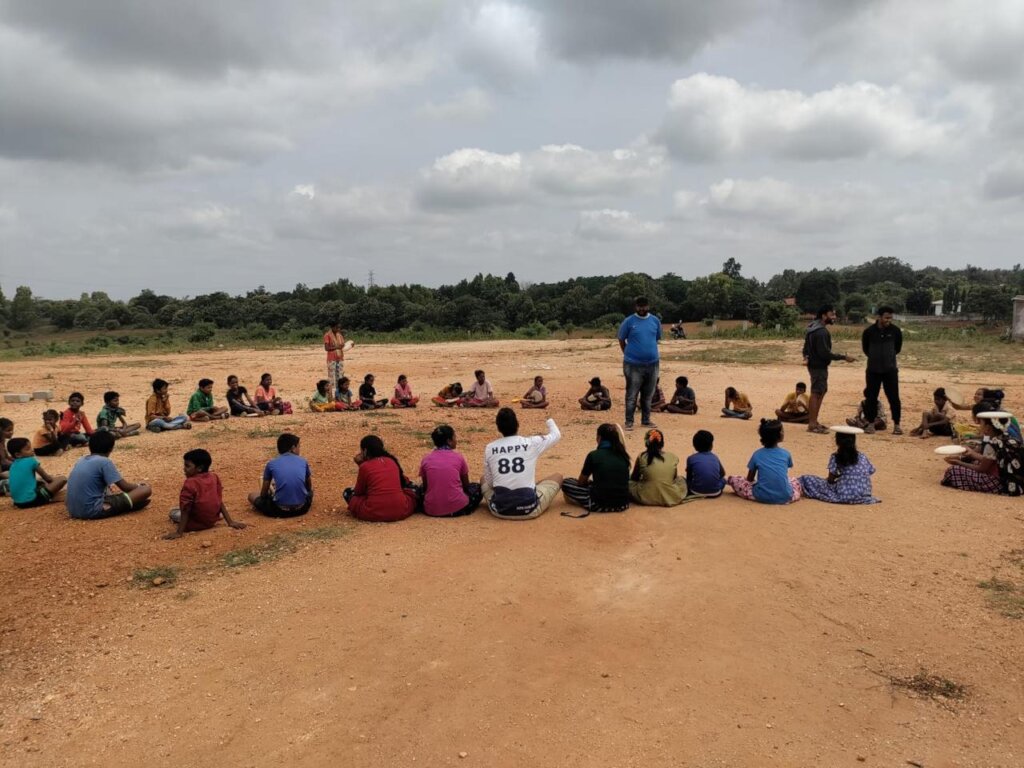
Play and Art Therapy-based interventions were implemented to support children's emotional, behavioural, and developmental needs. Children participated in group activities designed to strengthen self-expression, empathy, emotional regulation, and peer relationships. These interventions were particularly important for children who were newly integrated into schools and required additional support to adapt.
4. Sports and Physical Development:
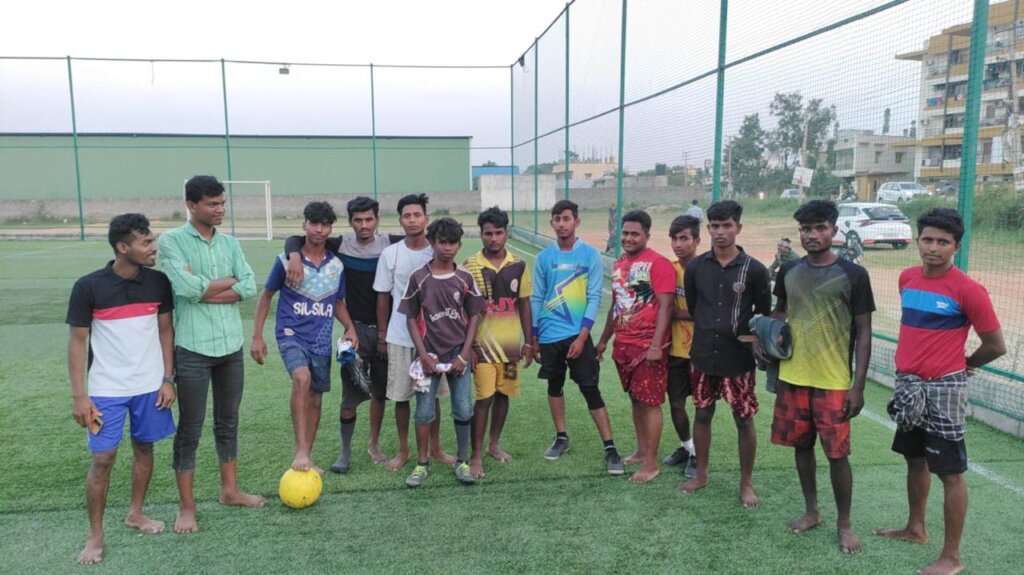
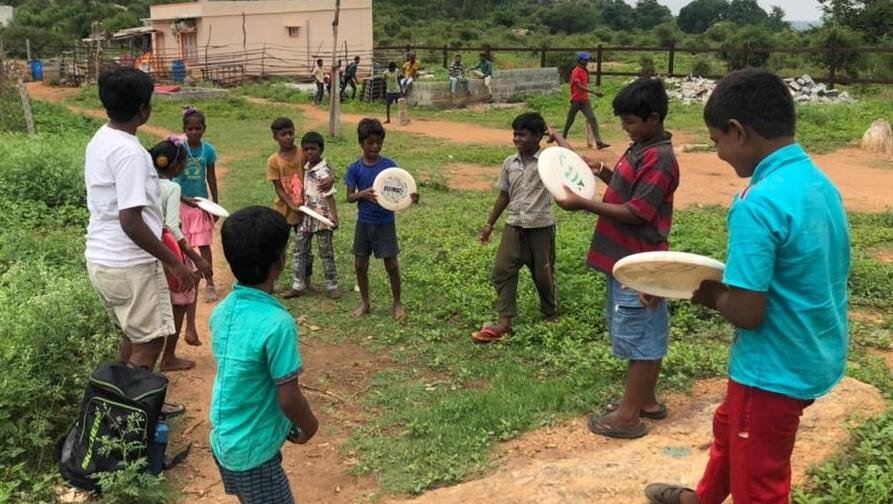
Sports sessions were organized to promote physical well-being, teamwork, discipline, and confidence. These activities created opportunities for interaction between programme children and other students, promoting inclusion and fostering healthy routines that encouraged regular school attendance.
5. Early Childhood Education and School Readiness:
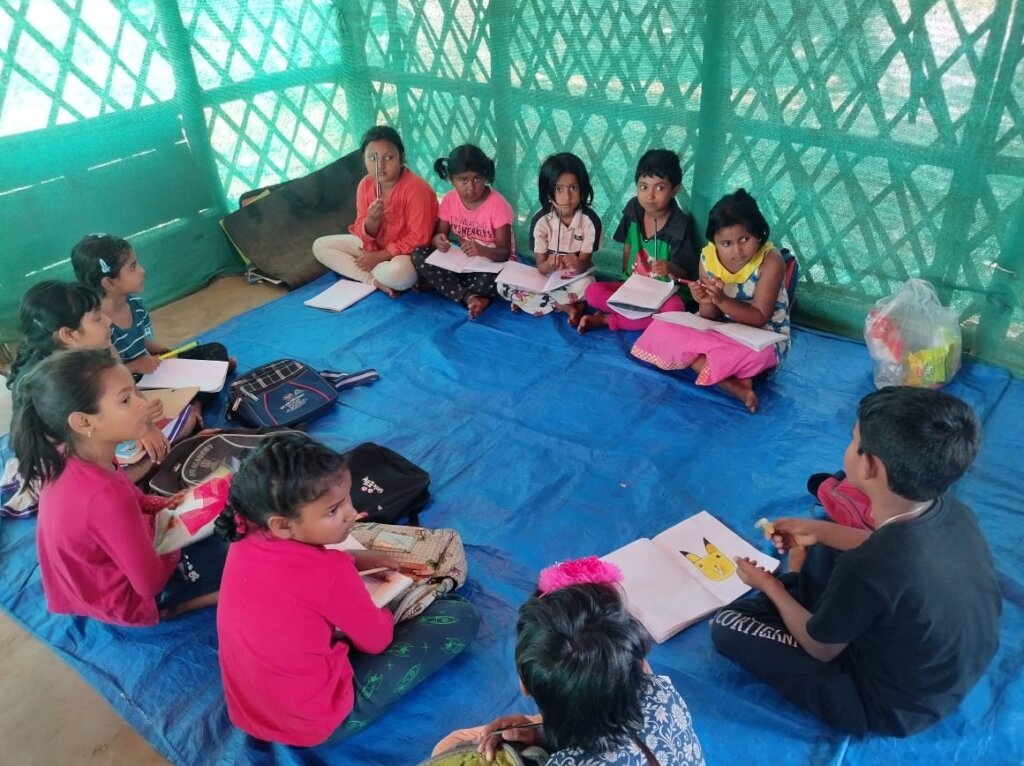
Young children participated in structured early learning activities aimed at strengthening foundational literacy, numeracy, language development, and motor skills. Consistent attendance and individualized support helped prepare children for formal schooling.
6. Remedial Education and Learning Support:
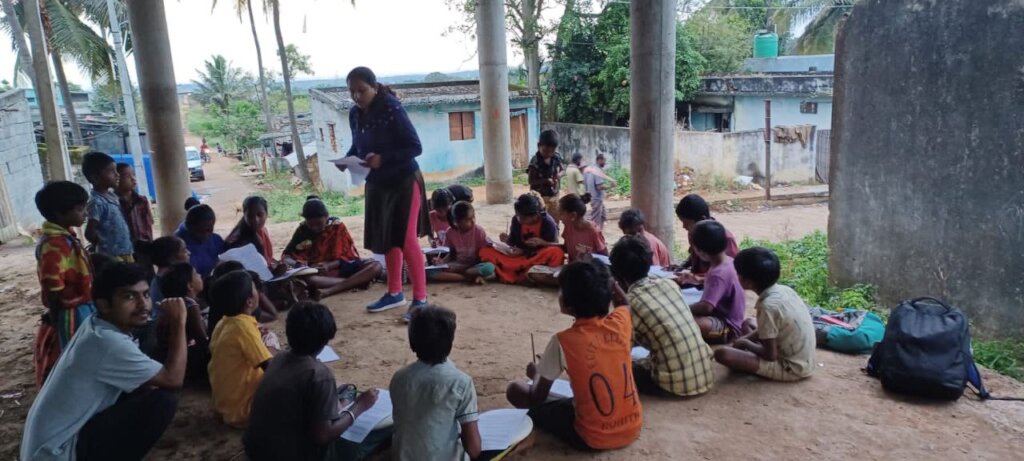
Children were grouped according to their learning levels and provided with targeted academic support. Evening remedial classes and additional learning sessions ensured continuity in learning and reduced the risk of dropout. Assessments were conducted to monitor progress and guide teaching strategies.
7. Co-curricular and Cultural Activities:
Children participated in school events and cultural celebrations that enhanced their confidence, creativity, and sense of belonging. These activities encouraged active participation and strengthened their connection with schools and peers.
8. Primary Healthcare and Family Support:
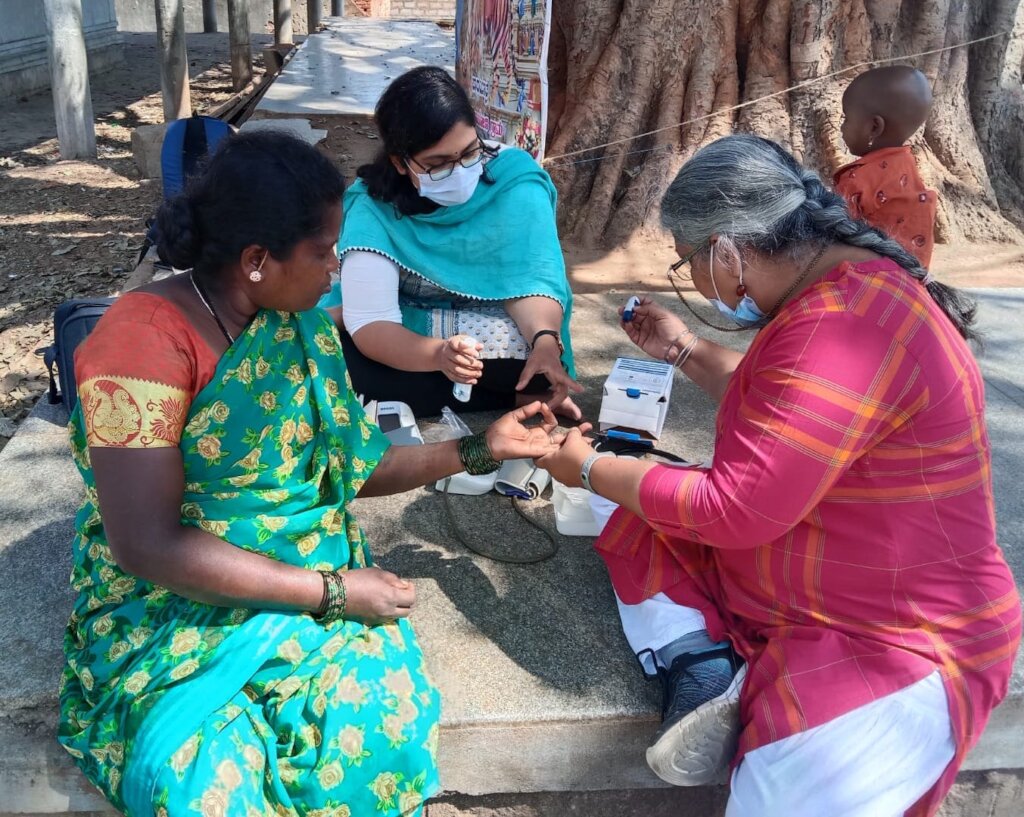
Regular primary healthcare services were provided to community members. Preventive health check-ups, referrals, maternal and child health counselling, and essential medicines helped improve family health and reduce illness-related disruptions that affect children's education.
Key Achievements and Outcomes
Educational Outcomes
Social and Emotional Outcomes
Health Outcomes
Community Outcomes
Stories of Change
Rebuilding Confidence and Classroom Readiness
Many children had little experience with structured classrooms and initially struggled with regular attendance and participation. Through continuous support from programme staff and teachers, children gradually became comfortable within school environments. Their confidence improved, and they began participating actively in classroom activities and interacting positively with peers. This transformation demonstrates the importance of sustained support and inclusive educational practices.
Developing Leadership Through Inclusive Education
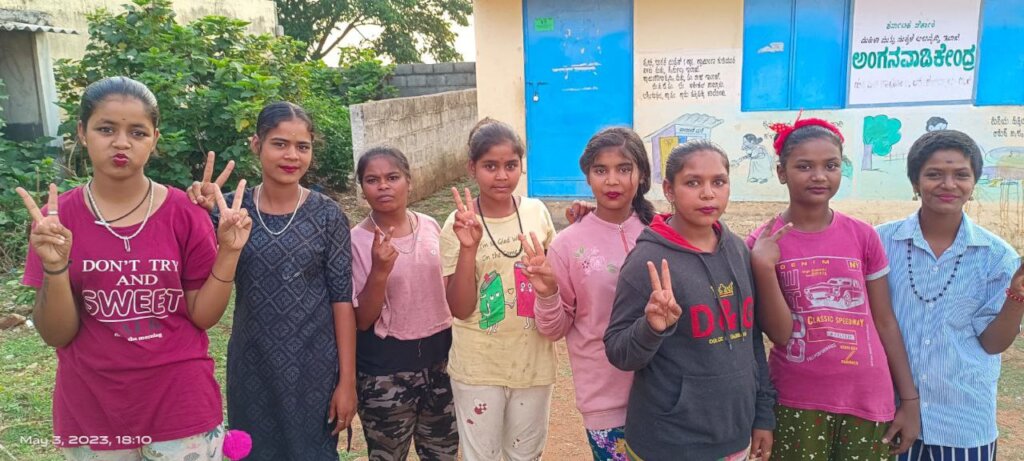
Two adolescent girls from the community, despite facing barriers related to age and lack of documentation, demonstrated remarkable commitment to learning. Their dedication led the school to provide them with leadership opportunities. One student now assists during school assemblies and supports younger children during remedial classes. These responsibilities have strengthened her confidence, communication skills, and sense of responsibility, making her a role model for other children within the community.
Conclusion
The Nurture Programme continues to demonstrate that an integrated approach addressing education, health, and social-emotional well-being can significantly improve the lives of vulnerable children and families. By combining academic support with healthcare services, emotional development, and community engagement, the programme has enabled children who were previously excluded from formal systems to become active learners and confident participants in school and community life. Continued support from donors and partners has been instrumental in sustaining these efforts and creating meaningful, long-term change.
Project reports on GlobalGiving are posted directly to globalgiving.org by Project Leaders as they are completed, generally every 3-4 months. To protect the integrity of these documents, GlobalGiving does not alter them; therefore you may find some language or formatting issues.
If you donate to this project or have donated to this project, you can receive an email when this project posts a report. You can also subscribe for reports without donating.