By YSK Prerana | Fundraising & Communications Manager
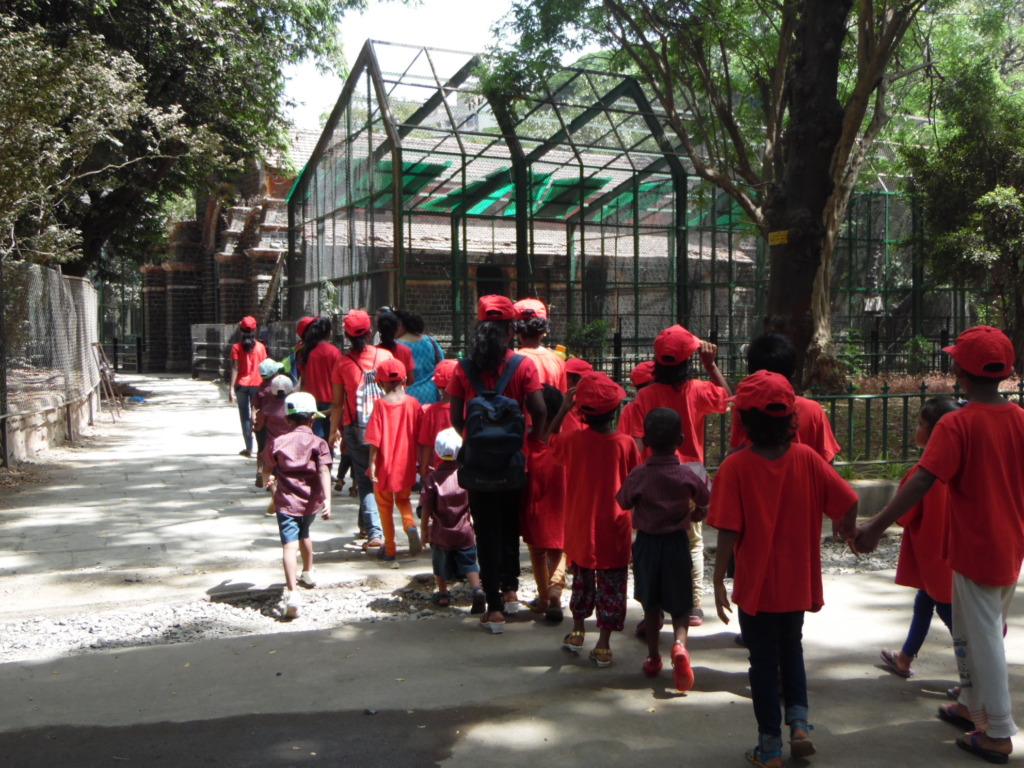
One warm evening, when our kids were walking back from Nagpada garden to the Kamathipura Centre, they stood by the gruelling traffic of Mumbai and set an example most adults around had forgotten to abide by. Waiting for the signal to turn green, one of our Umang beneficiaries Akash* began to eagerly explain the importance of traffic lights and what the green one meant in particular. 5 years old, Akash* further inspired the children around him to add onto this education and turn it into an interactive conversation. Struck by the beauty of witnessing such young children- holding hands, waiting at a busy traffic signal- the nearby traffic police walked up to our beneficiaries for a chat. Upon knowing of the activities in our Umang program, and convinced of the great potential our young beneficiaries have, the officer wished all of us at AAWC a very good luck. Then added, “One day, these children will become the much-needed responsible citizens of our country!”
Here is Savitri’s moment of victory!
Savitri*, a 3 year old Umang beneficiary, had been been enrolled in our program on a temporary basis. On arrival, she was under-nourished to the point where her body couldn’t handle the weight of her head. Walking lethargically, her head would plop to one side of her body; and within 5 minutes of walking- Savitri* would have to sit down to conserve her energy.
Brought in at such a state, we knew right away that Savitri* needed our special attention.
Along with keeping an eye on her food habits, we also referred her to a trusted doctor who finally told us the cause of her under-nourishment: no past consumption of solid food. We were further informed by the doctor that Savitri’s body had not had any experience of solid food as she was breastfed for past three years. Though this came as a slight surprise to us, we have had similar experiences in the past and hence knew the many ways to help Savitri* with healing positively: from mixing milk into her food to mashing rice into porridge, our staff took extra care in helping Savitri* develop a healthy relationship with her meals.
The process to bring Savitri’s* health back to normalcy has been a slow and patient one, but we have observed positive changes to her food consumption. She is beginning to appreciate communal eating, and often expresses a desire to eat by herself (and not be fed) with the rest of the children.
Eventually, and in just 2 months of this change- Savitri* now has a glow on her face! We are delighted with this progress, and are hoping that she shall recover fully by the end of this year.
*name changed to protect their identity
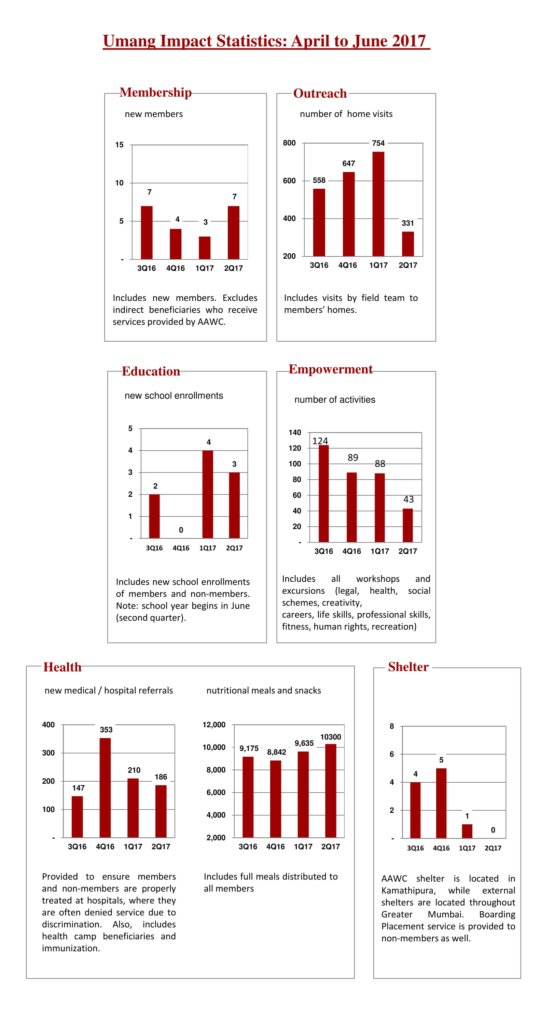
Know how your funds have been utilized this quarter:
EDUCATION:
At AAWC, we hold education- both formal and informal, as the most integral tool to aid our beneficiaries. We believe it is through education that our beneficiaries will gain access to spaces in the society which they are otherwise devoid of.
Keeping this in mind, this quarter saw quite a few assessments of our Umang beneficiaries’ academic pursuits. From evaluating children’s understanding of basic math to recitation of action songs, we held both a written and an oral examination for our beneficiaries. While the written examination involved worksheets with matching numbers and alphabets, the oral test was all about reciting monthly prayers, stories, names of animals and colors, action words etc.
Such in-house assessments aid our beneficiaries in keeping abreast with their school work, while also motivating them to take their education as a personal responsibility.
Interactive educational sessions: We also understand that in-house assessments are not the only way to gauge and inspire such young minds. Hence, we have continued with our interactive educational sessions undertaken by Ms. Marina Dutt.
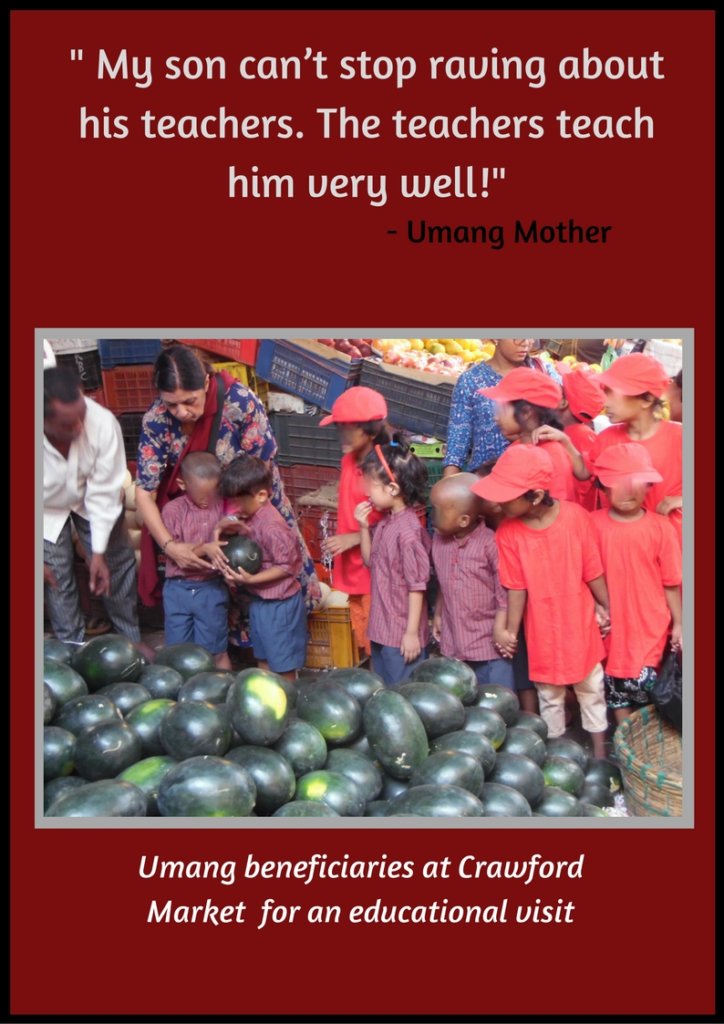
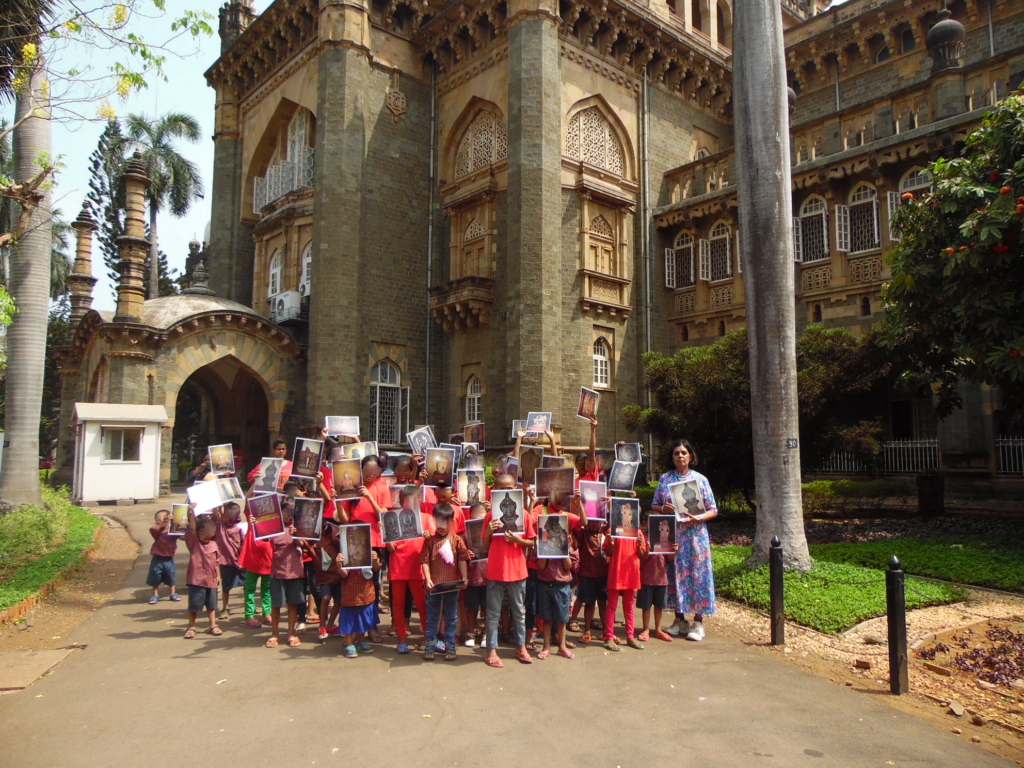
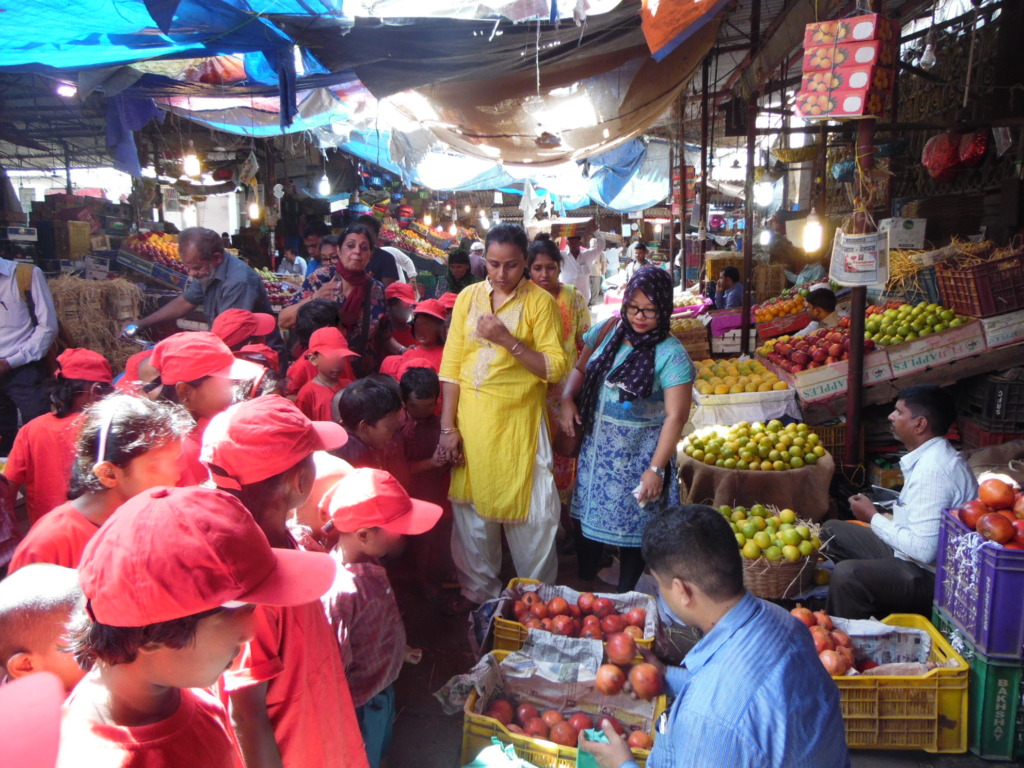
Ms. Dutta, Chairperson, The Museum Society of Mumbai and a committed volunteer with the AAWC, has conducted a total of 4 sessions this quarter. These sessions have ranged from learning human anatomy through a skeleton, to enhancing reading skills by matching flash cards. Our Umang beneficiaries were introduced to concepts of living and non-living things by sorting assorted materials like shells, marbles and coins. They also learnt of geometric shapes by observing mosaic floors, tiled with geometric designs. Such communal learning helps our beneficiaries in getting more involved with the world, and in observing and appreciating their surroundings.
Ms. Dutta also held sessions to teach table etiquettes to our beneficiaries wherein they relished the tools of demonstration: dried dates, mixed fruits and oats salad, spinach and corn soup, and cheese and carrot soup!
HEALTH:
Health, like education, is a basic necessity and a fundamental right of any Indian citizen- as has also been provided in article 21 of the Indian Constitution1 (Chapter V Right to Health: Indian legislations and International documents, p.138 ).
AAWC understands the importance of access to quality health care, and has always been proactive about our beneficiaries accessing only the best and certified healthcare professionals. Especially since our Umang beneficiaries’ mothers belong to a community that sometimes ignores its health due to inaccessibility, financial stress, fear of professional setups, etc. , it is imperative of AAWC to inculcate positive habits in our younger beneficiaries at the earliest.
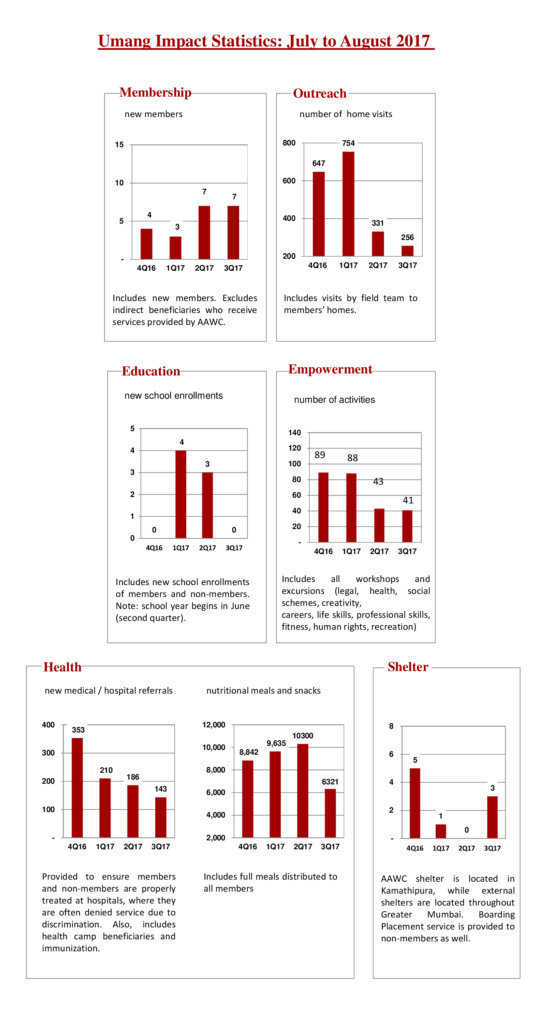
Staying true to this belief of ours, we have held one comprehensive health camp this quarter. A total of 10 Umang beneficiaries had their check-up done during this camp, and none of the beneficiaries were recommended for a follow-up by the doctors. This demonstrates the fact that all of our beneficiaries were at healthy at the time of check-up, and didn’t require any further diagnosis/aid.
As for the eye check up, one of our beneficiaries complained of watering eyes and was prescribed medication: a dose of 1.25 ml syrup once a day.
Apart from these regular health camps, we also pay tremendous attention to the nutrition of our beneficiaries. Good nutrition is crucial to good health, and recognizing that fact- we have provided nutritional supplements 536 times every month to our beneficiaries.
Mothers’ Meeting: Mothers’ meetings are an important part of our health plan.
Aimed at connecting and communicating to the mothers about their children’s health-wise developments, these meetings make it a point to be absolutely intimate and conversational about the issues of their wards.
A total of 3 mothers attended the meeting in the month of July, wherein developments of each child were addressed separately with their mothers. Though our AAWC teachers put in efforts into convincing more mothers to join in, it sometimes becomes difficult as the mothers might be involved in more financially beneficial activities at the same time. This is a challenge we are working on currently, and hope to solve in the coming months.
As for the monthly meeting held in August - an interactive session on the significance of immunization was undertaken, apart from the above-mentioned conversations and discussions.
EXTRACURRICULAR ACTIVITIES:
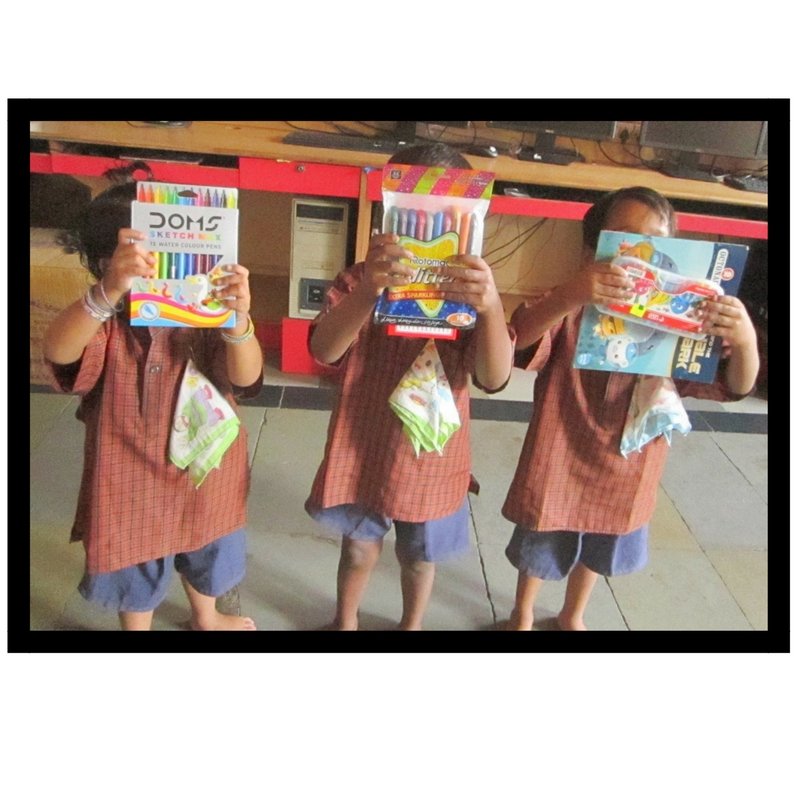
This quarter involved a lot of interactive activities aimed at developing out beneficiaries’ gross motor skills and creativity.
From indoor games designed to work their memory to teaching them about bird-life through a craft activity, our beneficiaries enjoyed wholly the experiences of learning beyond the books.
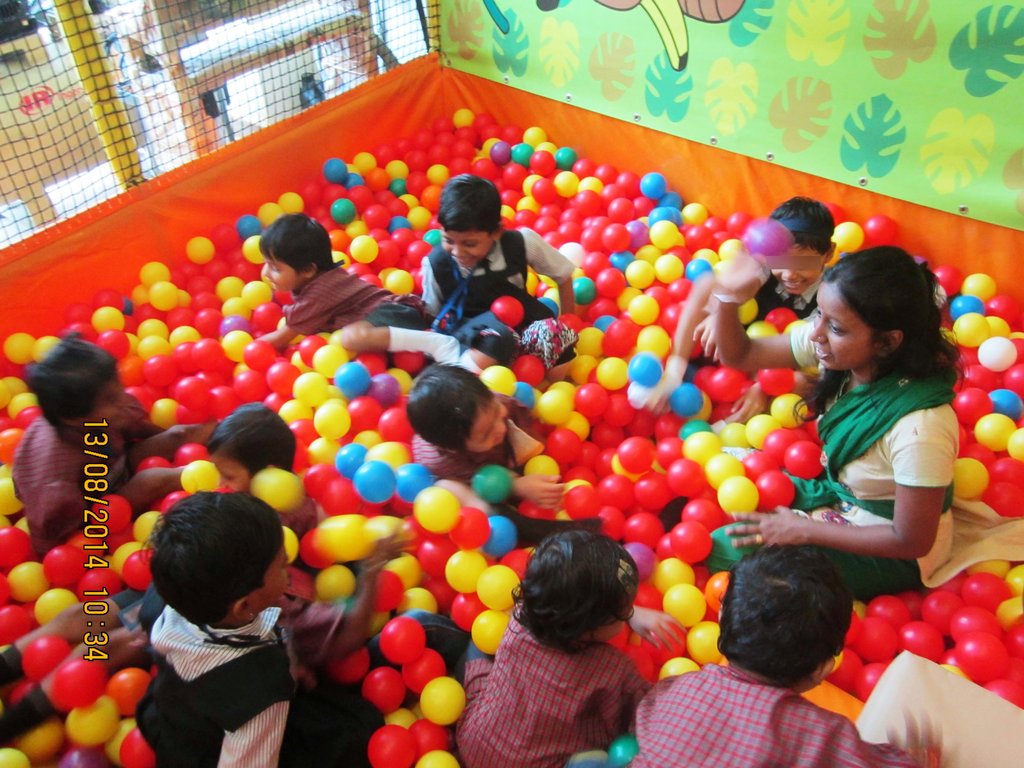
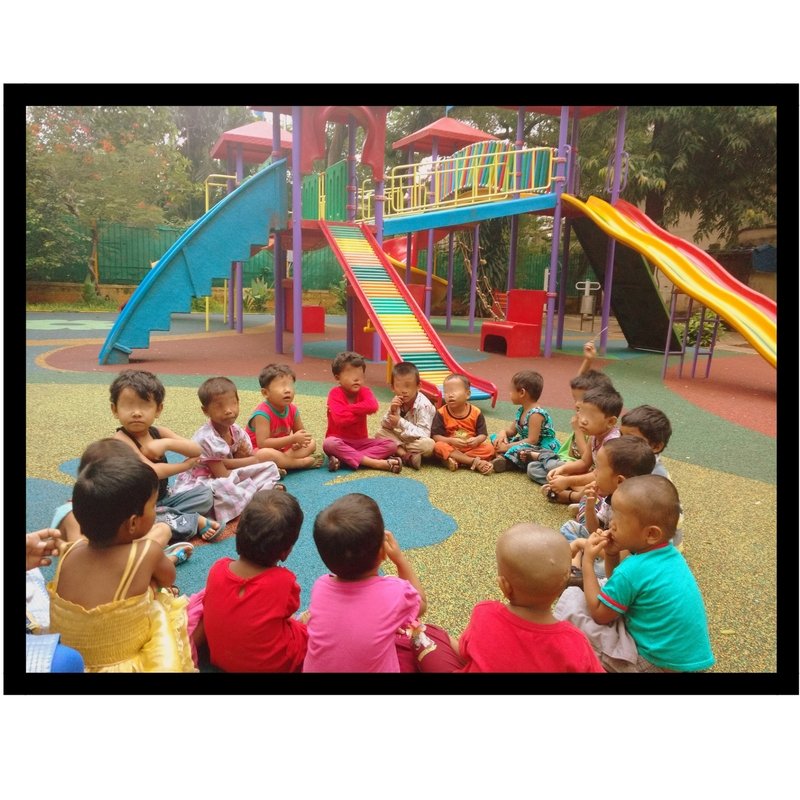
As for indoor activities, we held ‘throw a ball in the bucket’; while skipping, football and pass-the-ball were held as part of outdoor activities.
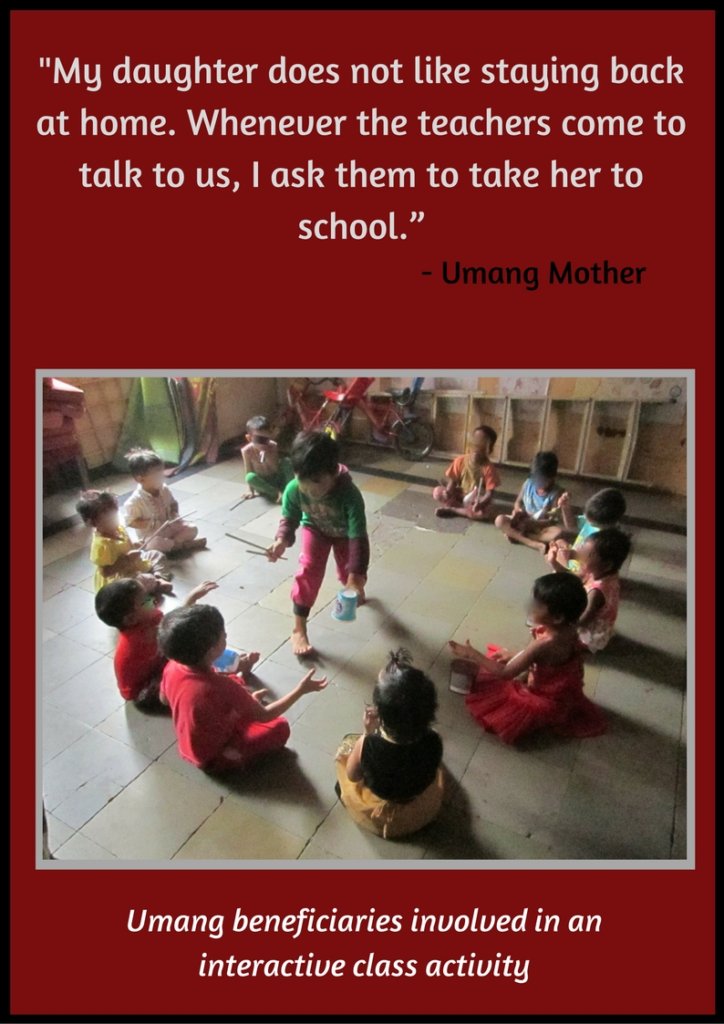
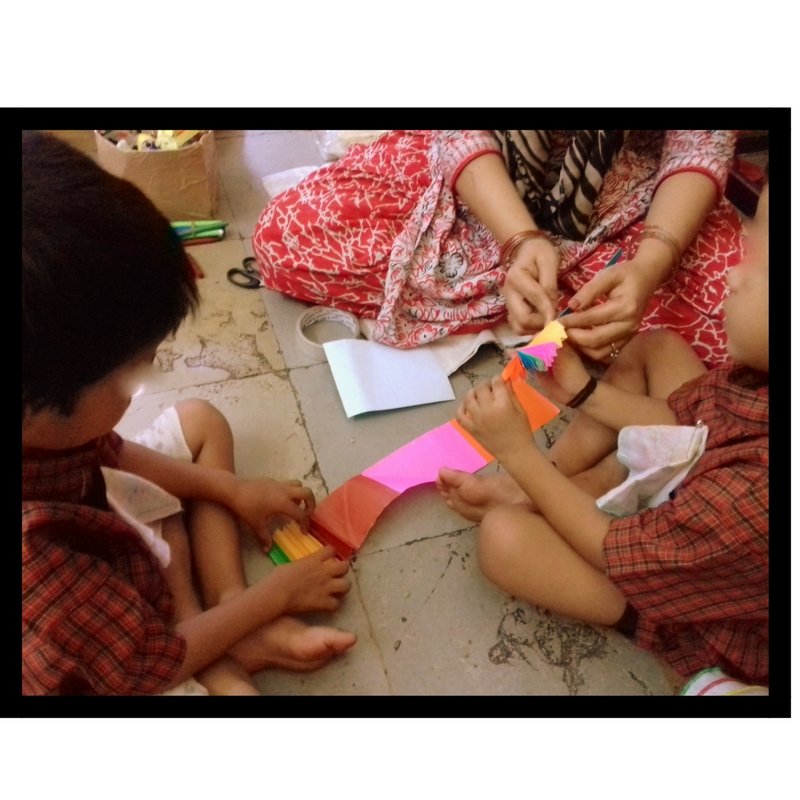
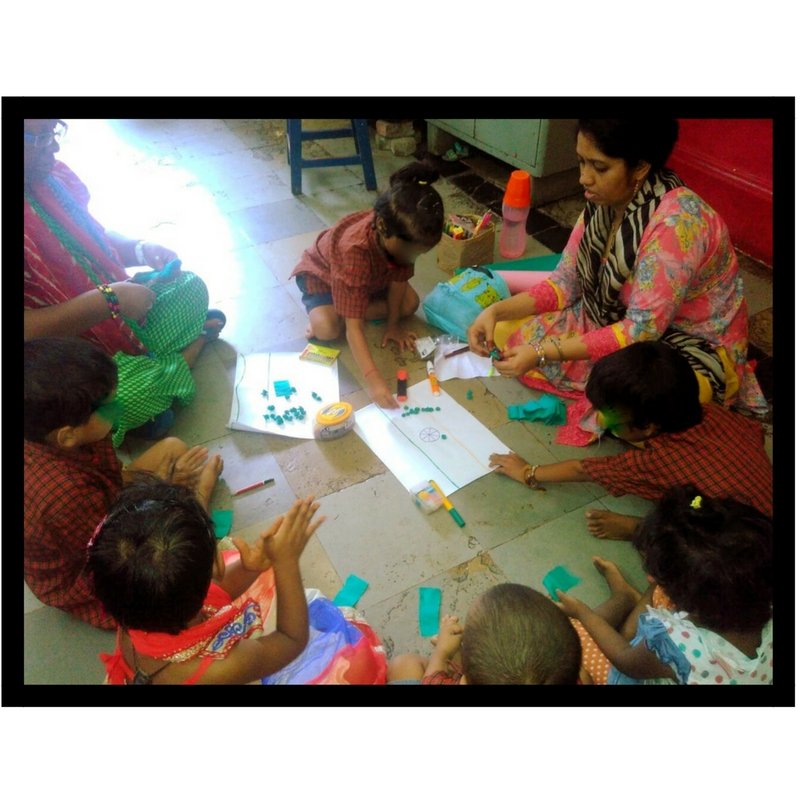
From making a clock with paper plates, to creating paper fans- our beneficiaries enjoyed innumerable art-based activities this quarter. While each activity was designed to introduce new academic concepts to our beneficiaries, it was also kept in mind to make the activities communal and fun.
We at AAWC recognize the power of learning through group activities. Apart from instilling a sense of team-work and making academics fun- such activities also become spaces for our beneficiaries to explore their artistic and creative talents.
Apart from these, our beneficiaries were also involved in making umbrellas using paper plates and straws, and painting flowers with their thumb-prints.
COUNSELLING:
As you have read above, we place a lot of importance on the health of our beneficiaries. Mental health, too, is as important to us as the physical well-being of our beneficiaries. We design our programs keeping in mind the emotional and mental capacities of our beneficiaries, especially because they are between the ages of 2-10 which is a crucial period for children to grow into mature and sensible adults.
Dog Therapy Sessions: Founded on that belief was our participation in dog therapy sessions. Lexi, a mid-sized beagle, was accompanied by two adults and our young beneficiaries in solving puzzles, and fetching vegetable and fruit cards. The trainer-dog, Lexi, was also involved in teaching the beneficiaries in learning etiquettes and polite phrases like ‘Please give me that biscuit’, ‘Thank you’ and ‘Welcome’.
Apart from turning into fascinating learning experiences, such dog therapy sessions also double up as spaces for our beneficiaries to develop a sense of care and kindness for fellow beings. Keeping in mind that our Umang beneficiaries belong to a community that is often exposed to sexual and physical forms of violence and disorder, such early intervention into their emotional capacities is essential for their welfare in the long term.
CELEBRATIONS:
At AAWC, we realize that community celebrations are a vital space for our beneficiaries to simply spend time with each other and grow into a sense of belonging. As a lot of our beneficiaries are night shelter seekers, we understand that they spend a massive amount of time growing up away from their biological family. From this understanding of ours comes the need to hold community celebrations, and make our beneficiaries feel at home.
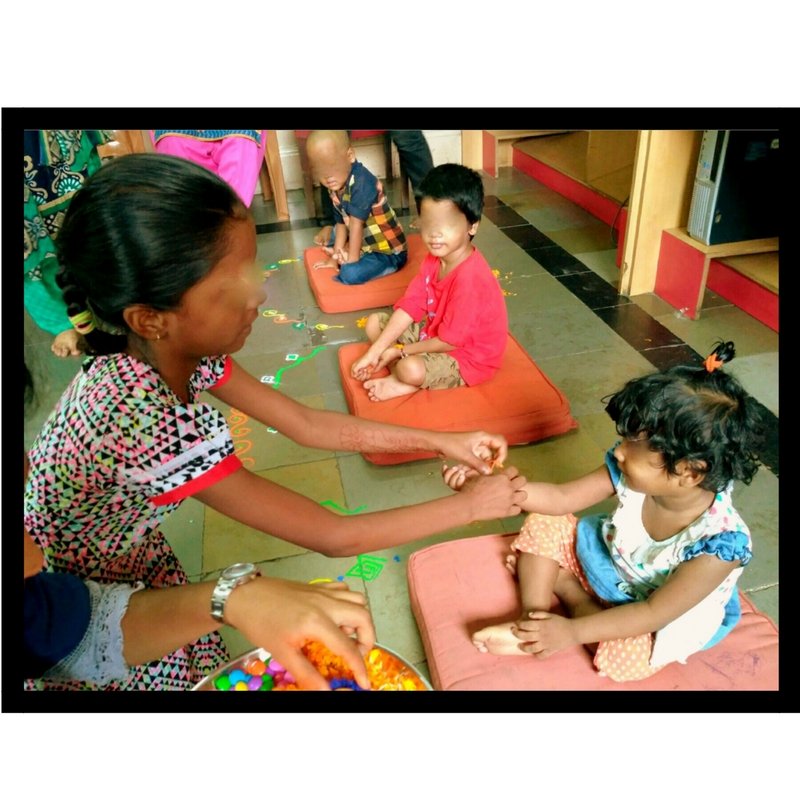
This quarter, we celebrated Friendship day, Ganesh Chaturthi, Rakhi, Eid-ul-Fitr, Dussehra etc.
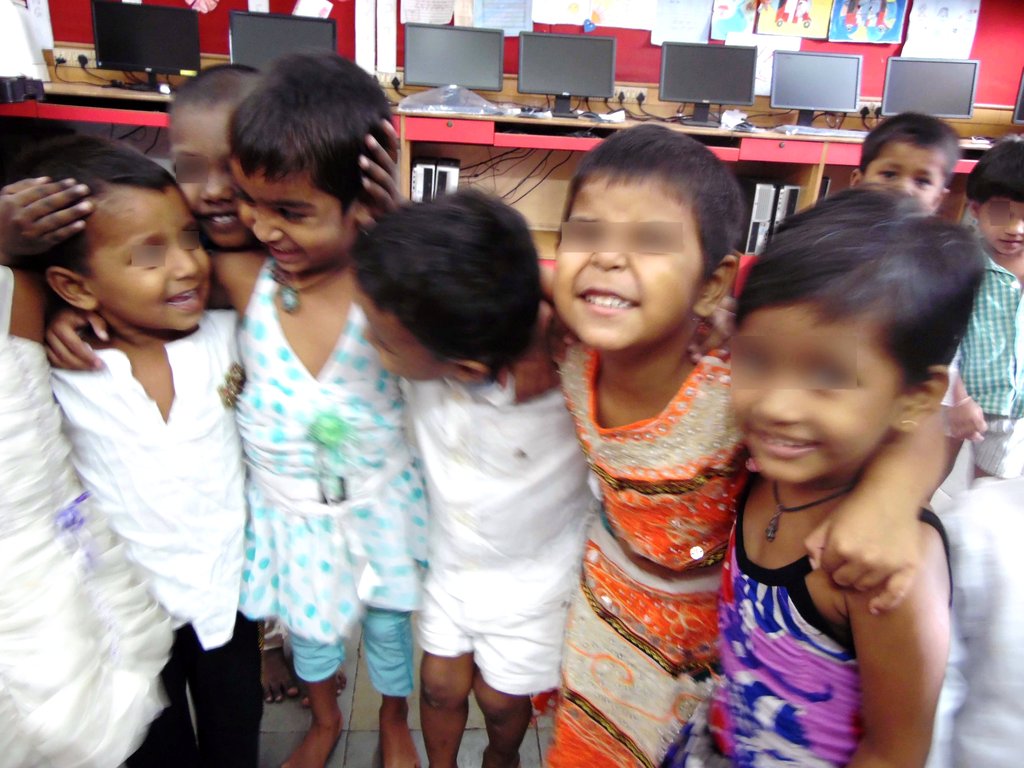
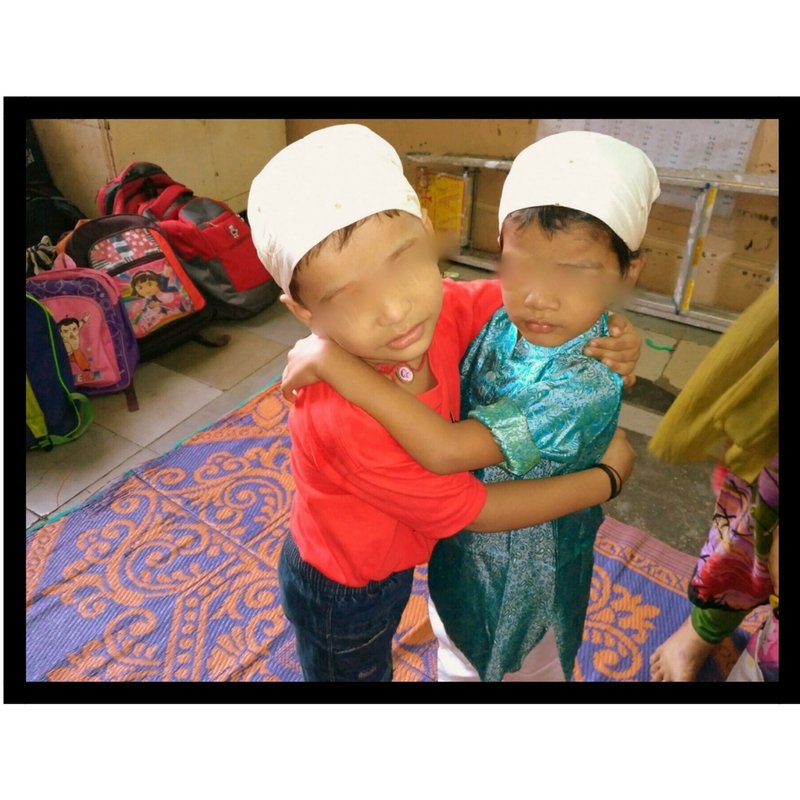
Eid-ul-Fitr Celebrations: One of our most special events was Eid-Ul-Fitr. Dressed up in new clothes and white scarves, the beneficiaries hugged, and greeted each other with ‘Eid Mubarak!’ The beneficiaries also danced to a few Bollywood qawwali songs, and then they sat down to gorge on warm Chicken Korma, Jeera rice and Vegetable Raita. They also enjoyed sheer kurma as the evening snack that day.
HOME VISITS:
We at AAWC pride ourselves in being more than just providers of resources; we understand that development and growing up is a multi-faceted experience for our beneficiaries. For those beneficiaries who pass out from our Umang Program and are placed in private/government schools, we conduct regular house-visits and keep track of their academic and emotional progress. Ideally, once the beneficiaries pass out from our Umang program- they are assumed to be the responsibility of the schools they get enrolled into. Yet, we do not abide by such thought process, and take personal interest in all the alumni of the Umang program. This quarter, one house visit was done as only one of the beneficiaries was of age to join a formal education/schooling.
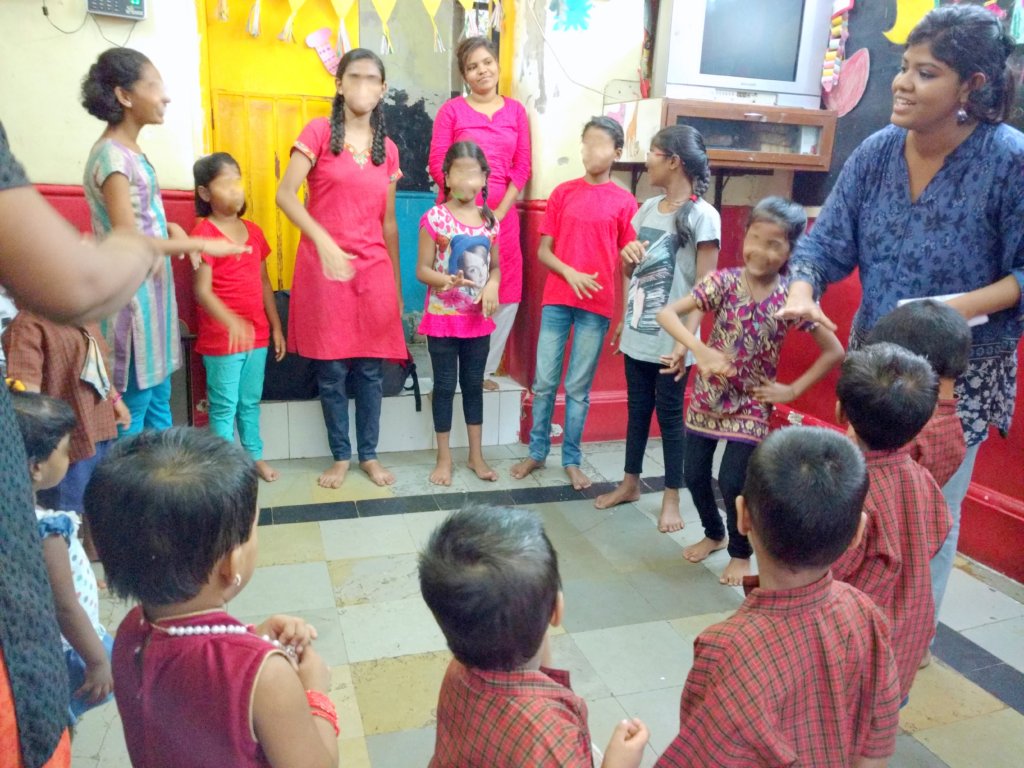
*Photos have been blurred to protect the identities of our beneficiaries under the Child Protection Laws of India
By Sneha Mahajan | Fundraising & Communication Manager
By Manju Vyas | Organization Director
Project reports on GlobalGiving are posted directly to globalgiving.org by Project Leaders as they are completed, generally every 3-4 months. To protect the integrity of these documents, GlobalGiving does not alter them; therefore you may find some language or formatting issues.
If you donate to this project or have donated to this project, you can receive an email when this project posts a report. You can also subscribe for reports without donating.