By Naresh Newar | Sr. Communications Consultant
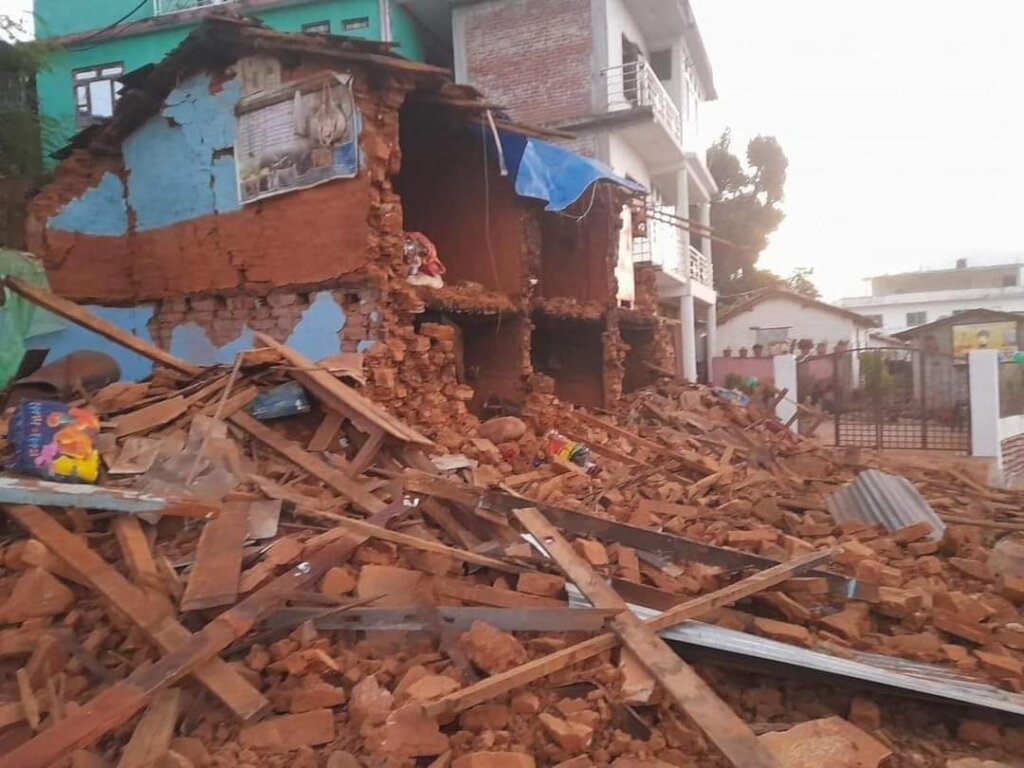
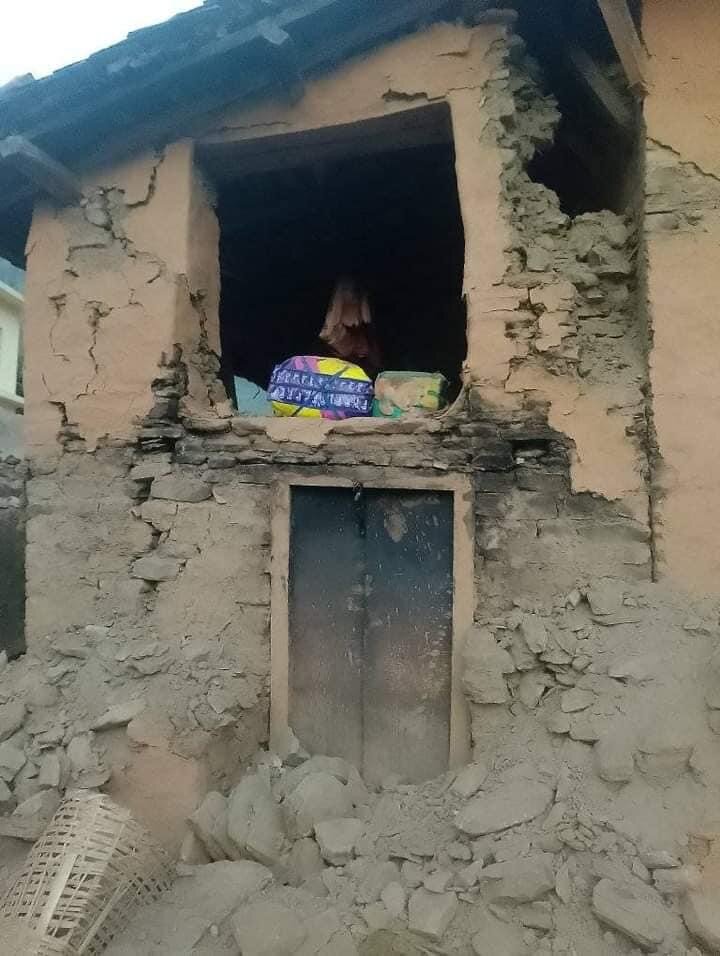
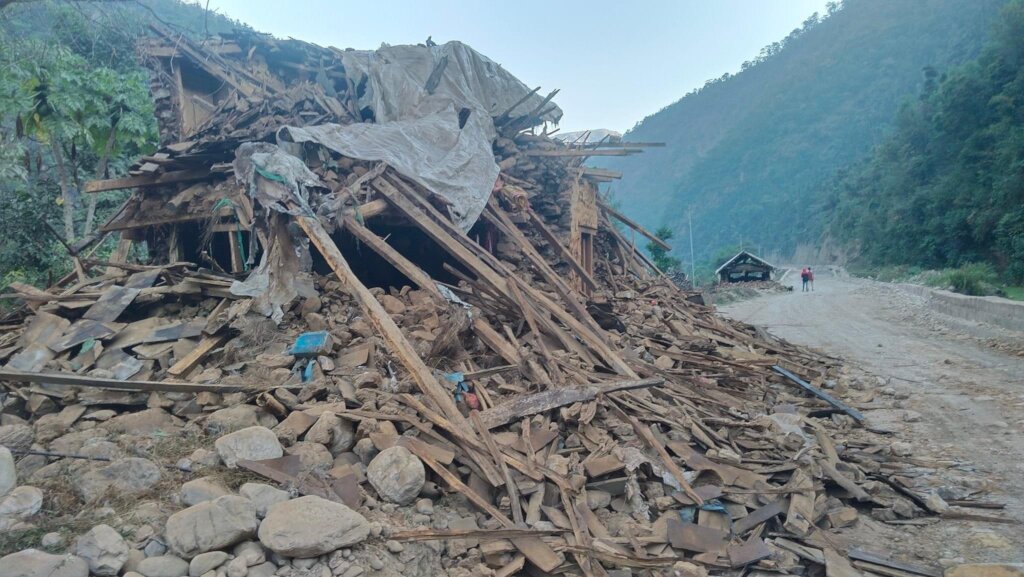
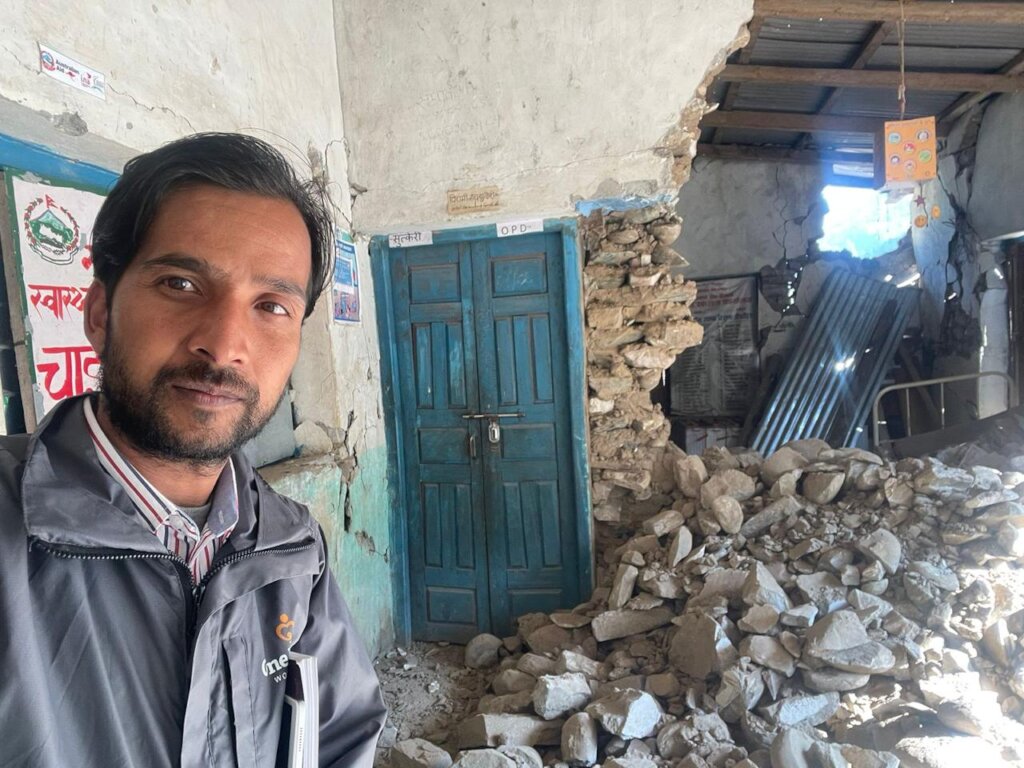
In the quiet hills of Jajarkot, the aftermath of the devastating earthquake on November 3, 2023, left residents' lives shattered but showed the resilient spirit of a community grappling with the harsh realities of rebuilding.
Emergency Relief Efforts
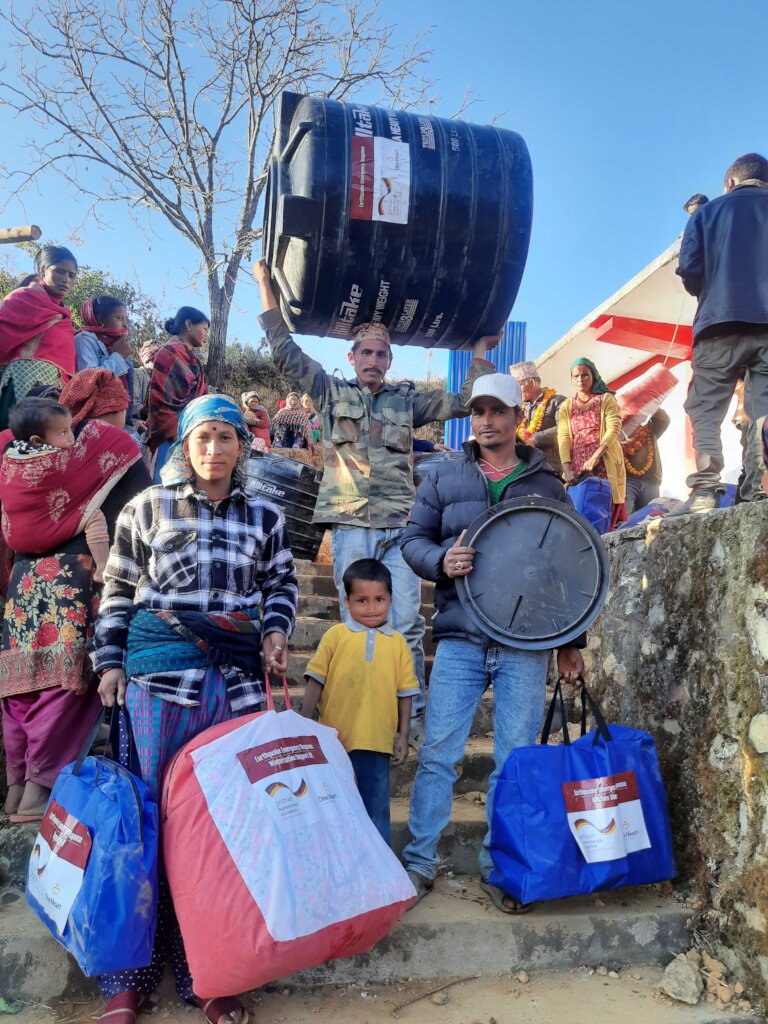
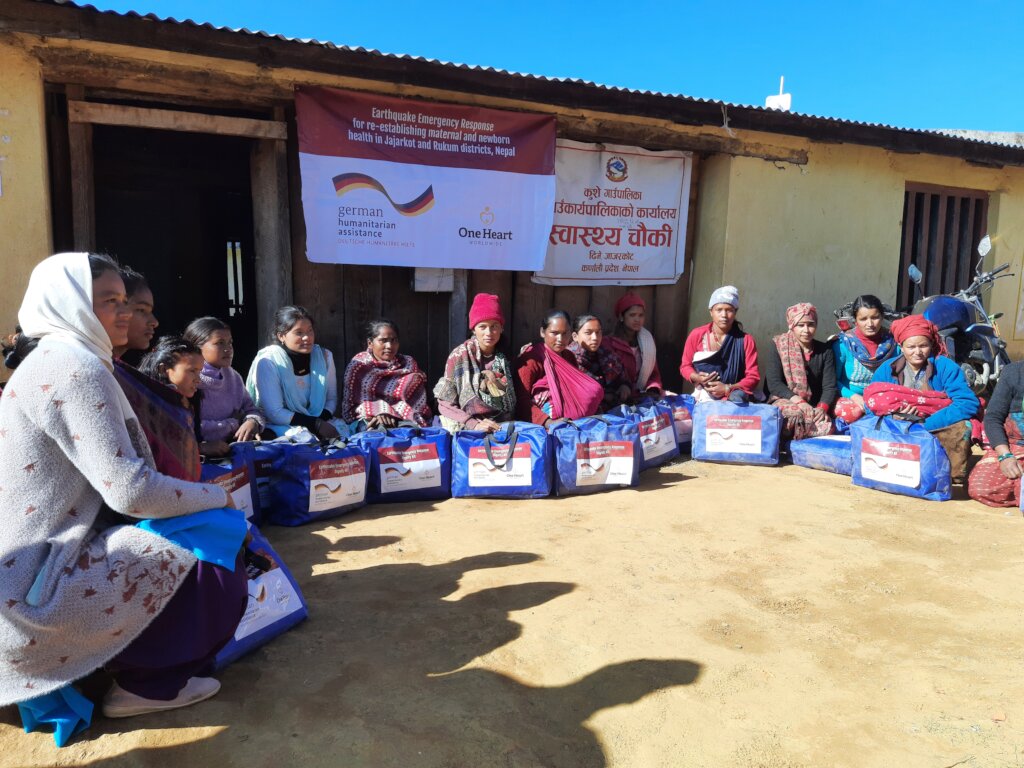
By January 2024, the One Heart Worldwide (OHW) team had worked tirelessly for two months to ensure emergency supplies reached the most earthquake-affected communities. The Kathmandu team packed supplies and loaded them onto two heavy trucks, while teams in Jajarkot and Rukum West coordinated distribution.
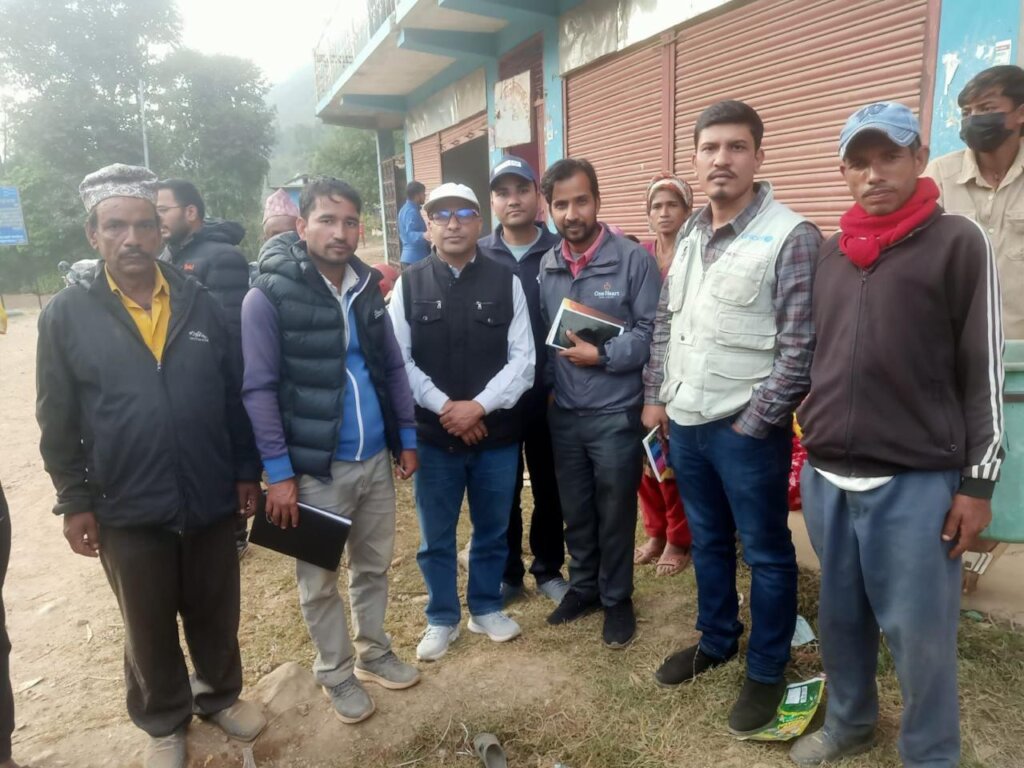
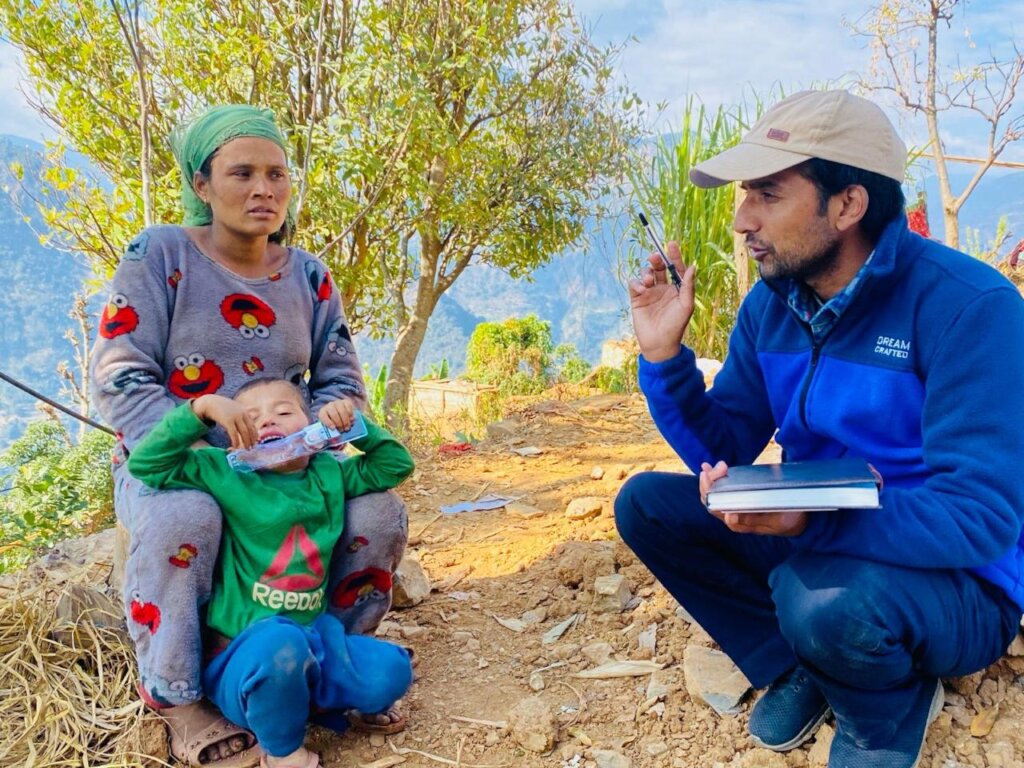
In February 2024, an OHW program team from Kathmandu and Surkhet visited affected Jajarkot communities, joined by German Embassy senior official Sabrina Schmidt Koschella. During the visit, we met seven-year-old Manju, whose jolly demeanor contrasted with her traumatic experience of being trapped beneath her collapsed house's rubble. "I heard my mother screaming for help outside, and after some time, people rescued me," Manju recalls.
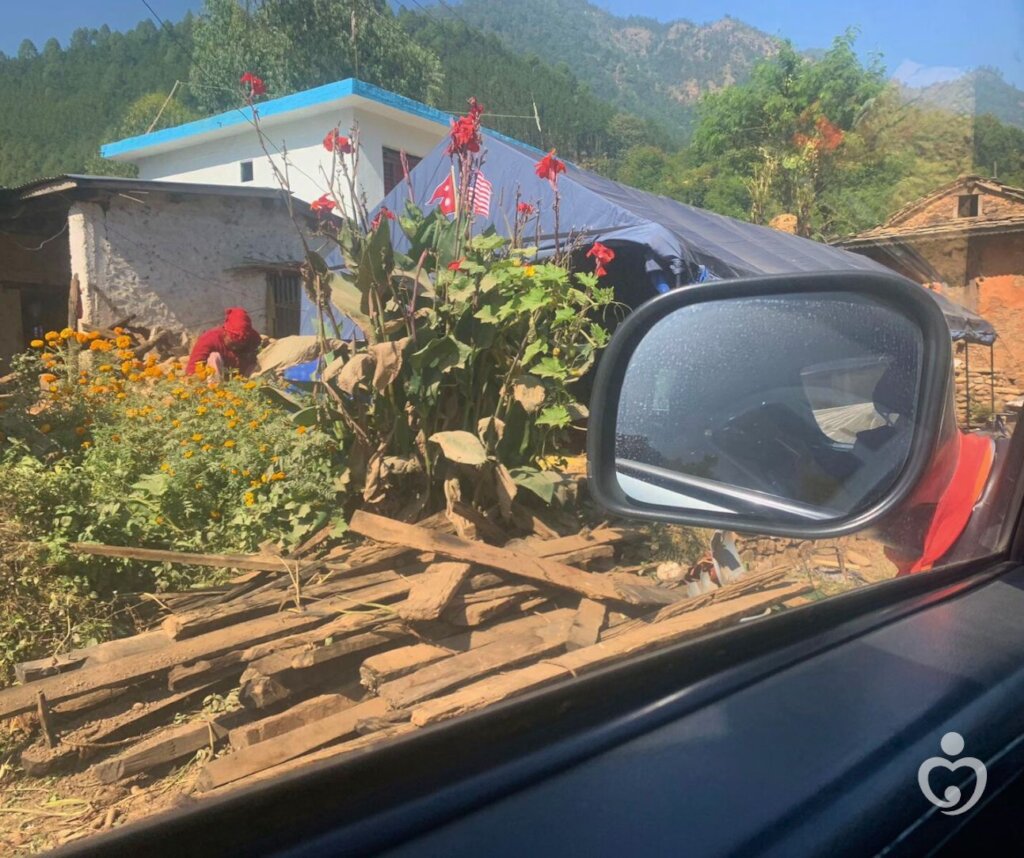
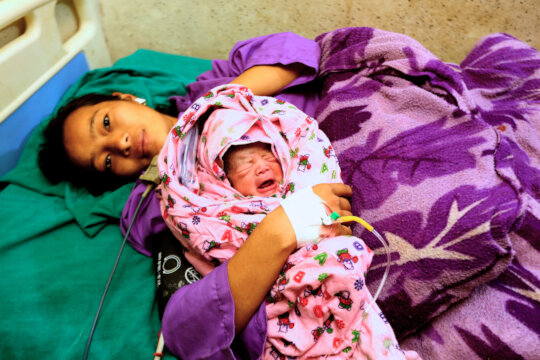
The team witnessed the fragility of disaster-affected communities during winter, with families in tarpaulin and tin shelters suffering cold nights on bare floors. Pregnant women and lactating mothers with newborns were particularly vulnerable.
"We met many pregnant women and mothers, and their safety was our big concern. They urgently required suitable living conditions for healthcare, proper shelter, and nourishment," emphasized OHW’s Executive Director, Surya Bhatta.
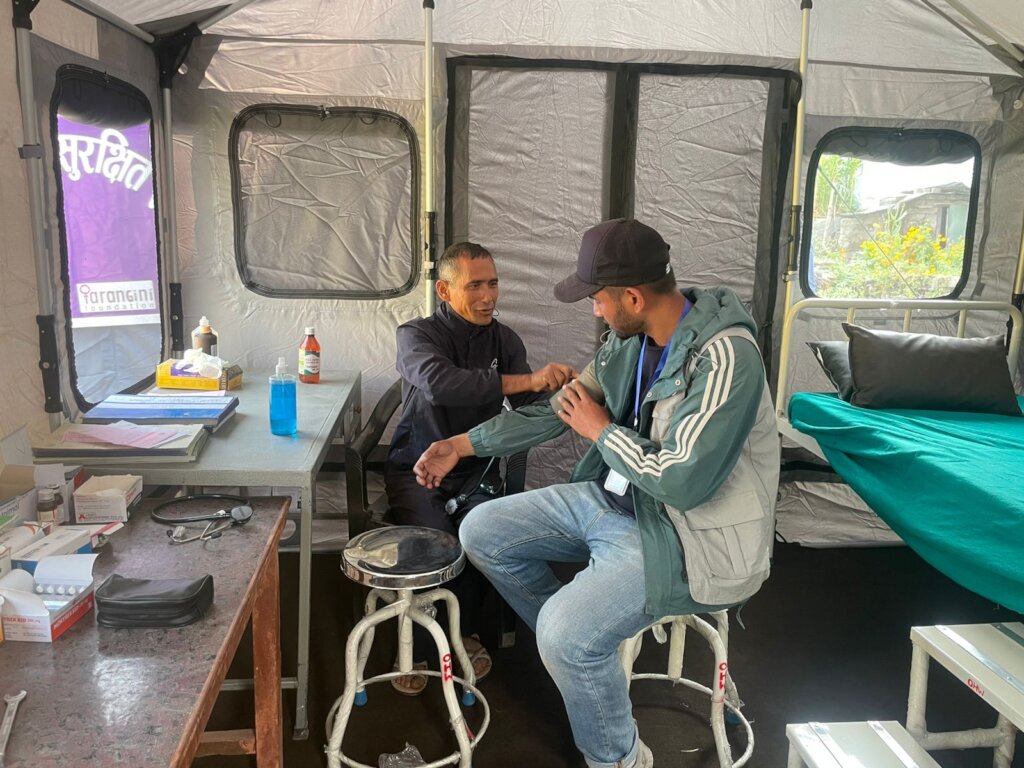
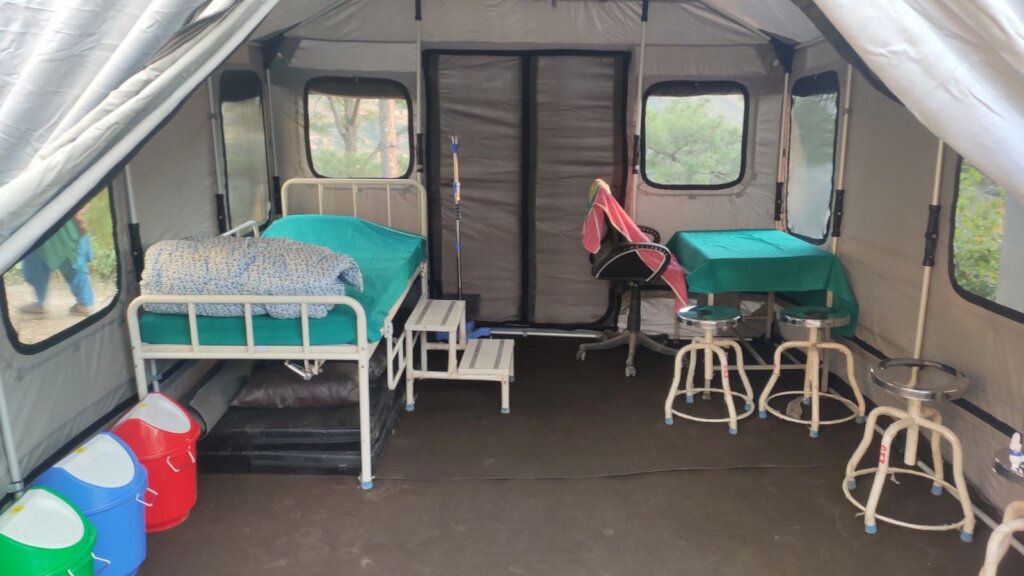
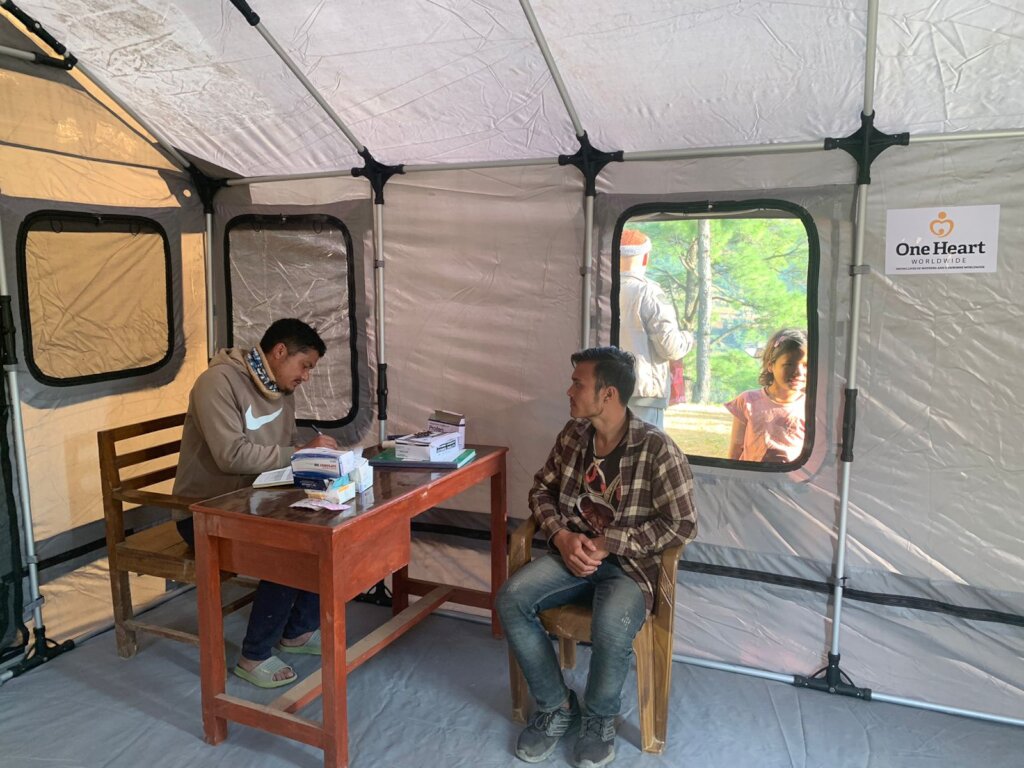
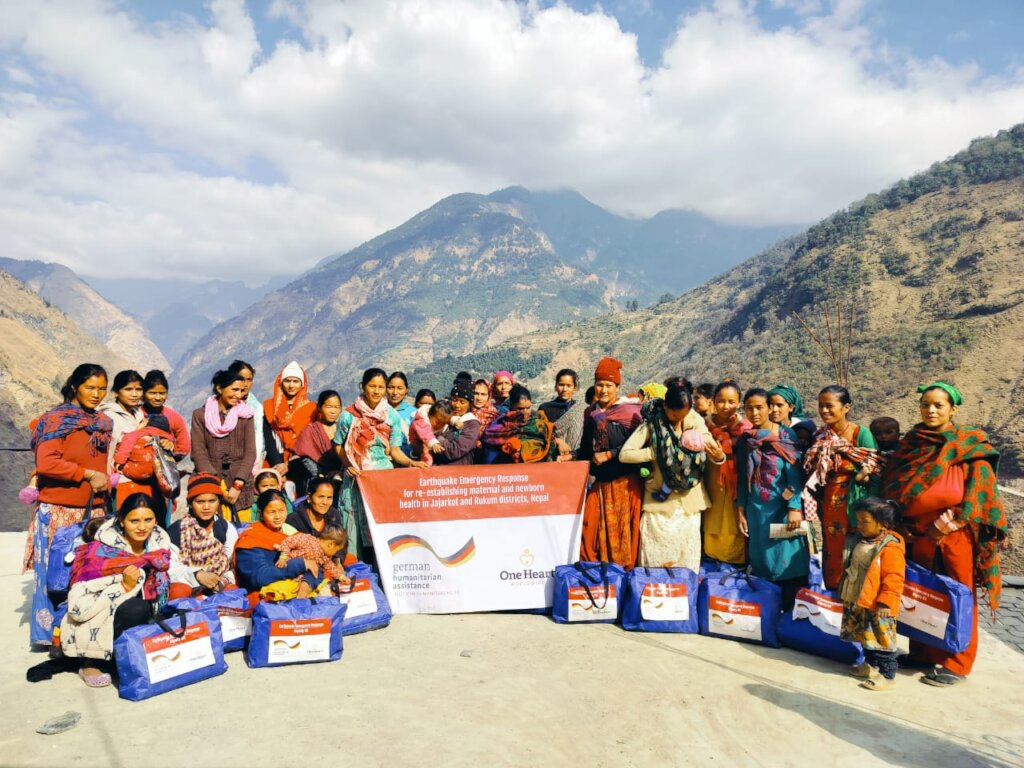
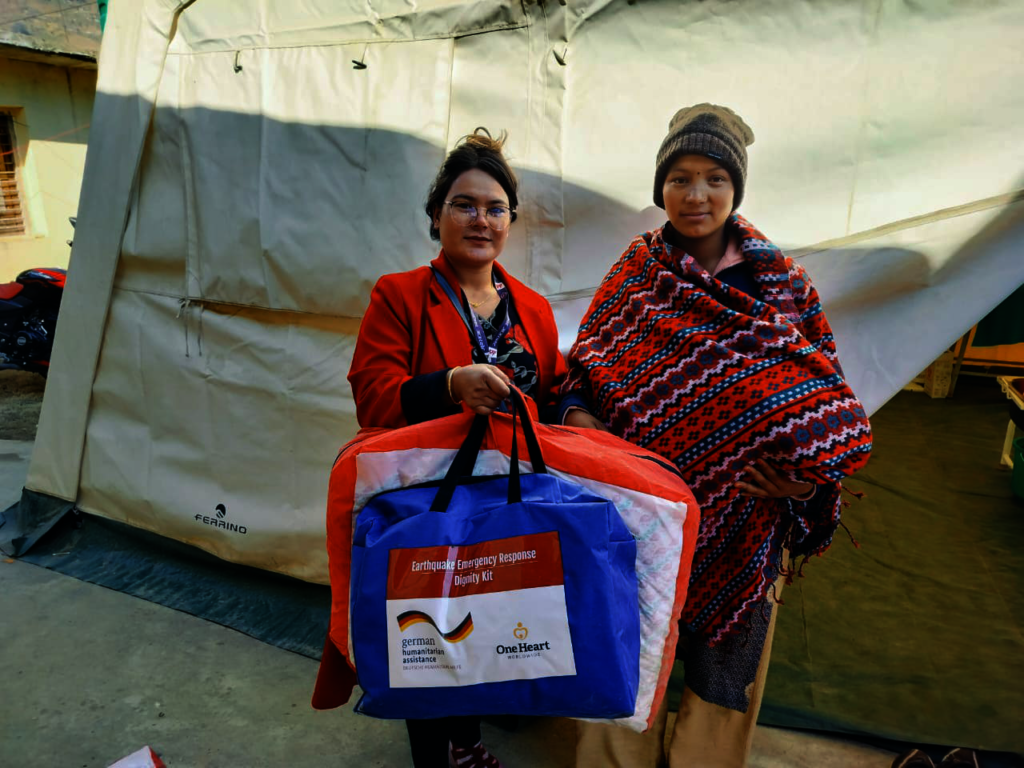
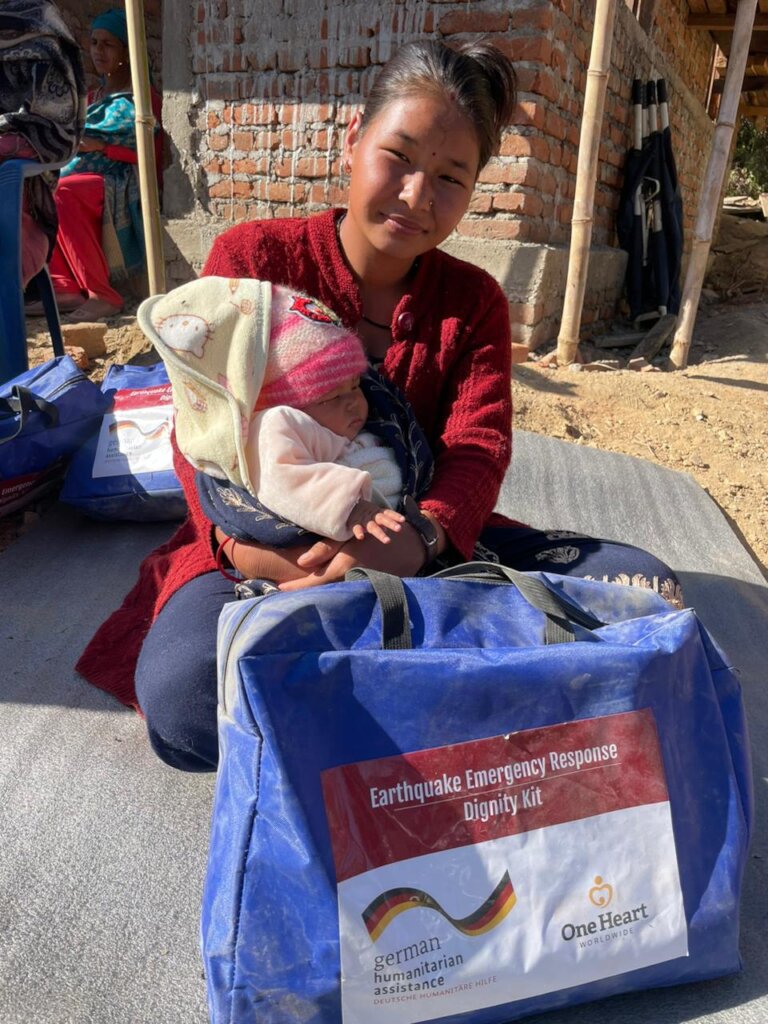
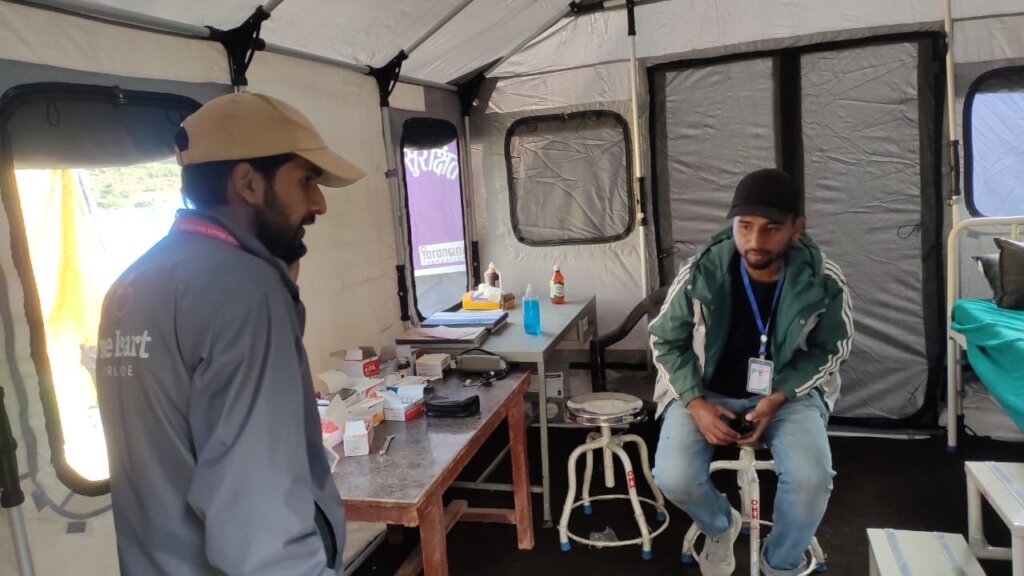
In collaboration with the German Embassy and government humanitarian funds, OHW provided medical tents, equipment, winterization kits, blankets, hygiene kits, and dignity kits for pregnant/lactating mothers and babies.
Struggling Health System and International Support
The earthquake severely impacted Jajarkot's health system, damaging over 40 facilities, including crucial birthing centers, exacerbating pre-existing quality concerns.
"Through conversations with residents, municipalities, and officials, we gained insights into the extensive challenges ahead," said Schmidt Koschella. The destruction's scale underscored the urgent need for additional international community and donor agency support.
At Ramidanda Health Post, Chief Bishnu Raj Jyoti and staff saved many lives, providing continuous treatment through night and day. "Nearly 400 families live in this ward, and those with serious illnesses and injuries were taken to Surkhet Hospital by helicopter," Jyoti said.
Maya, six months pregnant during the earthquake, escaped her collapsing home. Now nine months pregnant during the team's visit, she hoped for safe delivery at Ramidanda Health Facility, though it lacked proper birthing resources and equipment.
"I feel lucky we're safe. We're thankful to OHW for providing warm clothes and blankets that helped us," said Maya, highlighting newfound attention and aid reaching her remote village for the first time.
OHW's Relief Efforts
Rabin Joshi, OHW Senior Program Coordinator, provided insights into relief efforts in earthquake-stricken Jajarkot and Rukum West.
The devastation severely impacted health services, with over 40 facilities ruined. While donors provided tents, local providers still struggled to deliver quality care.
Joshi acknowledged the District Administration Office's assistance but emphasized that further support is needed, particularly in rebuilding the health service infrastructure.
Now, focusing on the second phase of OHW’s earthquake response, the team has been collaborating with local health facilities to ensure that critical medical services remain accessible to those in need. OHW’s efforts have included providing essential equipment to 10 health facilities across the two affected districts, with seven in Jajarkot and three in Rukum West. This support has been vital in enabling these facilities to continue providing much-needed healthcare services after the disaster.
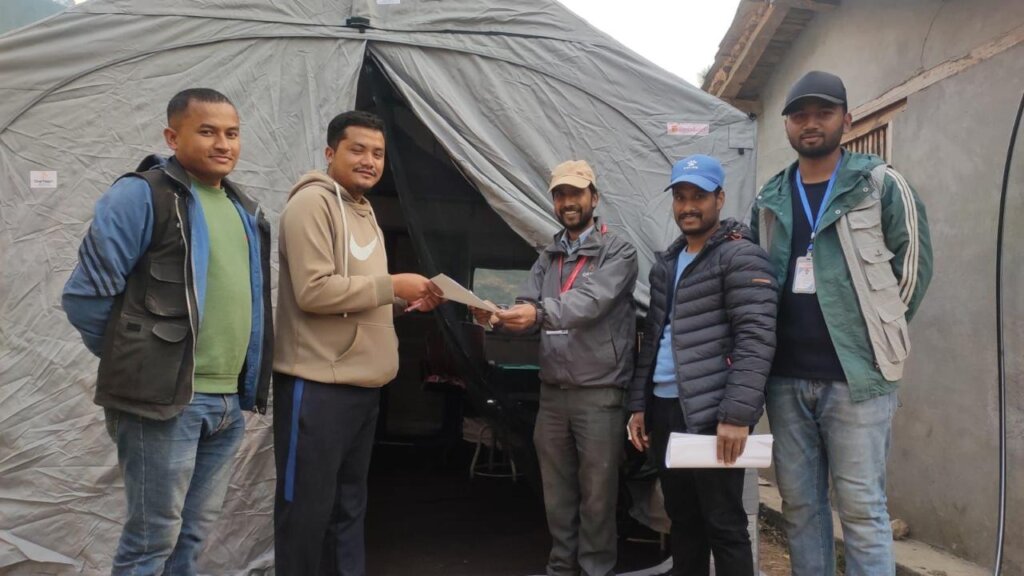
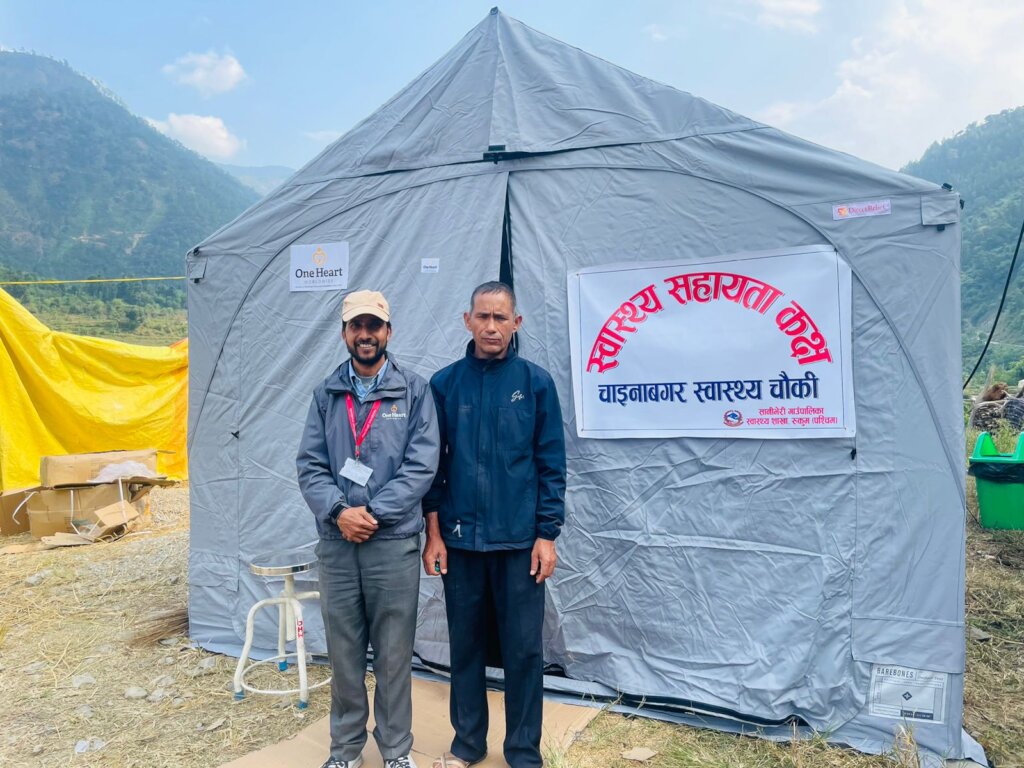
To further strengthen healthcare services in the region, OHW, with the support of the German Embassy, has provided and installed medical tents at four health facilities, including three in Jajarkot and one in Rukum West. These tents serve as temporary medical facilities, ensuring that healthcare providers can continue to deliver essential services to patients despite the destruction caused by the earthquake.
OHW's support also extends to providing stretchers, with 75 distributed among 12 health facilities in the two districts. These stretchers have been critical in helping healthcare providers safely transport patients and provide emergency care to those in need.
OHW's comprehensive and targeted approach to the earthquake response has relieved affected communities in Jajarkot and Rukum West. Through OHW’s efforts, the team is working to rebuild local healthcare infrastructure and provide essential medical services to those who need them most.
Links:
By Lok Mani Giri | OHW District Coordinator in Rukum West
Project reports on GlobalGiving are posted directly to globalgiving.org by Project Leaders as they are completed, generally every 3-4 months. To protect the integrity of these documents, GlobalGiving does not alter them; therefore you may find some language or formatting issues.
If you donate to this project or have donated to this project, you can receive an email when this project posts a report. You can also subscribe for reports without donating.