By R.BALU | DIRECTOR
BUDDHA OUTCAST SOCIAL SOCIETY - BOSS
The main field of work of our Organization is improving the quality of life of vulnerable sections of the society. In this fields we intervene in different kinds of ways. They are Health, Education, Economic Development of Poor, Environment, Rights of women and Children to name some. We try to answer the difference a project grant will make to our target people with reference to Sustainable Development Goals No.s 1.b, 2.1, 2.2, 2.3, 2.4, 2.5 and 13.1.
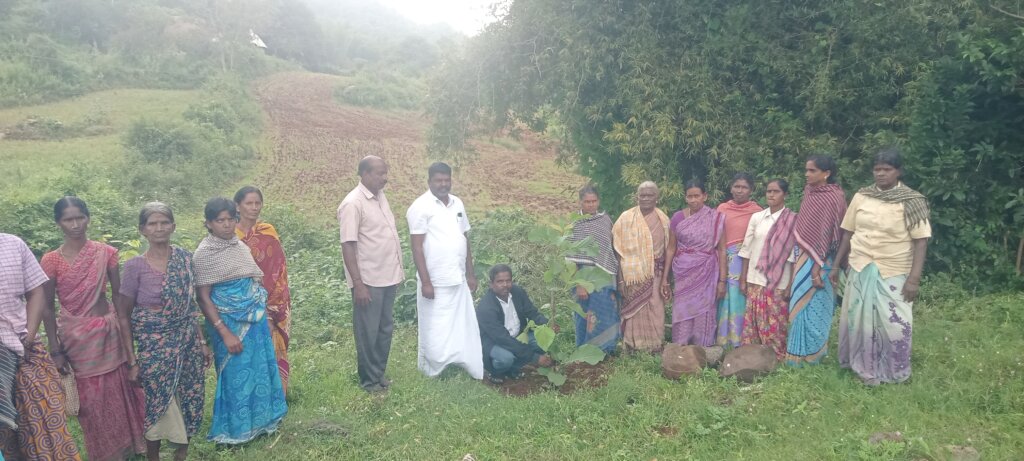
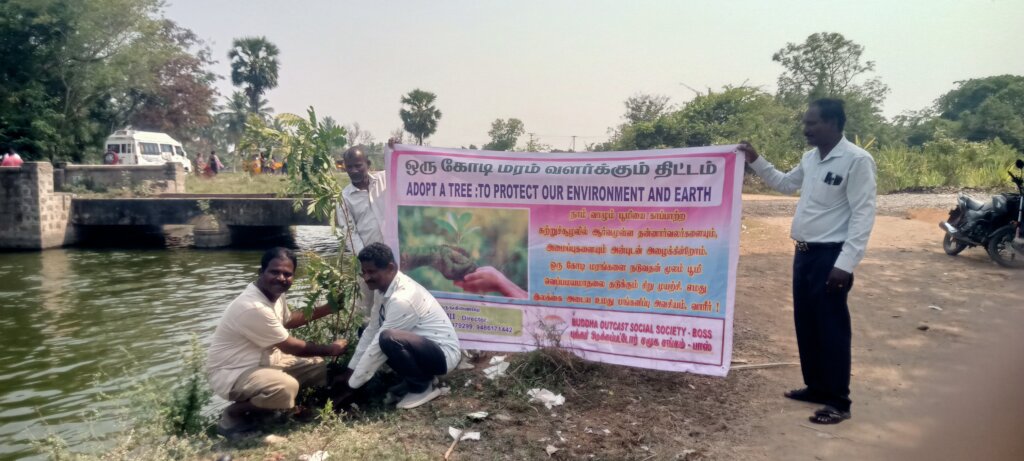
The project envisages to protect Cheyyar river banks at Thatchur Village by enriching the suitable bio-diversity while achieving the some of the Sustainable Development Goals under Poverty, Hunger, Health and Climate change. This will also take into the account of life on the land and life under water. Many plants have been lost and with them many entomological and bird species also lost.
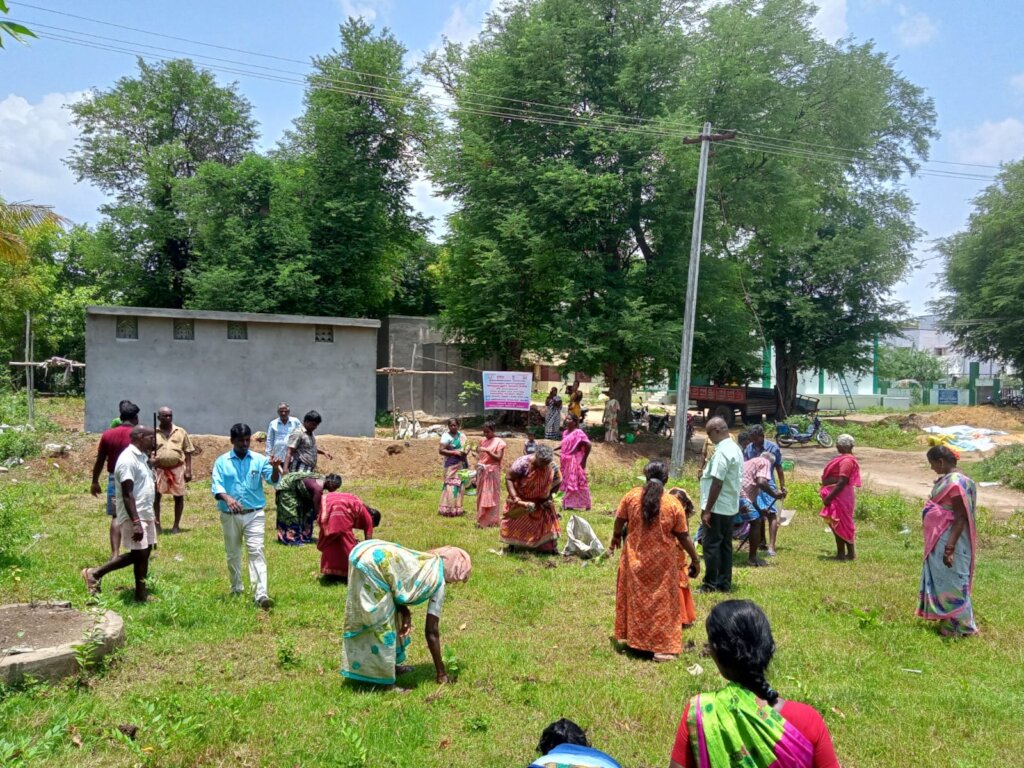
The project activities will take place on the banks of Kanji River near the village of Thatchur, Arni Taluk, Tiruvannamalai District, Tamil Nadu, India. There is a bridge and all sides of bridge will be the target area. The actual distance to be covered will be about 8 Kilo meters of length and about 20-30 meters of breadth. The distance to the target area from the nearest air port Chennai is about 153 Kilometers by road. From Bangaluru air port to the target area is 251 Kilometers by road.
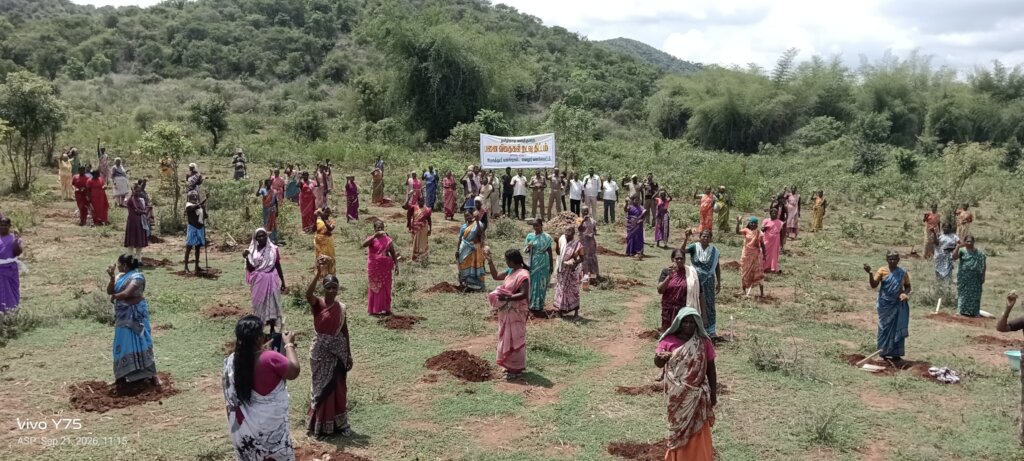
Being environment enrichment based project the whole world will be reached. However the immediate target people are from the village of Kanji. Among these women from the communities of Irula and Scheduled Caste. We have already in good rapport with the target people, because we are based in the area. We have already assisted the target group in economic development and education.
The activities to be taken up are as follows
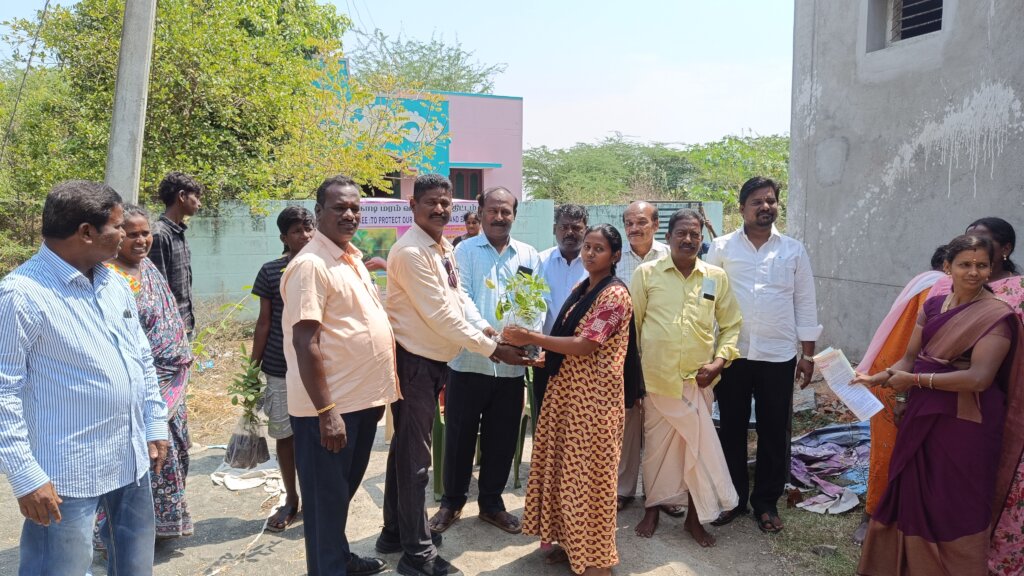
1) Two camps explaining the project to the target people. One is for all the people of the village and another one for the Irula community people.
2) Recruitment of student volunteers and provision of training on environment enrichment.
3) Removal of invasive species “juliflora prosopis” from the targeted river banks.
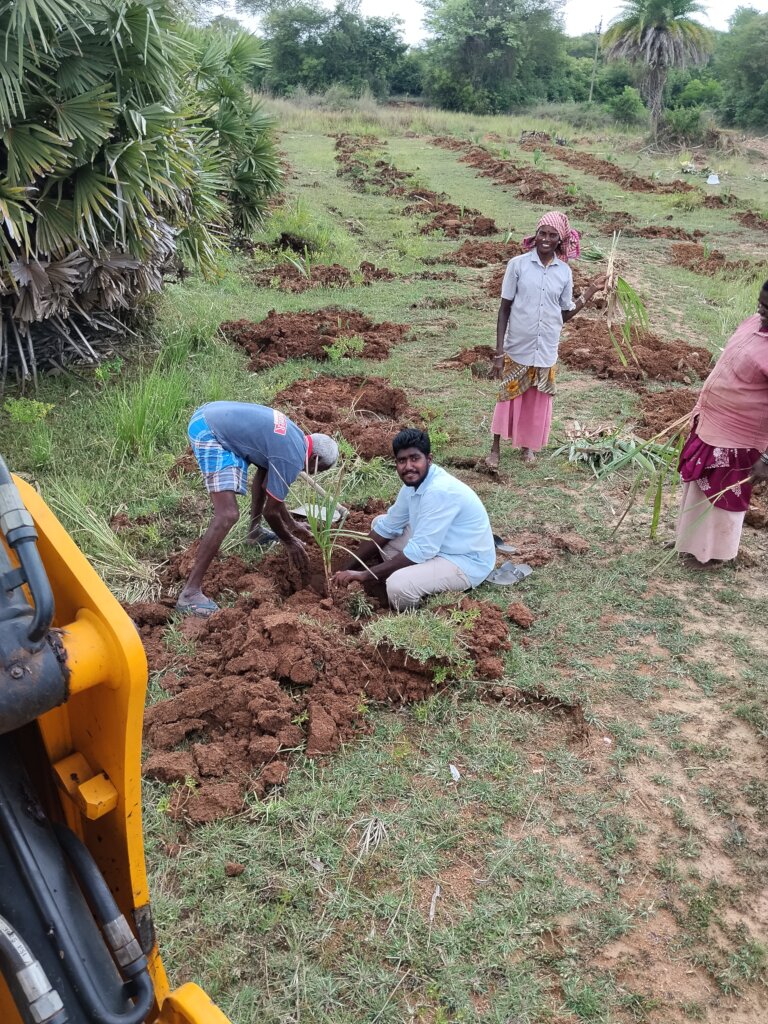
4) Strengthening of banks by soil erosion controlling Vettiver species (Chrysopogon zizanioides) and Arugambul (Cynodon dactylon) and to control the breaches those bring the plastic ( both meso and micro) wastes to the river bed.
5) The next line of species will be the bamboo trees. The variety of bamboo species are Calamus tenuis, Calamus leptesadix and Calamus floribundus. These varieties of species can be exploited for making bamboo products while being sustainable and capable of preventing big type of plastics reaching the river.
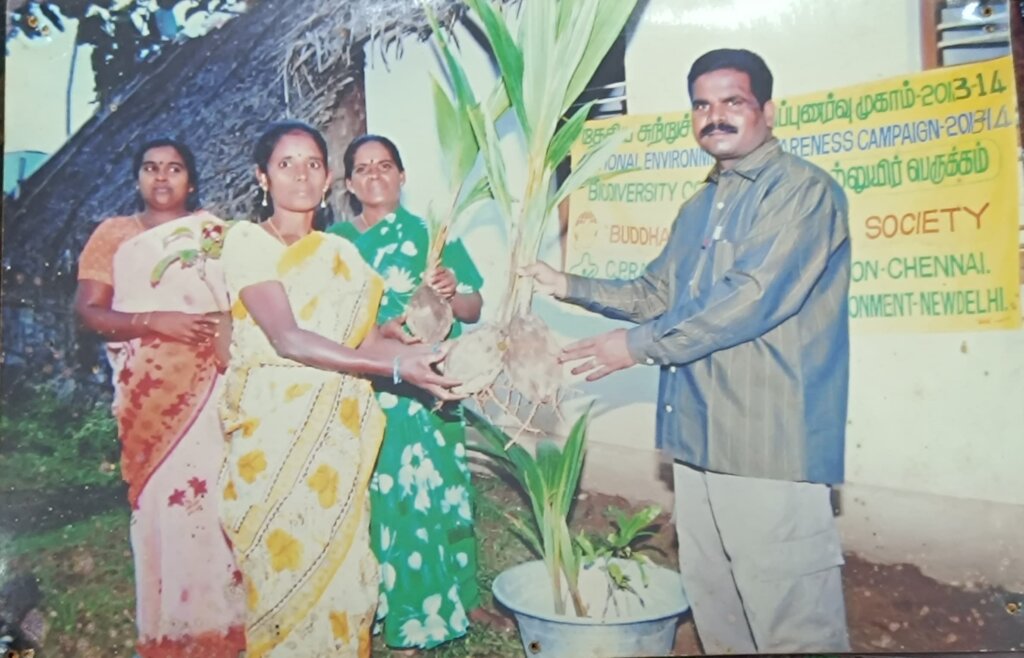
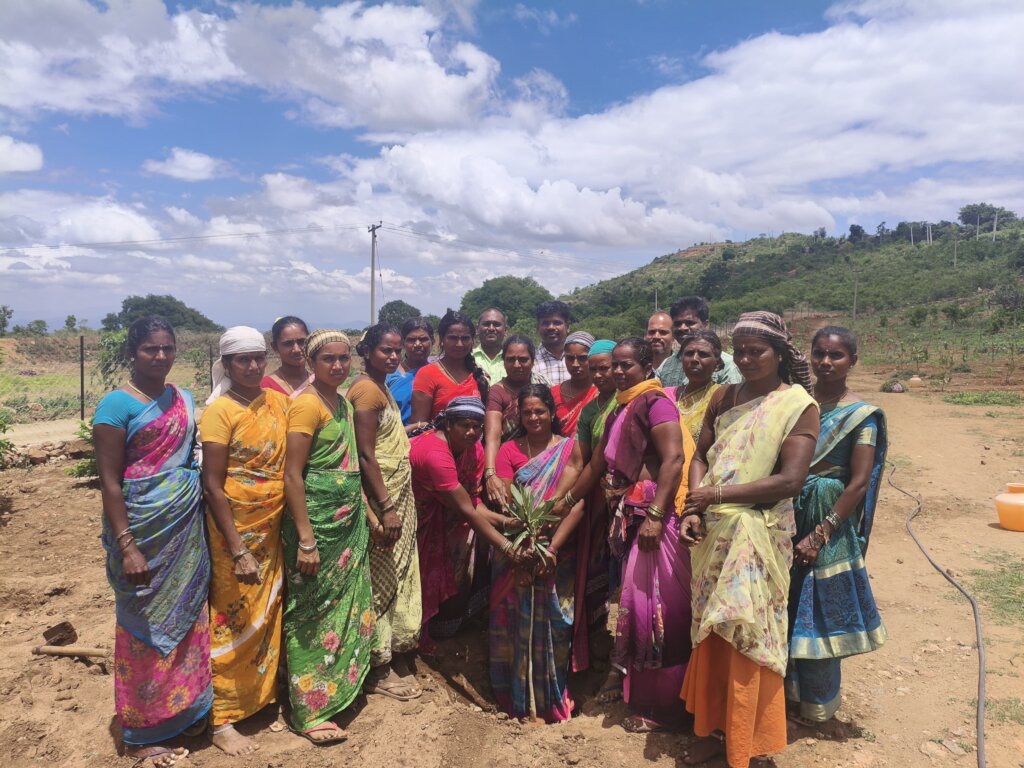
6) The next line of species those are now extinct in the target area are neem (Azadirachta indica), Mani pungan (Millettia pinnata), Kalyana Murungai (Erythrina Indica), Kodukkapuli (Pithecellobium Dulce) and Aloe Vera. These trees/plant being native will also provide fungicide for plants, vegetable oil for non cooking purpose, rabbit fodder, goat fodder and enrich the oxygen level in atmosphere. And these will be grown and protected by the target community.
Provisioning of country chicken, rabbit units, goat units to the Irula and dalit community people with required cages
By R.BALU | DIRECTOR
By R.BALU | DIRECTOR
Project reports on GlobalGiving are posted directly to globalgiving.org by Project Leaders as they are completed, generally every 3-4 months. To protect the integrity of these documents, GlobalGiving does not alter them; therefore you may find some language or formatting issues.
If you donate to this project or have donated to this project, you can receive an email when this project posts a report. You can also subscribe for reports without donating.


Support this important cause by creating a personalized fundraising page.
Start a Fundraiser