By R.BALU | DIRECTOR
Natural Ecosystem Augmentation and Transformation (NEAT).
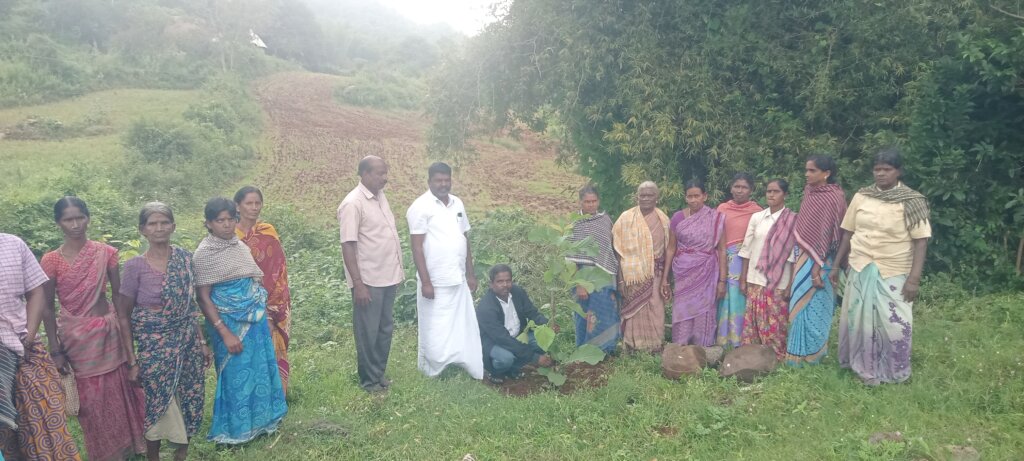
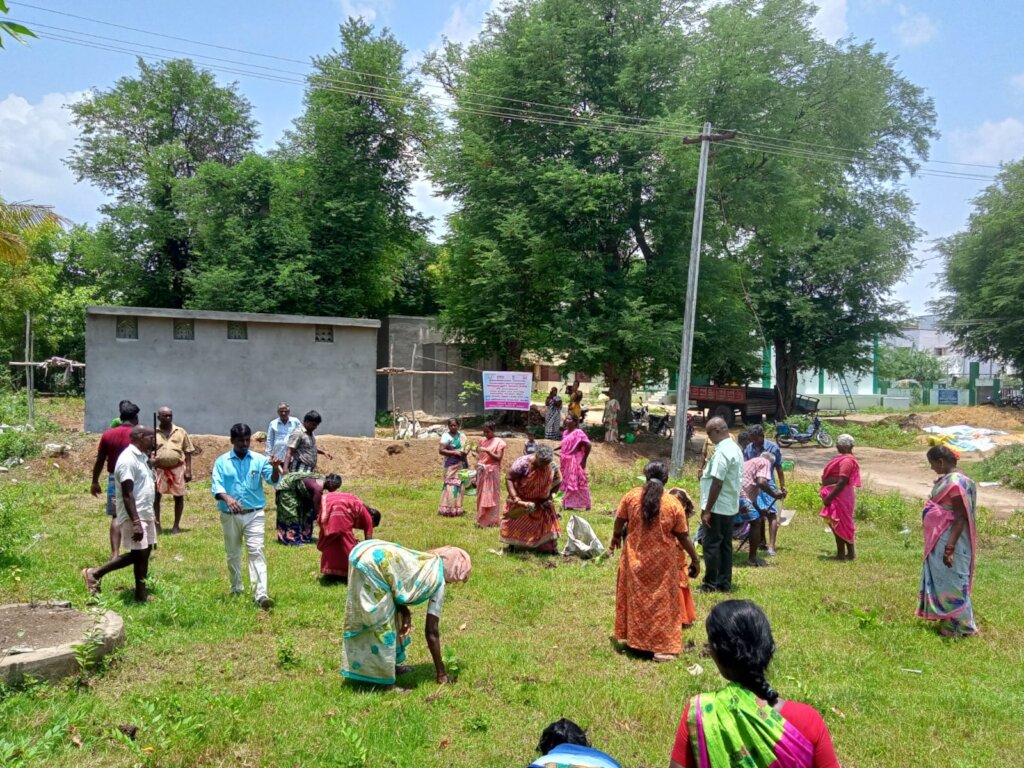
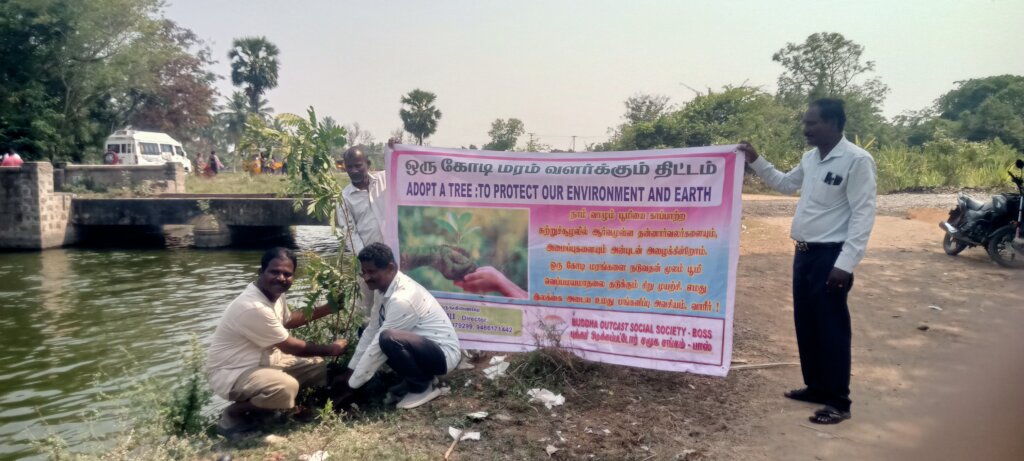
The project envisages to protect Cheyyar river banks at Thatchur Village by enriching the suitable bio-diversity while achieving the some of the Sustainable Development Goals under Poverty, Hunger, Health and Climate change. This will also take into the account of life on the land and life under water. Many plants have been lost and with them many entomological and bird species also lost.
The target area is adjacent to the village of Kanji. Being adjacent to the people there are multiple number of breaches on the banks of the river. Through these breaches the plastic wastes are deposited in the river bed and when flood comes all the plastic wastes are taken to the sea ( Bay of Bengal) as there is no major reservoir in the downstream. By this the sea is polluted with plastic and temperature caused by plastic waste. The reproductive quality of marine species is adversely affected. During ordinary period the domestic animals like goats, sheep, cows and dogs are eating these plastic waste as the river bed is treated as grazing land. The digestive system and reproductive system of these animals are also got affected and result in lack of proliferation of these animals and thereby poverty and hunger.
Many plant species those were there in the target area are now extinct. Many elders in the target village used to say that there were different kinds of plant species those lived in their village are now extinct. Even if they are illiterate what they mean is loss of bio-diversity. Another problem of the target area is proliferation of “juliflora prosopis” an invasive plant which is one of the causes of extinction of native plants and by this loss of entomological and bird species.
The target people are very poor and they do not have concrete means to improve their income. They do not have sustainable eco-system to improve their quality of life.
The most affected are the Irula community which was a nomadic hunting community. The hunting was banned by the government and they have lost their livelihood. But even now they are hunting in the nearest forest area without knowing the eco-system of species.
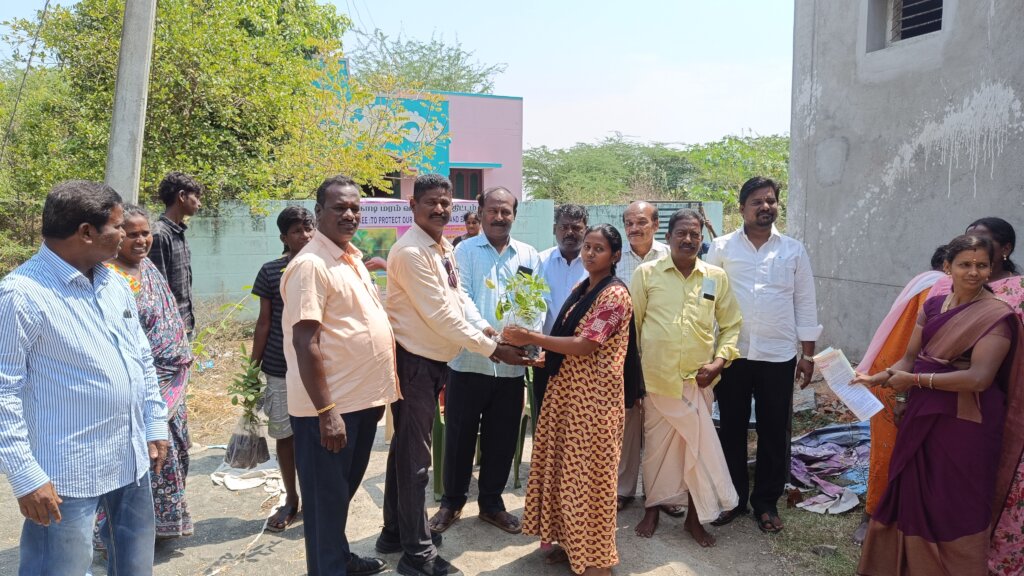
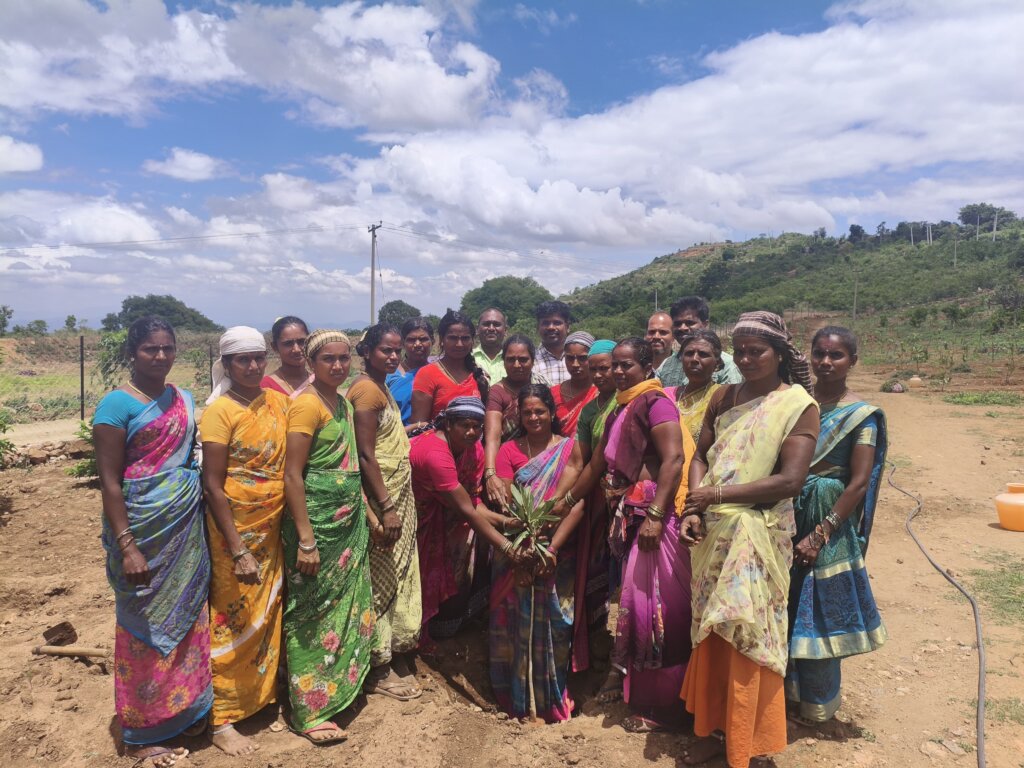
Under these circumstances to protect the eco-system and to improve the quality of life of all the stakeholders this project is important. The protection of eco system will be a pilot one which can be replicated and proliferated.
The results are
1) Generation of social responsibility among general public.
2) Provision of environment education to enable the students to act upon environment enrichment.
3) Increase in atmosphere and soil moisture due to removal of invasive species.
4) Protection from soil erosion on the banks of river due to plantation of ‘Vettiver’.
5) Reduction of meso / micro plastics being deposited in the river and thereby in the sea due to protection provided by Vettiver plants.
6) Reduction of large plastics being deposited in the river and thereby in the sea due to plantation of bamboo trees.
7) Provision of raw materials for bamboo craft.
8) Provision of raw materials for extracting neem oil to be used as fungicide in agriculture.
9) Provision of non-cooking oil for making soap cakes due to plantation of ‘Millettia pinnata’.
10) Provision of fodder for rabbit fodder by planting ‘Erythrina Indica’
11) Provision of goat fodder by planting ‘Pithecellobium Dulce’.
12) Increased level of oxygen in the atmosphere as the aloe vera produces oxygen even in night time.
13) Increased income for Irula tribe people and thereby reduction in destruction of protected speceis in the nearby forest area.
14) Increased income for women thereby attaining the freedom from harassment.
15) Increased income of the families reducing the medical expenses and suicides caused by debt.
16) Increased income of the families resulting in reduction in drop outs from the schools.
17) Increased income of the women provides them empowerment and confidence.
18) The PET bottles (about 20000 in number) will be reused for building goat sheds.
19) The project will directly benefit 40 Irula tribe families by way of income generation.
20) The project will directly benefit 60 dalit families by way of income generation.
21) Counting the family members about 500 people will be benefited by income generation.
Project reports on GlobalGiving are posted directly to globalgiving.org by Project Leaders as they are completed, generally every 3-4 months. To protect the integrity of these documents, GlobalGiving does not alter them; therefore you may find some language or formatting issues.
If you donate to this project or have donated to this project, you can receive an email when this project posts a report. You can also subscribe for reports without donating.



Support this important cause by creating a personalized fundraising page.
Start a Fundraiser