By Bernadette Martin | Corporate Engagement Manager
This is the Fastest Growing and Densest Refugee Crisis in the World
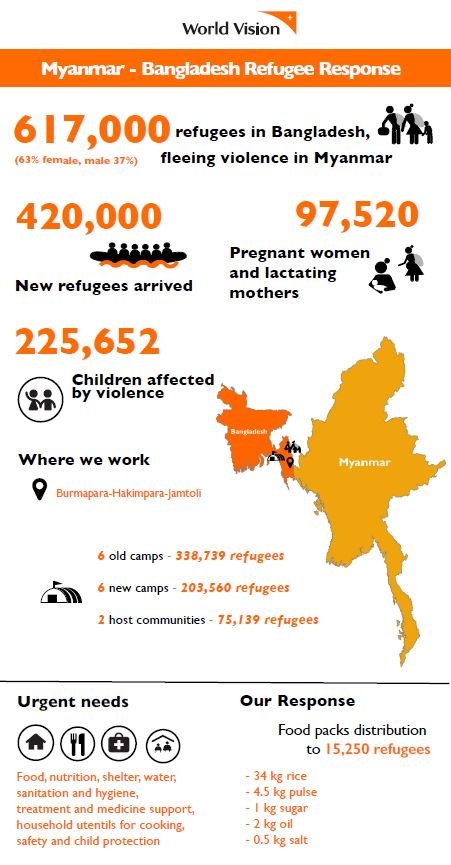
An estimated 688,000 new arrivals (since 25 August 2017) are reported as of 27 January 2018. There are over 900,000 refugees in total in Cox’s Bazar (affected population), of which 55 percent are children, and 52% women and girls.
The Kutupalong expansion site, which the government is developing, is the world’s largest refugee settlement, with an estimated 585,000 refugees.
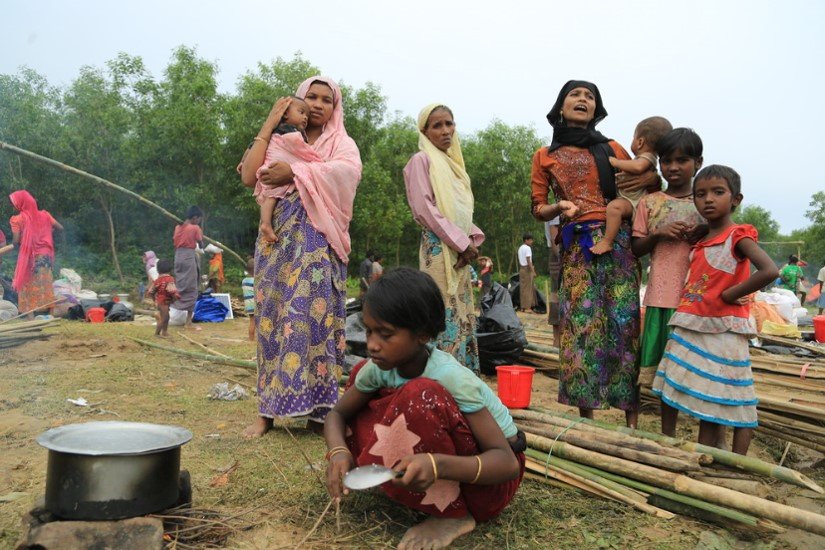
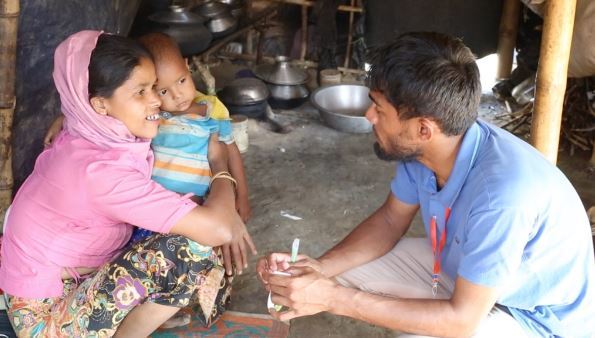
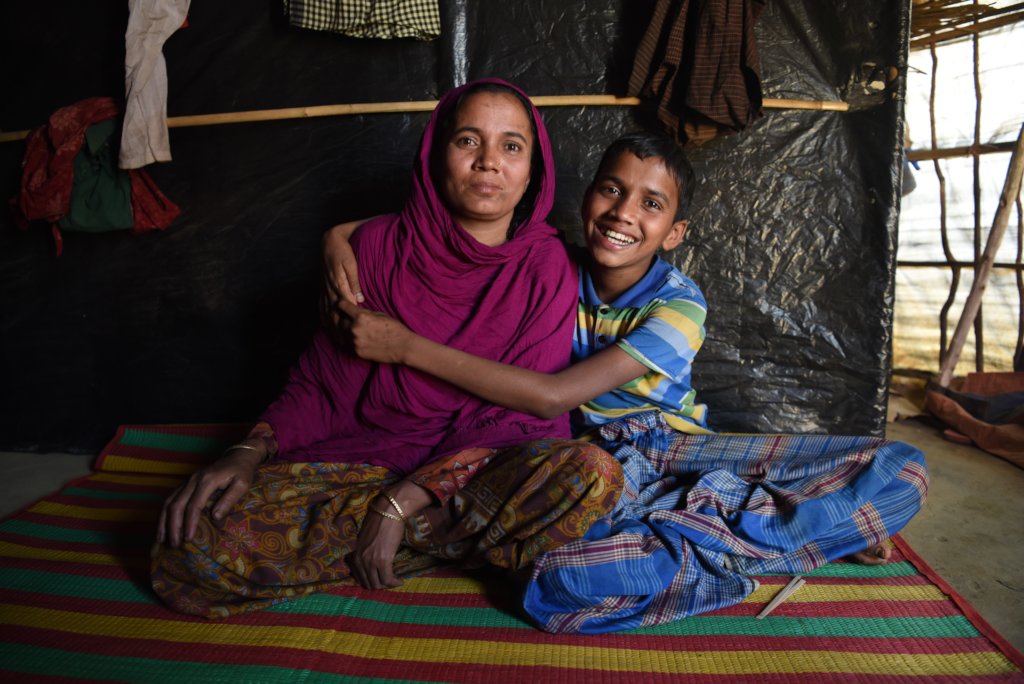
The humanitarian situation of refugees in Bangladesh remains desperate and continues to rise. Children and women are in critical need of support given the urgent protection needs they face, as well as multiple challenges like lack of food, clean water, clothes and shelter.
Inadequate water and clean sanitation, limited access to and lack of adequate facilities, high population density, and poor environmental conditions contribute to the increased risk of disease outbreak amongst an already vulnerable population. The vast majority of newly arrived refugees, mostly women and children, are living in informal makeshift settlements, which have become a recruiting ground for traffickers looking to exploit refugees’ desperation. Most refugees have physical injuries caused by rape, gunshots, shrapnel, fire, and landmines, as well as the more difficult to detect psychological wounds.
Host communities
The two sub-districts housing the refugee population in Bangladesh were already the country’s two lowest-performing ones in terms of humanitarian indicators even before the latest influx. The local ‘host community’ and government have been very accommodating, but many of them, too, are living in poverty. As with every emergency response, the arrival of relief workers and contractors has driven up market prices, Support is needed for the local community of more than 470,000 people where the infrastructure is strained and scarcer than ever.
Going home?
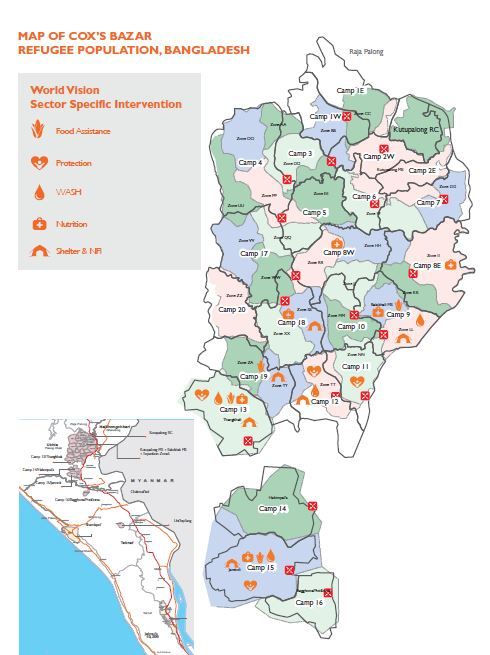
In the five campsites where World Vision works, reactions have been mixed when refugees considered the prospect of return. The governments of Bangladesh and Myanmar have reached an agreement to repatriate a maximum of 300 refugees- who have verification papers- daily. Most refugees do not have any identity documents.
WHAT WORLD VISION IS DOING
Food Security
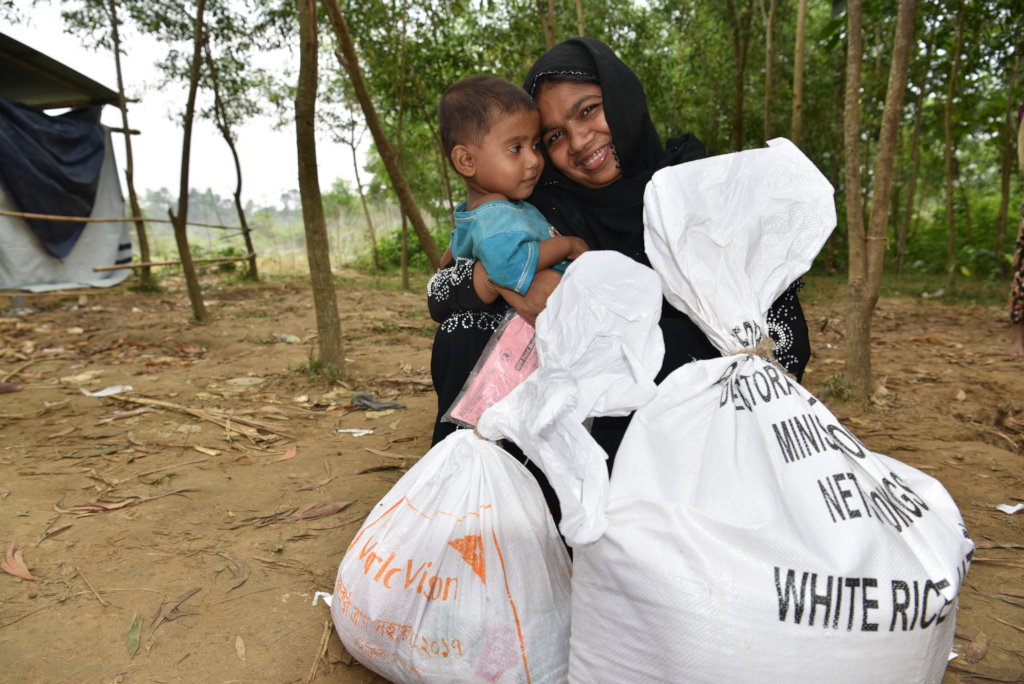
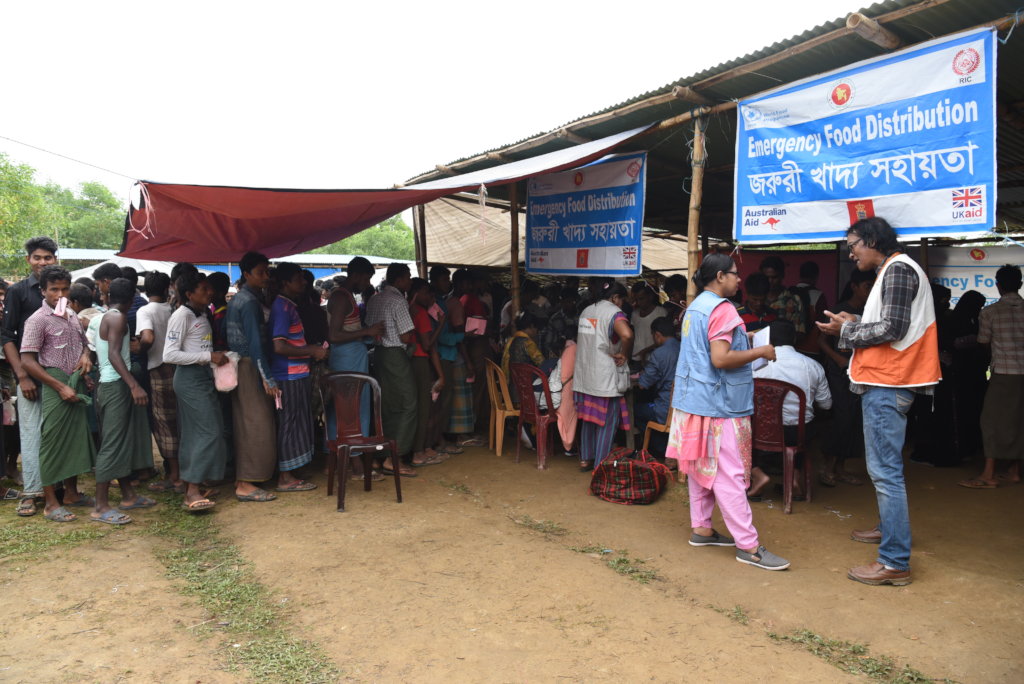
When the crisis began in August 2017, food was the greatest need of the new refugee arrivals. World Vision responded by providing emergency food packs for 135,250 individuals (27,050 households), which included varying amounts of some or all of the following: rice, salt, sugar, oil and pulses.
In the next phase of the response, World Vision aims to provide food assistance to another 19,500 individuals by providing nutritious food and vouchers to purchase food.
Protection
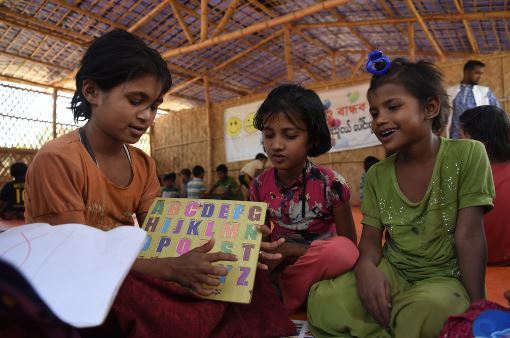
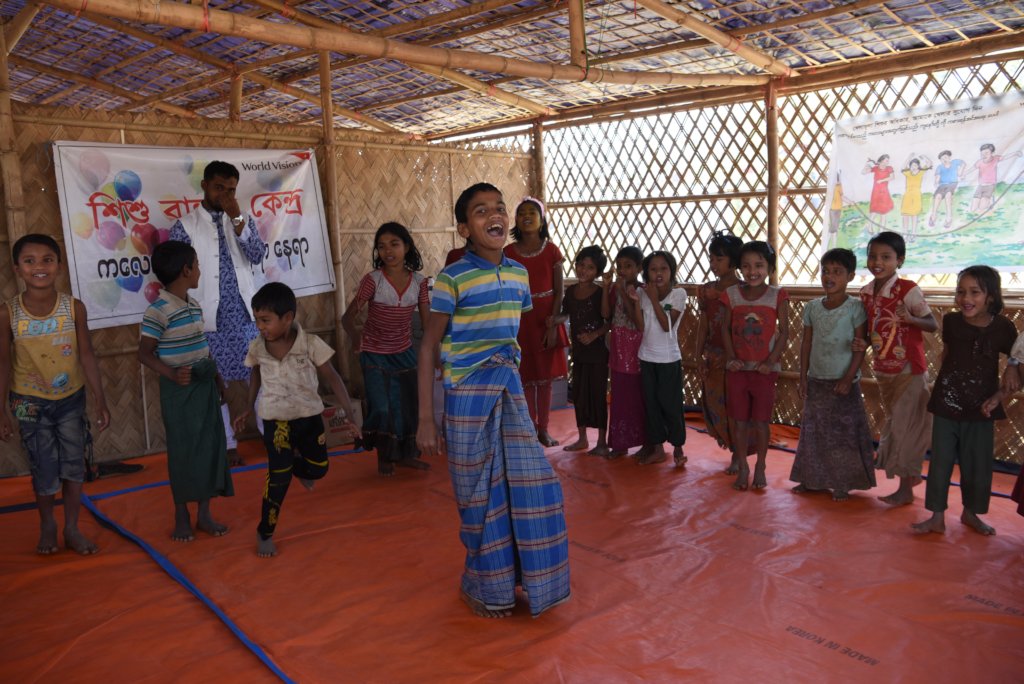
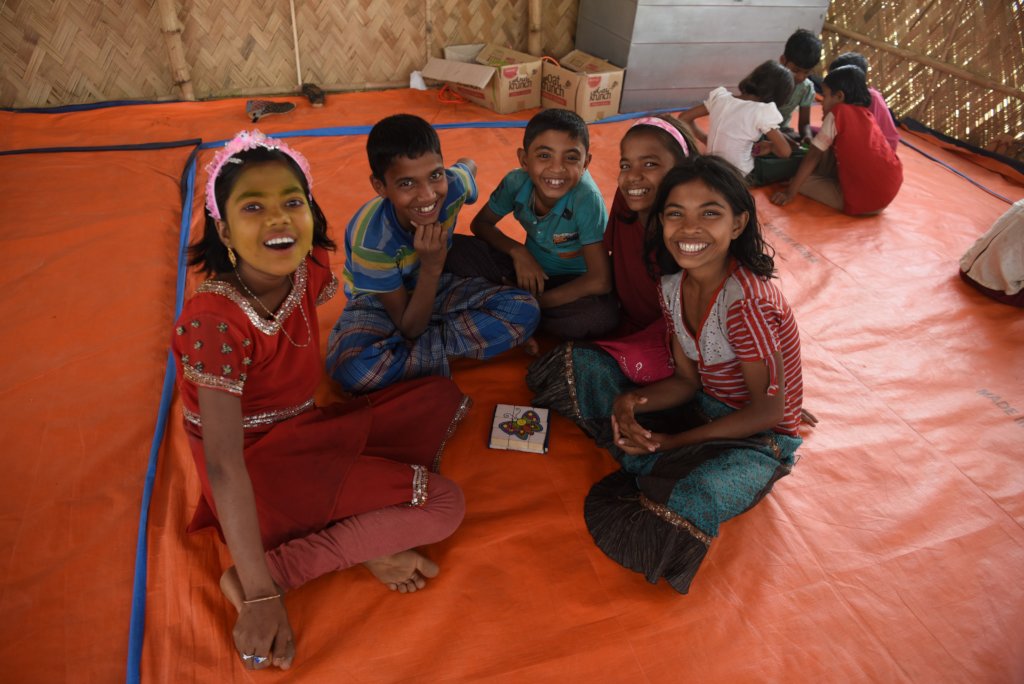
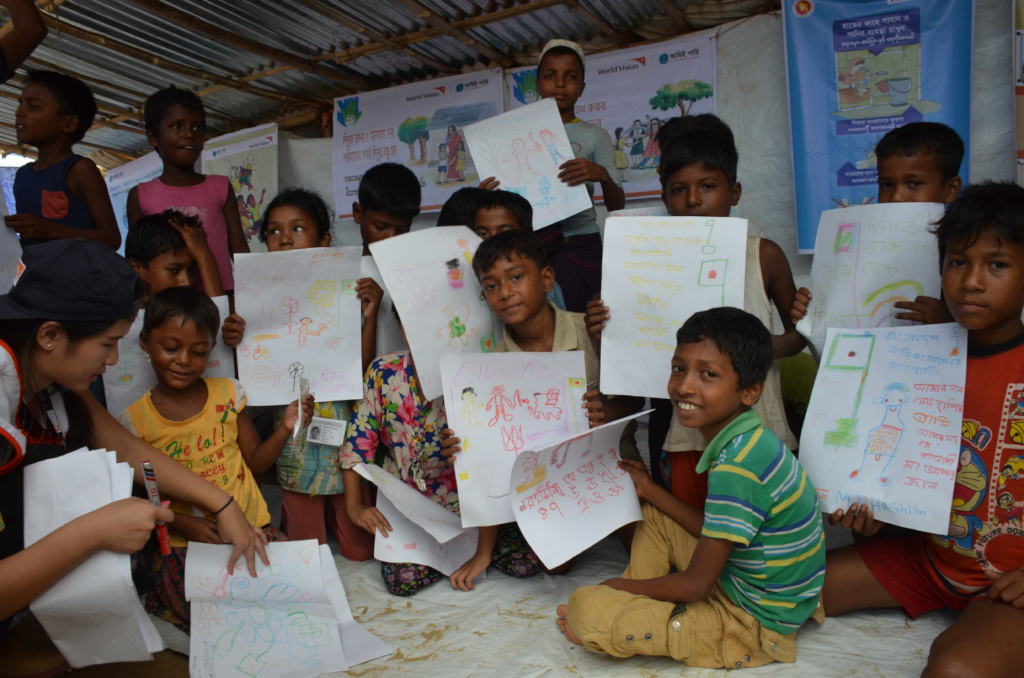
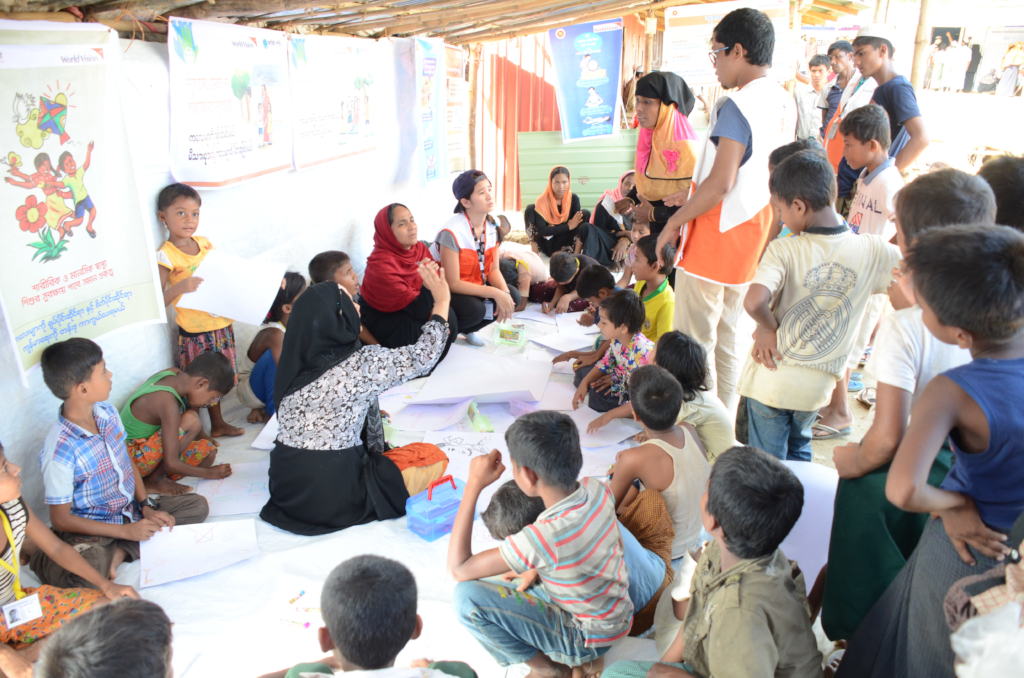
Proving Safe Spaces for Children: 2,307 children, including 1,357 girls and 950 boys, regularly attend our nine child-friendly spaces (CFS), where they can express themselves, learn and play with other children in sessions led by trained facilitators.
Conducting Sensitisation: A total of 5,437 individuals have benefitted from child protection and Gender-Based Violence (GBV) awareness sessions.
Protection has been mainstreamed throughout World Vision’s response programming, with unique considerations made for each sector’s interventions.
World Vision staff and volunteers are trained to the identify and refer child protection and GBV incidents to the appropriate services.
Shelter/Non-Food Items
Vulnerable refugee families have been provided with basic relief items, such as shelter kits, including tarps, rope, blankets, and sleeping mats (10,239 families), blankets (5,460 families), sleeping mats (5,000 families), kitchen sets (4,027 families) and tents (100 families).
World Vision aims to distribute shelter upgrade kits to 15,469 individuals in the next phase of the response to help families prepare for the coming rainy season.
Water, Sanitation & Hygiene (WASH)
51,000 individuals have been reached with WASH services, including access to gender-friendly latrines, safe and clean water, and bathing cubicles for women and girls, as well as provision of hygiene kits and hygiene promotion sessions.
Providing Clean Water: 51 deep-tube wells have been built, providing clean water to 25,550 individuals. 8,640 packets of chlorination tablets have been distributed, benefitting 25,920 people. World Vision, in partnership with UNICEF, has distributed 20,200 jerry cans reaching 10,100 households.
Building Gender-sensitive Bathing Spaces and Latrines: 1,000 latrines have been installed, reaching 50,000 people, and 145 dedicated bathing spaces for women and girls have been completed, reaching 7,250 women and girls.
Promoting healthy hygiene: To promote good hygiene practices World Vision, in partnership with UNICEF has distributed hygiene kits to 10,100 families, reaching 50,500 people. Hygiene promotion activities have reached 30,550 people.
Nutrition
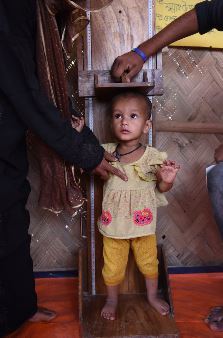
Addressing the Needs of Pregnant and Lactating Women and Infants (0-5 years): 9,698 children under age five have been screened for acute malnutrition, with 3,314 (34%) suspected cases referred for treatment through nine women and young child spaces (WAYCS) catering to pregnant and lactating women and children under the age of 5.
7,881 women have received infant- and young- child feeding counselling focusing on the importance of exclusive breastfeeding, early initiation of breastfeeding, complementary feeding after six months and good hygiene practices.
WHAT CAN I DO?
World Vision requires an estimated USD 15 million to implement an expanded nine-month humanitarian response plan from March 2018 to December 2018.
Six months after launching our ground response, our team has reached more than 150,000 people with food rations, shelter, and dedicated programming for women and children. You can help by keeping those affected in your prayers and donating.
Thank you for your support!
By Annila Harris | Communications Specialist
By Bernadette Martin | Corporate Engagement Manager
Project reports on GlobalGiving are posted directly to globalgiving.org by Project Leaders as they are completed, generally every 3-4 months. To protect the integrity of these documents, GlobalGiving does not alter them; therefore you may find some language or formatting issues.
If you donate to this project or have donated to this project, you can receive an email when this project posts a report. You can also subscribe for reports without donating.