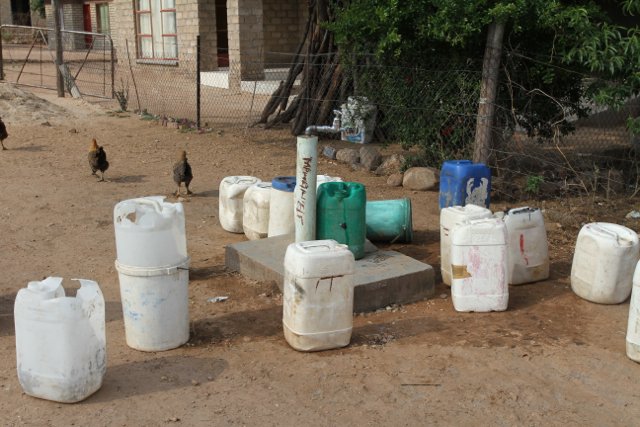





In our previous post we talked about the importance of having a solution to purify and transport water to the vertical food wall, making it viable and sustainable. Now that we have found a solution, which is being provided by the EPICS Gold Project team, Drops for Africa, the next issue that we need to tackle, is the actual watering of the plants and controlling pests in the vertical food wall.
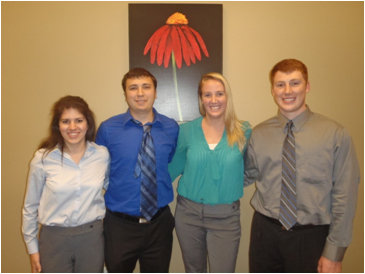
The students at Ira F. Fulton School of Engineering at Arizona State University in the EPICS(Engineering Projects In Community Service) Gold program have once again stepped up to the challenge. The second team is made up of Eric Sprute, Mindy Kim, and Zachary Tomasch, who are the members of team V.E.R.T. (Vertical Environment Research Team).
The opportunities?
The watering system needs to be able to withstand weather variations ranging from -10 to 50 Celsius, have longevity and not have to be replaced in a few years, as well as being a system that will be easy to use and duplicate with parts readily available in South Africa.
Another aspect of the project is to research, study and determine methods in which we can maximize food production taking onto account local insect challenges. This will allow for excess food produced to be sold, creating another business to benefit the community.
Working to create solutions

The V.E.R.T. team has taken on the challenge of creating a watering system to move water from the Drops for Africa PureRoll™ units of EPICS GOLD Team SAFEsipp, to water each of the plants, and ensure the sustainability of the food wall.
The team is focusing on our original goal of using the food wall to create additional business opportunities to support the community.
In addition to their core work, the V.E.R.T. team is also studying food production as we noted above, to create a business opportunity. A large part of the teams research to date has included establishing which manufactures in South Africa they can source materials from needed to build the watering system, creating a real opportunity to reduce overall costs and in turn create an additional entrepreneurial opportunity for local residents to manufacture low cost and highly effective watering systems.
The V.E.R.T. team has spent time understanding what materials can be used, what their costs are as well selecting materials that will stand the test of time endure the weather variances and provide the right level of support as far as their strength goes. We are very excited and looking forward to seeing their full solution, in the near future.