By Florinda Concepcion | Project Leader/Resource Mobilization Officer
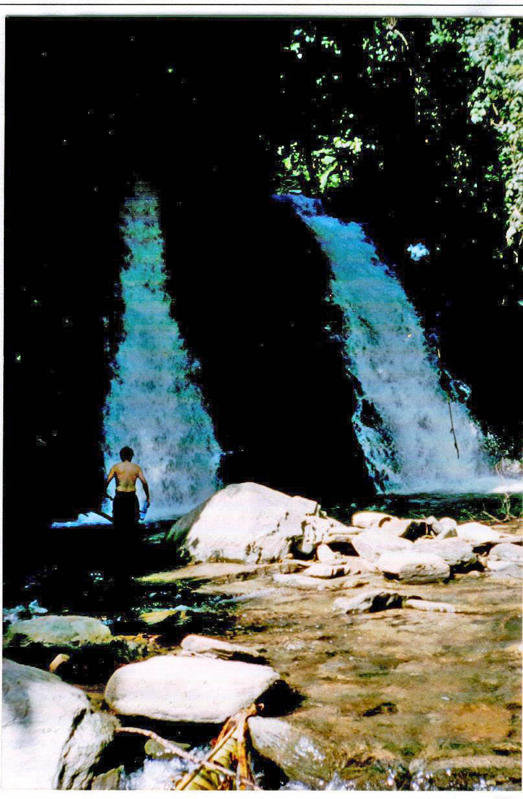
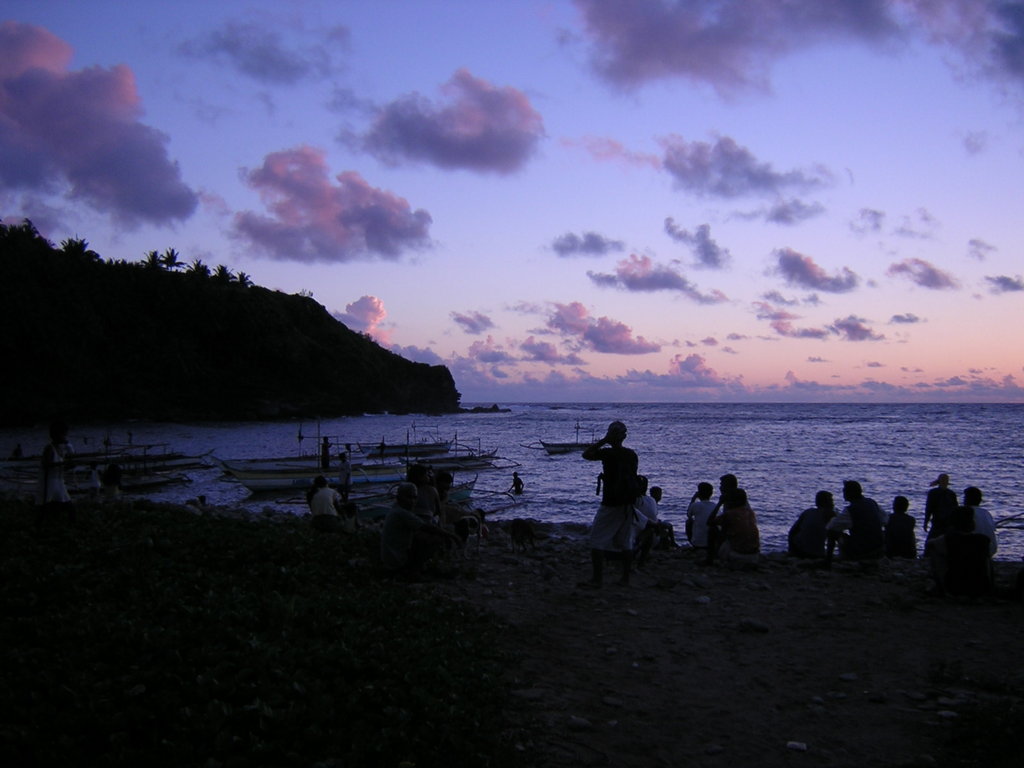
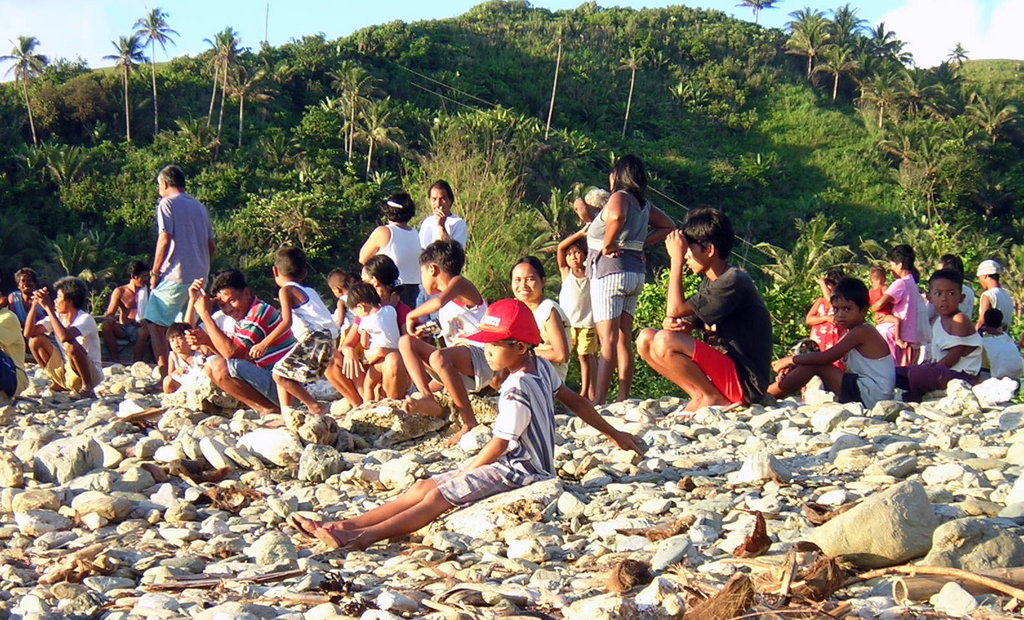
We would like to thank everyone who is supporting the rehabilitation of the Binosawan Microhydro project, especially Alice Tedd and Paul White who registered their wedding for this project. The Binosawan fisherfolk is really looking forward to the rehabilitation of their Microhydro project which is still in the initial stage of raising more funds and coming up with the appropriate rehabilitation workplan to make the microhydro project robust and resilient to supertyphoons and climate change.
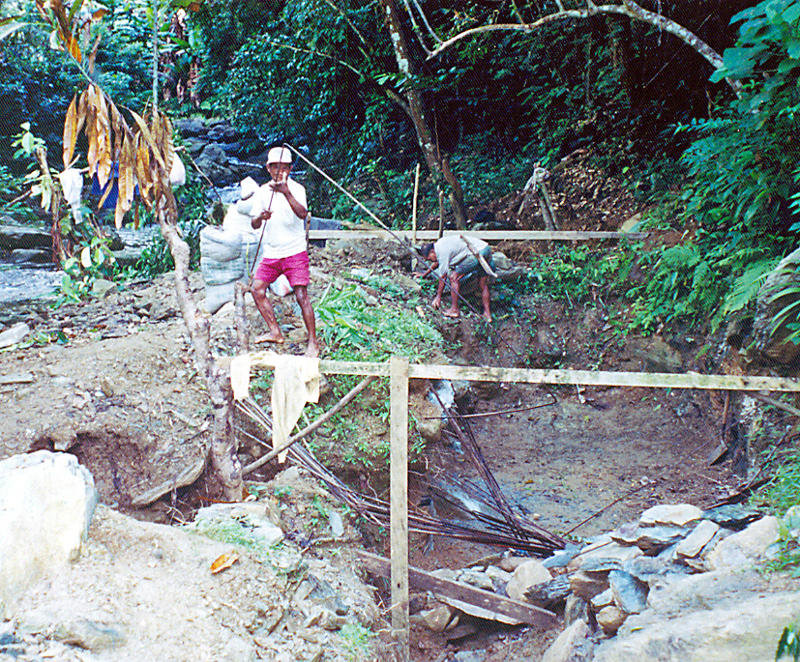
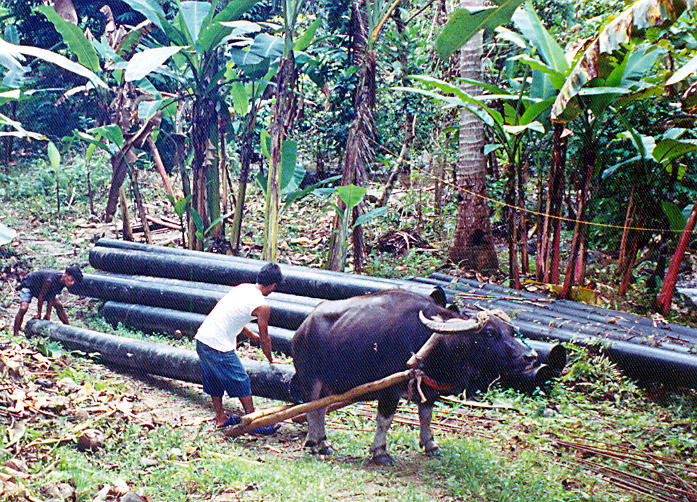
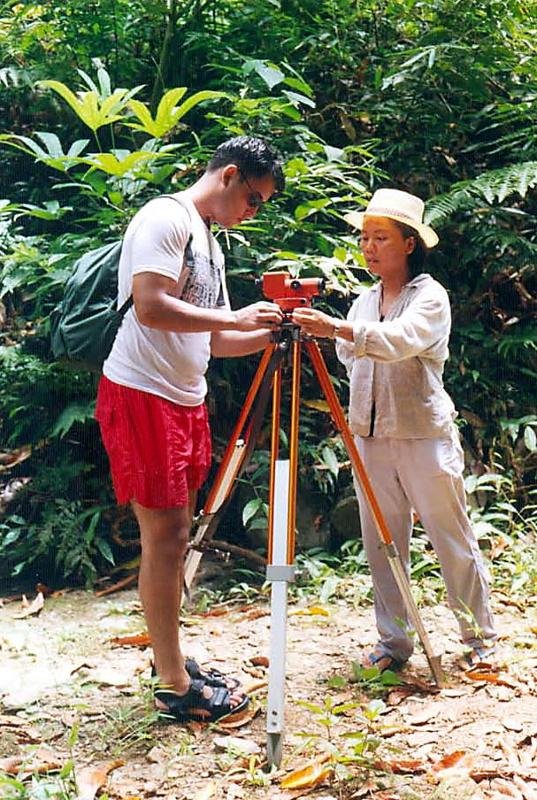
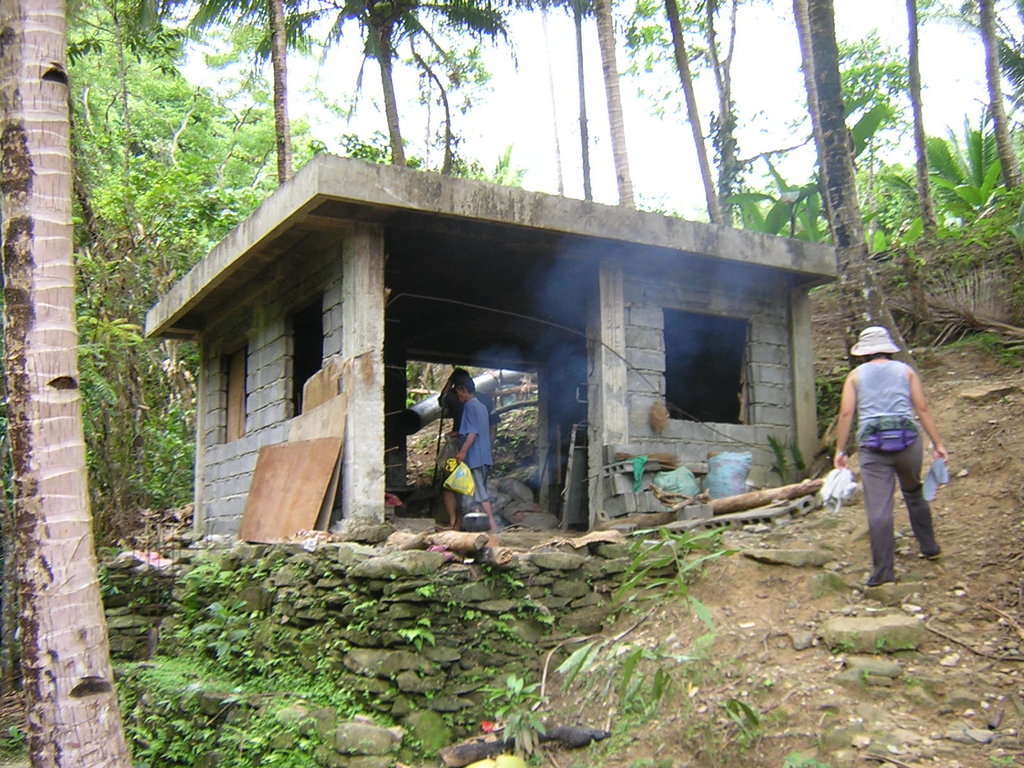
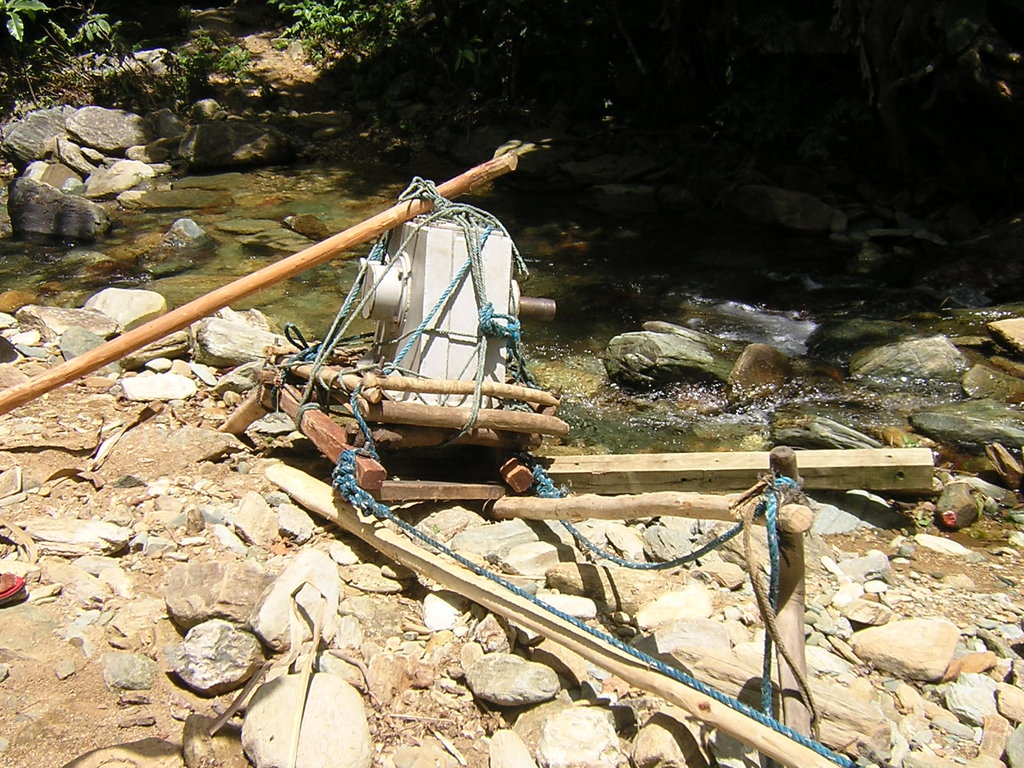
A major part of the rehabilitation plan is the rebuilding of the MHP that had been non-operational but upheld dearly by local residents. Thus, SIBAT conducted onsite scanning and appraisal in May 2007 to assess the damages then came up with a proposed technical rehabilitation project plan. SIBAT engineers found that 85% of the damages affected the electrical installations although some electrical materials have been recovered and were found to be reusable.
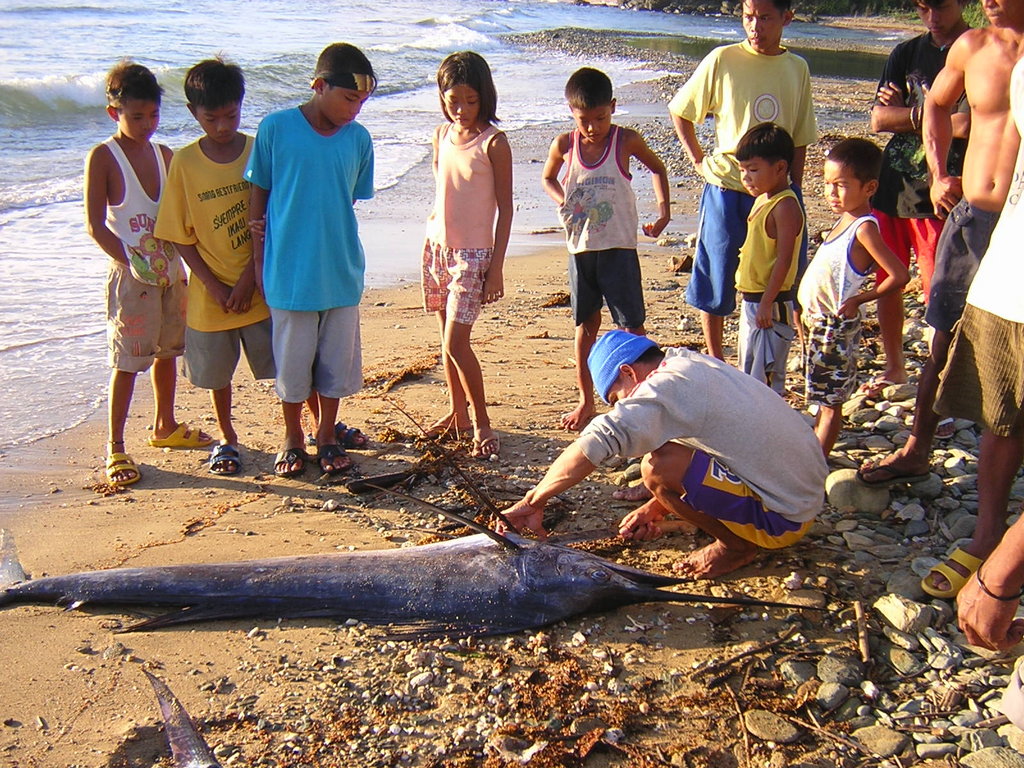
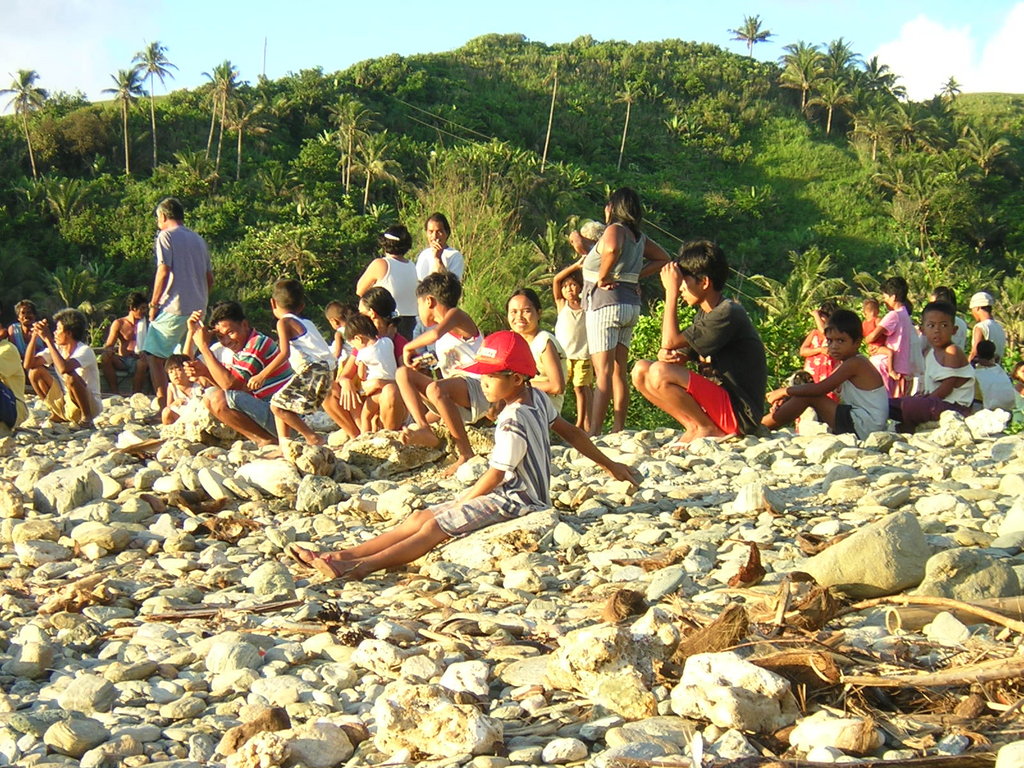
While the project aims mainly to rehabilitate the MHP’s technical aspect, it is similarly deemed important to complete the community livelihood project through the installation of an ice maker facility that would redound to additional income for the families and the community as a whole. Being a coastal fishing area, Binosawan and its contiguous 22 barangays essentially need an ample amount of ice in preserving the freshness of their aquatic produce. At present, fisherfolks have to travel long distance to Rapu-Rapu poblacion just to buy ice blocks that are originally supplied from Legazpi City through the sea route. The existence of a community-owned ice-maker facility would drastically cut the cost of ice blocks, resulting to fresher produce upon reaching the market and generate additional income for the fisherfolks.
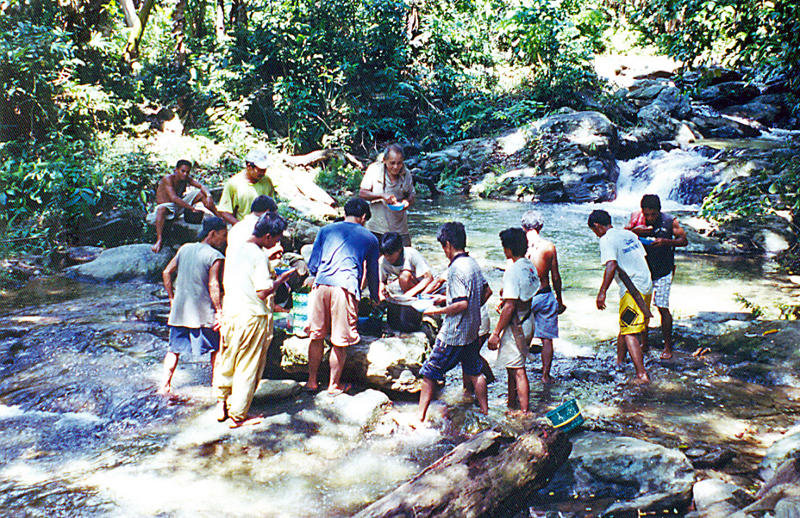
Community capacity building trainings are also needed to be undertaken such as the following: Basic and Advanced MHP Technical trainings for MHP operators and project managers; Community-based Watershed and Coastal Resource Management training comprising of basic orientation and workshop to develop the watershed and coastal resource management implementation plan; Community-based Climate Change/Disaster Risk trainings and workshops focused on local strategies for mitigation, adaptation, and risk management; and Community-Based Enterprise Development training to provide basic enterprise principles and skills such as business planning and management.
At present, the MHP system is still non-operational because major rehabilitation repairs are still at the initial stage due to lack of resources to fund the over-all project cost.
SIBAT together with Aquinas University is also working hand in hand to raise more funds for the completion of the rehabilitation work. The local program of KALAHI has signified their intention to provide additional funds for this project, and we hope that this will really push through. We will then keep you posted for more updates in the upcoming months.
Links:
Project reports on GlobalGiving are posted directly to globalgiving.org by Project Leaders as they are completed, generally every 3-4 months. To protect the integrity of these documents, GlobalGiving does not alter them; therefore you may find some language or formatting issues.
If you donate to this project or have donated to this project, you can receive an email when this project posts a report. You can also subscribe for reports without donating.