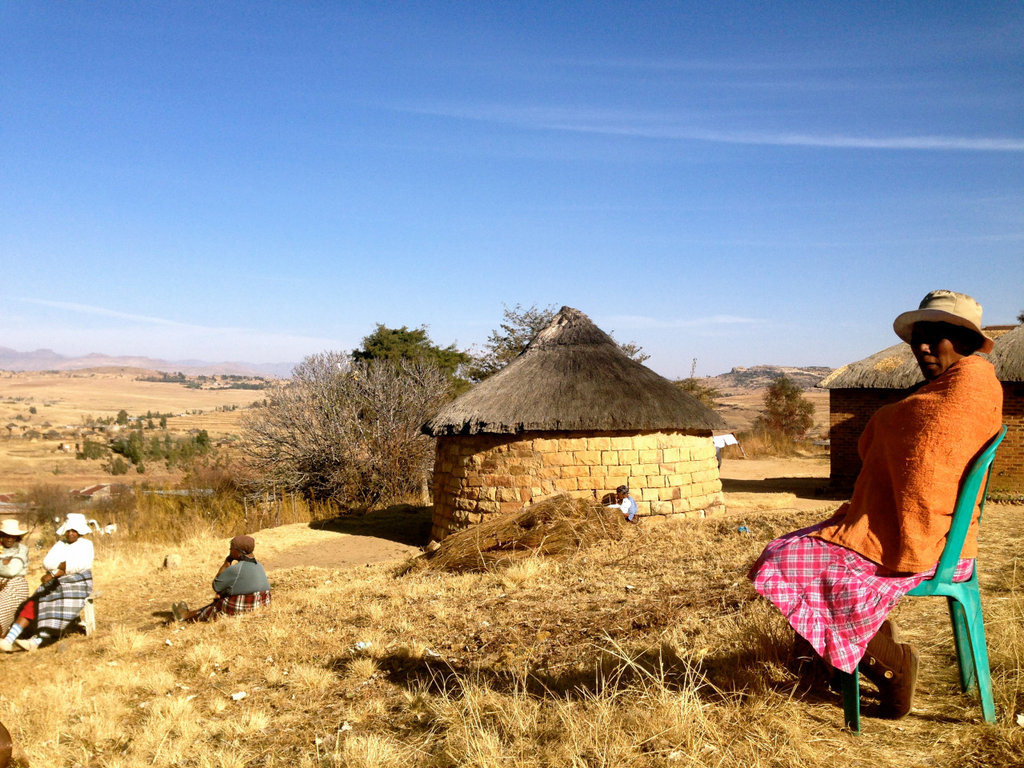
Social Workers Beyond Borders in partnership with the Lesotho government is piloting a model of community microfinance cooperatives, known as "self-help groups", which integrate training in both practical income generating skills and financial literacy. This project will support two self-help groups, one rural and one urban, to prove the efficacy of this model in Lesotho. Training and education materials to implement small business self-help groups will be developed and shared widely.
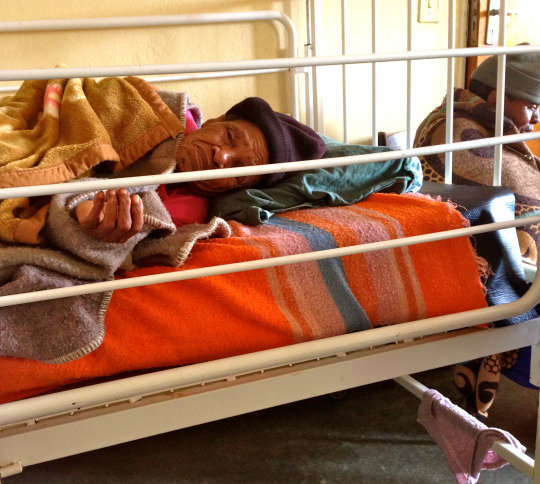
In Lesotho over 60% of the population lives on less than $2/day, and 1 in 4 adults is HIV+. The HIV epidemic has left families of those too young, old, or disabled to work in factories or mines with few opportunities for economic self-sufficiency. These vulnerable populations need skills and opportunities in both financial literacy and practical income-generating ventures. This project will initially impact 20-30 families directly, and build the foundation for scale-up to more communities.
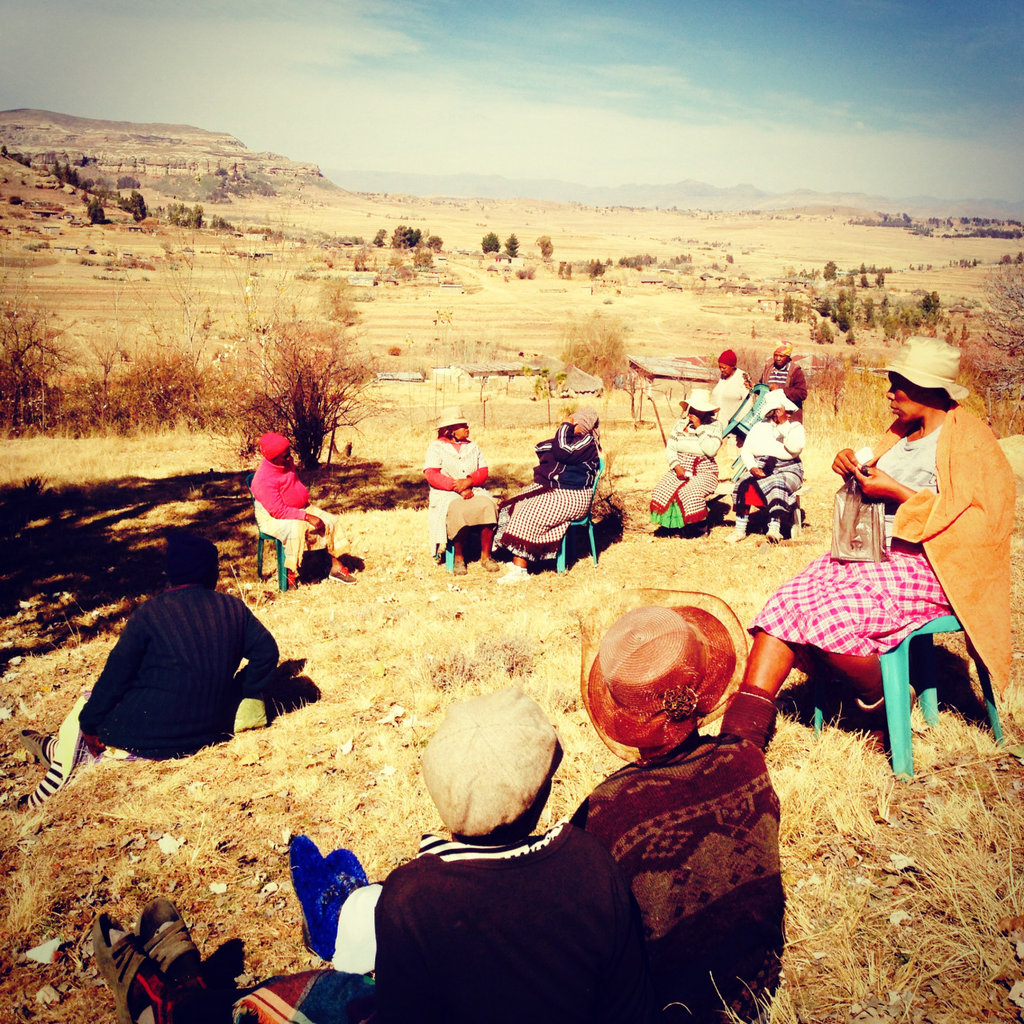
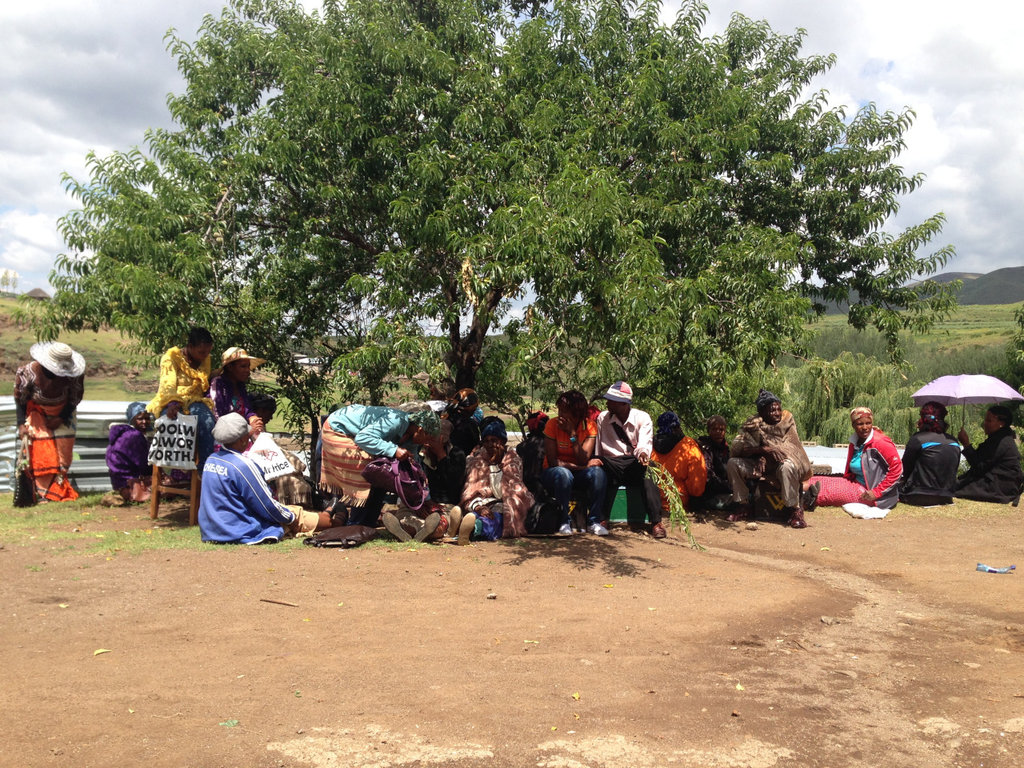
Self-help groups of 10-15 members each will work together to save money, prepare, and launch an income generating activity, such as raising chickens, beekeeping, fruit cultivation or raising vegetables to sell. They will receive training in financial literacy and practical skills, and guidance on negotiating with banks. This structure makes it possible for people with limited skills and experience to access training and launch business ventures that would otherwise be impossible.
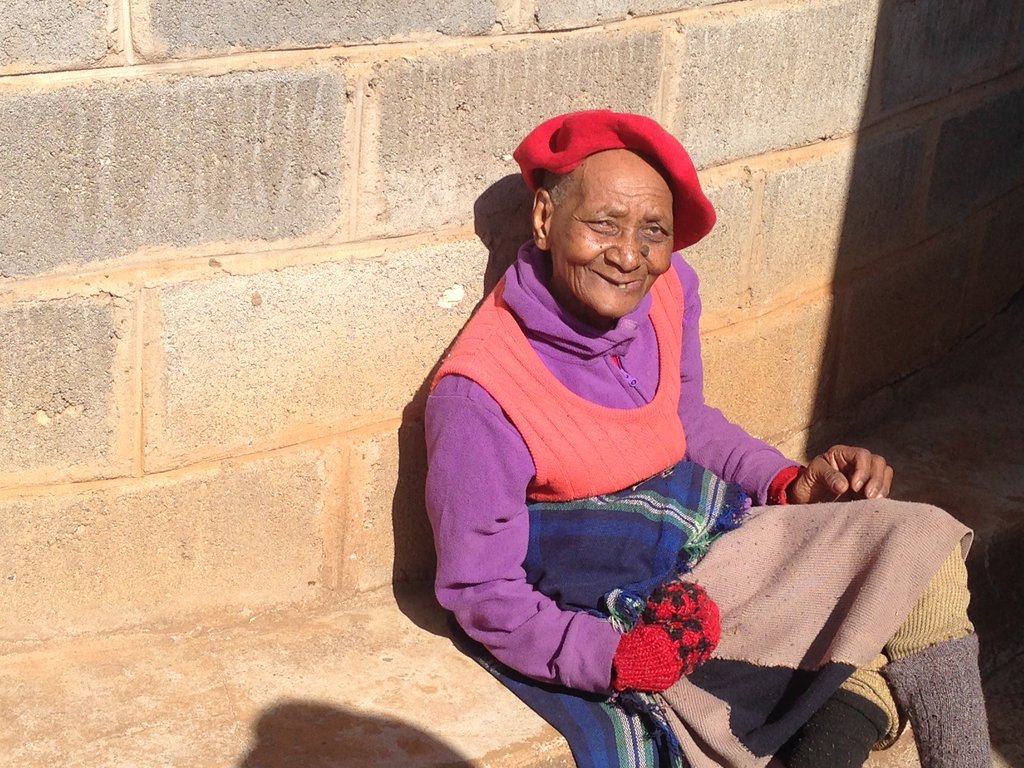
Self-help groups combined with targeted skills training build local capacity in Lesotho, empowering vulnerable individuals and families to develop new income generating activities. This project works at two levels, directly with participants in local communities as well as supporting the government in building capacity to manage and scale up such programs. We work to include the most vulnerable, such as disabled and orphaned adolescents, single parents, and unskilled workers in our groups.