Project Report
| Mar 9, 2011
Micro-finance Expand into Cooperative Program
By Souly QuachAngkham | Founder
There are more than 50 villages where SEDA has identified the need
for microfinance. Credit is essential for production of cash crops
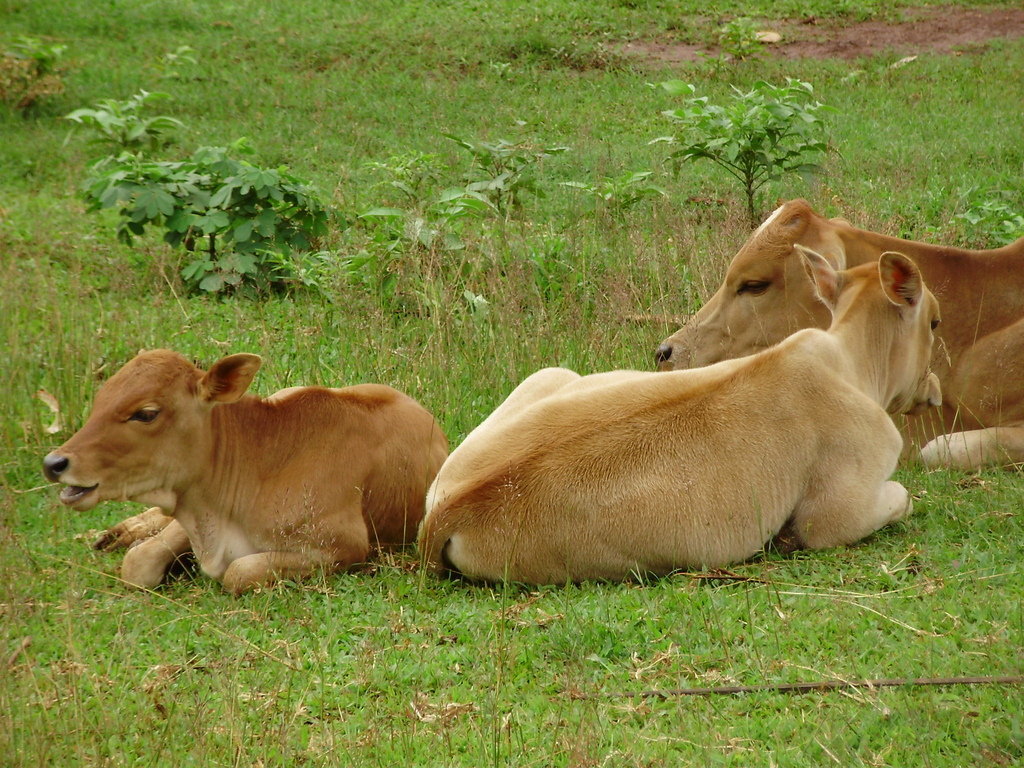
including rice, vegetables, livestock, mushroom, peanuts, fruits, tea and
coffee. Turn out very establishing and the raise awareness brings more
members. SEDA does not believe that it is appropriate or desirable for
outside organizations to lend its own capital. Inspired by the work of
Sahavikasa, an Indian cooperative development organization, SEDA believes
that mutual self-help will result in the durable and enduring results that
will benefit members not only this year, but for decades to come. SEDA is
in the process to expands the work with international partners like Global
Giving, and new partners as on it way to help outreach these efforts from
the pilot project to social enterprises base on business model. At this
stage the savings and credit cooperatives that benefit all the communities
in many region of the global world, if SEDA achieves this with international
supports, we will be the first cooperative successful in next two to three
years to come. We look forward to achieving far more in 2011 with large
numbers of new members participating in the program. We do urge many
donors, supporters, partners to continue your help us achieve what we will
needs to do. SEDA will also invites the central bank of Bank of Lao
government to also matching with our needs to help make this mission of
cooperative be successful in the future.
![Share on Twitter]()
![Share on Facebook]()
Dec 16, 2010
SEDA partners with farmers to train them and fund development
By Souly QuachAngkham | Project Leader
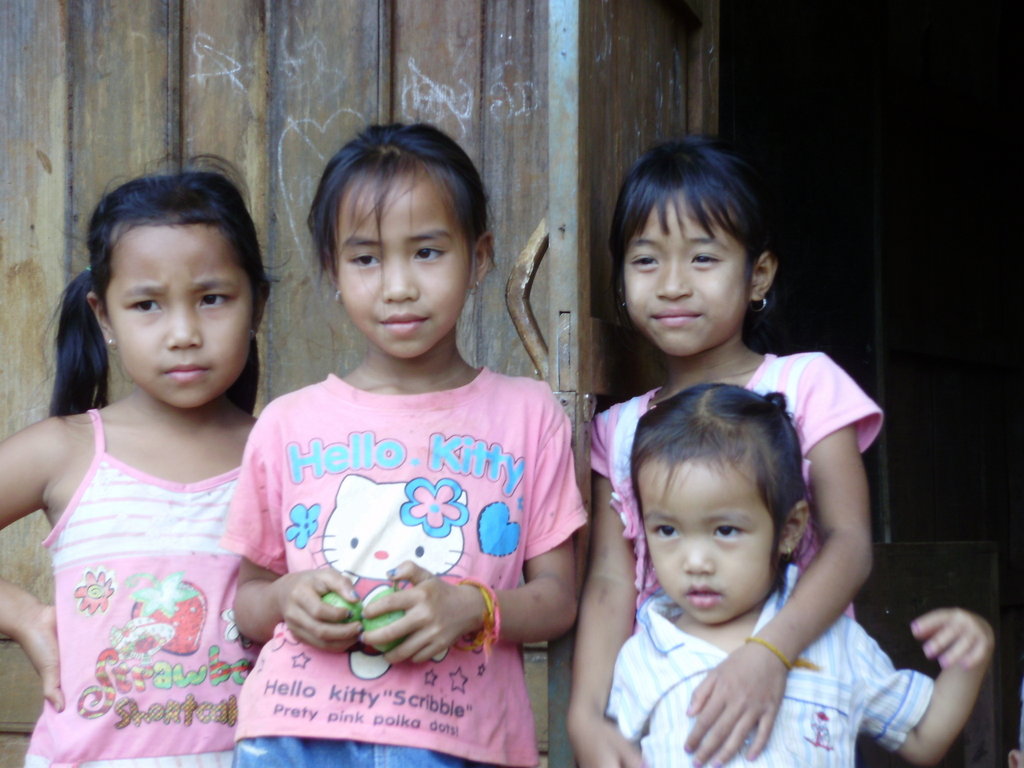
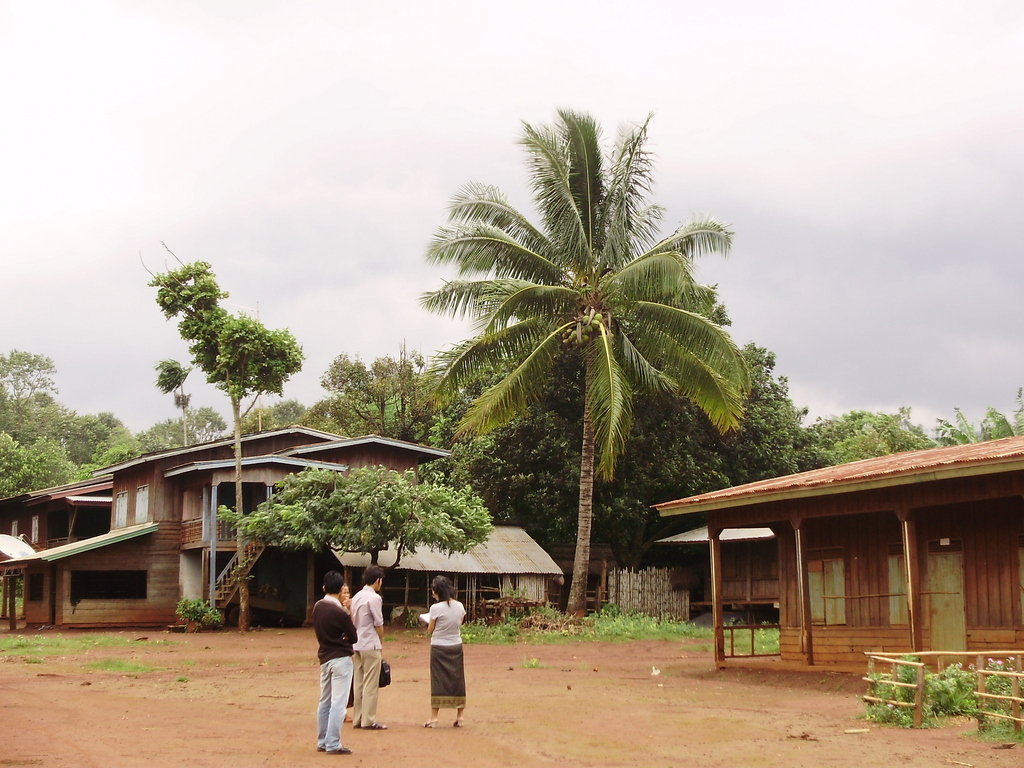
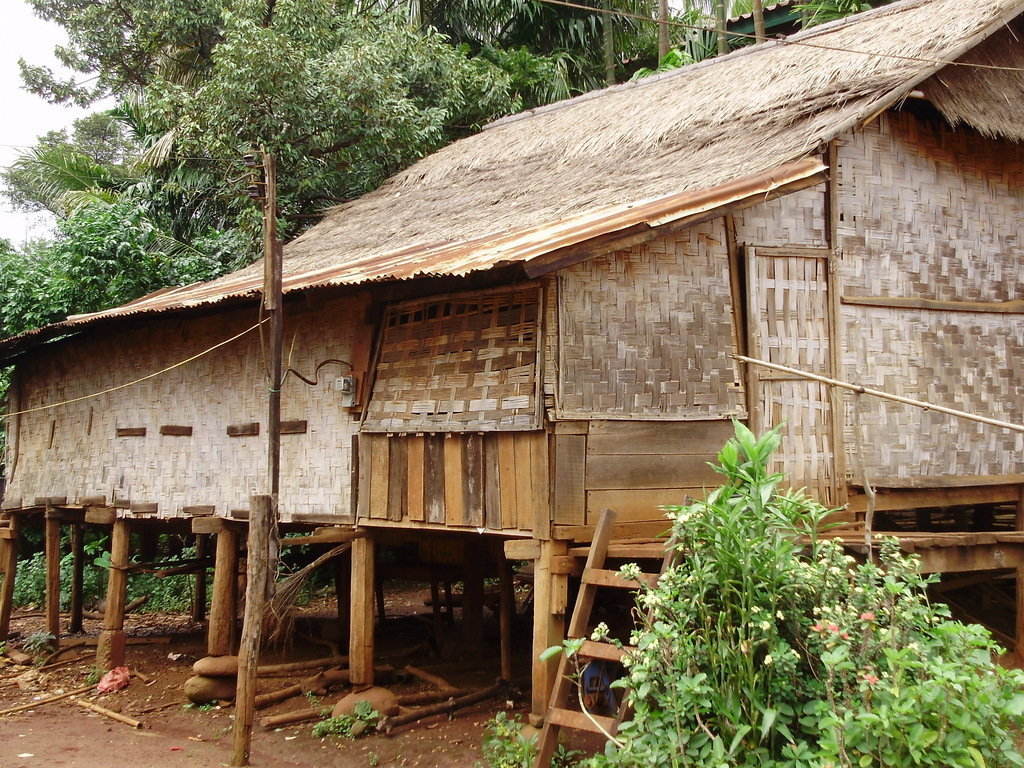
On the 13th of October SEDA-Laos staff went to Lao Ngarm District in Salavanh Province. The trip was part of a promising partnership between SEDA and four villages in the area. SEDA worked with farmers in the villages Ban Tok Luk, Ban Oun Bang, Ban Oun Nyai and Ban Oun Noy as well as with government officials from provincial and district levels.
SEDA’s objectives for the trip were (1) to update basic information about the villages, such as the number of people and the number of farmers in the villages and (2) work with the farmers to form a Farmers Cooperative.
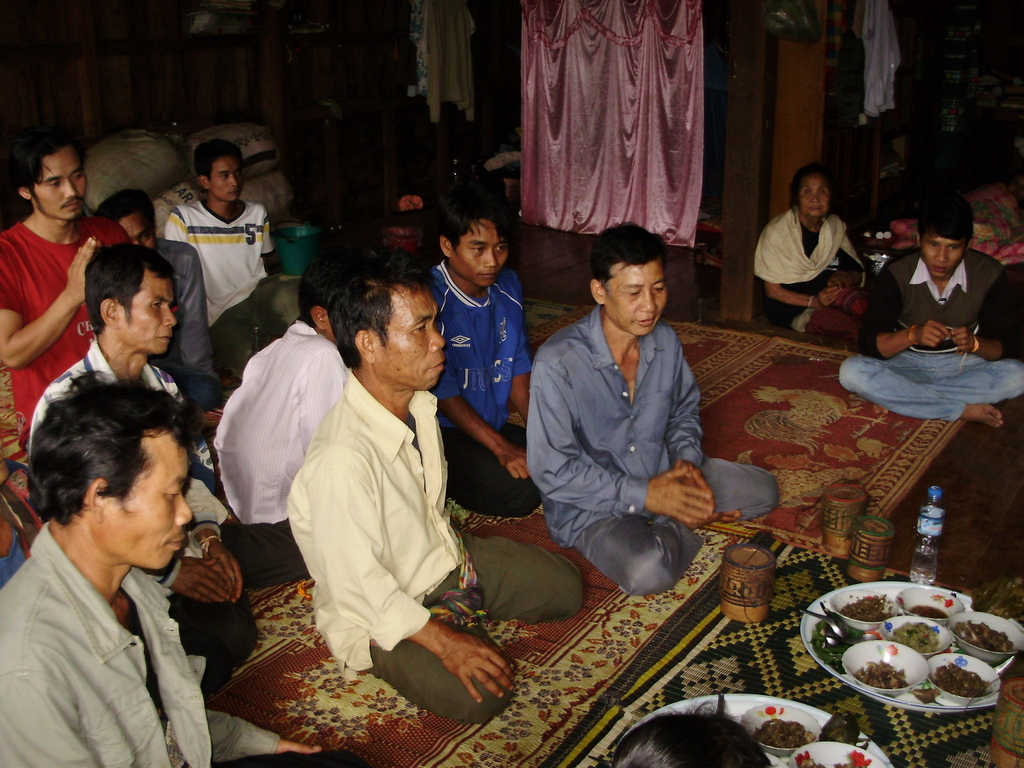
Out of the four villages there were approximately 258 farmers that participated in the Farmers Cooperative events. SEDA ran workshops to explain the Farmers Cooperative program.
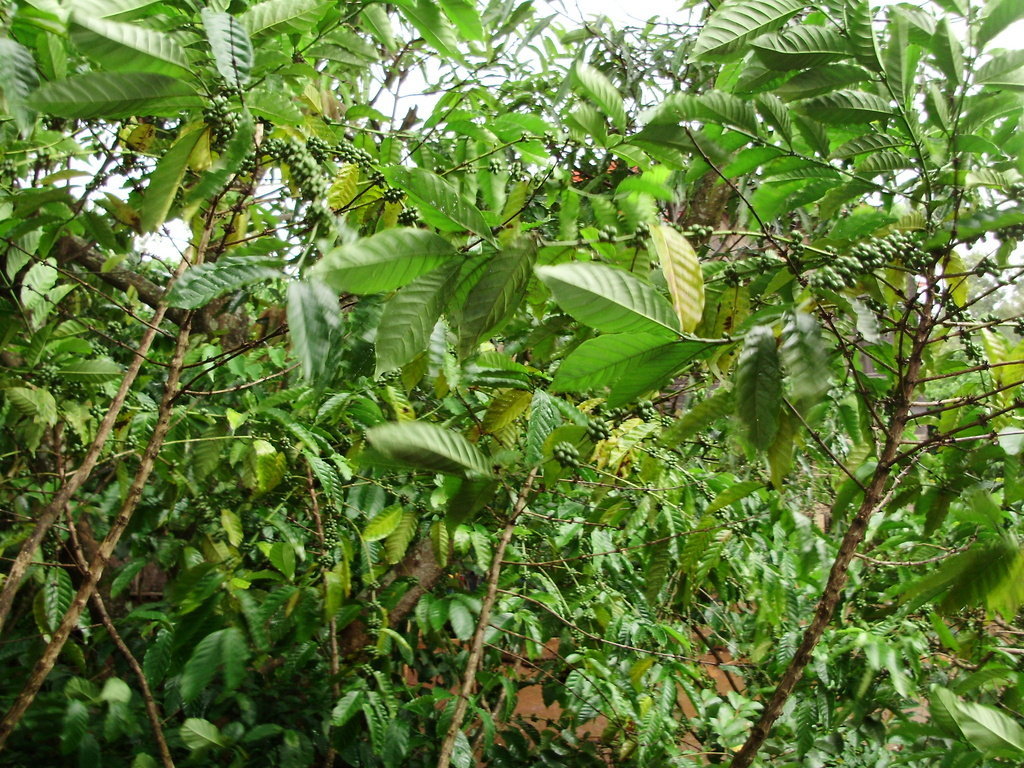
The Farmers Cooperative program will give the farmers the opportunity to develop their raw products (coffee and peanuts) into packaged finished goods. It is a long road with several steps. If the farmers process their products they can sell them for a much higher price and thus receive more income. During SEDA’s workshops the first steps towards Farmers Cooperatives were taken, as each village elected a committee and developed a policy for the Farmers Cooperative. The farmers also designed their own logo for their products.
The goal with the partnership is for the villagers to receive training (in how to process their products and how to sell them on the national and international market) and to make sure the farmers can sell their products without the interference of “middle men”. This will, in turn, create sustainable development within these villages as it guarantees secure income. SEDA’s goal is to support the Farmers Cooperative to become independent, as this will result in many generations being lifted out of poverty. SEDA will support the framers not only through the partnership but also through a micro-credit program.
The farmer members and SEDA have lobbied the government for almost 10 months. Finally, in October 2010 SEDA
and the famers got the chance to sit down together and discuss the future of the Farmers Cooperative for 2011.
It has been a long process, the road towards the Farmers Cooperative. The workshops that took place in October meant for both the involved farmers and for SEDA that the dream of a partnership and a way out of poverty for the villagers is now becoming a reality.
This is a very exciting mission. Now, SEDA and the farmers are looking forward to see what 2011 will bring.
SEDA needs your supports for the Farmers Cooperative programme to make SEDA’s and the farmers’ vision a reality. To support farmers to get out of poverty please make a donation to the project, by visiting: http://www.globalgiving.org/projects/micro-credit-for-disadvantaged-farmers-in-laos/
To see more photos from the workshops, visit: http://www.facebook.com/album.php?aid=234559&id=93076021515&ref=mf
Links:
![Share on Twitter]()
![Share on Facebook]()
Dec 16, 2010
Micro-credit for Farmers using Fish Baits
By Alex Stott | PR and Communications
![Farmers learning about micro-credit with fish bait]()
Farmers learning about micro-credit with fish bait
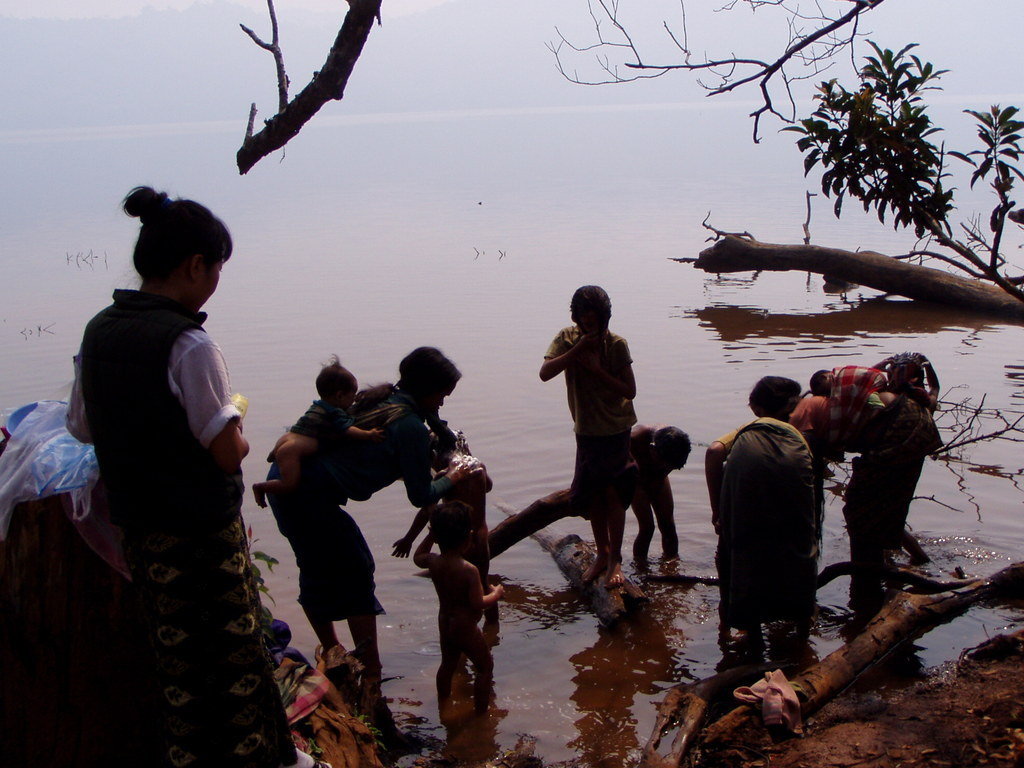
SEDA works with giving micro-credit to women and farmers. A pilot project was implemented in January 2010 which involved planting rice and growing livestock. This is the second village which SEDA has tested the effectiveness of giving fish baits as a micro-credit. For example, each household is given 500 fish baits, trained how to breed fish, and when they have successfully bred many fish, they repay 1000 fish baits as interest. Those 1000 fish baits are then lent to other villages, and the cycle continues, allowing farmers to create their own sustainable livelihoods and helping victims of the typhoon. Currently this is a pilot project and SEDA will provide 137 families with micro-credits. Each family will receive 500 baits.
![Share on Twitter]()
![Share on Facebook]()