By Sian Ward-Edwards | Partnerships Manager
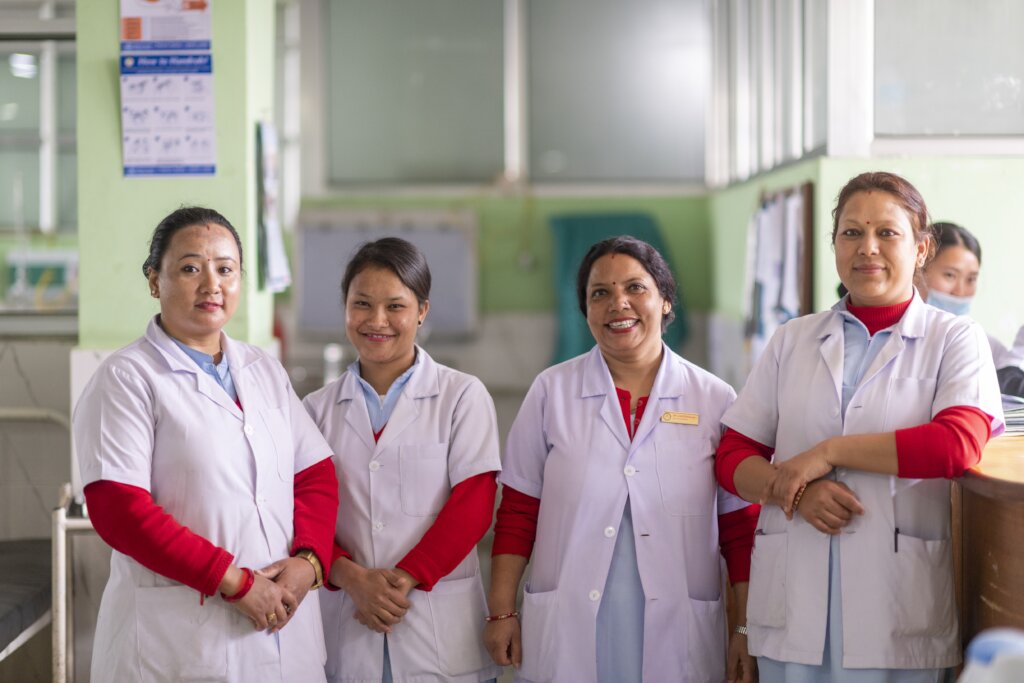
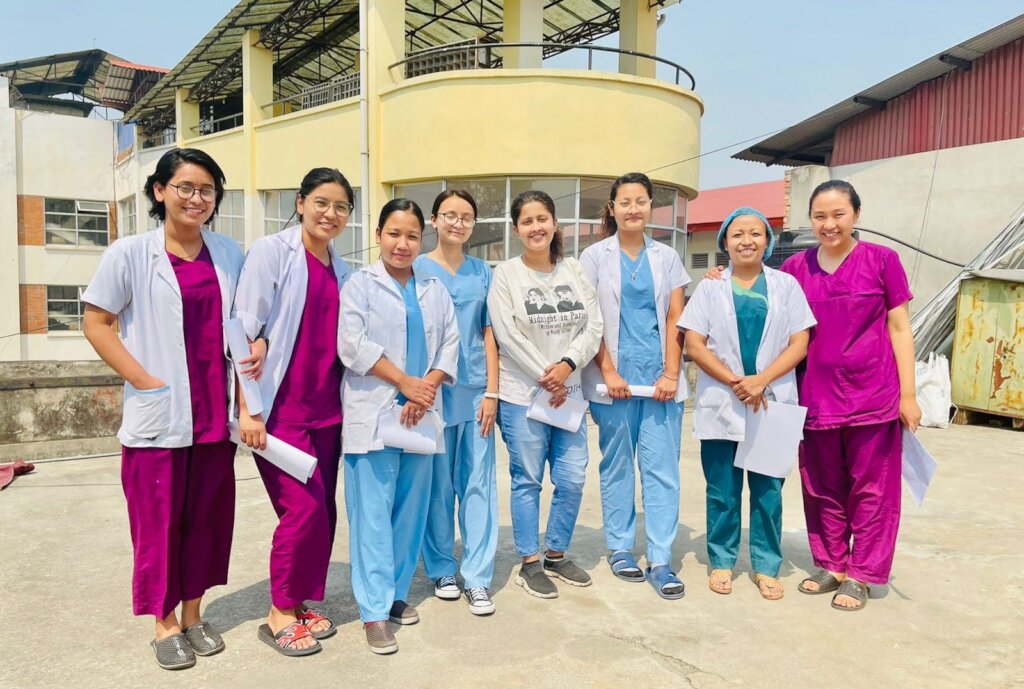
We are undertaking an important piece of work in Nepal to understand where mental health-trained nurses are located across the country. Our local team is carrying out this work alongside the Nepal branch of an international health agency, bringing together local knowledge, relationships and expertise to better understand the resources that already exist within Nepal’s health system.
This is a vital first step in strengthening mental health support in Nepal.
Nepal has very few nurses who have received specialist training in mental health. At the same time, nurses within the health system are not necessarily allocated to roles according to their specialist training. This creates a significant gap between the skills that exist and where those skills are actually being used.
The need is particularly urgent because Nepal has extremely limited specialist mental health provision. There is currently only one state-run mental health hospital serving a population of around 30 million people. Yet even within these limited services, there may be few or no nurses with specialist mental health training available to provide the level of support that people experiencing mental illness and their families need.
Why mapping matters
Before Nepal can strengthen its mental health workforce, it needs to understand what resources it actually has.
Our mapping exercise will help identify how many mental health-trained nurses there are, where they are working, what skills and experience they have, and where there are gaps between specialist training and the services in which nurses are currently working.
This information can provide an important evidence base for the Government of Nepal and other health stakeholders. It can help inform future workforce planning, training priorities, nurse deployment and wider mental health policy.
In simple terms, we want to help answer a fundamental question: what mental health nursing resources does Nepal have, where are they, and how can they be used most effectively?
Making a difference for people and families
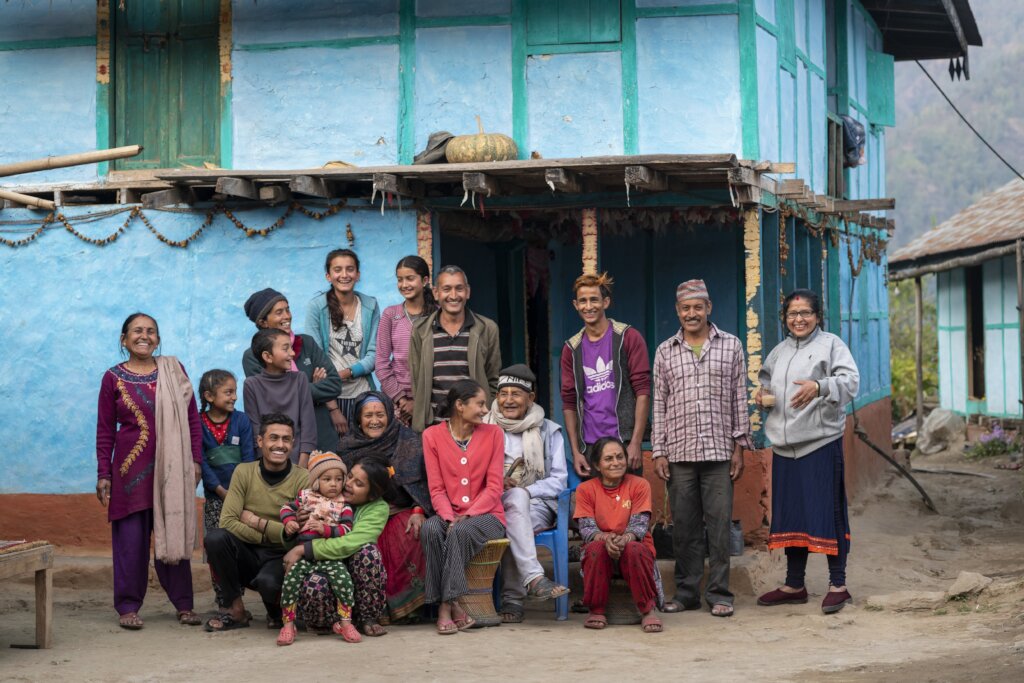
For people experiencing mental illness, the consequences of a weak mental health system can be profound. Specialist support may be unavailable, difficult to reach or concentrated in a very small number of locations. Families can be left carrying much of the responsibility for supporting a loved one without access to appropriate professional help.
Strengthening mental health nursing can help change this.
Better understanding of the existing workforce can support the development of services in which people receive appropriate care closer to where they live. It can also help build the capacity of health workers to recognise mental health needs, provide appropriate support and connect people with specialist services when they are needed.
For communities, this means building a health system that is better able to respond to mental illness rather than leaving individuals and families to manage largely on their own.
Strengthening the health system
This project is not simply about counting nurses. It is about understanding and strengthening the health system that supports people with mental illness.
The findings will help highlight where Nepal has existing expertise, where specialist capacity is missing, and what changes could make better use of the skills already present. Over time, this can contribute to stronger workforce planning, better deployment of specialist nurses, improved training and more effective integration of mental health into wider health services.
Most importantly, the work can provide practical evidence to inform government decision-making and future mental health policy.
Led locally, delivered together
Jaya Mental Health is committed to approaching this work as a partnership, not as an outside organisation arriving with solutions.
Our local team in Nepal is leading and delivering the work, working alongside the Nepal branch of an international health agency and engaging with the people and institutions that understand the Nepalese health system. Our role is to support local expertise, strengthen existing systems and help create evidence that can be used within Nepal.
This approach matters. Sustainable change in mental health will come from Nepal’s own health professionals, communities and institutions being equipped with the knowledge, skills and resources to strengthen their system. We are working alongside them to help make that possible.
The difference donor support can make
Support from our donors will help make this important piece of work possible at a time when Nepal faces a major gap in mental health provision.
By supporting the mapping of mental health-trained nurses, donors are helping to create the evidence needed to understand the current situation and advocate for better use and development of Nepal’s mental health workforce.
The immediate outcome is better knowledge. The longer-term ambition is much greater: a stronger mental health system, better-informed government policy, a more appropriately trained and deployed workforce, and ultimately better support for people experiencing mental illness and the families and communities around them.
This is a relatively focused piece of work, but it has the potential to provide an important foundation for lasting health-system strengthening in Nepal.
Links:
By Joao Marcal Grilo | Founding Director
By Joao Marcal Grilo | Founding Director
Project reports on GlobalGiving are posted directly to globalgiving.org by Project Leaders as they are completed, generally every 3-4 months. To protect the integrity of these documents, GlobalGiving does not alter them; therefore you may find some language or formatting issues.
If you donate to this project or have donated to this project, you can receive an email when this project posts a report. You can also subscribe for reports without donating.


Support this important cause by creating a personalized fundraising page.
Start a Fundraiser