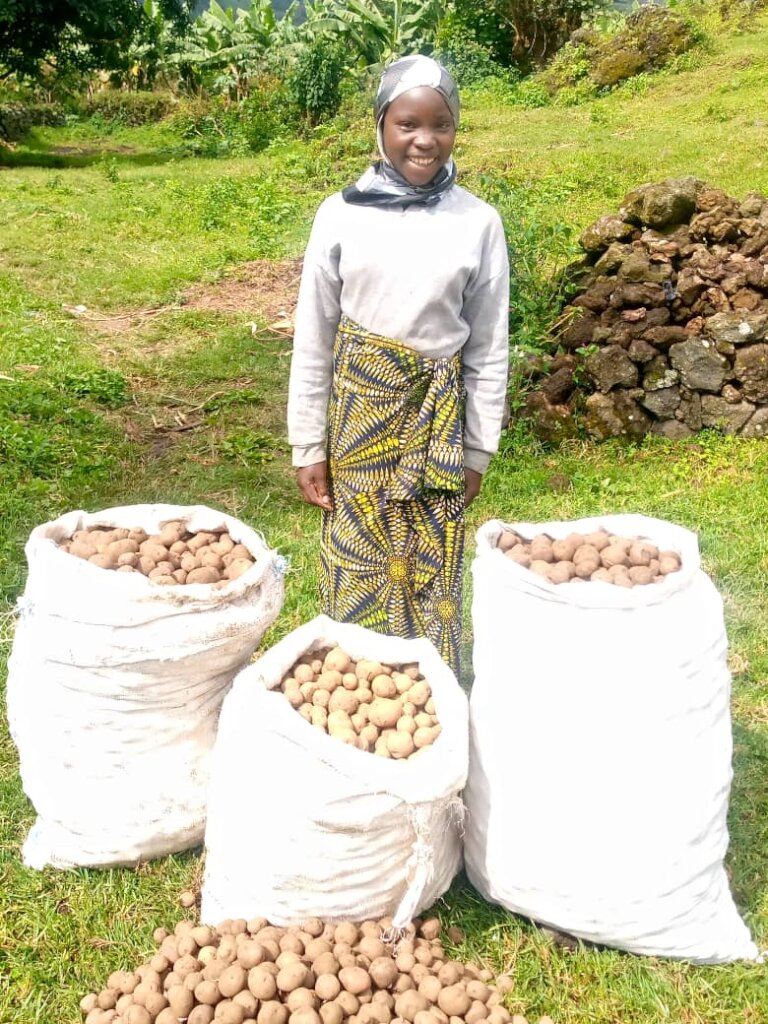
Empower pregnant women, 600 mothers, and 600 children under 5 in Kisoro, Uganda to access, consume, and sustain a nutritious diet from locally available foods, improving health outcomes and reducing malnutrition. - Key Components:- 1. Local Food Mapping & Promotion - Identify nutrient rich indigenous foods (e.g., sweet Potatoes, beans, amaranth, millet, eggs, small fish). Create a Food Diversity
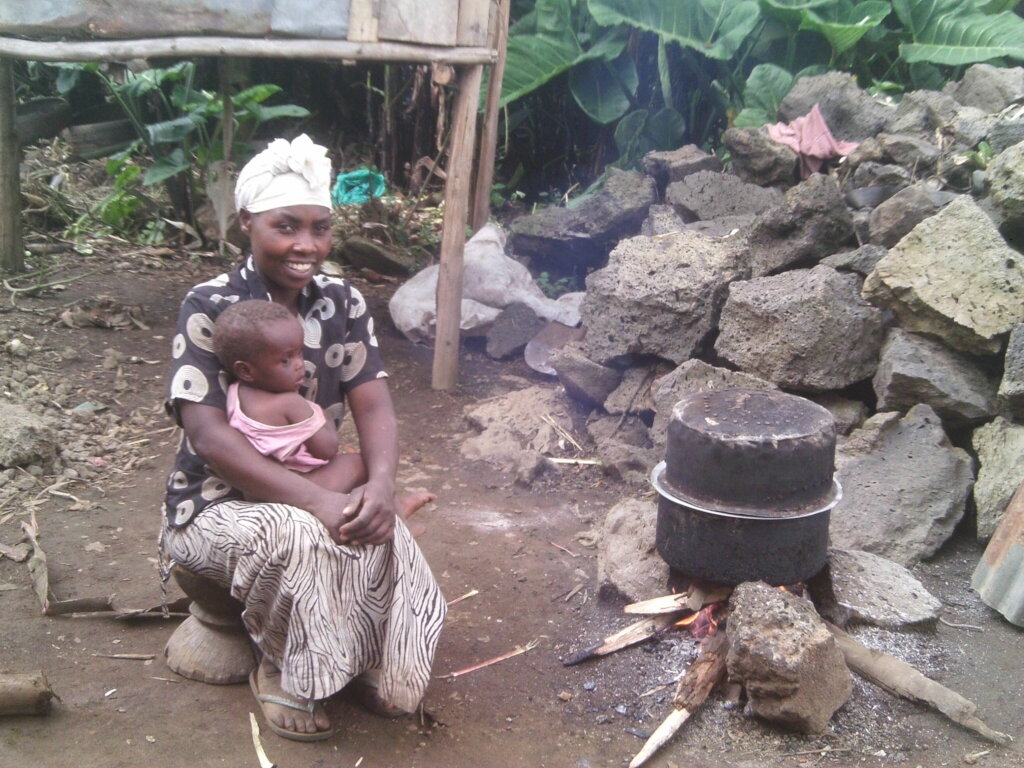
1 -Cultural Food Preferences & Taboos - Some communities avoid nutrient rich foods like eggs or fish for pregnant women due to myths. - Traditional cooking methods (overcooking, excessive oil) reduce nutrient value. 2. Knowledge Gaps - Low literacy among caregivers hampers understanding of nutrition education. - Limited awareness of locally available nutrient dense foods. 3. Health System Weaknesses - Shortage of trained health staff to monitor growth (MUAC, anemia)
1. Local Food Mapping & Promotion - Identify nutrient rich indigenous foods (sweet potato, beans, amaranth, millet, small fish, eggs). - Create a visual Food Diversity Chart displayed in schools & health centers awareness of affordable, highquality options. 2. Kitchen Garden & Small scale Farming - Provide starter seeds, seedlings, poultry chicks, and basic tools.
Sustainability Mechanisms - Revolving fund- keeps supplying seeds, chicks & tools - Trained volunteers 20+ CHVs) become permanent community resource persons, mentoring new cohorts. - Market linkages (school feeding, local markets) ensure continuous demand for produce. Bottom line: KCVA's project evolves from a shortterm nutrition fix into a self reinforcing ecosystem healthier families, empowered women, thriving local economy, and a greener environment-
This project has provided additional documentation in a DOCX file (projdoc.docx).



Support this important cause by creating a personalized fundraising page.
Start a Fundraiser