By Dishon Murage and Max Rojas-Domke | Field Representative
PROJECT OBJECTIVES
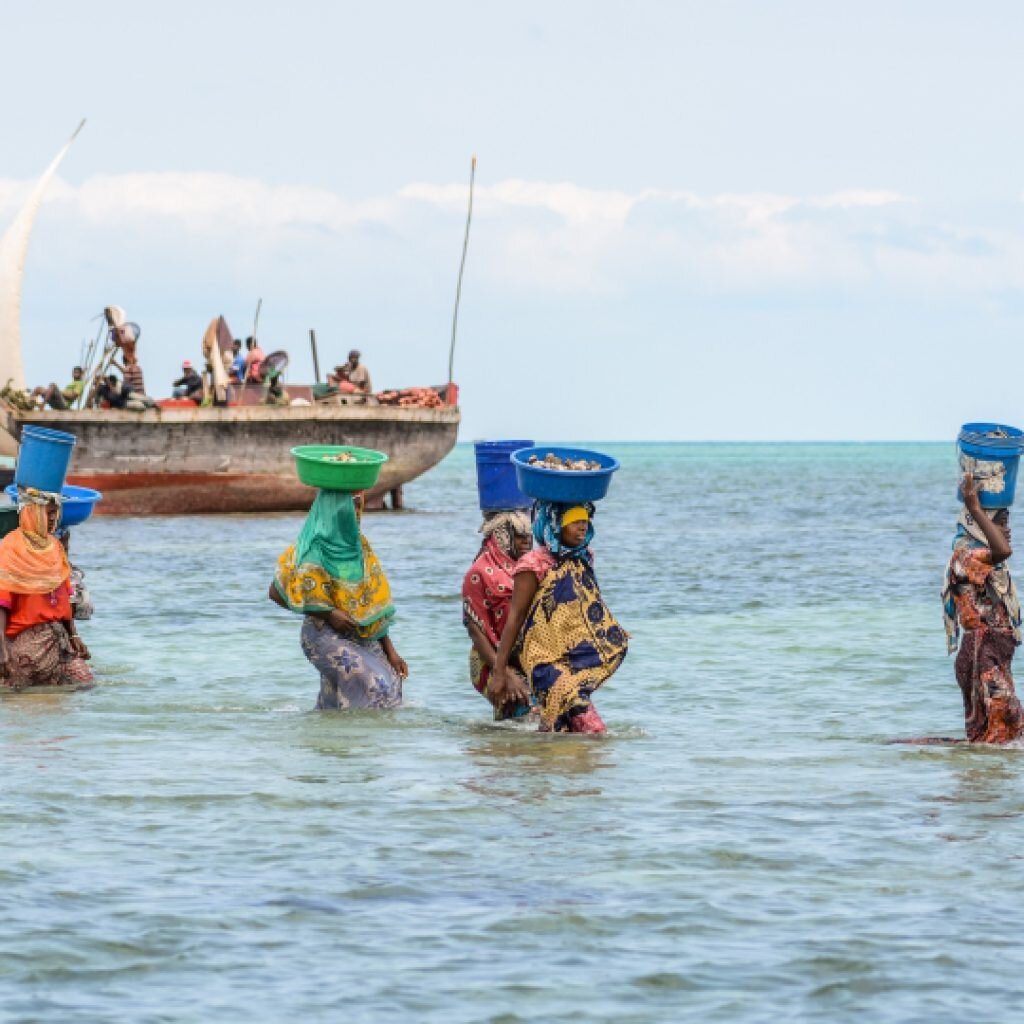
The project objectives are to conserve marine resources in Jongowe Village, Tumbatu Island, through working in collaboration with local communities, local institutions, and relevant stakeholders. To achieve this goal, the project will implement training programs for community members, with a particular focus on village leaders and those who directly benefit from marine resources at both the village and regional levels.
CURRENT STATE
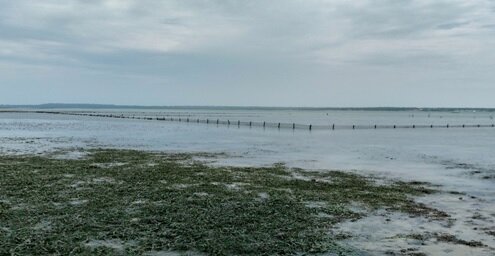
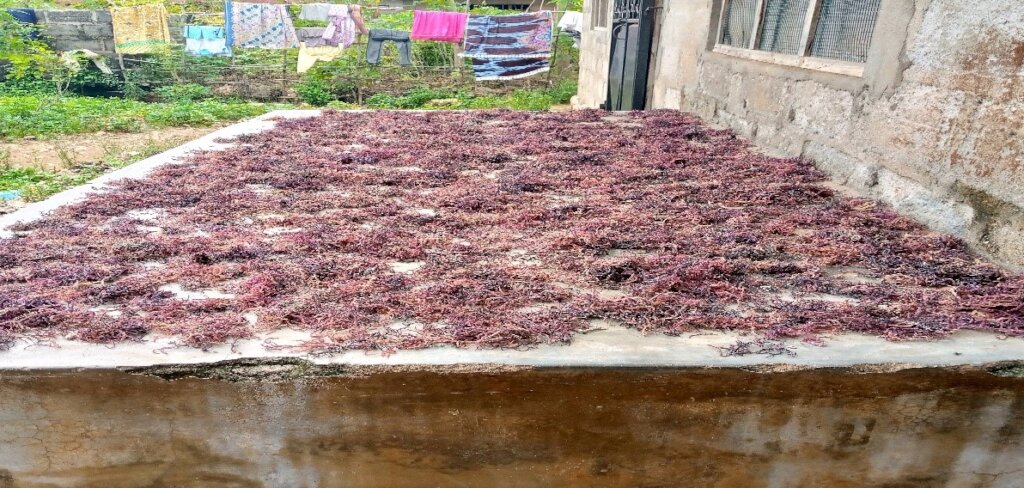
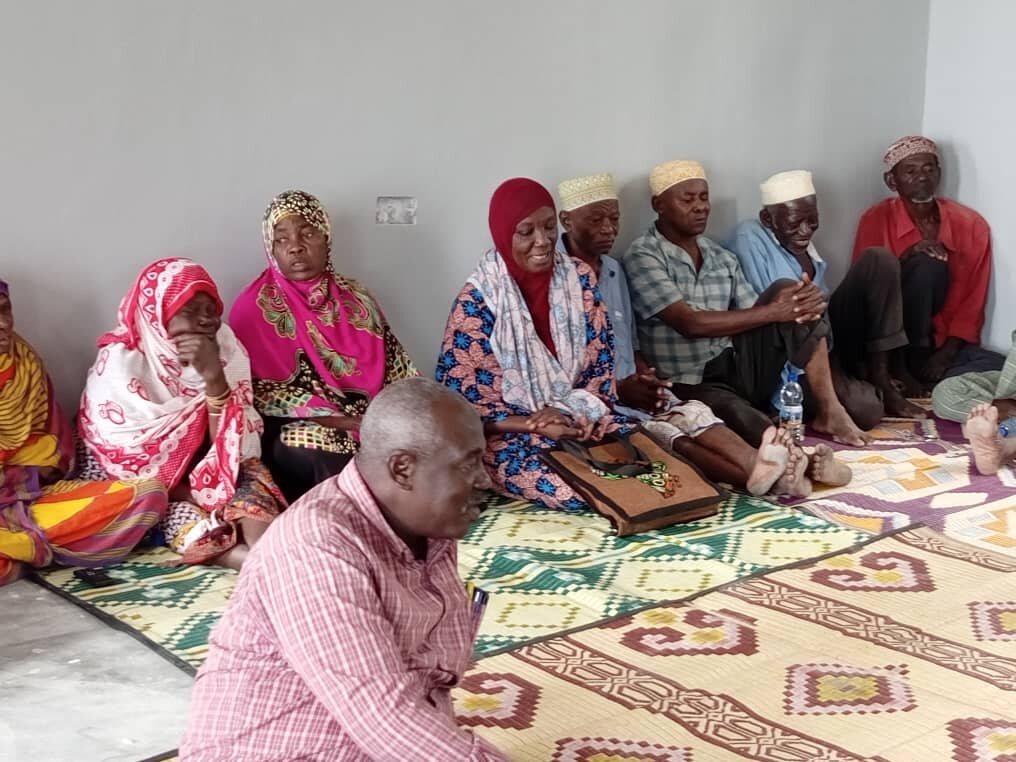
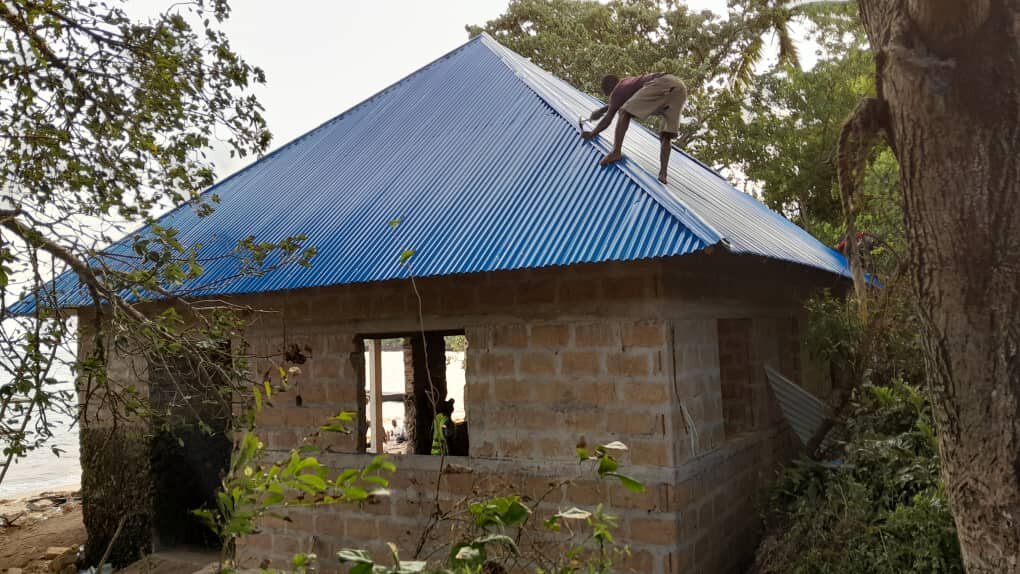
The community marine resource conservation and information center has been built, with photos included! Training the community groups in mariculture techniqwues (sea cucumber farming, octopus, conservation and closure, seaweed farming) has been successful and continues. Fifty community members from 30 seaweed groups in Jongowe village have received
training on various aspects of seaweed. The training covered the types, species, and varieties of seaweed found and cultivated in Zanzibar, as well as the roles that seaweed plays in marine conservation. Participants also learned about the commercial value of seaweed and its significance as a food crop, along with its importance in medicine and human health.
STRENGTHENING LINK WITH OTHER CONSERVATION INSTITUTIONS– STUDY VISIT
Bweleo
A study visit to Bweleo village was conducted, allowing thirty women from Jongowe village to learn about various aspects of seaweed. They explored the types of seaweed grown in Zanzibar and its roles in marine conservation, as well as its commercial and medicinal values, and its importance as a food crop. Notably, the training included valuable insights into techniques for adding value to seaweed. Participants were shown how to create products such as soaps, seaweed powder, lotions, and food items. Additionally, they received guidance on processing seaweed and marketing its products.
Jozani
Thirty-six males and females from Tumbatu village participated in a workshop on natural resource conservation in Jozani Forest and National Park, as well as the surrounding areas. The villagers had the opportunity to learn about the benefit-sharing mechanisms of Jozani, community participation in conservation efforts, and the role of natural resources in national and community income. They also explored the importance of natural forests and their resources in environmental improvement, as well as the conservation of red colobus monkeys
WAY FORWARD
The project is looking forward to: -
- Continue with trainings groups undertaking sea cucumber and octopus nursing.
- Strengthening links and collaborate with other conservation institutions.
- Finishing remaining works in the building that include wiring for electrification
- Conducting study visit to successful areas e.g. Turtle nesting, fish hatchery etc
Links:
Project reports on GlobalGiving are posted directly to globalgiving.org by Project Leaders as they are completed, generally every 3-4 months. To protect the integrity of these documents, GlobalGiving does not alter them; therefore you may find some language or formatting issues.
If you donate to this project or have donated to this project, you can receive an email when this project posts a report. You can also subscribe for reports without donating.