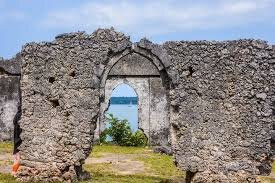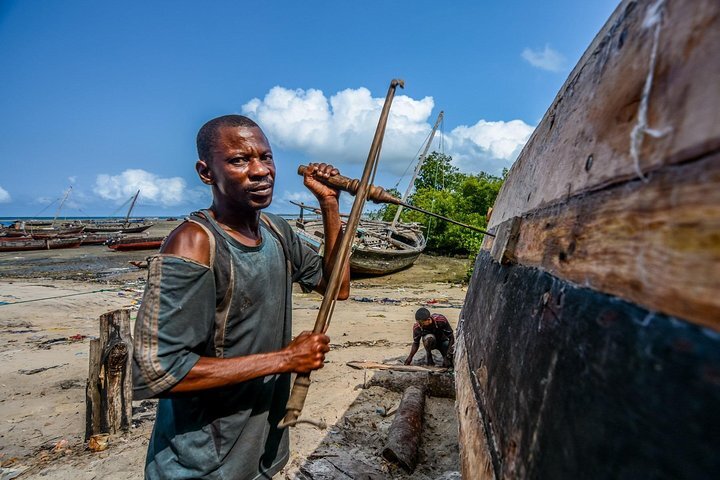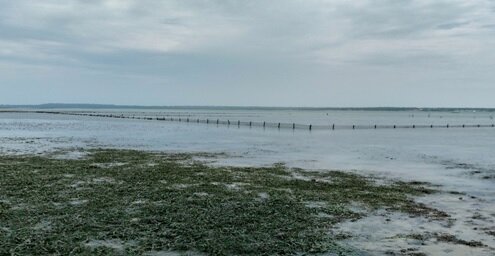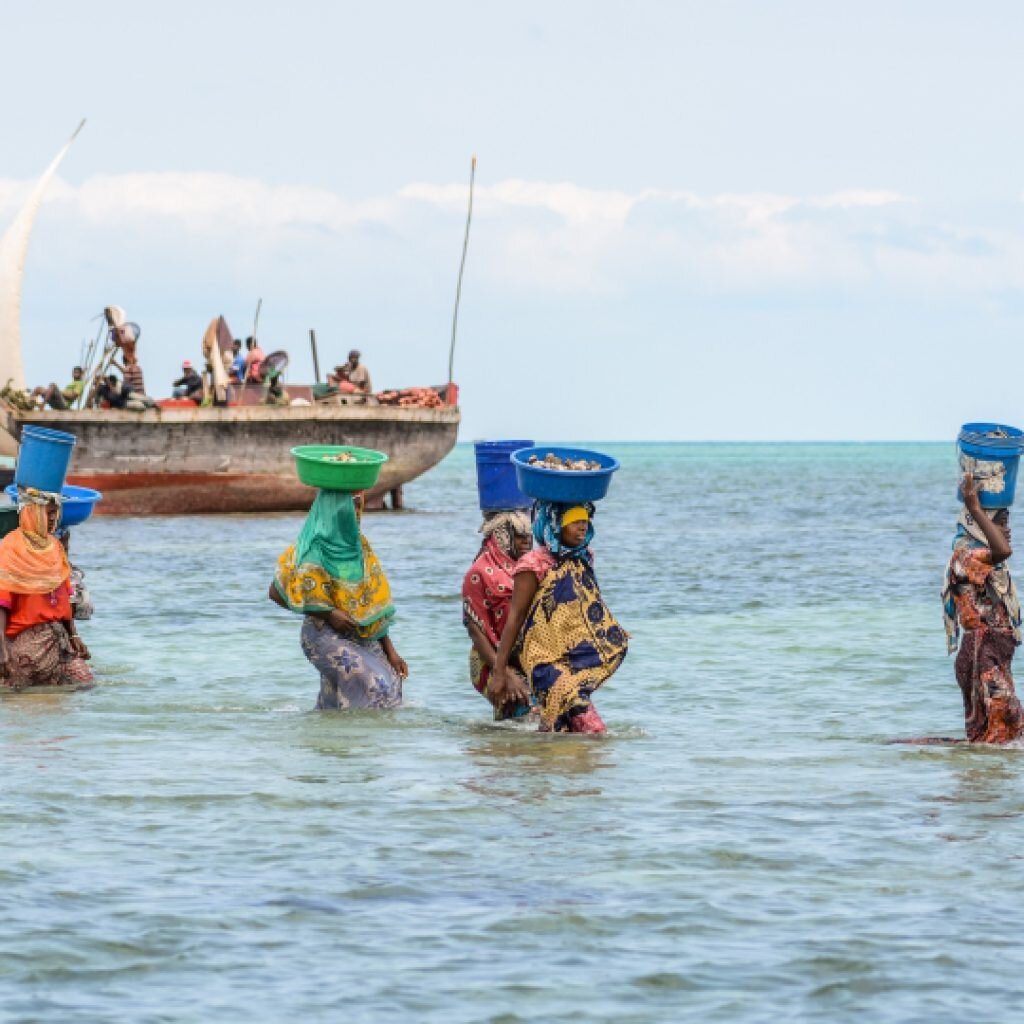
Tumbatu Island, off the coast of Zanzibar, is rich in both marine biodiversity and archaeology. However, Tumbatu's waters have been drastically overfished, and its coral reefs, seagrass, and mangroves have been damaged. In partnership with local fishermen's cooperatives, Seacology will fund construction of a conservation center and mariculture training. In exchange, community members have pledged to protect a new 2,229-acre marine reserve for at least 20 years.
Tumbatu Island, off Zanzibar, is a hotspot for both marine biodiversity and archaeology. However, a scramble for marine resources on the densely populated island has destroyed coral reefs, seagrass, and mangroves. Overfishing, trawling, and dynamite fishing have devastated local animal populations. The Tumbatu Channel is already officially safeguarded by law, but enforcement is difficult due to poor conservation education and access to necessary equipment.
Islanders have been consulting with TAF and government officials to develop a plan to make the fisheries sustainable, ecological, and community-centric. A protected area will be formed and closed to octopus harvest, to stop coral breakage and seagrass destruction. Increased patrols and surveillance by fishers and local officials will deter illegal fishing. A seaweed farming area will be established in a degraded area. These will both help rebuild habitat and provide income.
Seacology will support TAF in building a conservation center in Jongowe Village which will serve as a hub for meetings and trainings to raise conservation awareness. It will also house historical and natural resource materials. Alongside the practical implementation of patrols, netting, and reserved fishing areas, Seacology expects conservation to be baked into future development on Tumbatu Island - facilitated in the youth through the conservation center and the community through safe fishing.