By Marc Maxson | GlobalGiving staffer
Below is an excerpt of my recent visit.
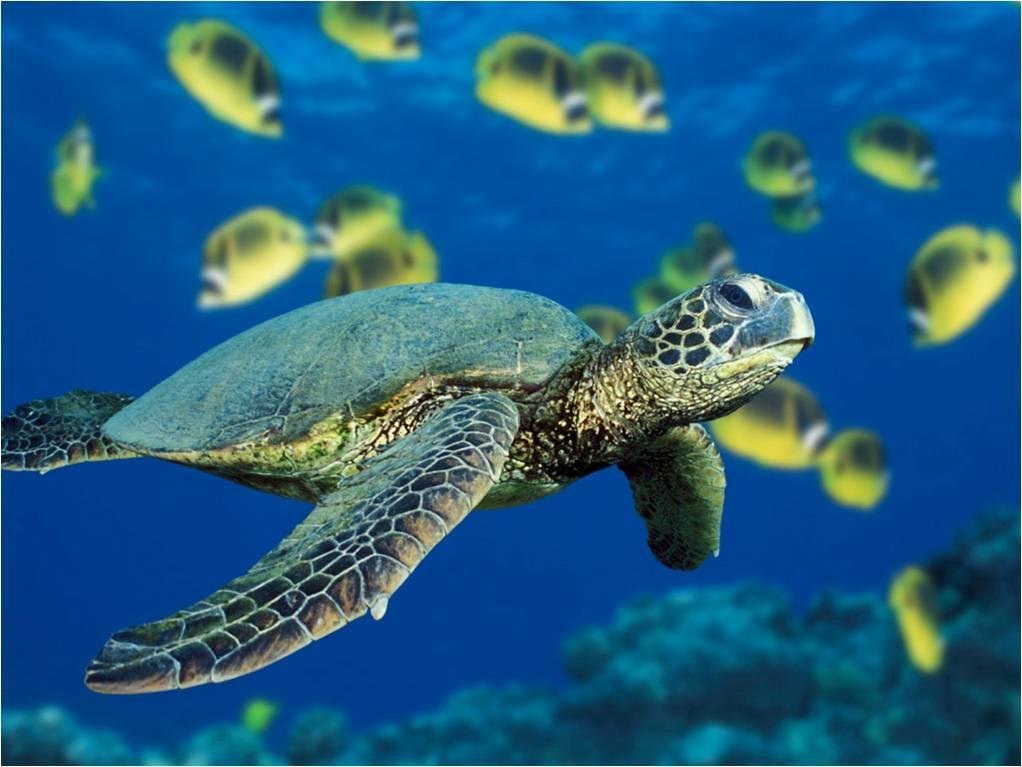
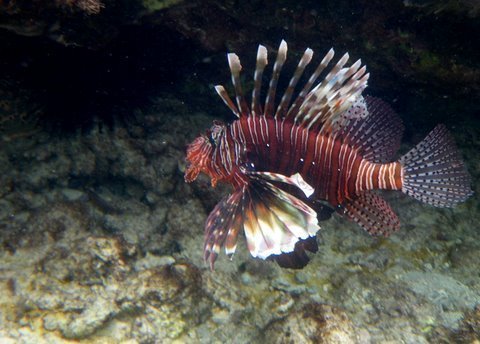
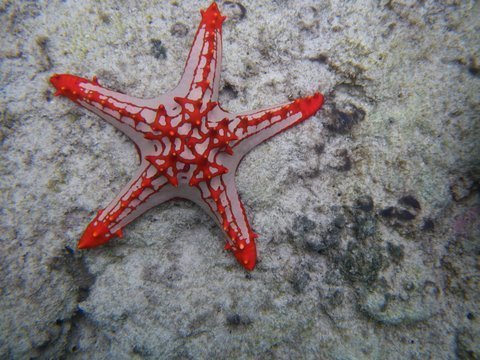
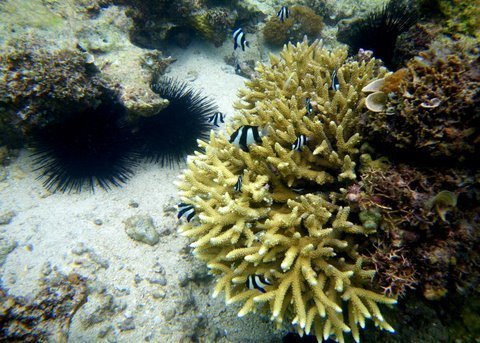
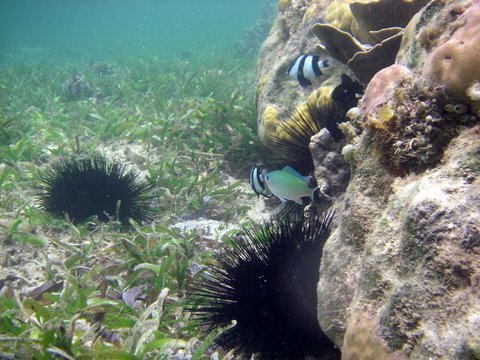
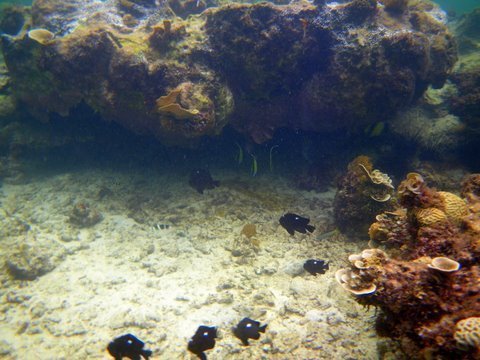
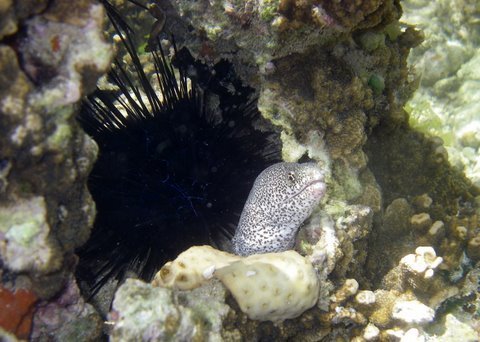
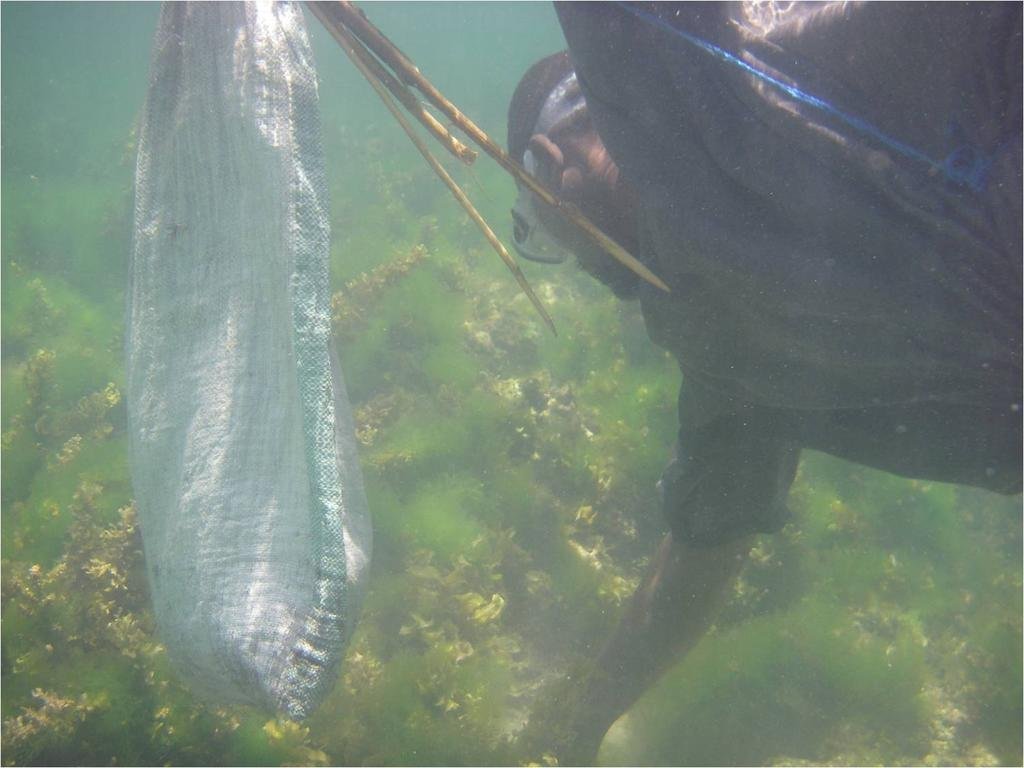
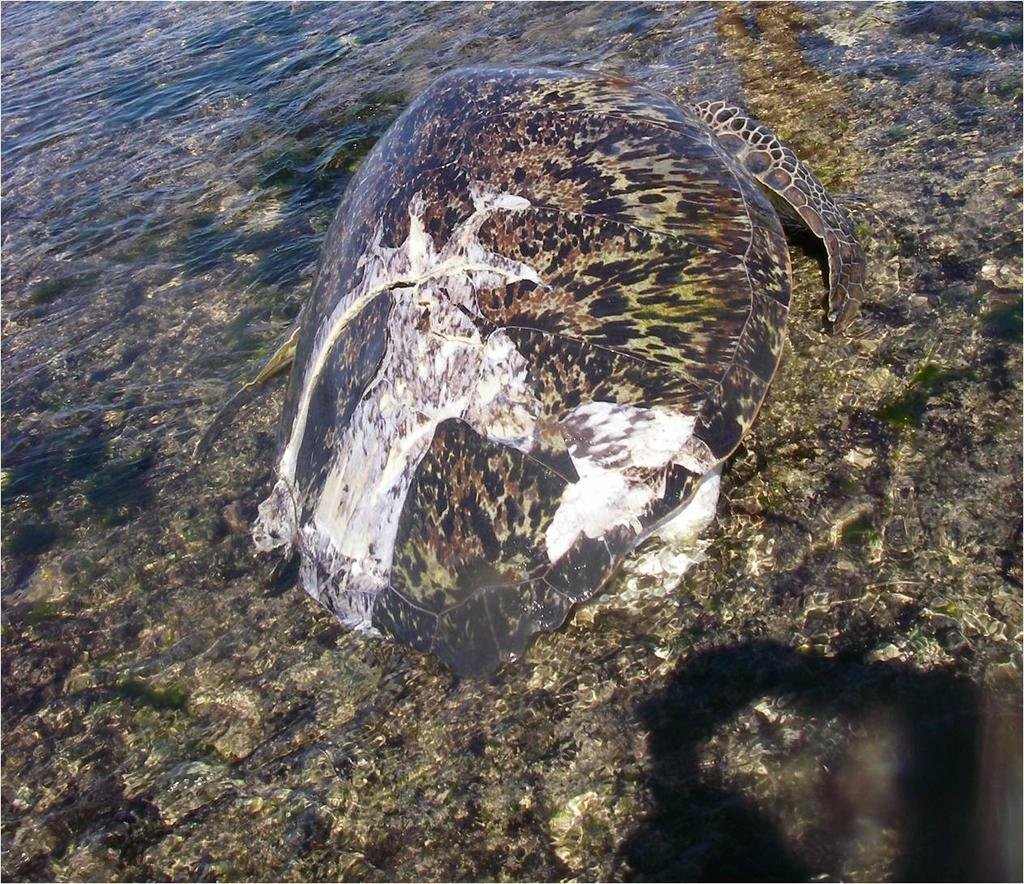
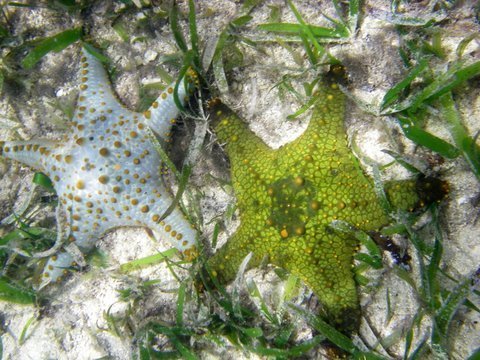
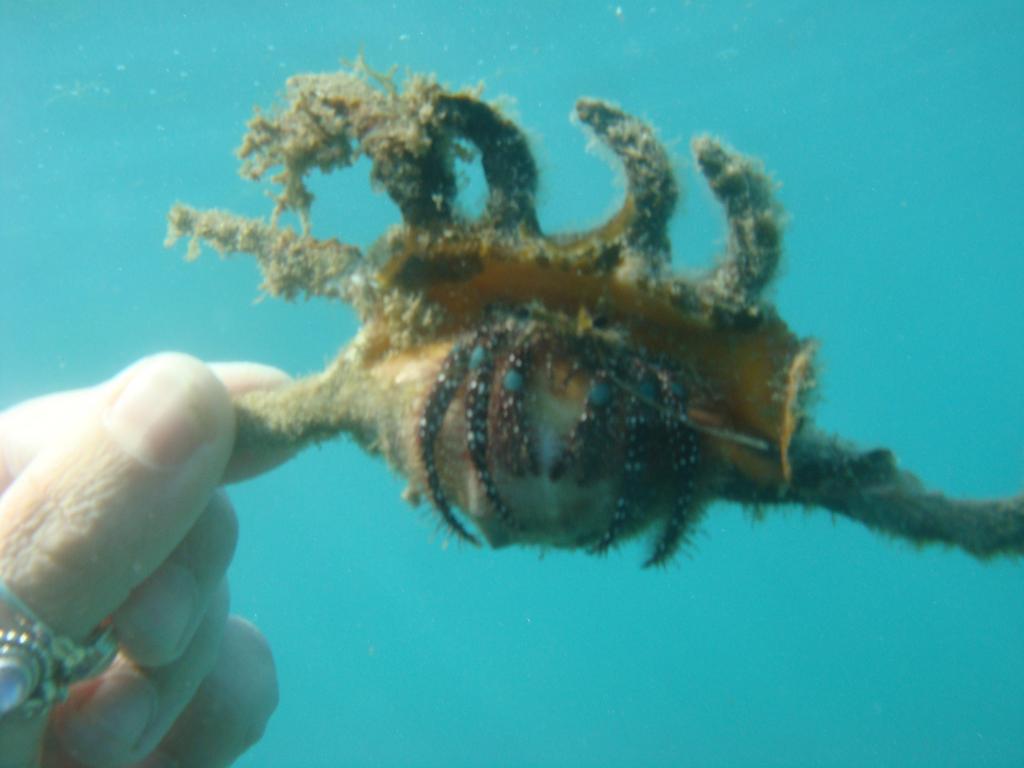
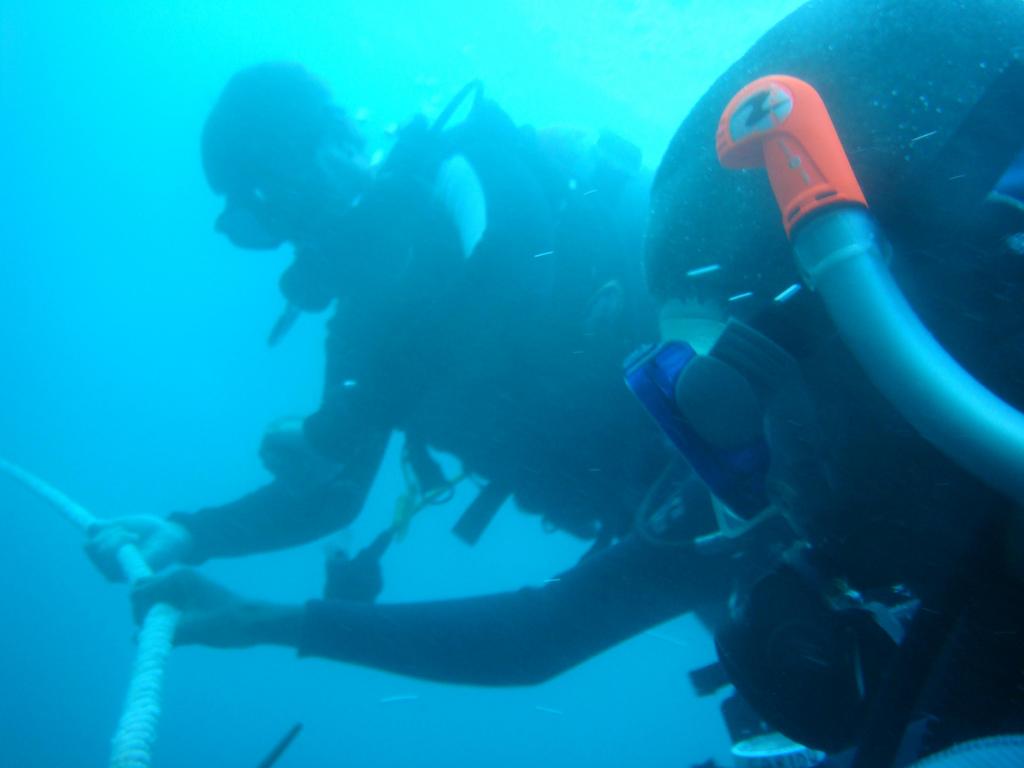
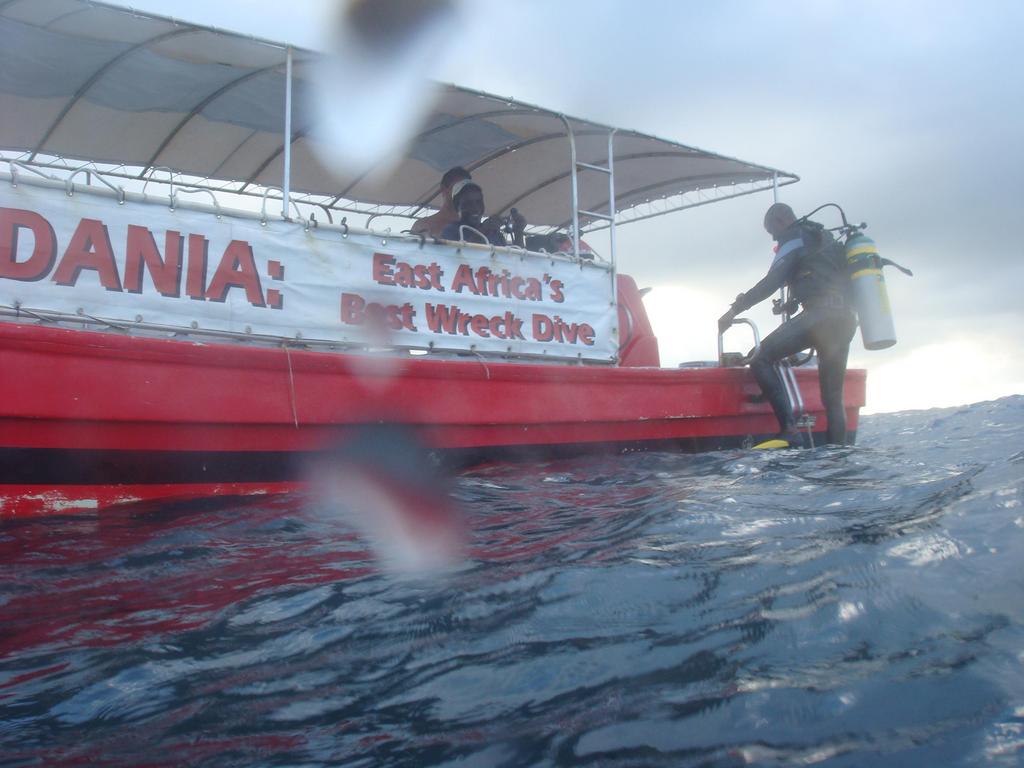
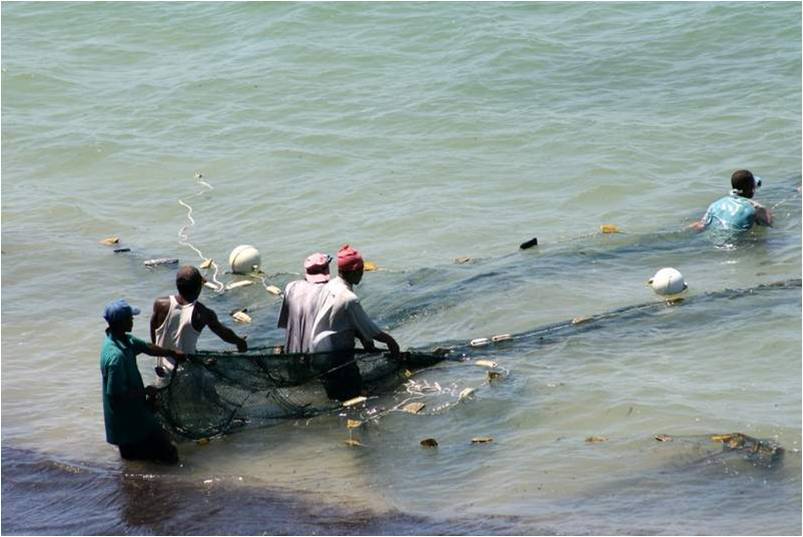
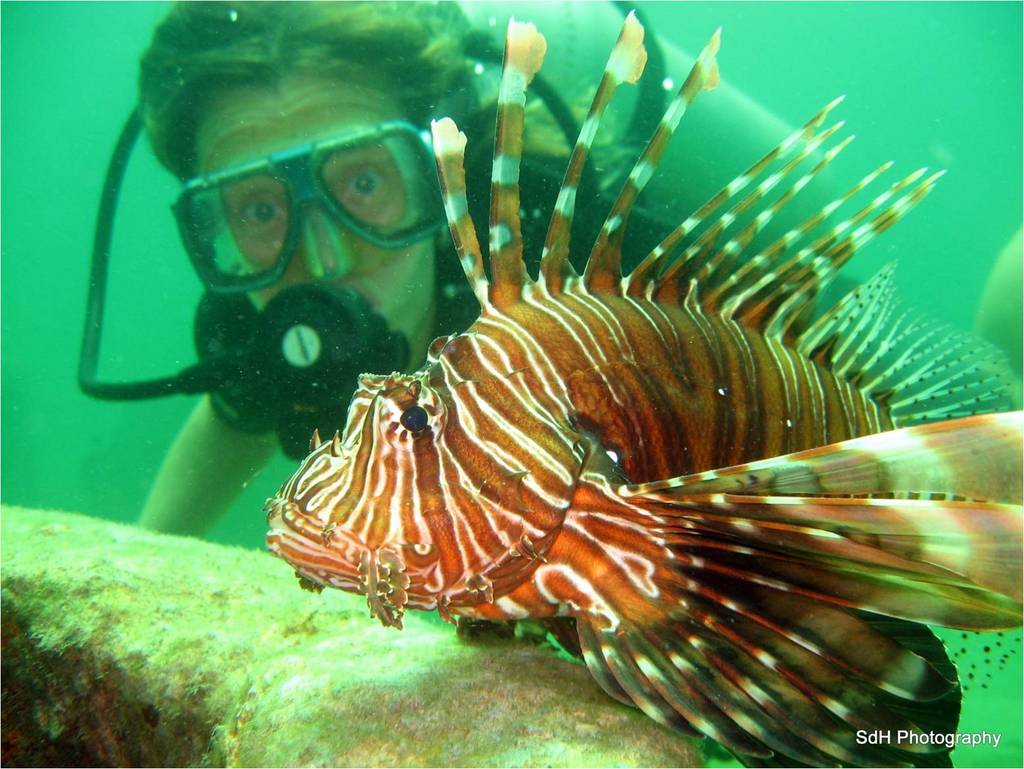
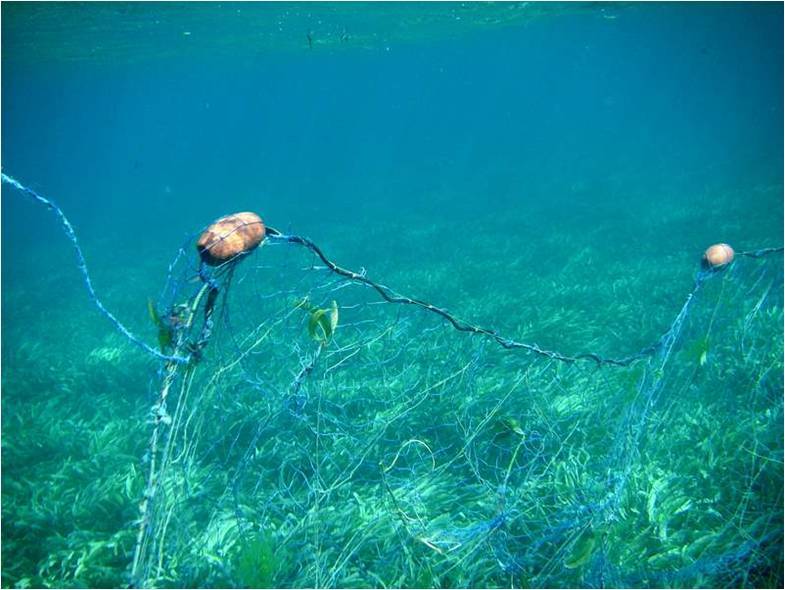
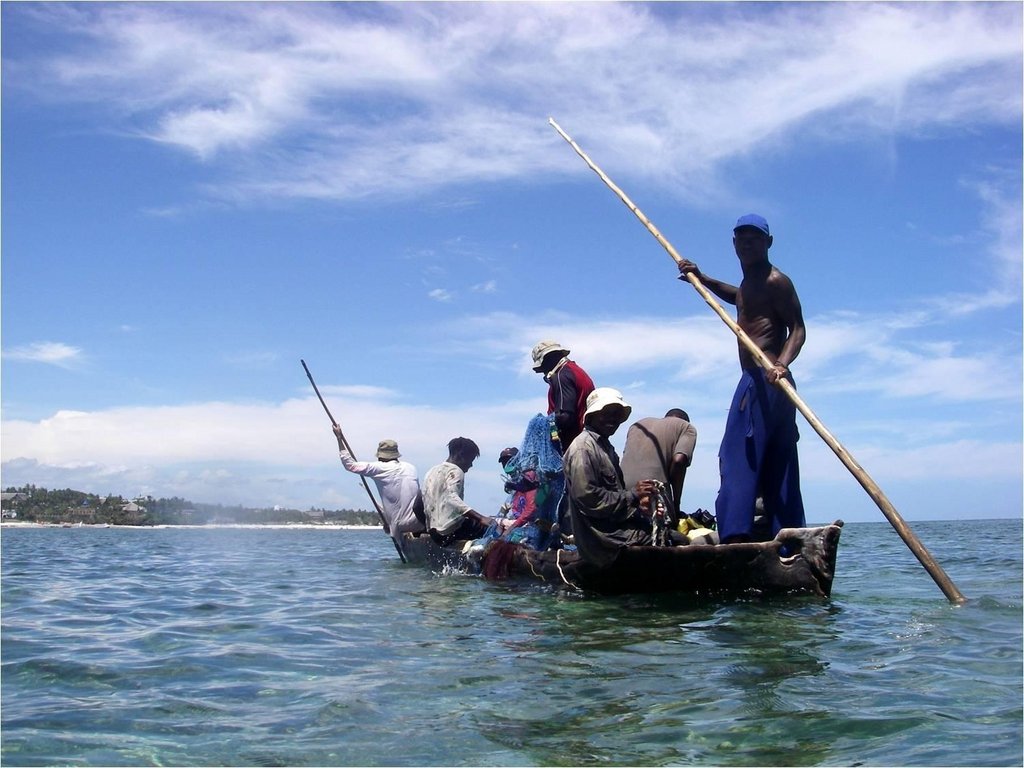
“It’s the difference between chalk and cheese!” Adam said, as he climbed out of the boat and into the ocean. We were off the coast of Kenya, examining the coral reefs. Just an hour earlier, Adam had taken us to an otherwise healthy reef just a few miles away from this one. He gave me a snorkel and urged me to look at the life below. The first reef was covered in low lying green weeds. No fish were anywhere. After about ten minutes I was able to locate a handful of little ones. But here at the reef inside a protected marine sanctuary, fish glided past in such numbers as you might expect on the L.A. freeway. I reached out to grab one and missed it by inches. Below the weeds grew taller and swayed in the undercurrents. Among the reef weeds I saw a few large fish. There were brilliant blue ones, striped ones, and a pair of yellow and blue ones I swear I’d seen in a fishtank in an expensive restaurant. Only these were three times in size. I popped my head out of the water. “This is what I mean,” Adam said. “The first area is officially a marine reserve and only ‘traditional fishing’ techniques are allowed there. But there are just too many fishermen these days.” “Why don’t the fish migrate from here over to there?” I asked. “Oh they do, and each morning ever last fish is scooped up.” Our confidence in unlimited resources is so strong that we feel it in a proverbial sense. “There are plenty of fish in the sea,” one might say to another in discussing the problems of men and women. Adam invited us here to tell you there are not. Adam Tuller founded the Africa Conservation Trust about 10 years ago. As a fourth generation Kenyan (of British descent), Adam works to merge economic and environmental sustainability into all of his projects. “You have to begin with people,” he said. “Because they are the ones causing problems for the animals.” The Kenyan government recently recognized his lifetime of effort in parks and the ocean to restore health by making him an honorary warden of the wildlife service. “It’s more than just honorary,” Adam added. “I have the power to arrest poachers. And I have used it on the many occasions we happened to come across them.” Even on our routine day trip to the marine park, Adam is upset. He is staring at the sonar, which measures the depth and the number of fish below. “People have been poaching,” he says. “There are usually more fish than this. You can see why it is so important that we build more artificial reefs.”
By Stacy Harris | Program Manager
By Stacy Harris | Program Manager
Project reports on GlobalGiving are posted directly to globalgiving.org by Project Leaders as they are completed, generally every 3-4 months. To protect the integrity of these documents, GlobalGiving does not alter them; therefore you may find some language or formatting issues.
If you donate to this project or have donated to this project, you can receive an email when this project posts a report. You can also subscribe for reports without donating.