This project will tackle the problem of menstrual health hygiene and in part of youth unemployment. Most school girls in Malawi come from poor families. They can't afford pads and end up missing classes. Our one-year program will recruit 10 volunteers.These female volunteers will be trained to train 2400 girls in Blantyre to make reusable sanitary pads usable for 3 years and train 600 girls to make art, jewelry or sandals for sale.7,200 pads made by the trainees will be given to 7,200 poor girls
Sanitary pads in Malawi are expensive. For most girls because they come from poor families, sanitary pads are a luxury. As such they are forced to use rags, socks, or newspapers to stop menstrual flow from staining clothes and sometimes miss classes. This problem is sustained by poverty levels which are also high due to unemployment. More than 50% of Malawians live below the poverty line. We will train 2400 girls to make their own reusable sanitary pads and distribute 7200 sanitary pads.
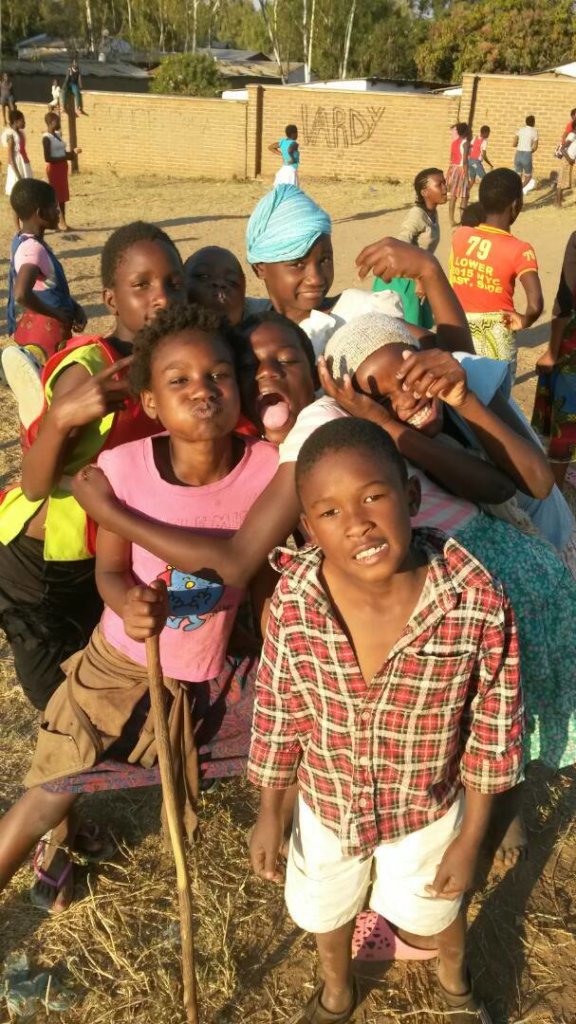
In this project, we recruit unemployed girls from poor families and train them to become mentors and trainers. These girls are then sent into primary schools to identify vulnerable adolescent girls and train them to make reusable sanitary pads, make art such as paintings and products like jewelry, hats, sandals etc which can be sold for profit. As a result, thousands of poor girls have access to sanitary pads and have a means of earning to support some of their needs.
This project will employ 10 girls from poor families in rural Blantyre. These 10 girls will train 2400 girls in 12 months to make reusable sanitary pads. In the process a total of 7200 girls will receive sanitary pads that they can use for 3 years made by their fellow girls. Under the project 600 girls will be trained to make art from locally available raw materials that they can sell. This project offers a sustainable solution to 26,400 girls that will be reached by this project.
This project has provided additional documentation in a PDF file (projdoc.pdf).