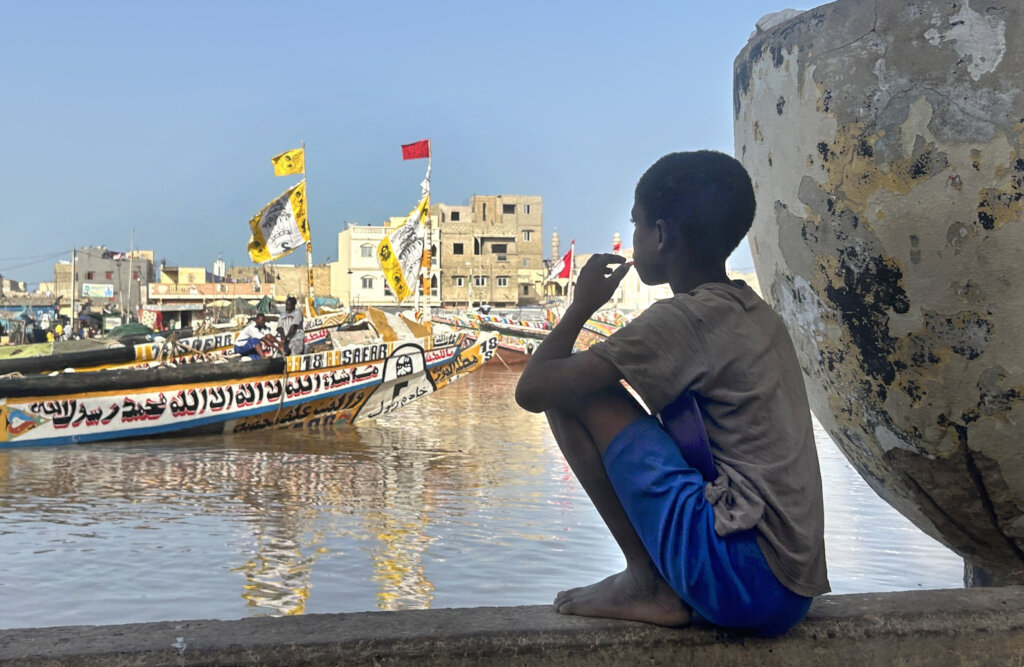
By Peter Kiarie | Kenyan volunteer with Maison de la Gare
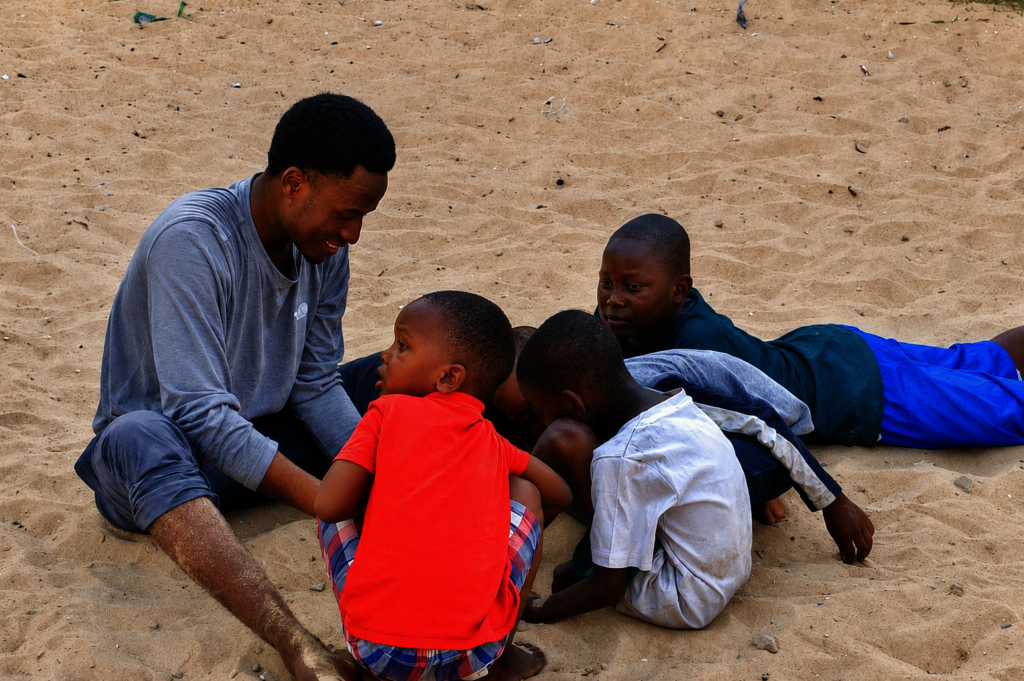
Sometimes the deepest conversations happen without words.
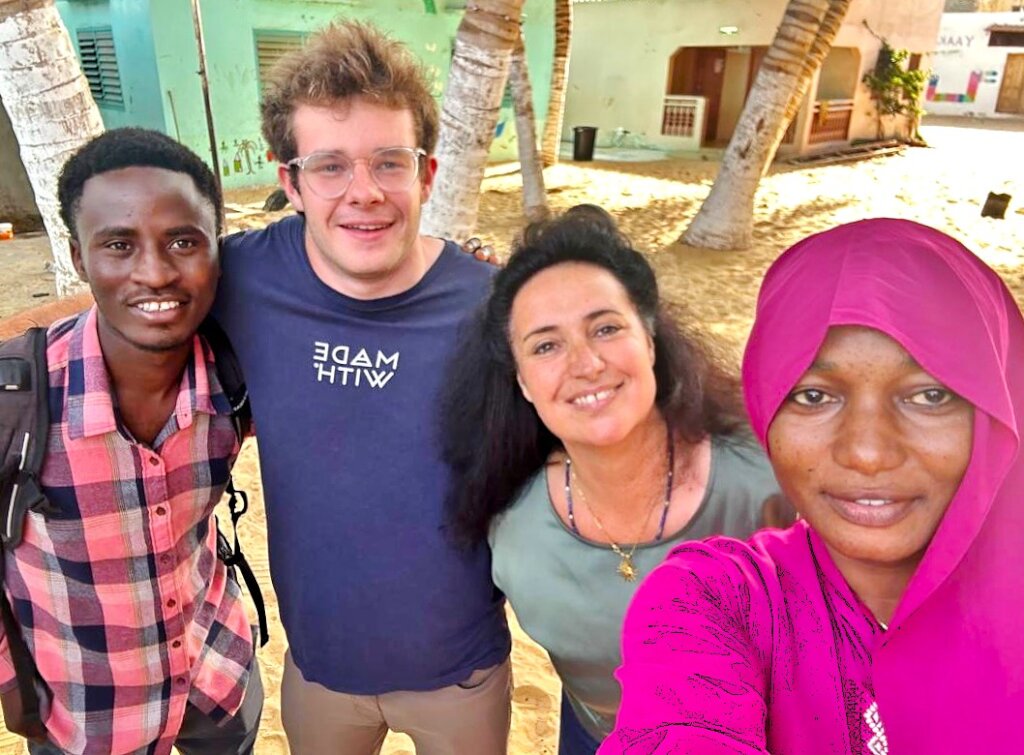
“When I arrived in Senegal four weeks ago, I did not know what to expect. I landed in Dakar and spent my first night there before traveling to Saint Louis the following day. What struck me almost immediately was the warmth of the people. From the hotel staff in Dakar to my host family in Saint Louis, I was met with a kindness that felt genuine and effortless. Everyone seemed determined to make me feel at home. My host family welcomed me not as a visitor, but as part of their household, sharing meals, guiding me through the city, and making sure I was comfortable. It was my first real encounter with what Senegalese people proudly call “Teranga”, the spirit of hospitality. In that moment, I realized that, for the next several weeks, this unfamiliar place would become home.
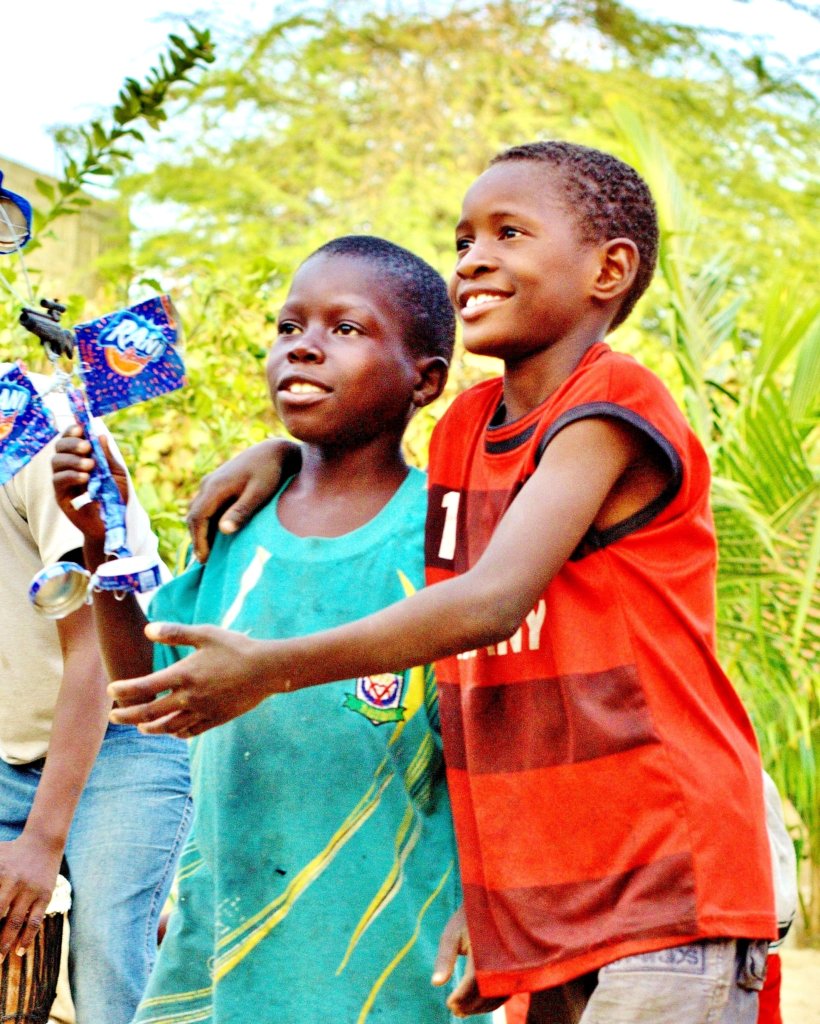
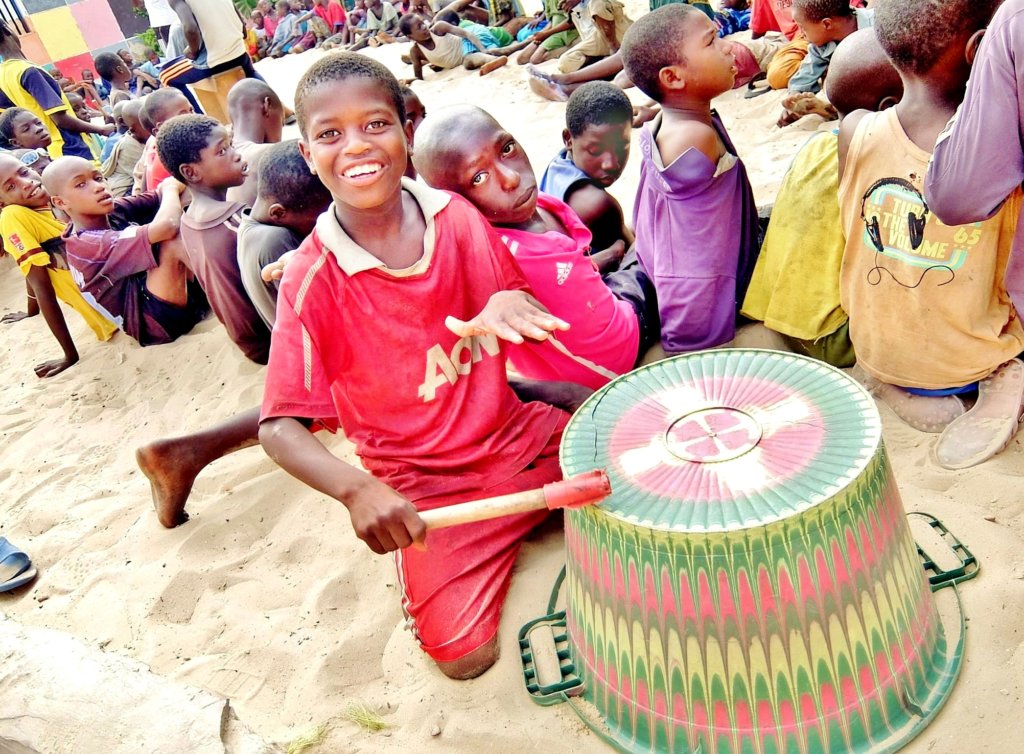
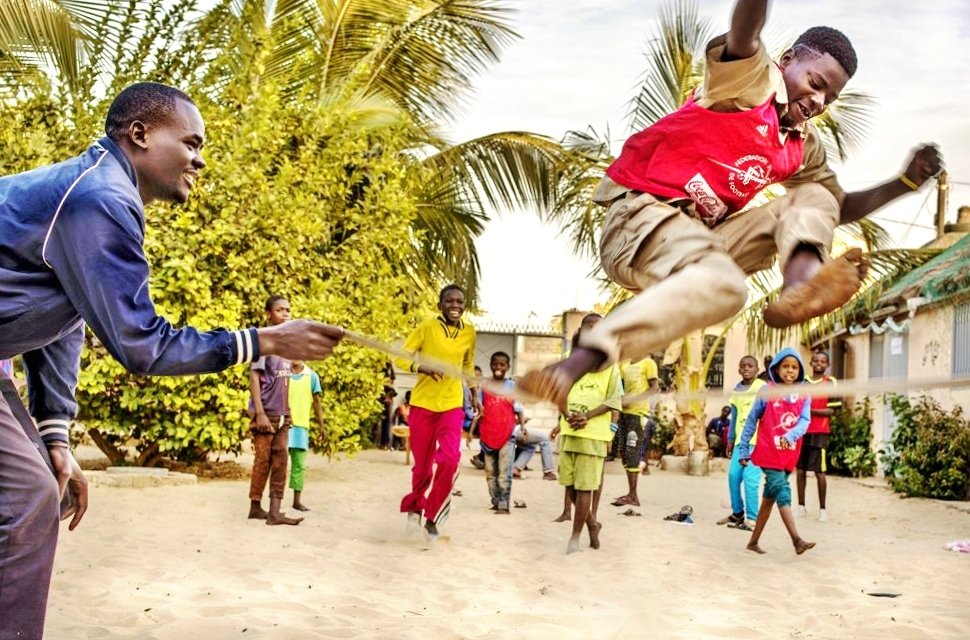
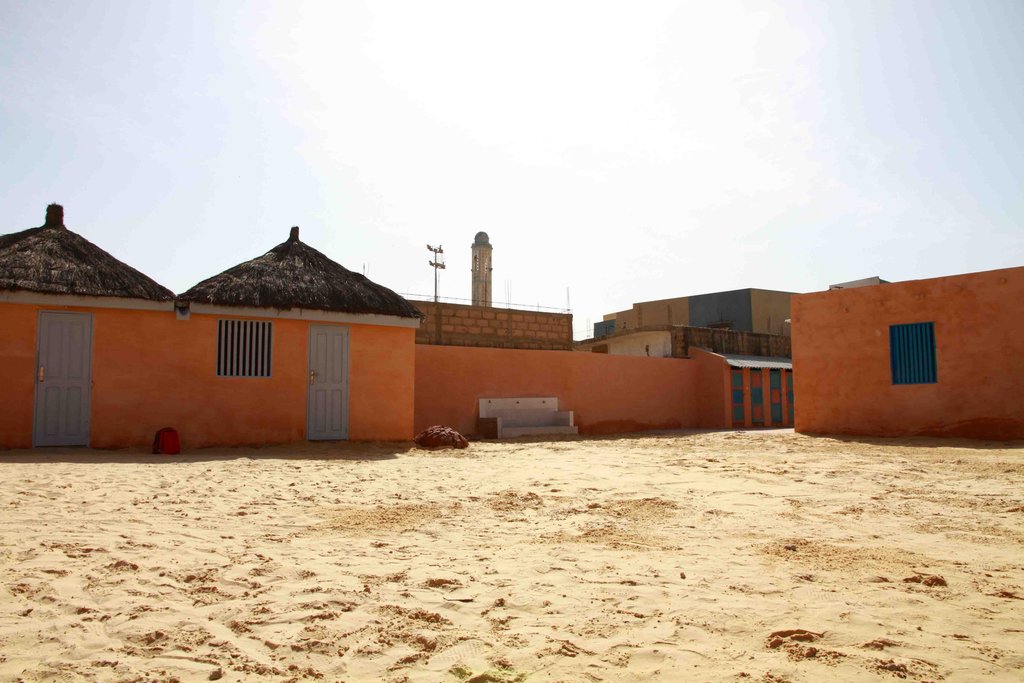
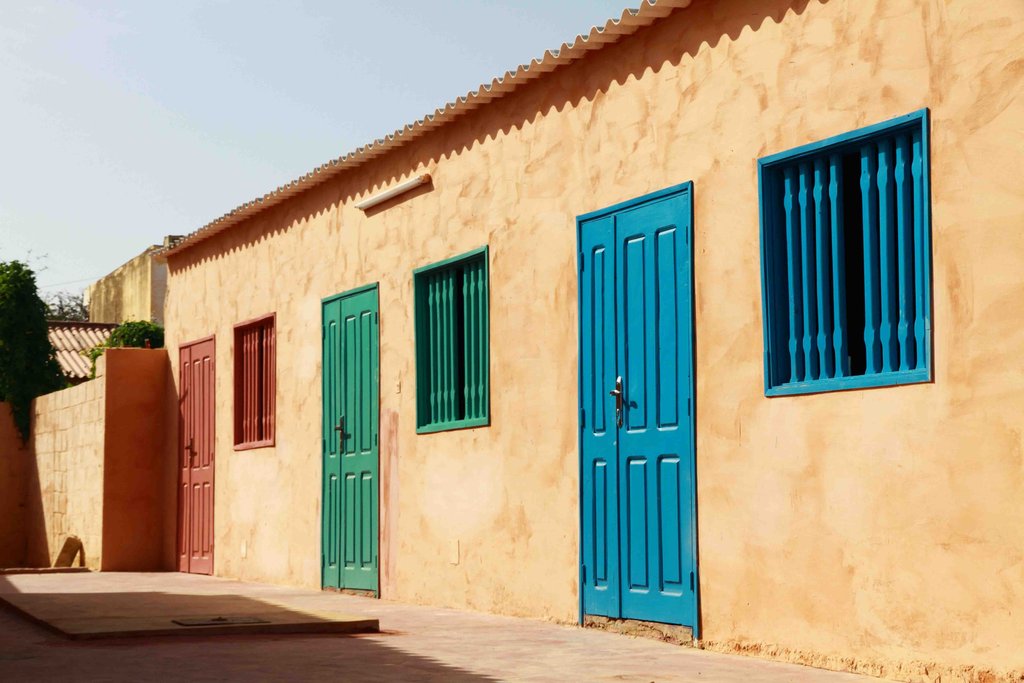
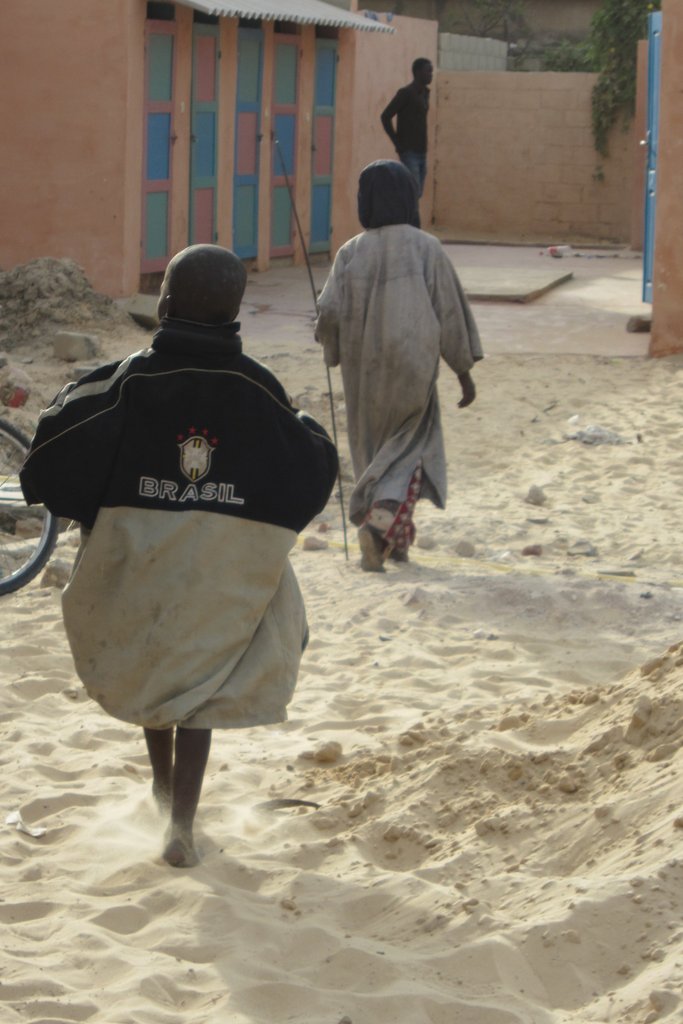
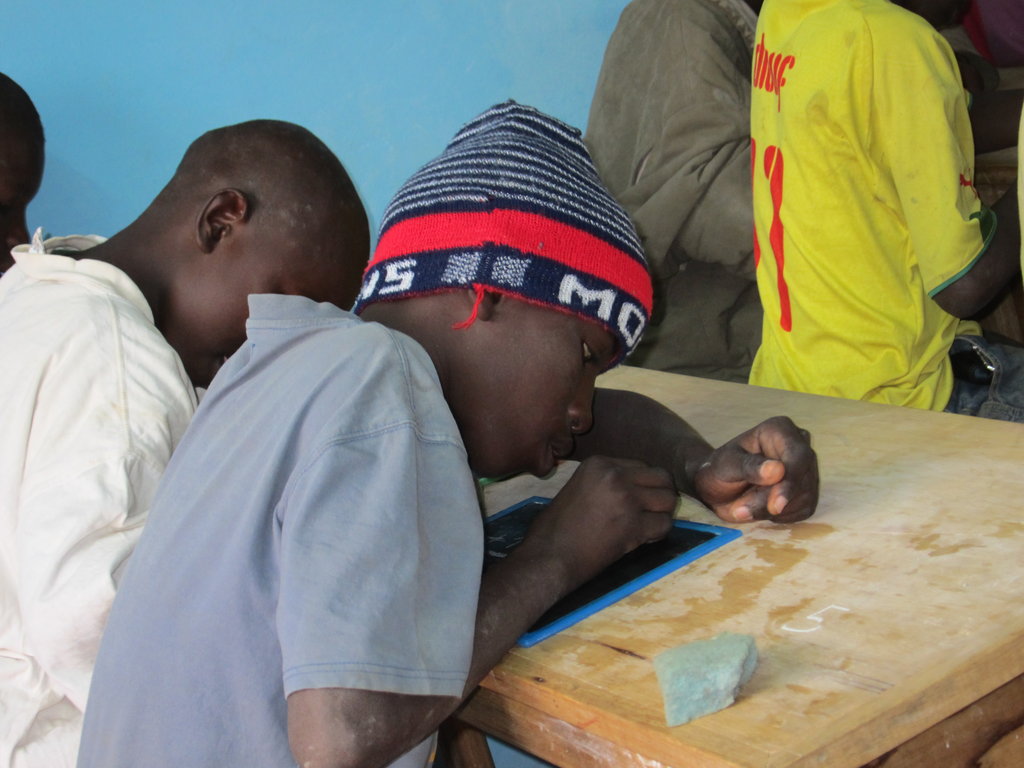
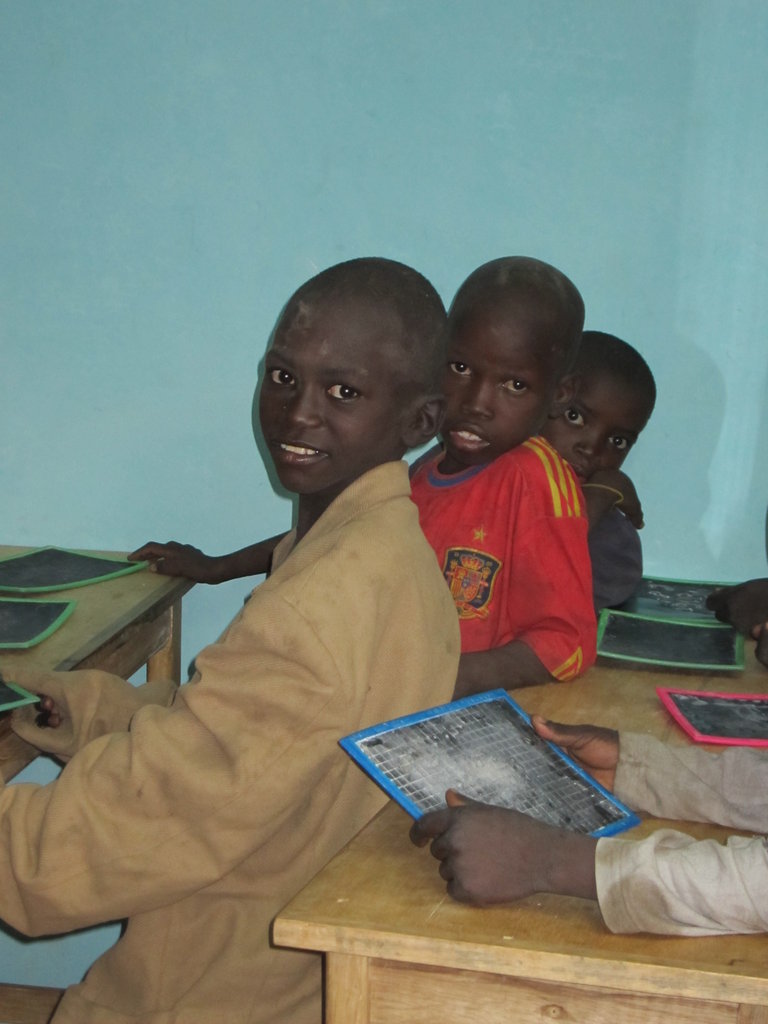
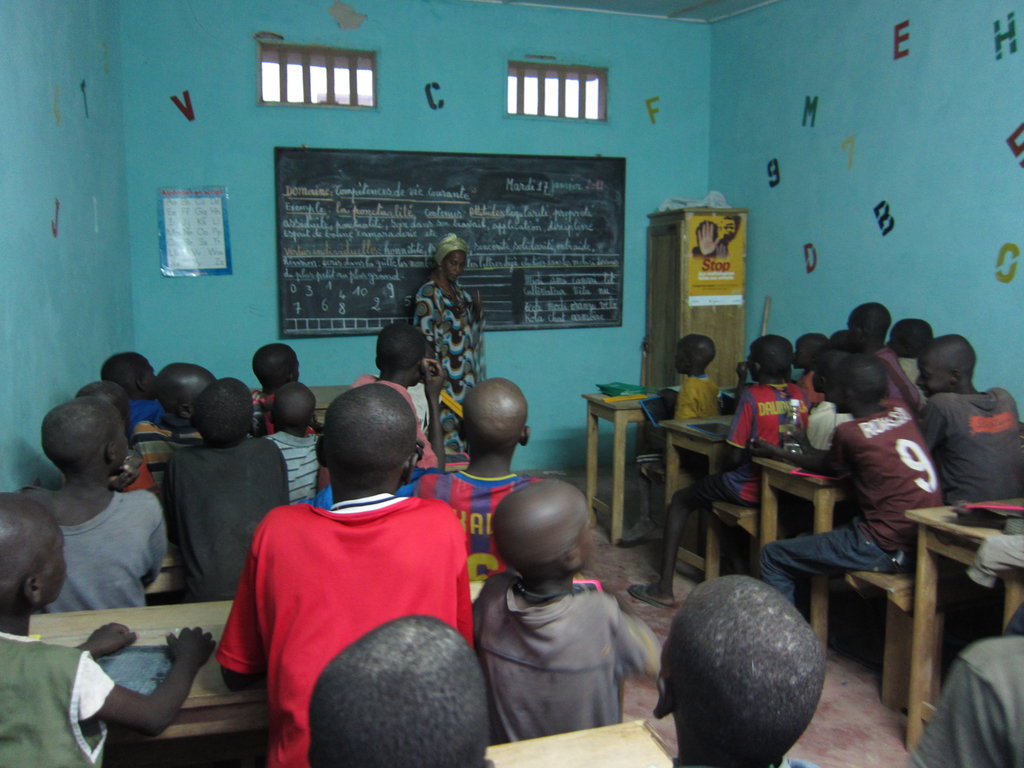
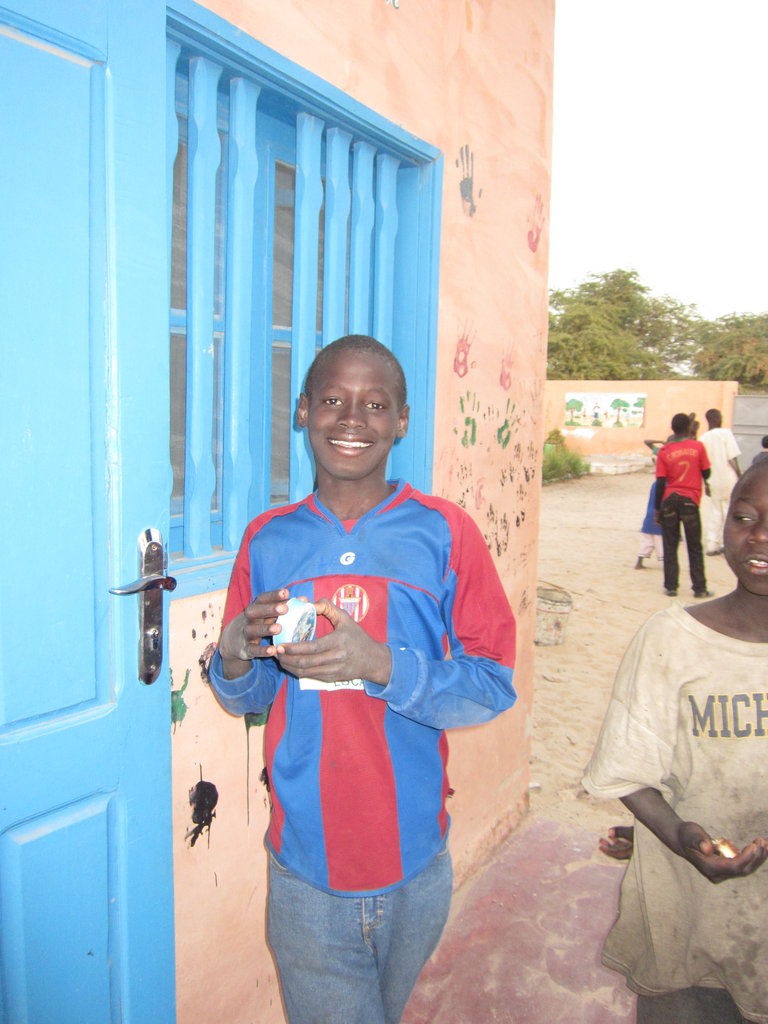
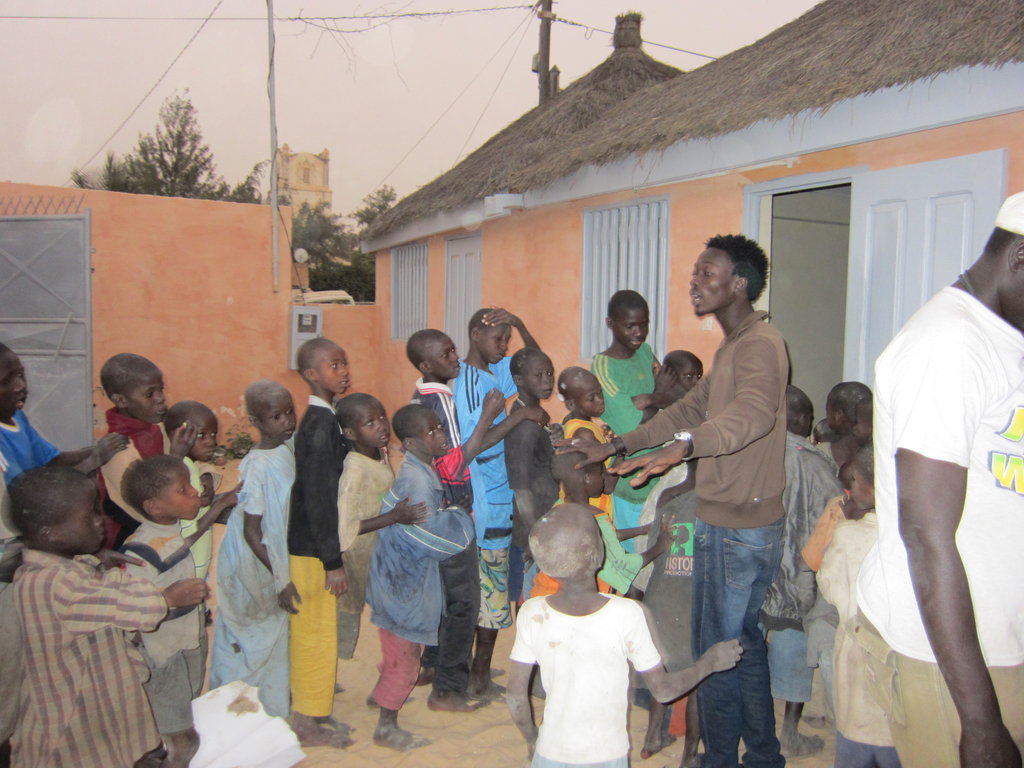
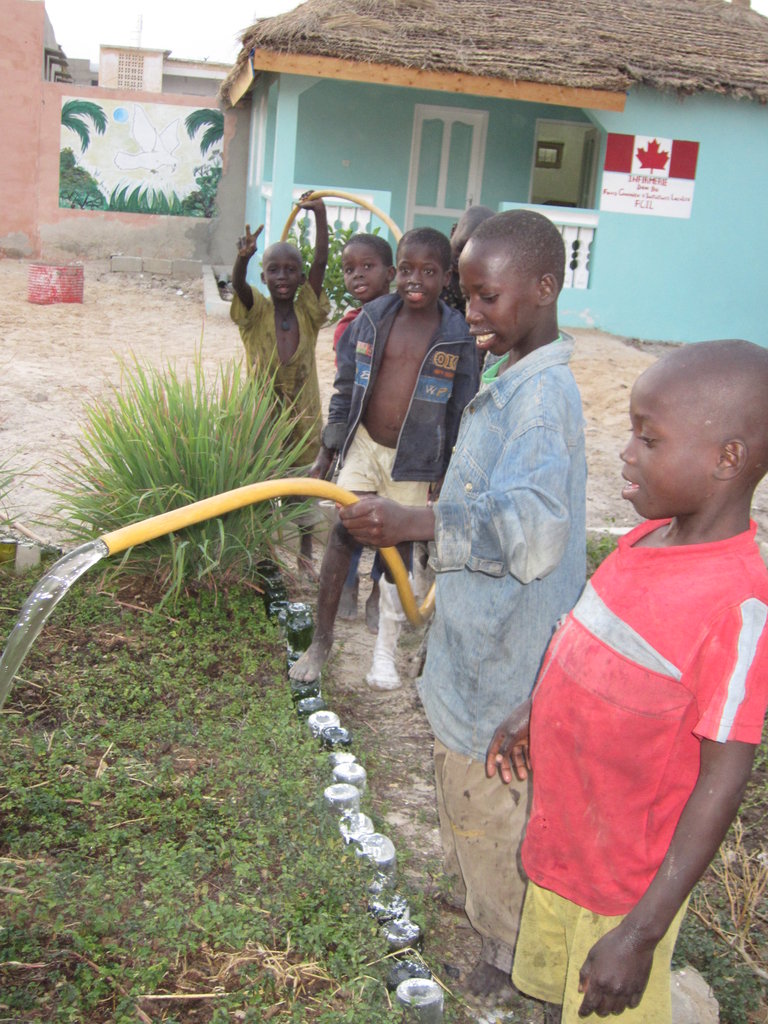
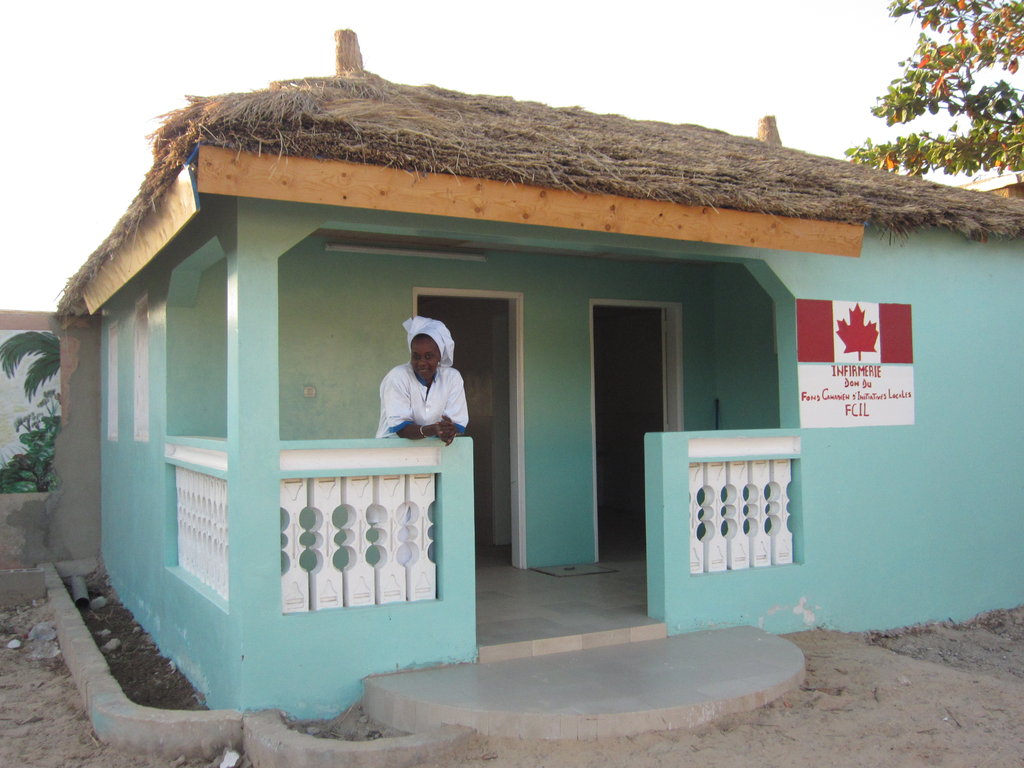
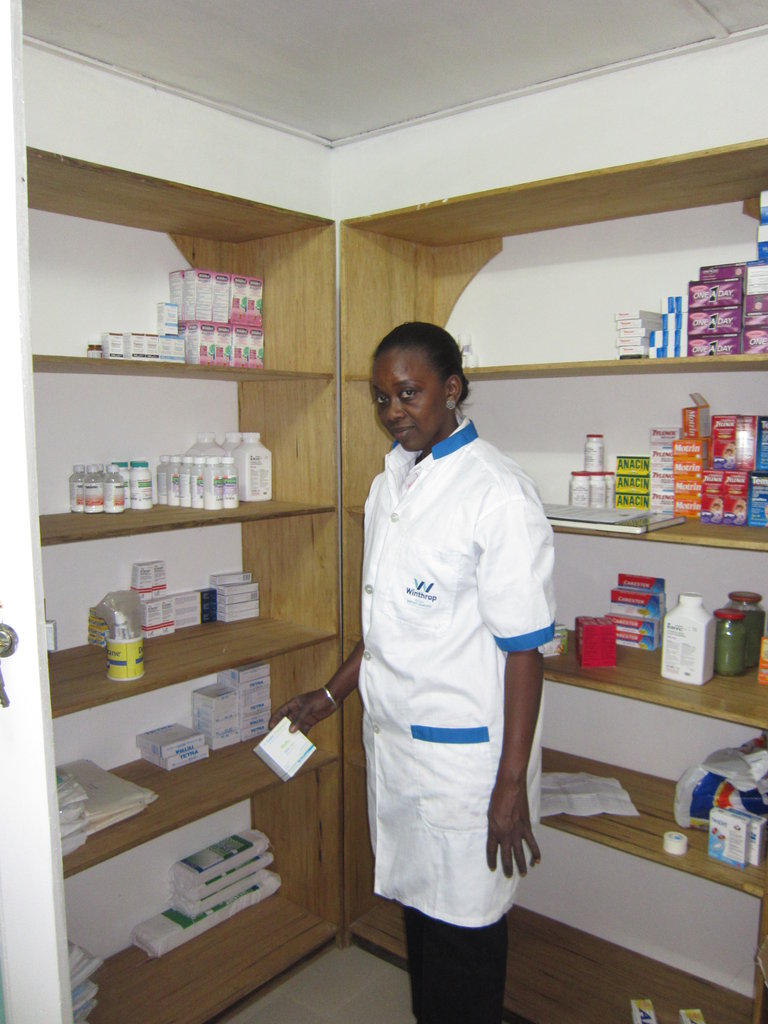
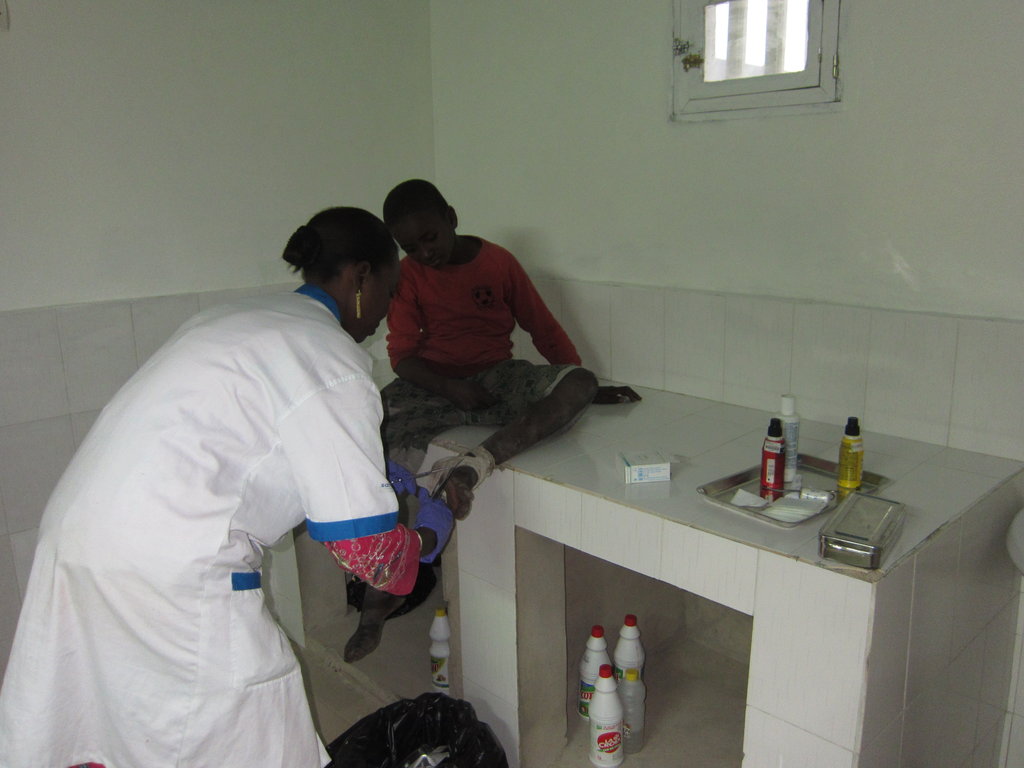
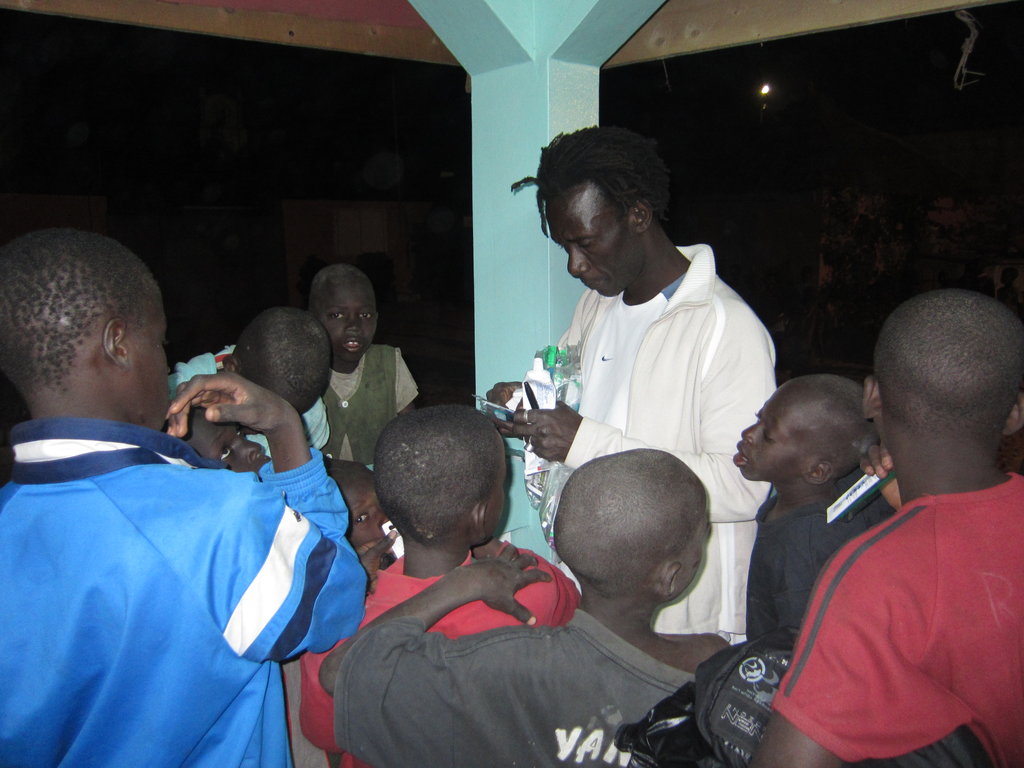
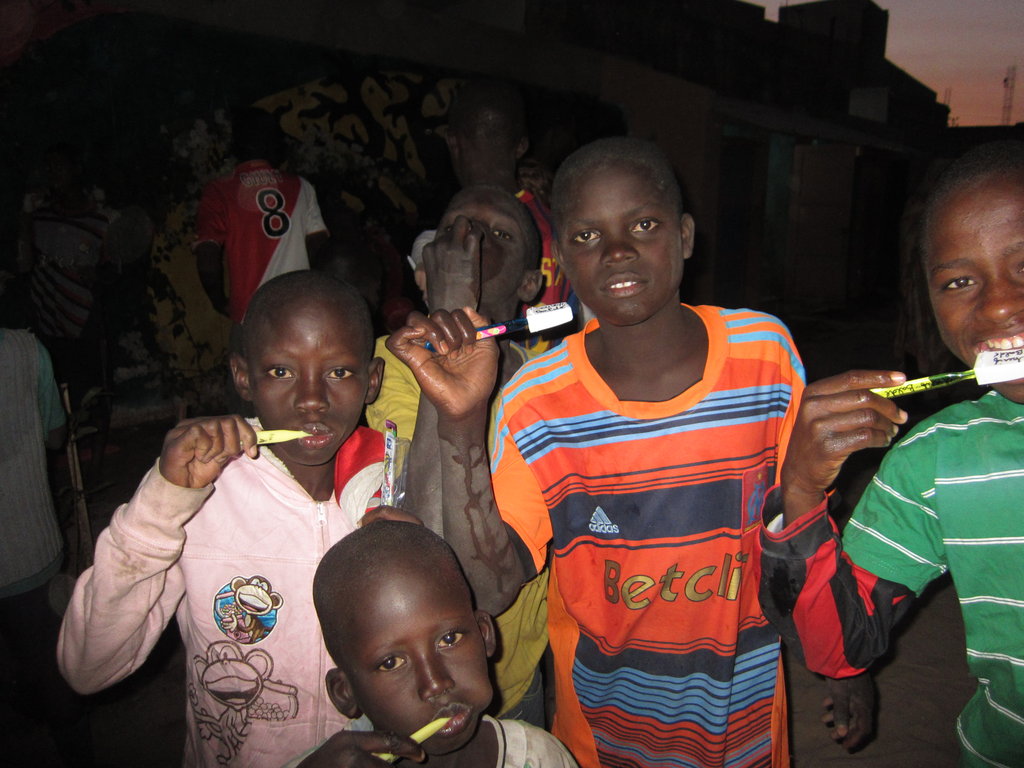
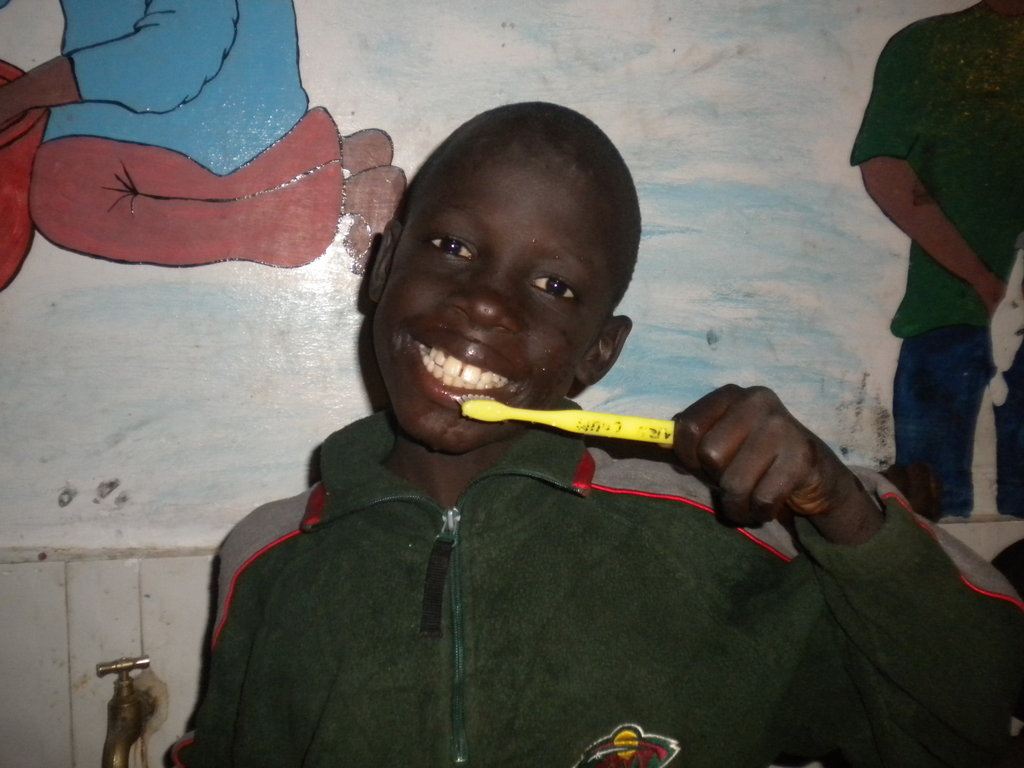
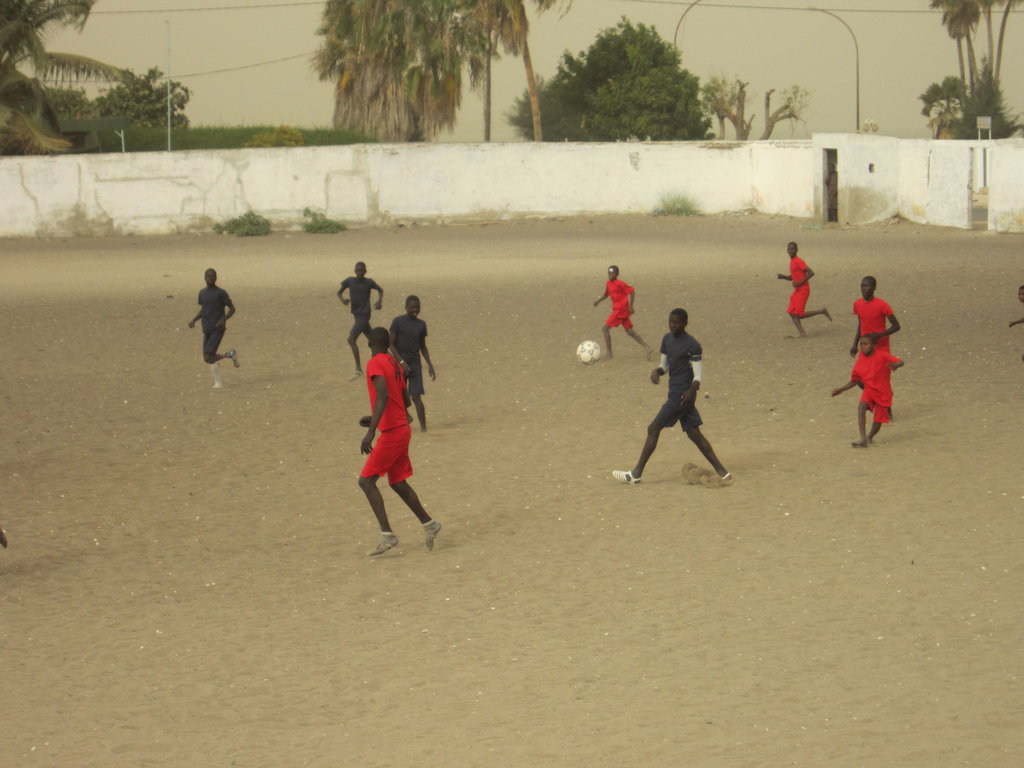
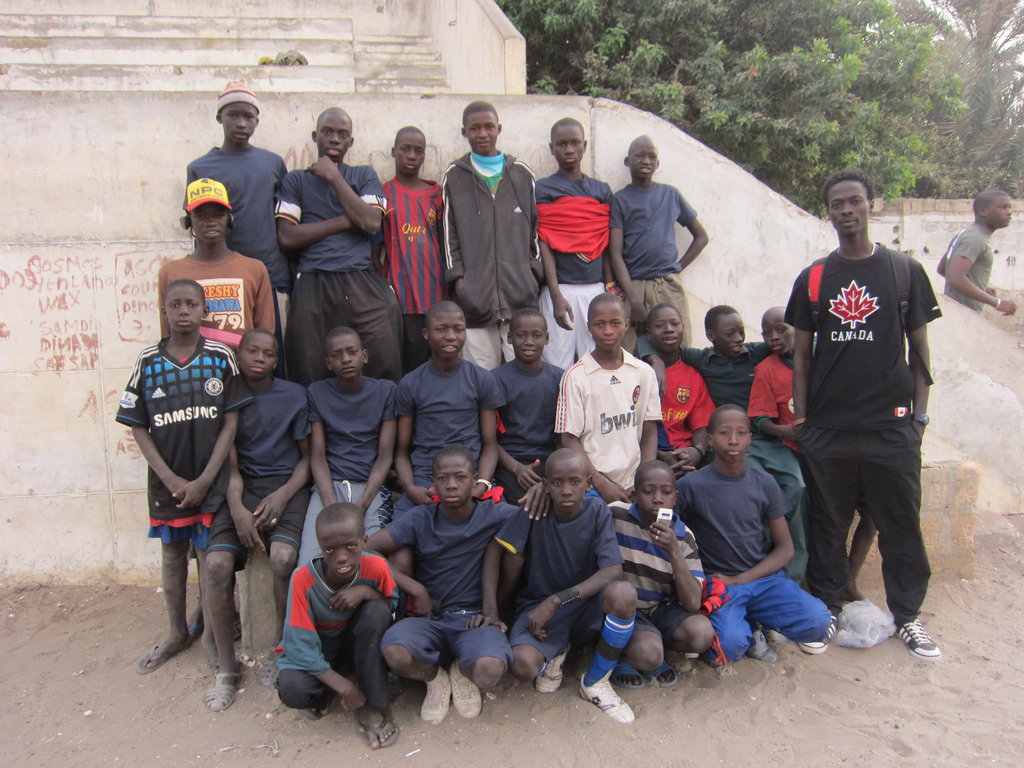
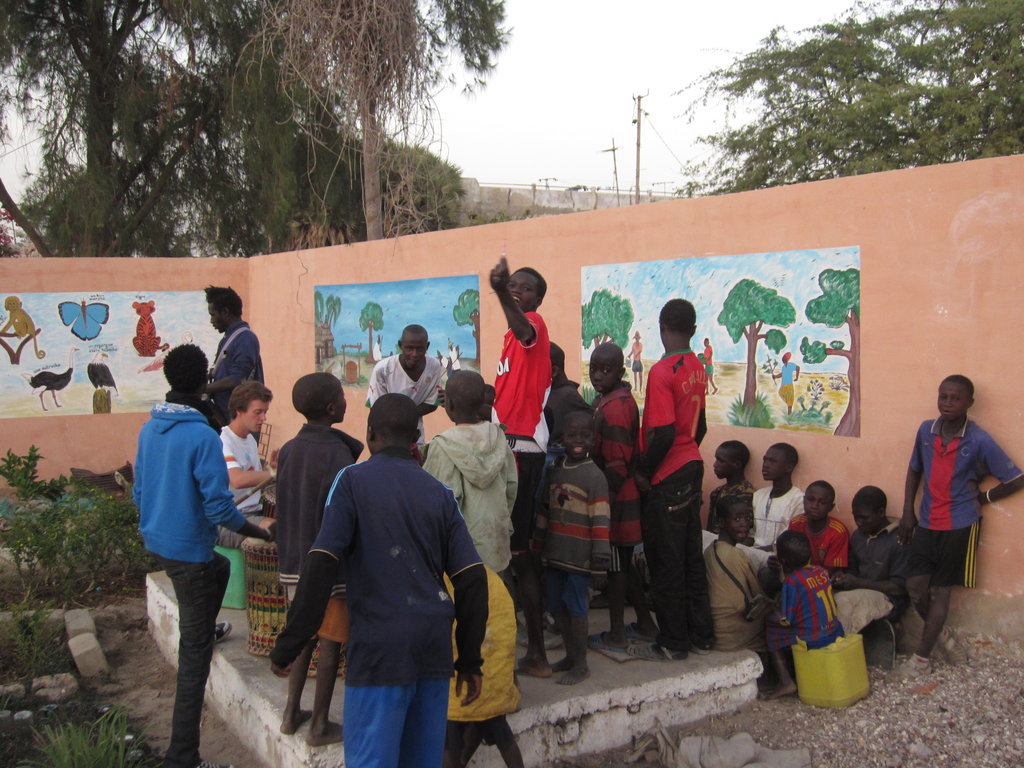
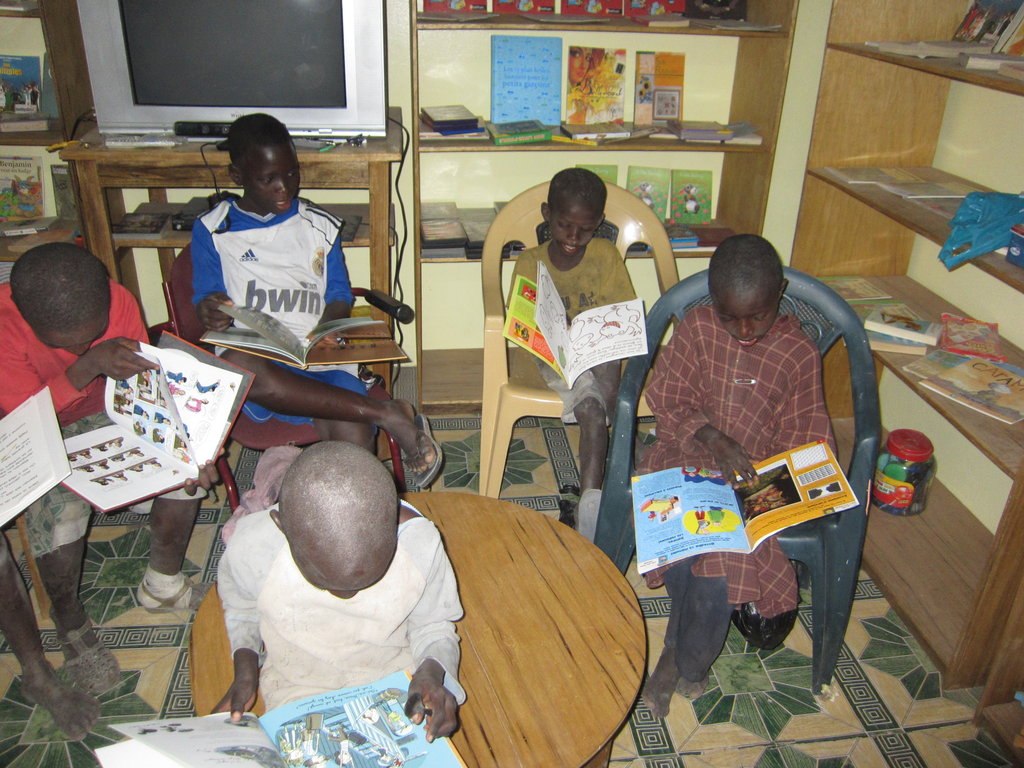
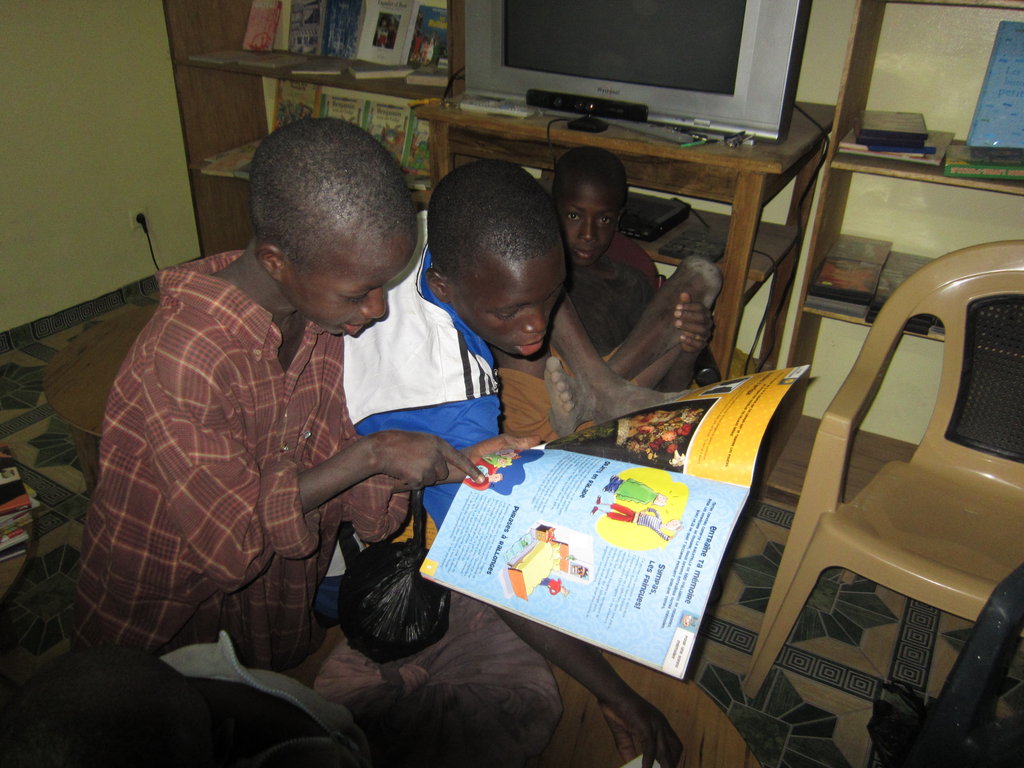
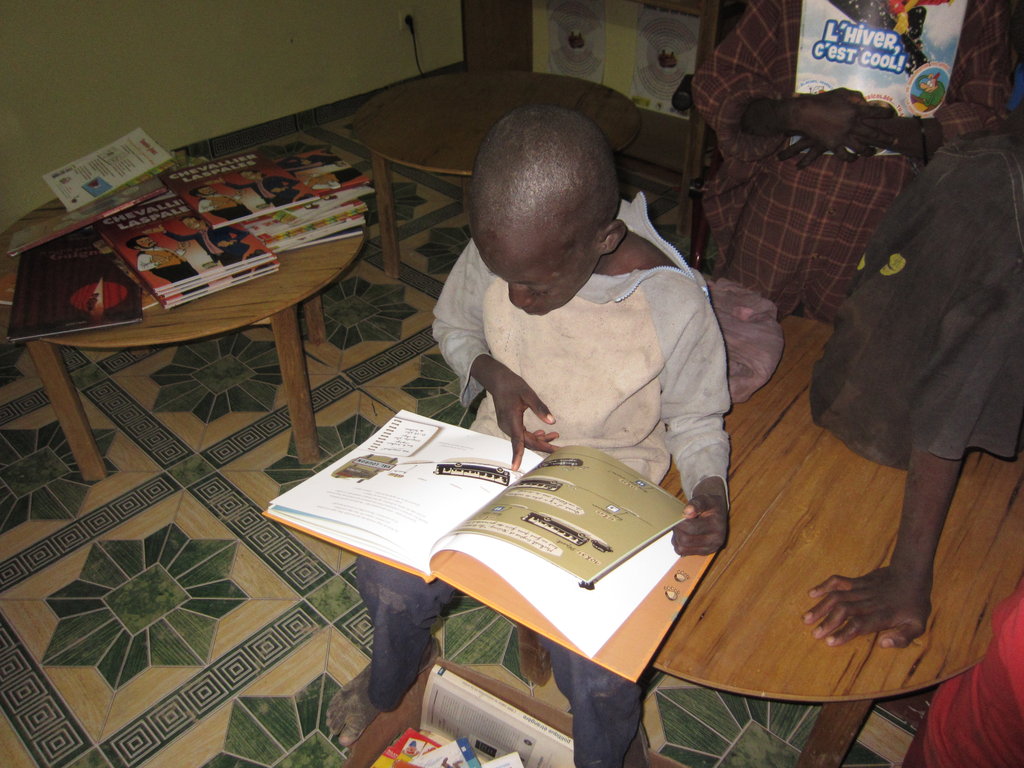
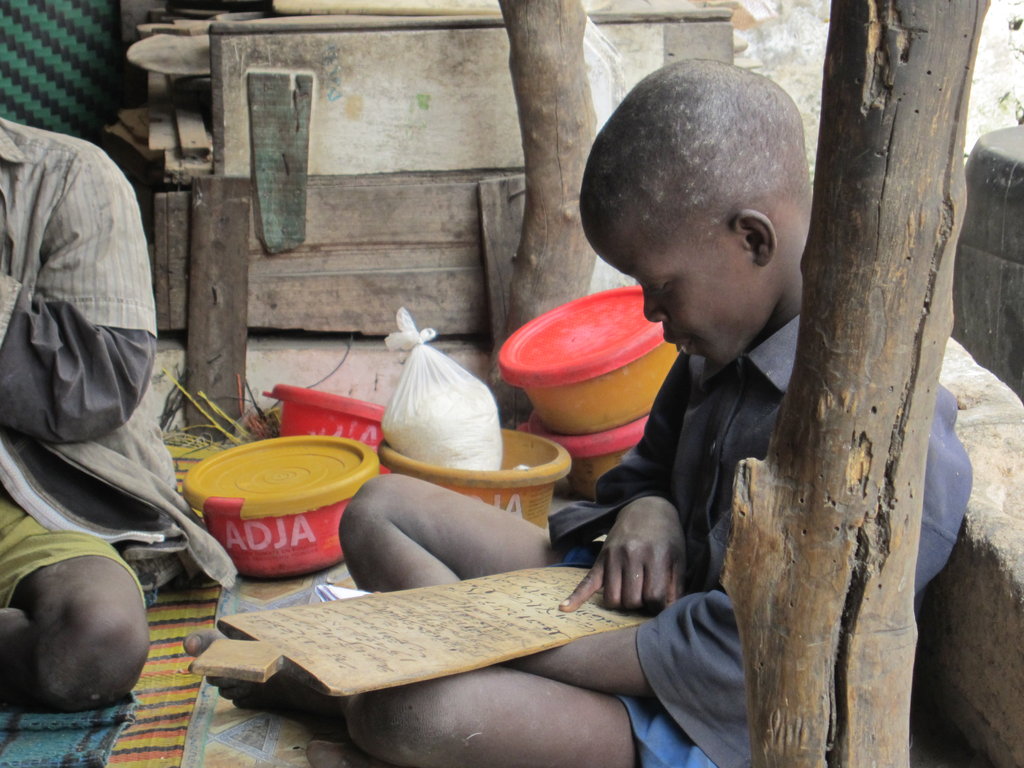
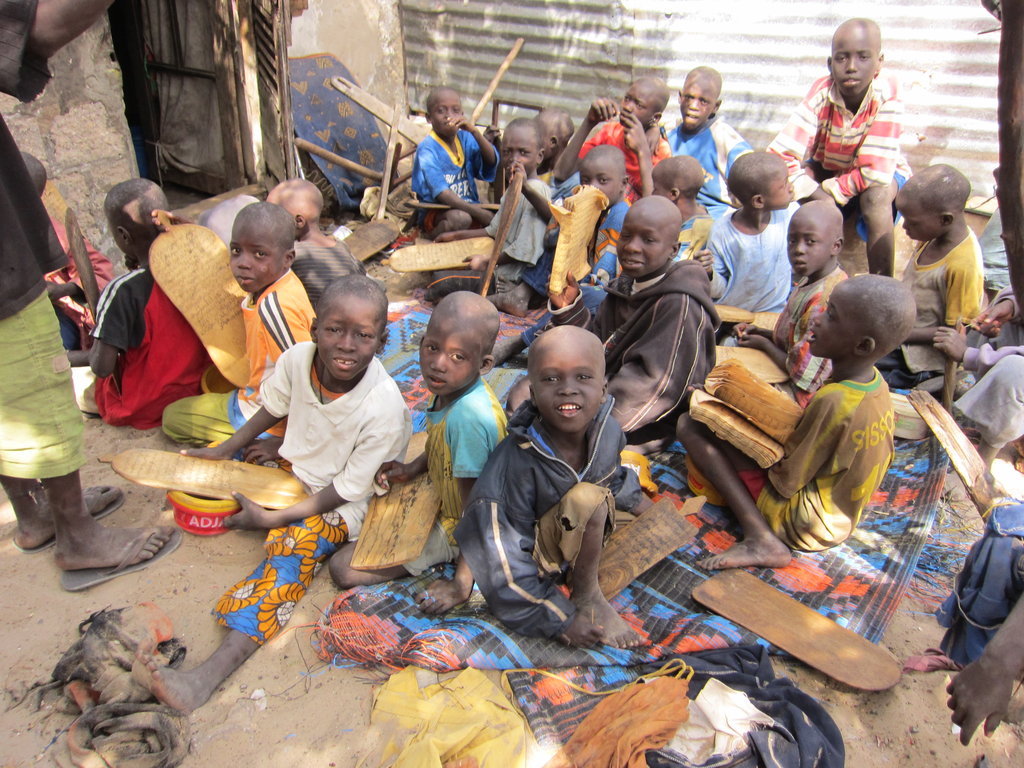
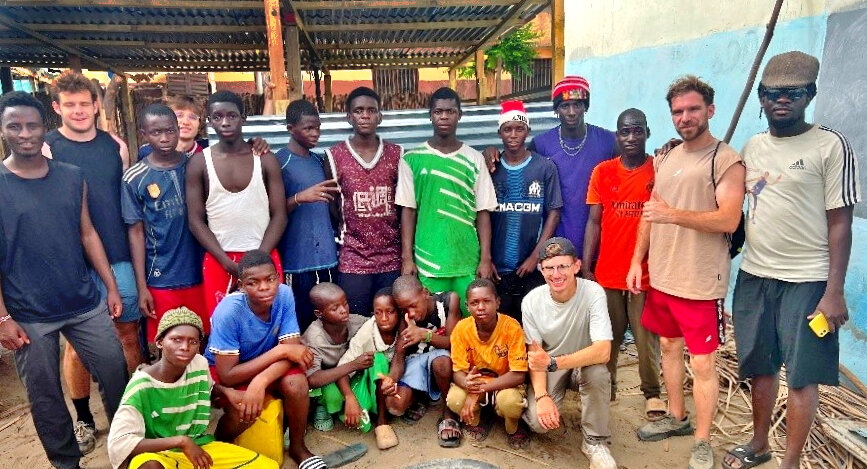
That same evening, I visited Maison de la Gare for the first time. The center was alive, with talibé children coming in for wound care, receiving medicine from the clinic, playing soccer, and gathering around the rhythmic sound of drums played by local artists. It felt like more than a center; it felt like a refuge, a place of temporary relief in lives marked by hardship.
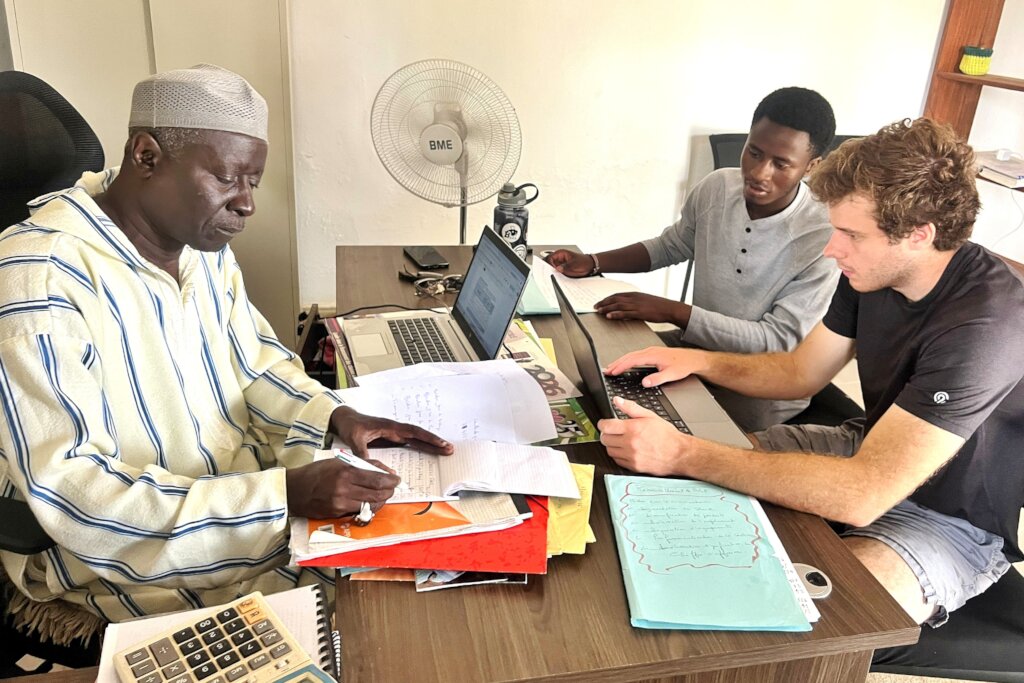
I came to Maison de la Gare to participate in its microfinance program, which has been a lifeline for many vulnerable men and women, helping them build businesses and gain financial independence. Visiting loan beneficiaries has been one of the most inspiring parts of my time here. I have watched women speak with pride about their businesses, their resilience visible in the way they describe their work. Their stories reminded me that economic empowerment is not just about money; it is about dignity, choice, and hope.
Yet, one of my greatest challenges here has been language.
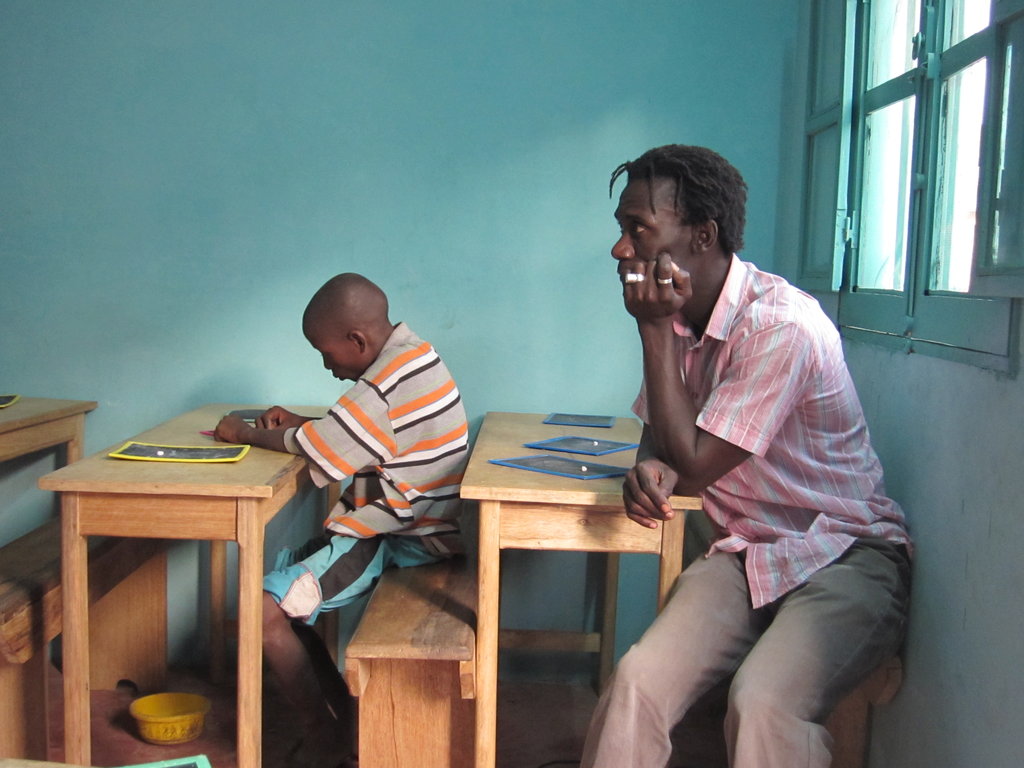
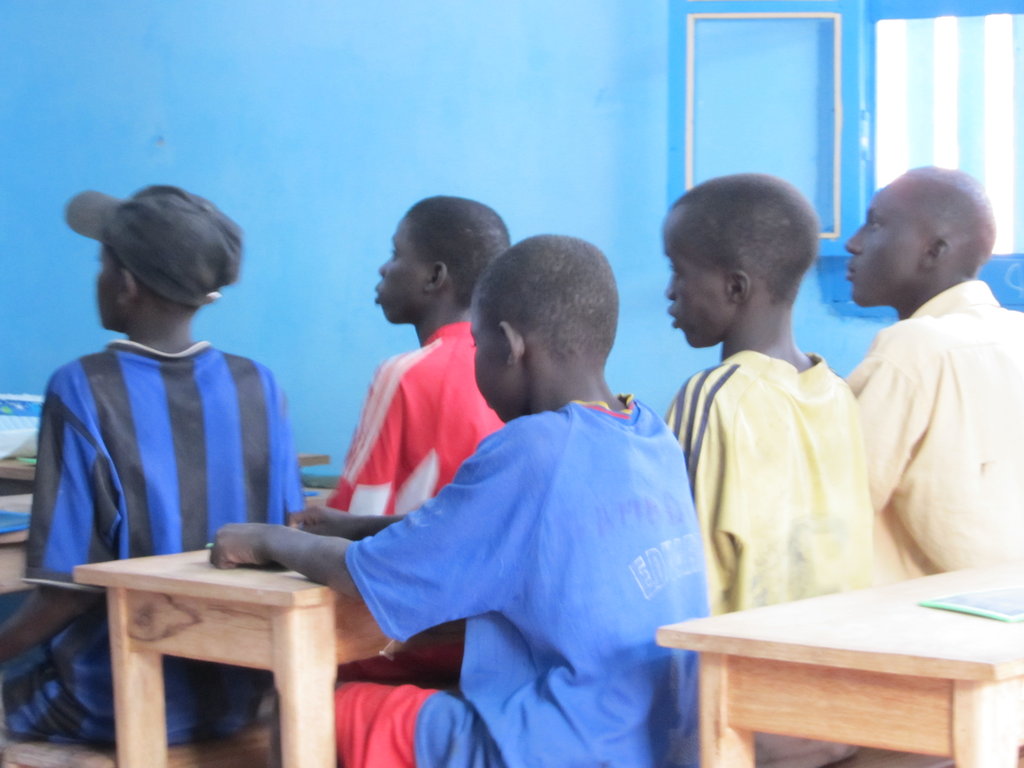
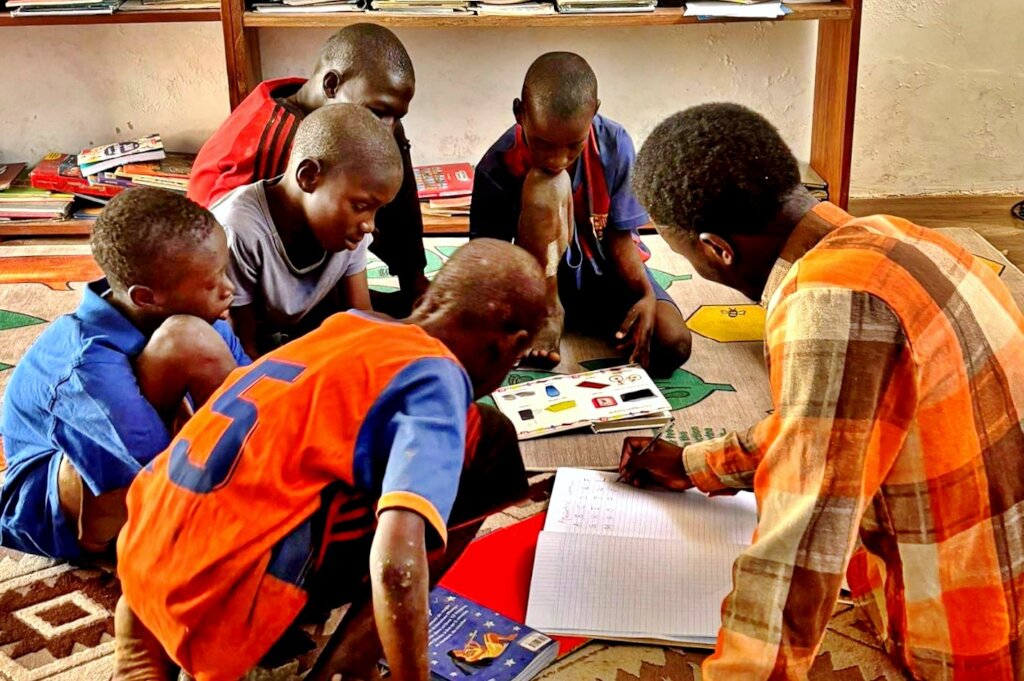
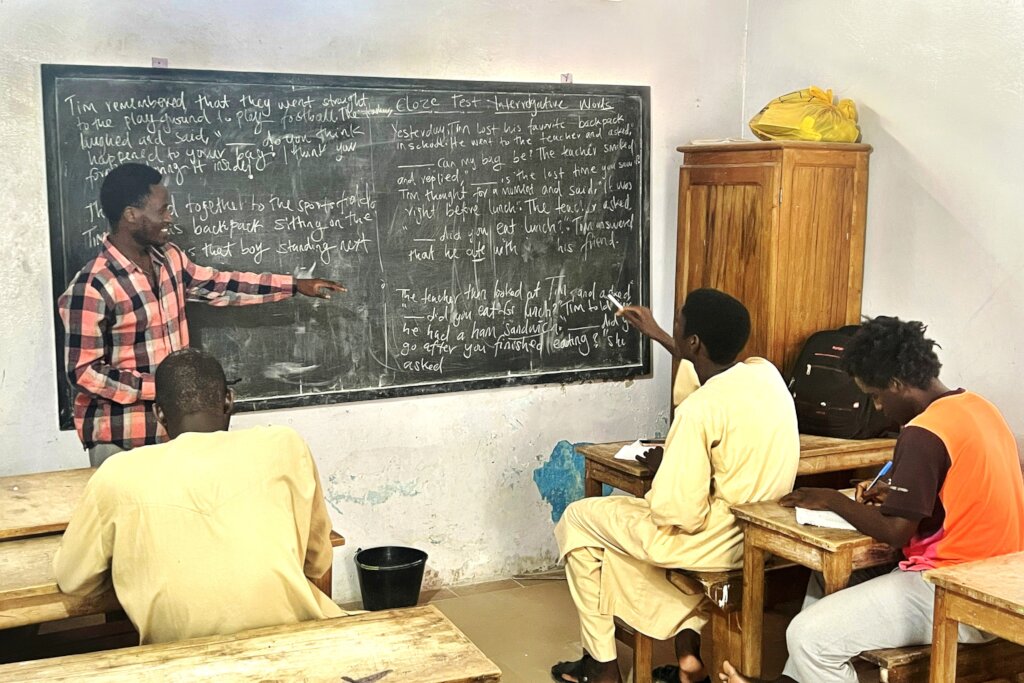
Coming from Kenya to Senegal was already a cultural shift, but language became the barrier I felt most deeply. Here, Wolof and French shape daily life, and I arrived speaking only English with very limited French. In my first week, I often felt disconnected. I was surrounded by people, yet unable to fully enter their world through conversation. At Maison de la Gare, I found myself working with children who spoke neither English nor French, only Wolof. I wanted to know their names, ask how they were doing, hear their stories, and simply sit with them in conversation. But I couldn’t.
That limitation forced me to reflect on something I had never fully appreciated before: how central language is to service and solidarity. To volunteer in a community is not only to offer your labor, it is to build trust, and trust often begins with language.
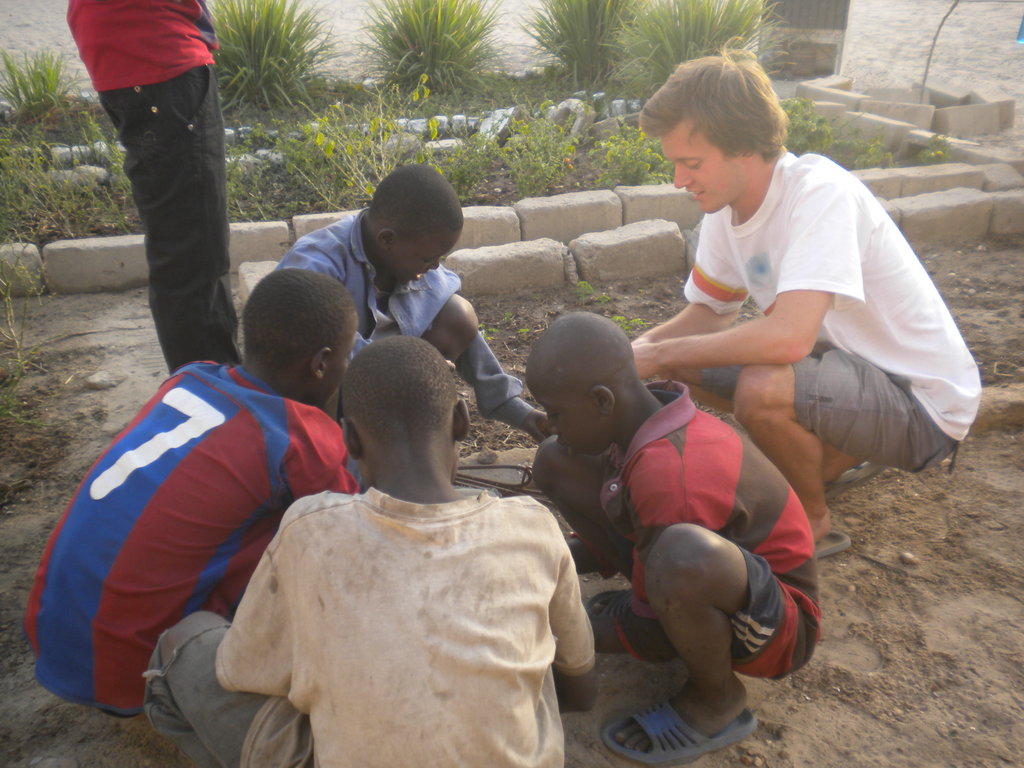
But even in silence, connection found its way.
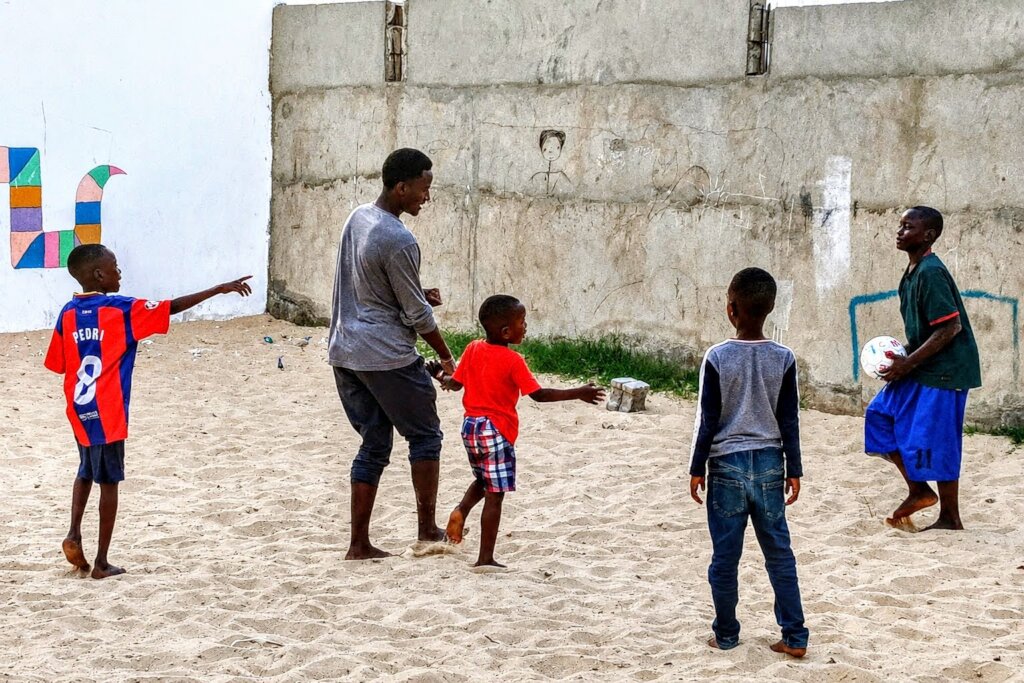
Soccer became our language.
On the field, words mattered less. Through passing, laughing, competing, and celebrating, I began to feel closer to the talibé children. It reminded me that human connection is bigger than vocabulary. Sometimes, presence itself is enough.
Still, there have been moments here that have been incredibly difficult to witness.
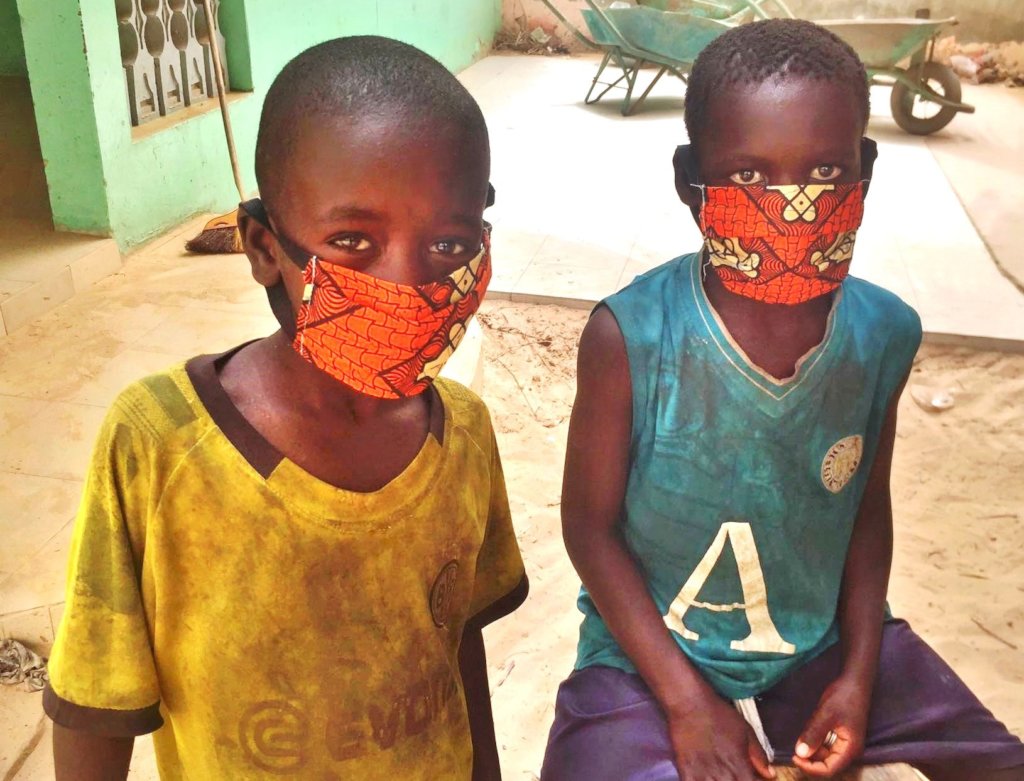
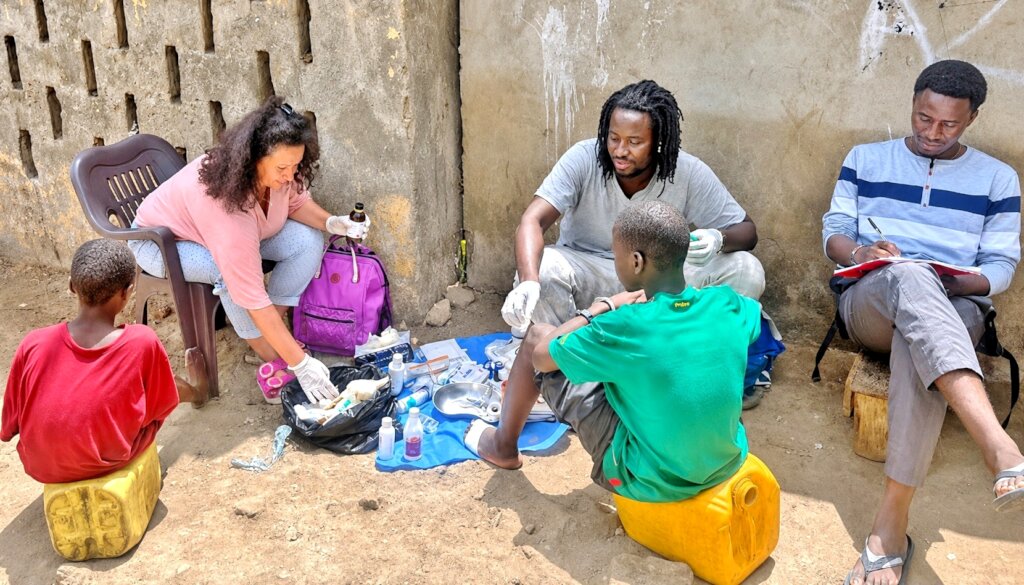
At the clinic, I have seen young boys come in with scabies, infected wounds, and visible signs of neglect, conditions shaped by the harsh realities they endure. Seeing children suffer like this has been heavy. There is a particular helplessness that comes with wanting to do more than you can. I often find myself wishing I could change their circumstances entirely, send them home, put them in school, give them the safety every child deserves. But the reality is more complex. I am only here for a short time, and some problems cannot be solved by compassion alone.
Questions without easy answers
Being here has made me wrestle with difficult questions.
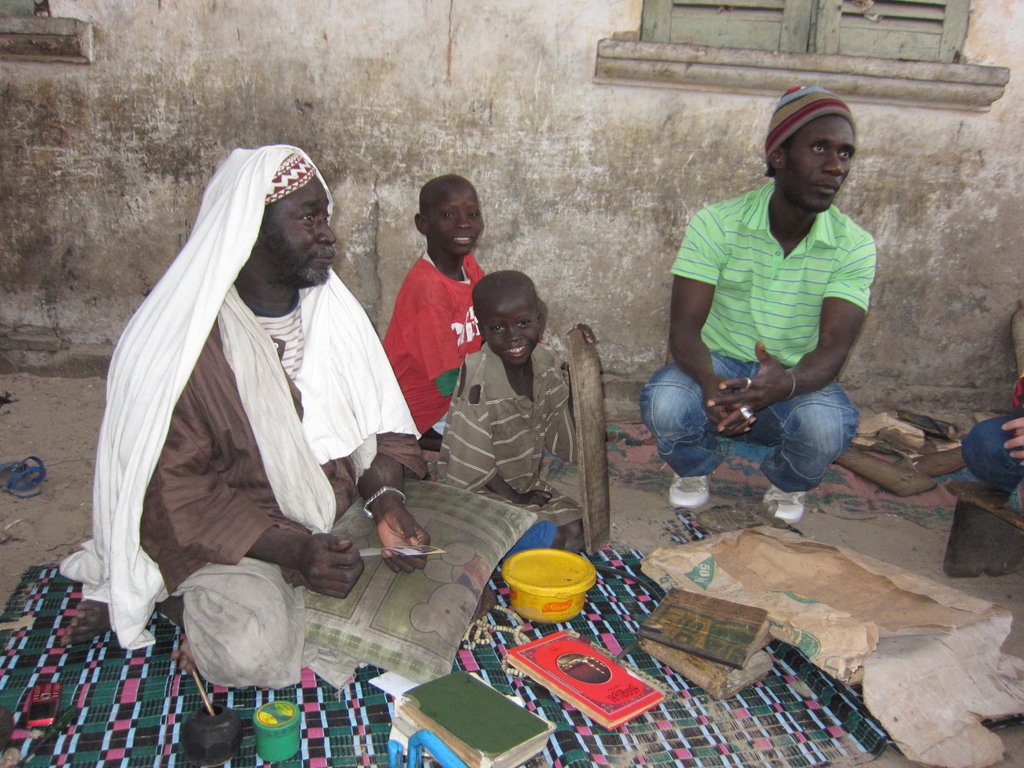
Why does this continue? Why do children sleep outside, beg for food, and go without healthcare in plain sight? Why does society normalize it? What role does the government play? These are questions I carried strongly at first. But as I’ve listened more to community members, staff, and those who understand the system better than I do, I have realized how deeply rooted these issues are. The daara system is intertwined with religion, culture, poverty, and history. It would be easy for me, as an outsider, to condemn what I see. But I am learning that understanding must come before judgment.
I came here thinking I might find answers. Instead, I am learning to sit with complexity.
And perhaps that is one of the most important lessons of this experience: humility.
Humility to recognize that I do not fully understand this place after only four weeks. Humility to listen before speaking. Humility to accept that meaningful change is often slow, layered, and collective.
Beyond the difficult moments, there has also been so much beauty.
I have experienced the communal spirit of Senegal through everyday life, sharing meals with my host family, watching soccer matches with crowds of passionate fans, visiting daaras alongside the nurse “Américain” to treat children, and helping distribute snacks at Maison de la Gare. In these moments, I have witnessed the strength of community, the joy people hold even amid struggle, and the resilience that defines life here.
This experience has stretched me in my assumptions, my patience, and my understanding of what it means to serve. It has reminded me that volunteering is not about “saving” anyone. It is about showing up, learning, listening, and allowing yourself to be transformed by the people you came to serve.
Four weeks in, I know I still have much to learn.
But already, Saint Louis has taught me this: humanity is often found in the spaces between difference, in shared meals, in soccer matches, in wounds being dressed, and in the quiet effort of trying to understand one another.”
Links:
Project reports on GlobalGiving are posted directly to globalgiving.org by Project Leaders as they are completed, generally every 3-4 months. To protect the integrity of these documents, GlobalGiving does not alter them; therefore you may find some language or formatting issues.
If you donate to this project or have donated to this project, you can receive an email when this project posts a report. You can also subscribe for reports without donating.



Support this important cause by creating a personalized fundraising page.
Start a Fundraiser