By Kim McCoy | Executive Director
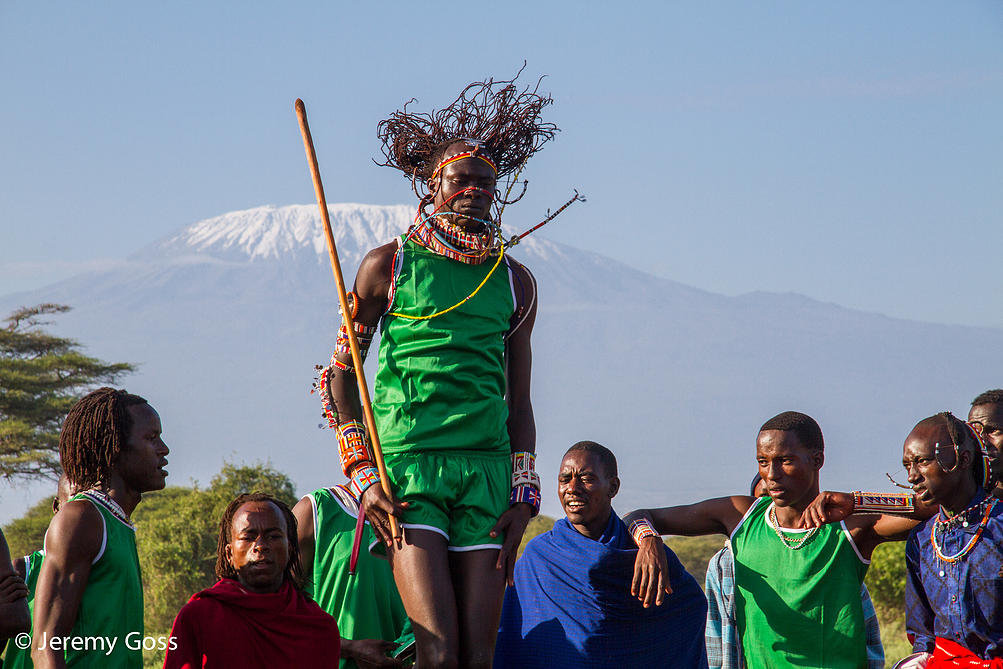
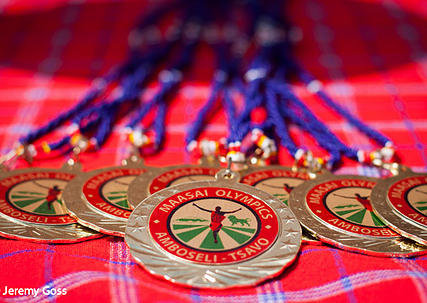
Thanks to your generosity, Big Life Foundation's Maasai Olympics were held on Saturday, December 10, 2016 in Kenya under the shadow of a snow-capped Mount Kilimanjaro.
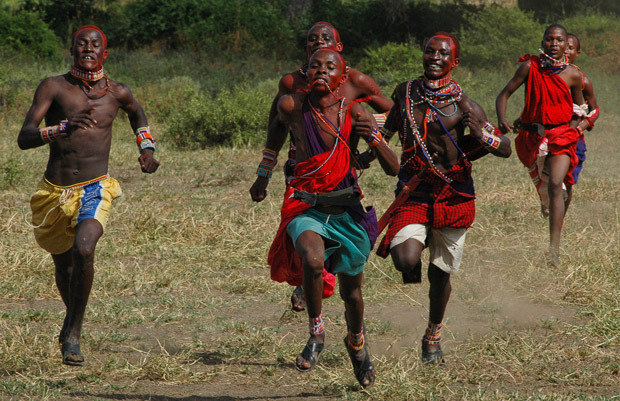
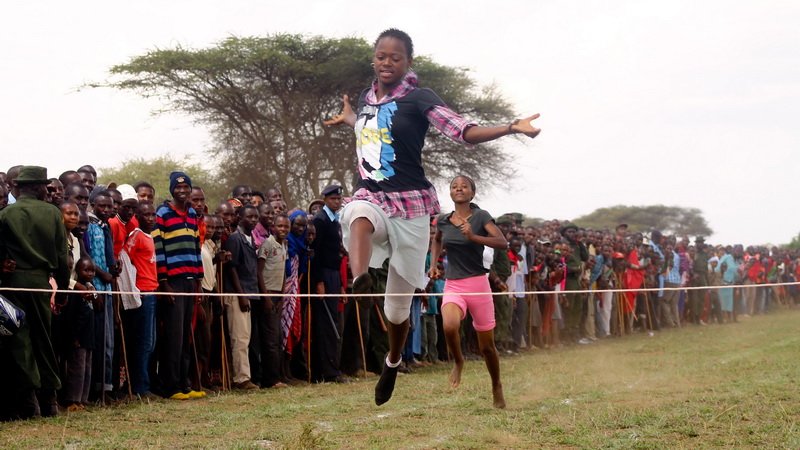
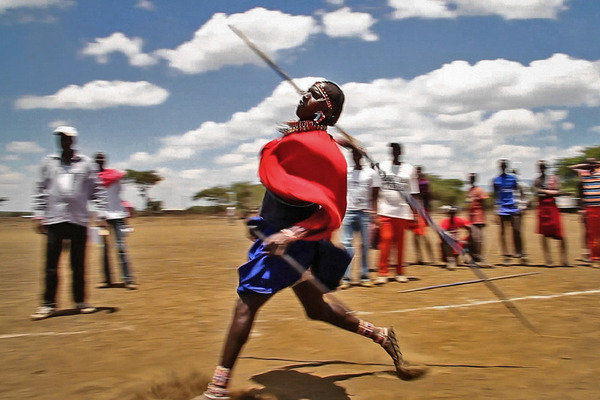
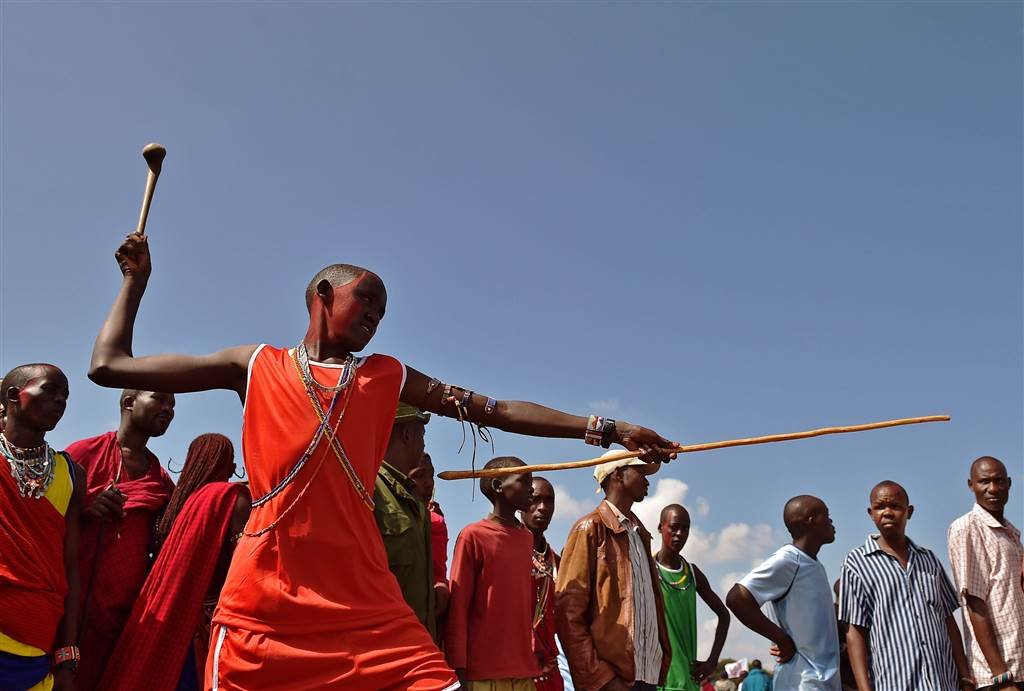
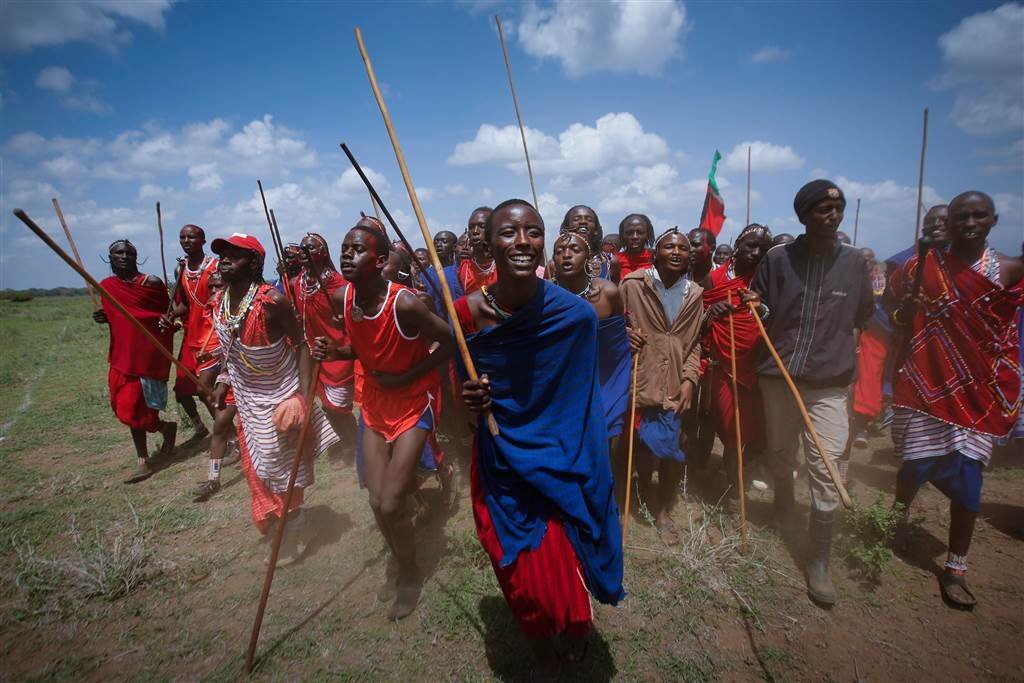
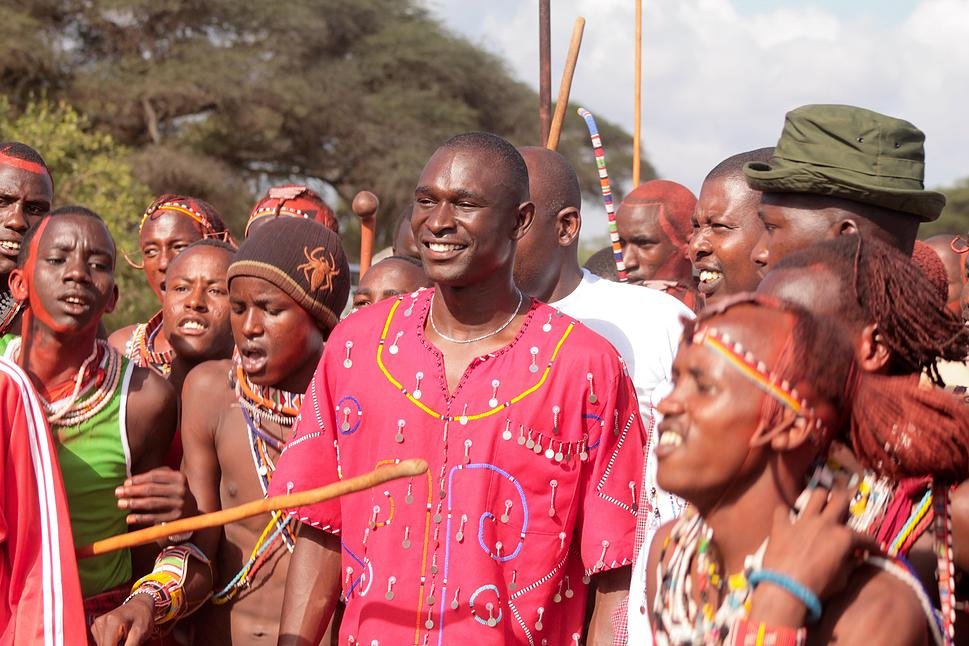
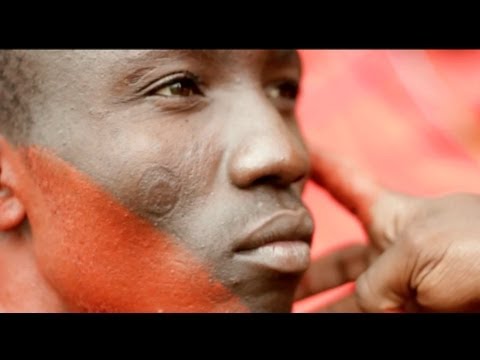
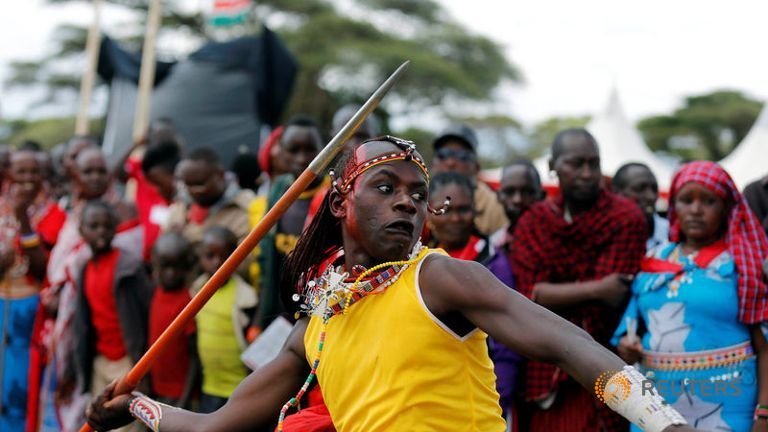
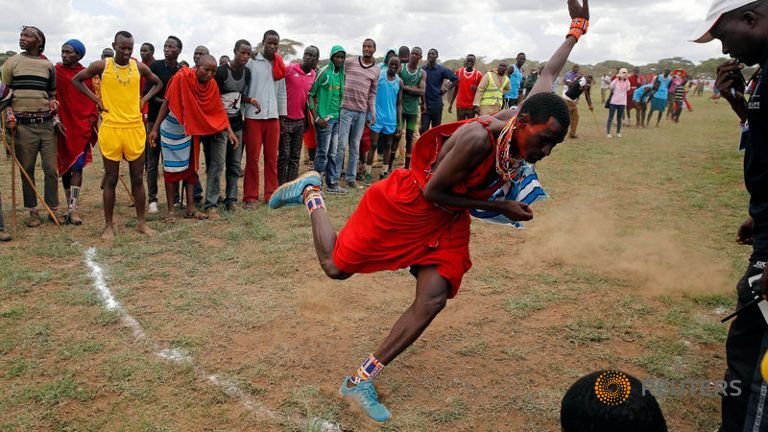
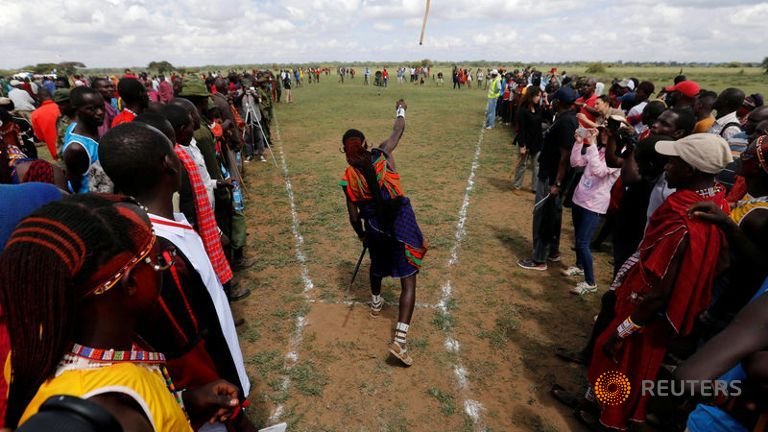
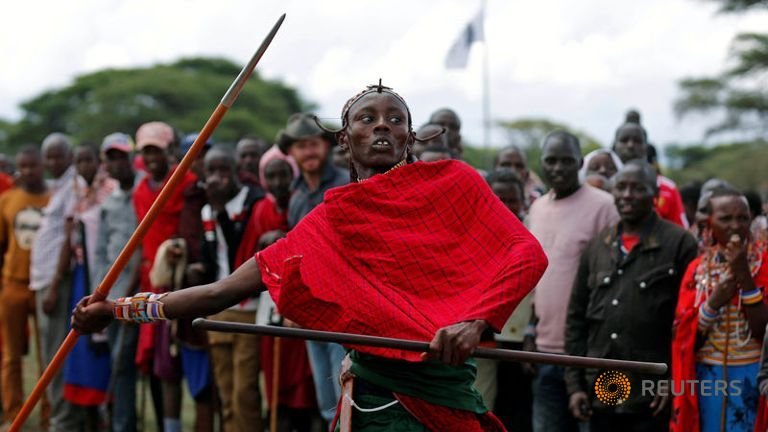
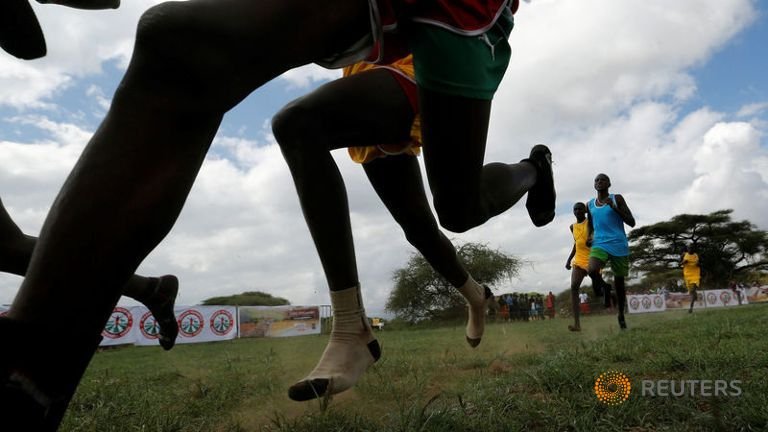
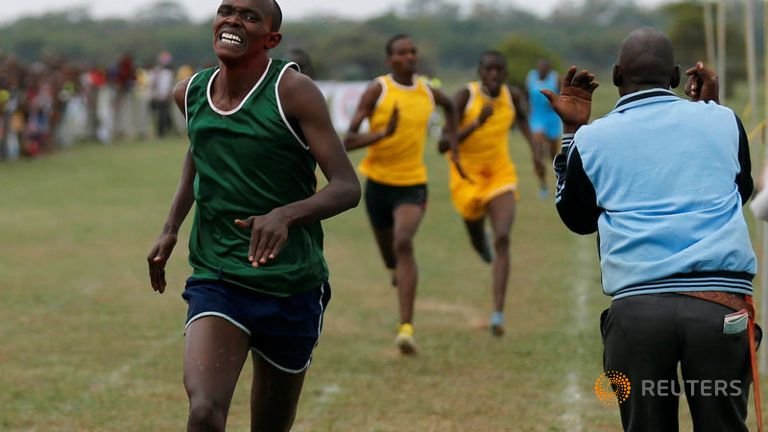
Hundreds were present to take part in a ritual that marks their coming of age. But those vying to become a 'moran', or warrior were not there to kill lions with spears as their ancestors did. Instead, they hurled their javelins, aimed their rungus, and ran with the speed and spirit of their ancestors.
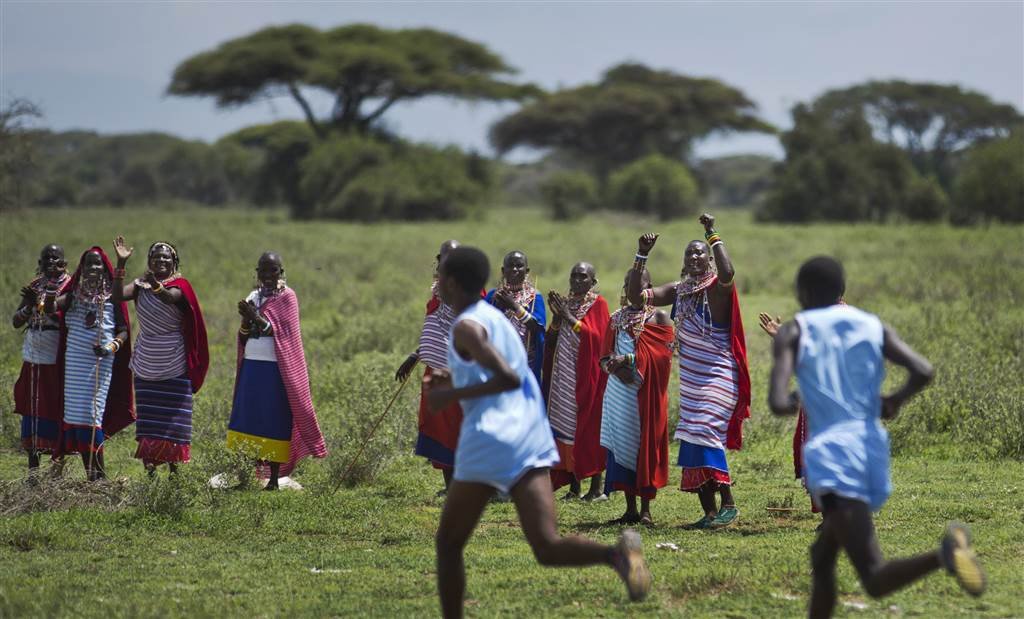
While spending time on the ground with our staff and anti-poaching rangers, I was fortunate to be able to attend in person. It was truly an emotional day of colorful spectacle and passionate cheering, with a focus on lion conservation.
All in attendance were witness to the willing embrace of new cultural traditions. The spirit of hope and positive change crackled throughout the air. Global and regional media were in attendance.
This unique event (which is held once every two years) is the culmination of months of conservation education and warrior competitions. As the day progressed, it came down to the final sporting event, and the crowd members, including myself, were witness something truly special. It was a fight that went to the very end. Two warriors locked in battle, matching each other’s every move.
The Mbirikani manyatta, or warrior village, were winners of the previous two Maasai Olympics finals (held in 2012 and 2014), and favourites to do it again. Rombo were the underdogs, having placed last in 2014 and been the pushover opponents in the lead-up regional competitions this year.
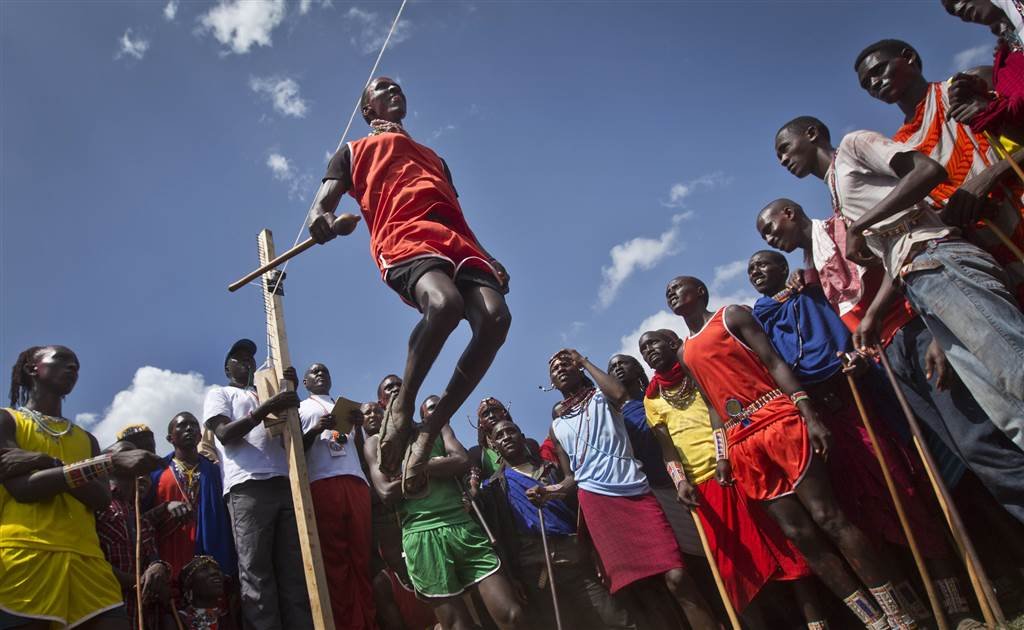
The two teams went into the much anticipated final event, the standing high jump, neck and neck, with Mbirikani at 11 points and Rombo ahead by one at 12. The chanting started, and as the bar went up, jumpers dropped out one by one until just three remained: two from Mbirikani and one from Rombo. It looked like another victory for Mbirikani, but disaster struck on the next jump as one of their warriors landed on the bar-stand and cut his foot.
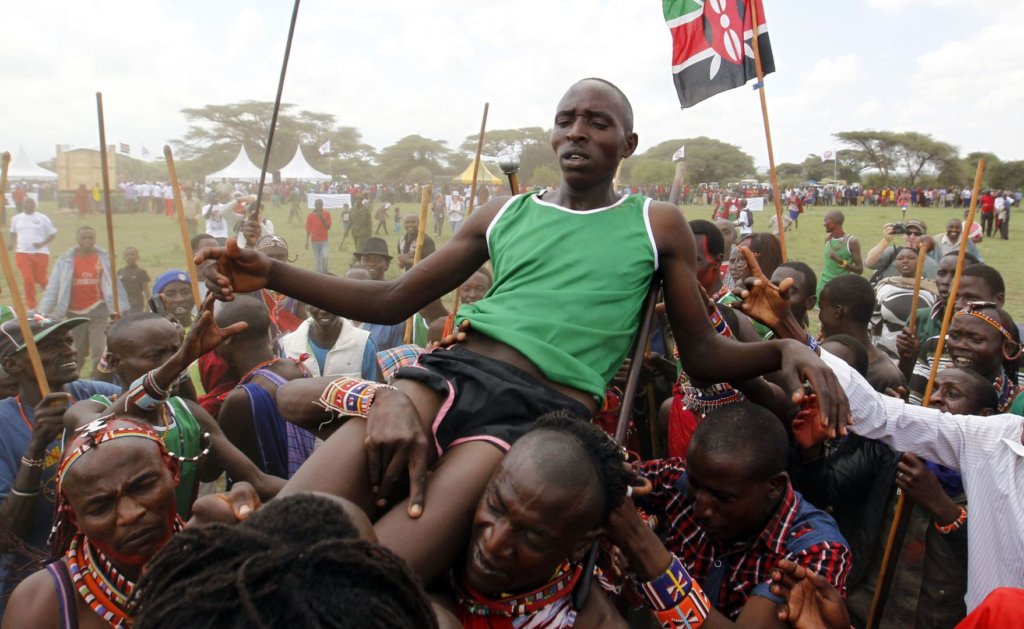
It was down to two. At stake was the trophy and the valuable prize of a breeding bull, but of equal importance were bragging rights as the strongest warriors in the ecosystem. The crowd crushed in on the barriers, people climbing whatever they could to get a view of their heroes. Leyian from Mbirikani faltered at 10 feet 5 inches. Kuya from Rombo failed twice at that height, before pulling out an unbelievable jump that sent him to 10 feet 6 inches, and his team into a jumping, chanting Maasai celebration.
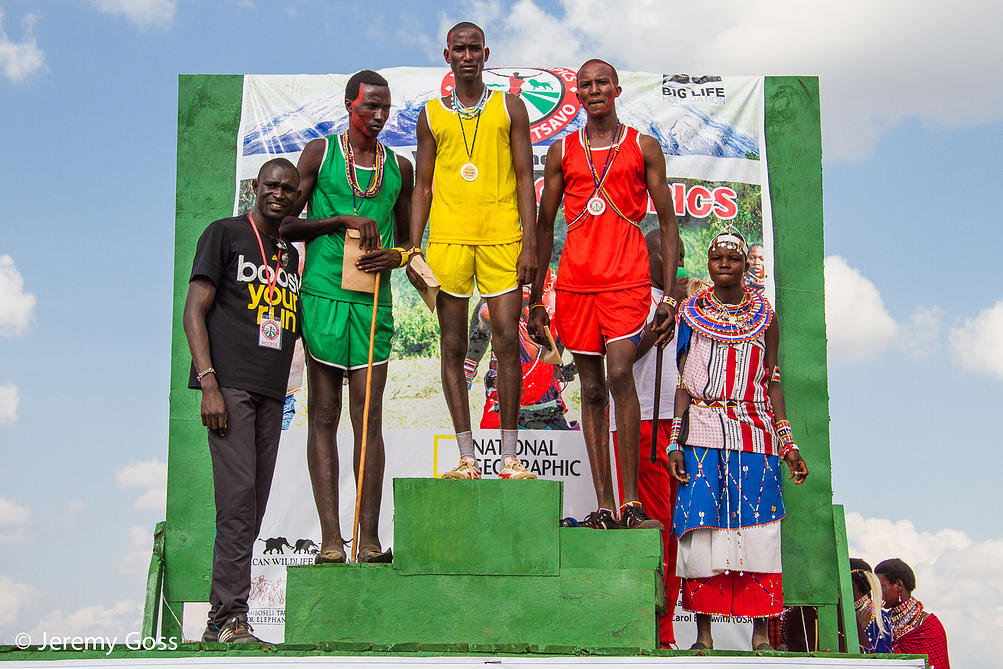
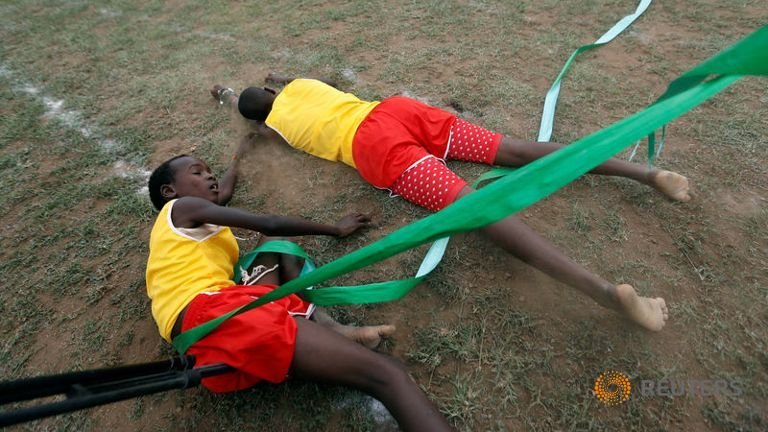
It was a dramatic end to the day that had seen athletes, both male and female, compete in a variety of track events, including the javelin throw for distance and the rungu (wooden club) throw for accuracy. Rombo not only won the day, but they also won the conservation scholarship prize (worth $2,600), which was awarded because their warrior village had not killed any lions that year. Two athletes, the winners of the 800 m and 5000 m races, will be running in the New York Marathon next year.
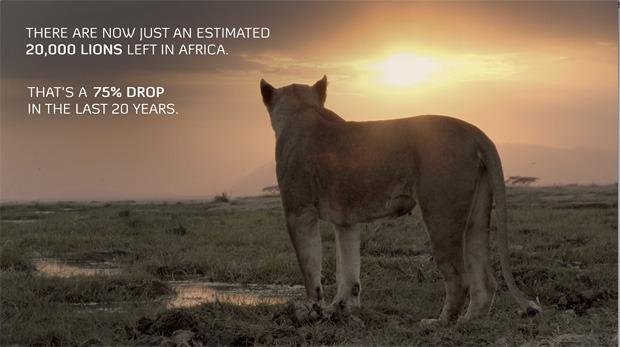
The message of the day was clear in the speeches by local dignitaries and the patron of the event, Kenyan Olympic double gold medallist David Rudisha: lions and other animal species are worth more alive than dead. And this is what the Maasai Olympics is about, a way to create heroes without killing lions.
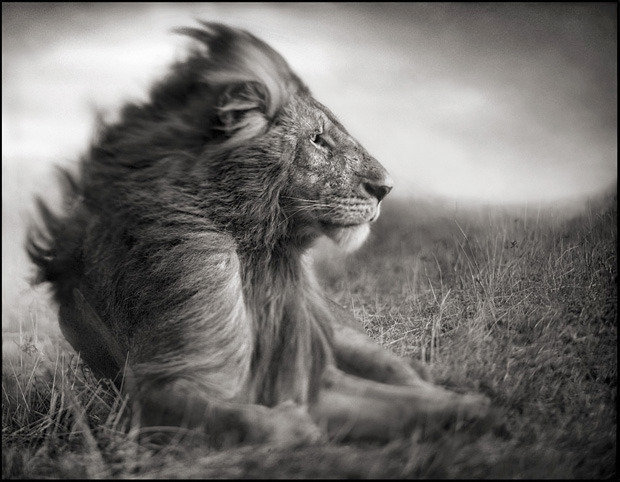
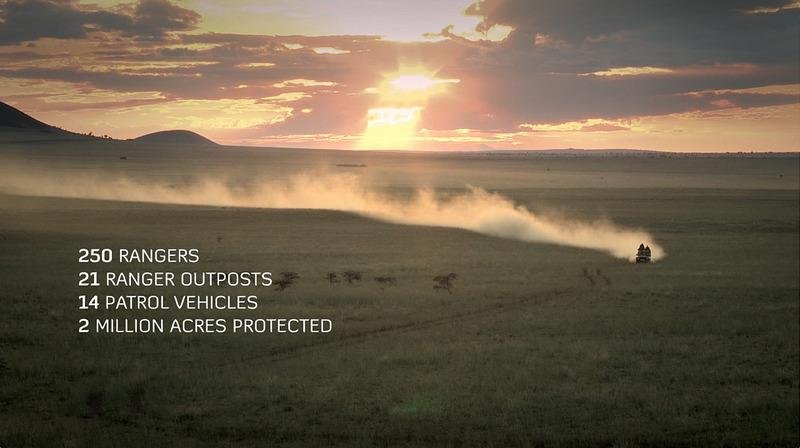
From an idea and a willingness to change has grown a dynamic force of guardians to protect lions. This is impactful and meaningful conservation in action built on a foundation of community partnership.
Cultural change takes time and it must be reinforced over time. We have begun preparing for the next Maasai Olympics in 2018 and raising the funds required for this event and, just as important, the conservation education that will take place over the next two years in the interim. Your ongoing support is critical, and on behalf of the Maasai people and wild protected lions, we are very grateful for it.
Links:
Project reports on GlobalGiving are posted directly to globalgiving.org by Project Leaders as they are completed, generally every 3-4 months. To protect the integrity of these documents, GlobalGiving does not alter them; therefore you may find some language or formatting issues.
If you donate to this project or have donated to this project, you can receive an email when this project posts a report. You can also subscribe for reports without donating.