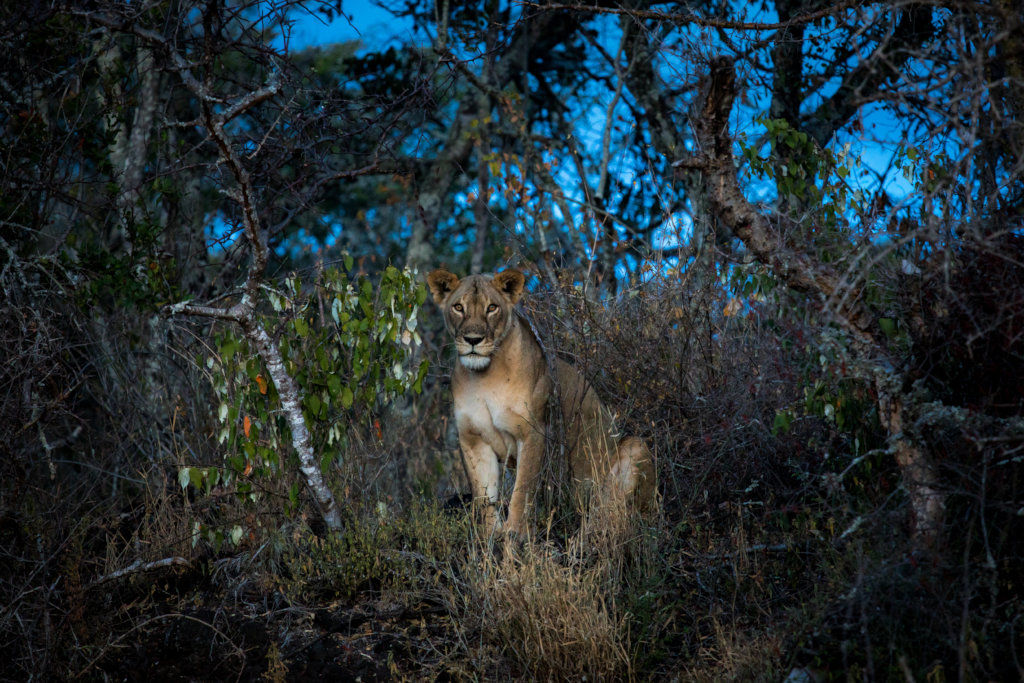
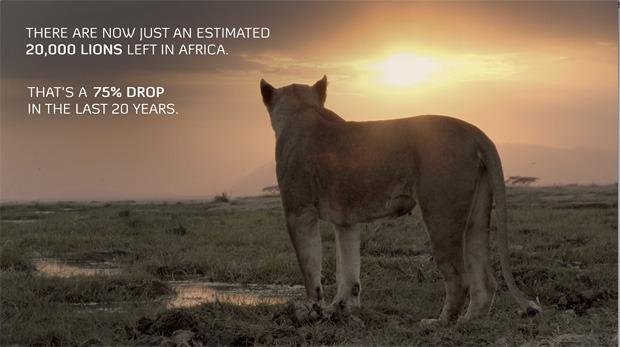
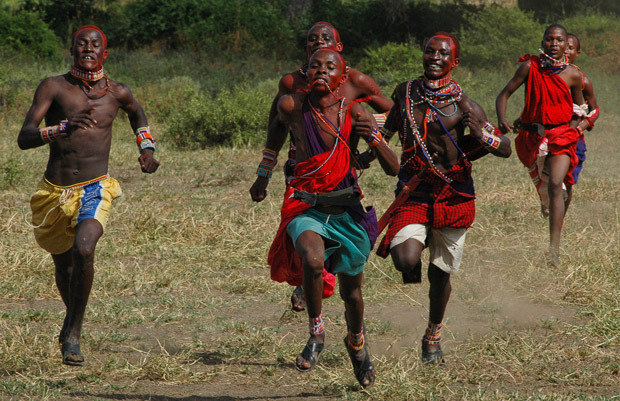
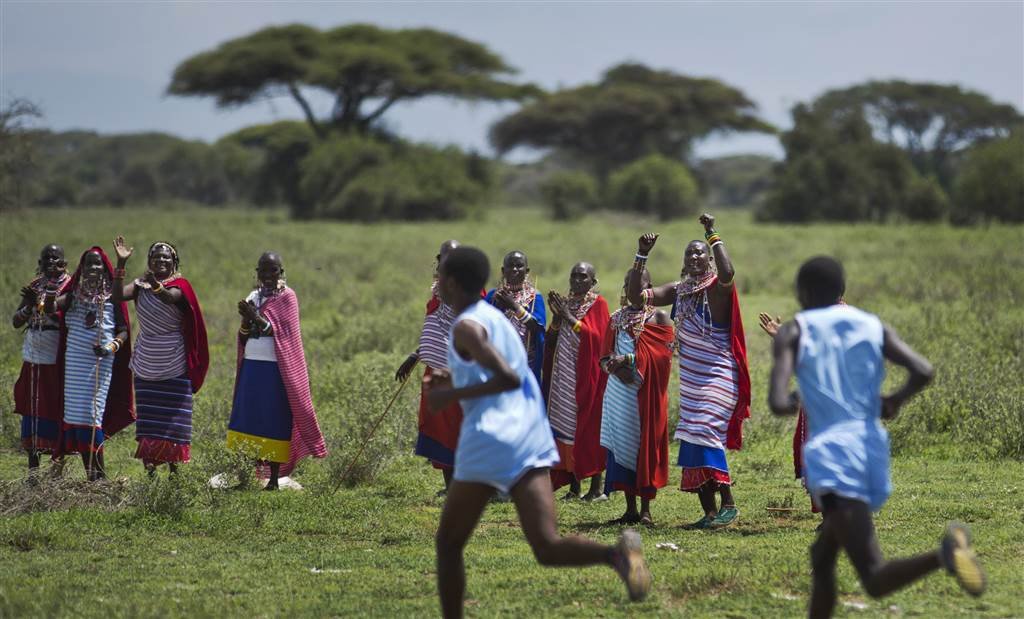
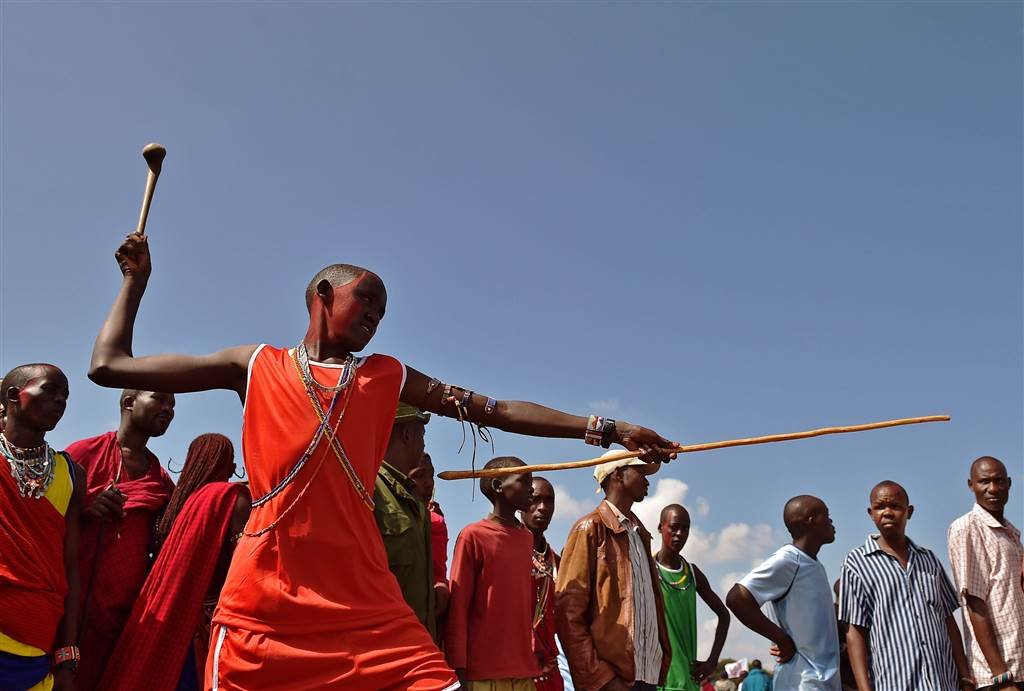
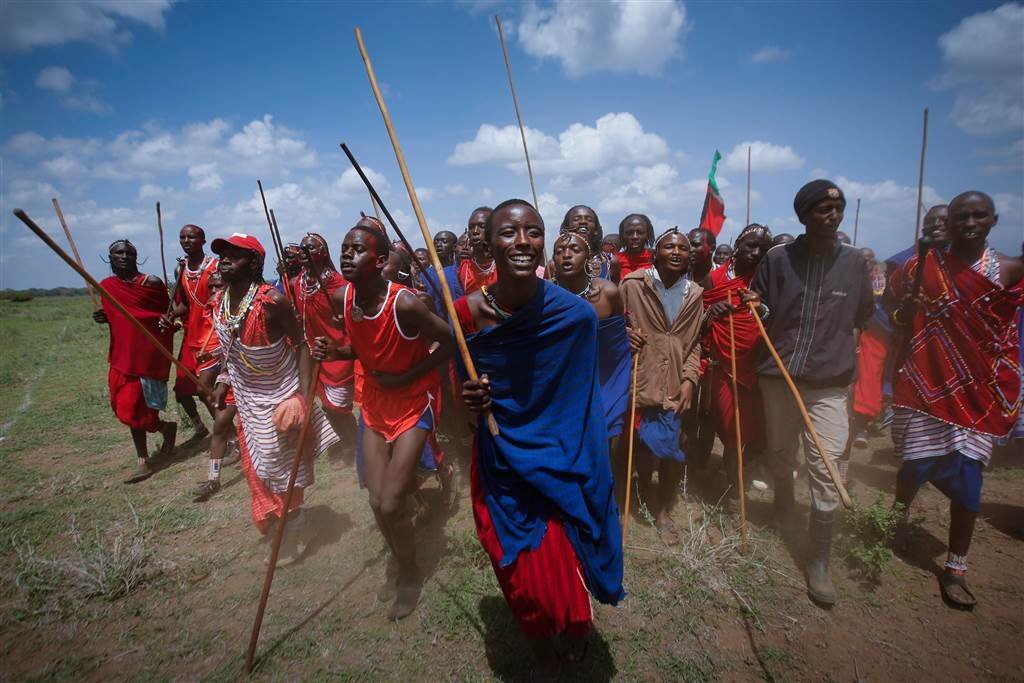
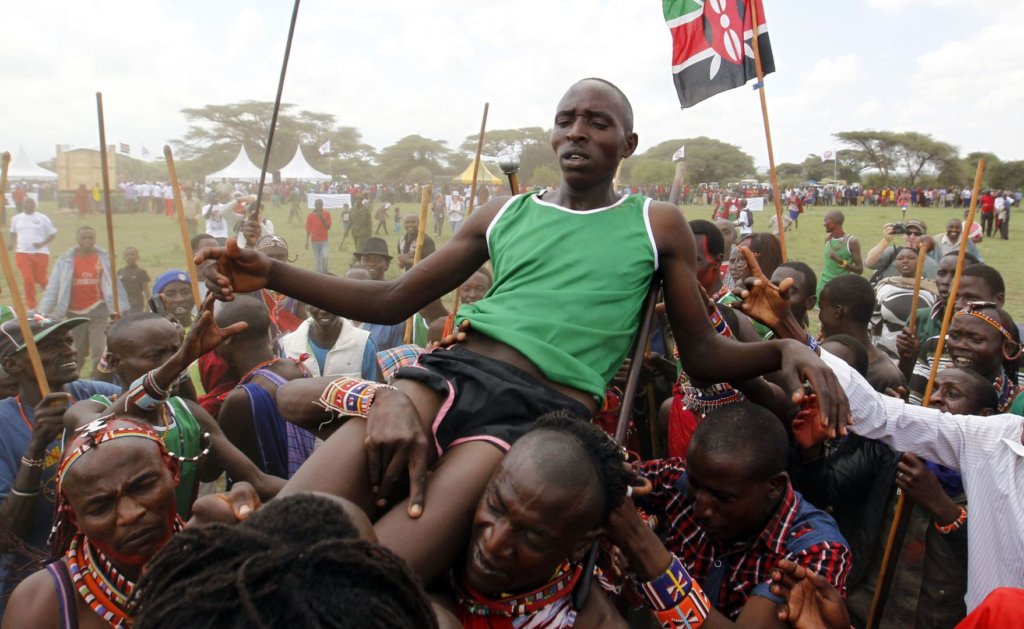
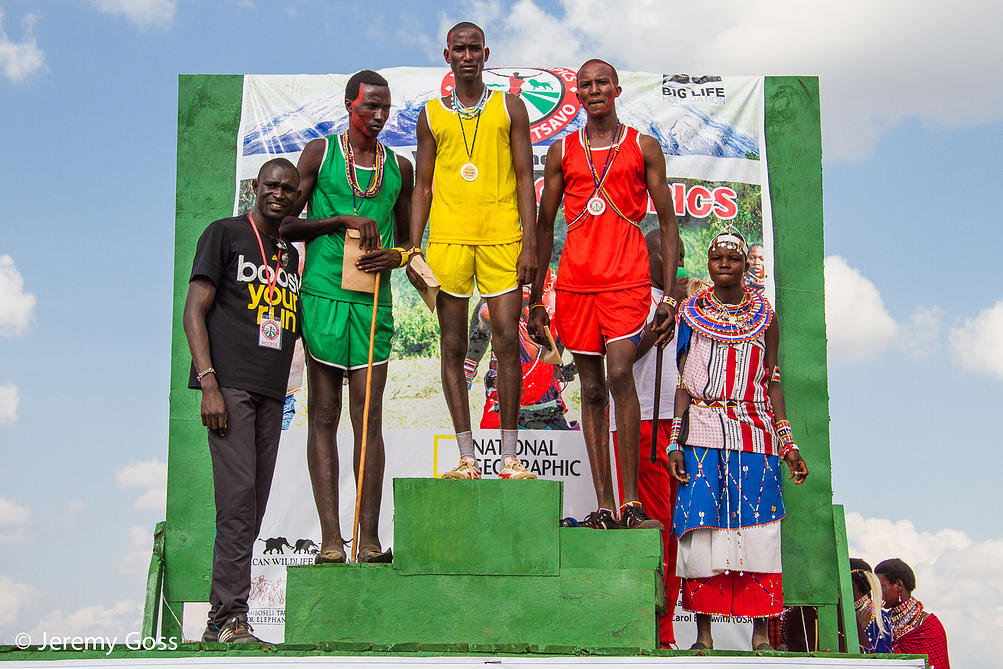
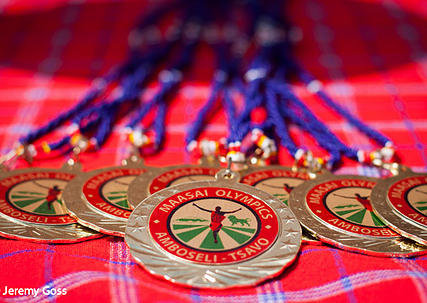
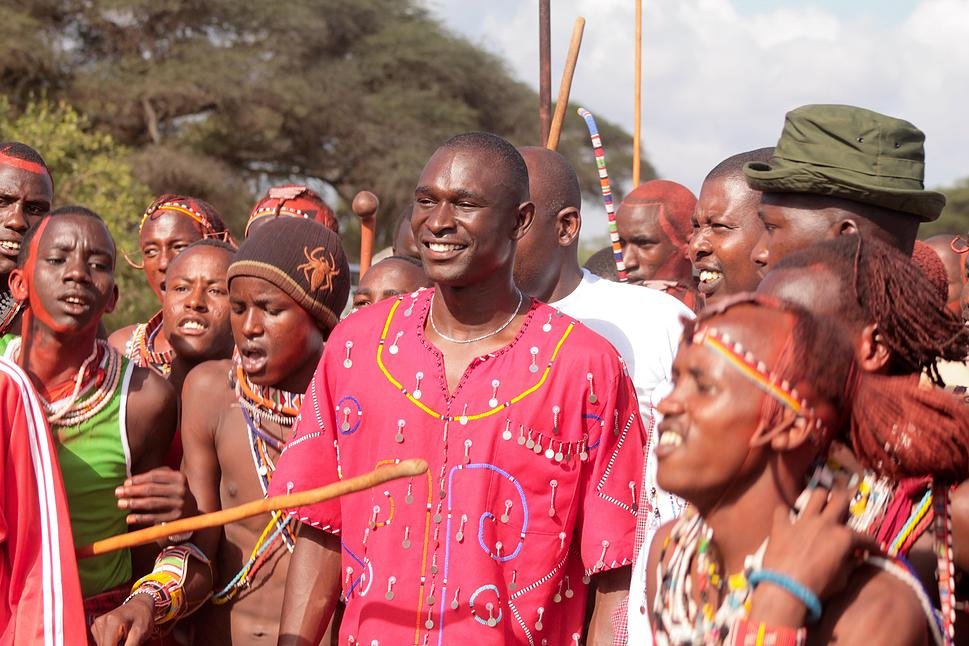
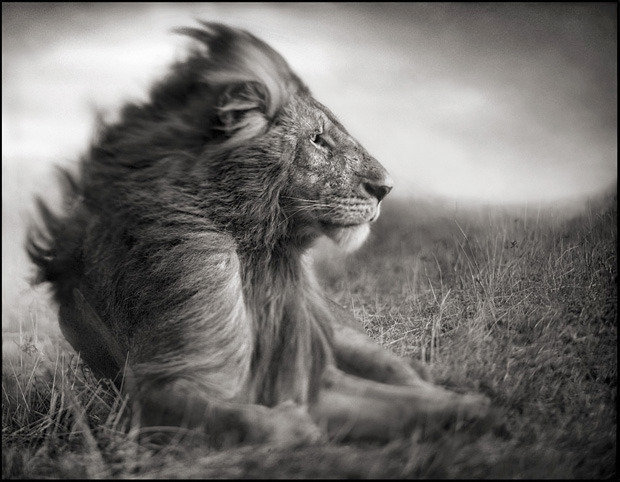
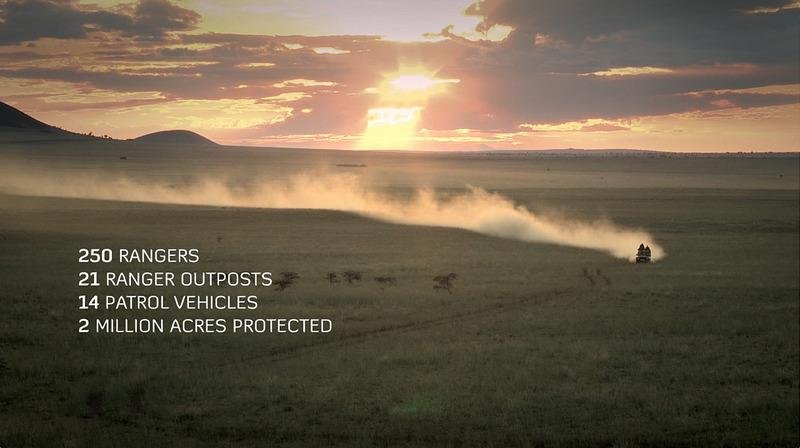
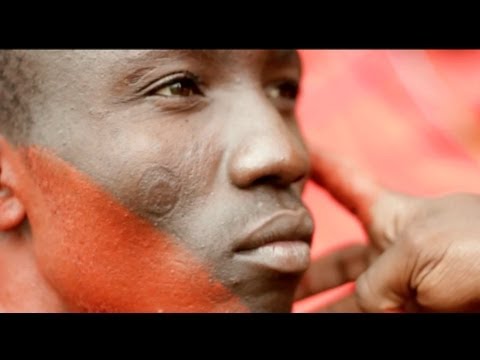
Iconic predators of Africa are disappearing before our eyes. Wild African lions have declined by 75% in 20 years. Predators are critical to healthy eco-systems in East Africa. In Maasai culture, it is custom for males to kill lions as a rite of passage into manhood. Maasai leaders asked for assistance from Big Life to eliminate lion hunting from their culture. In response, the Maasai Olympics and conservation education initiative were created to provide a transformative alternative.
In Maasai culture, it is custom for males to kill lions as a rite of passage into manhood. There are now too many people and too few lions for this to continue. In response, the Maasai Olympics were created and held in 2012 and 2014. These events were highly successful and garnered global interest. Funding is required to ensure this one of a kind event is held again in 2016 and the positive momentum for change continues.
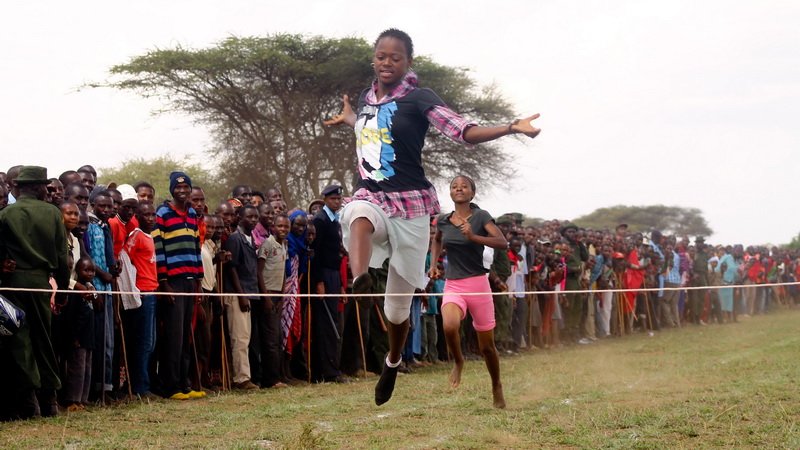
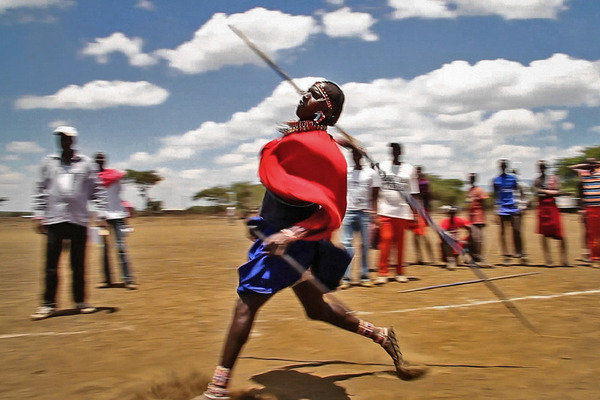
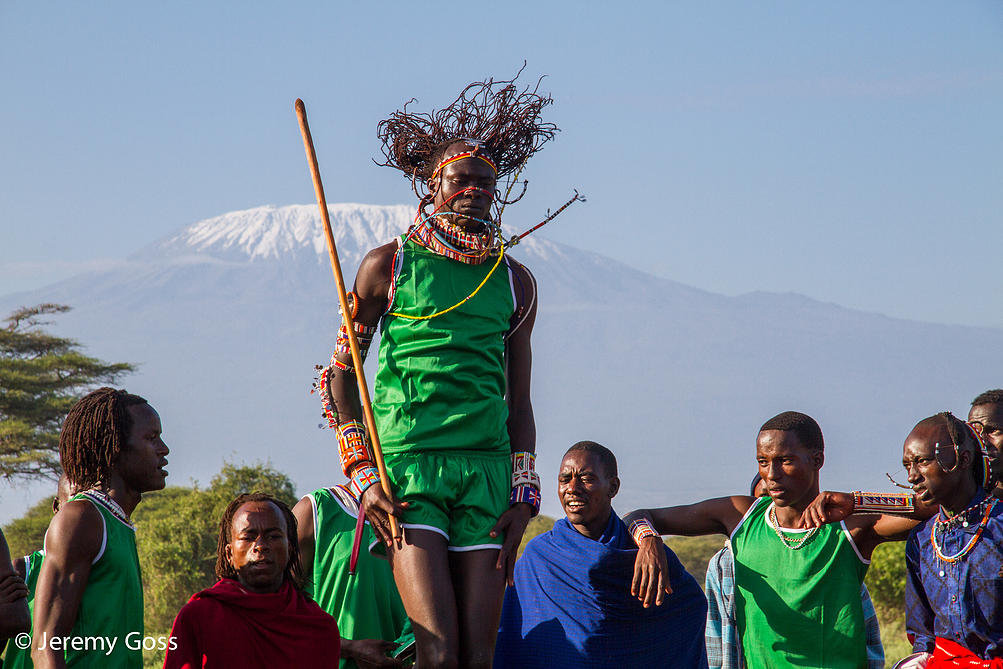
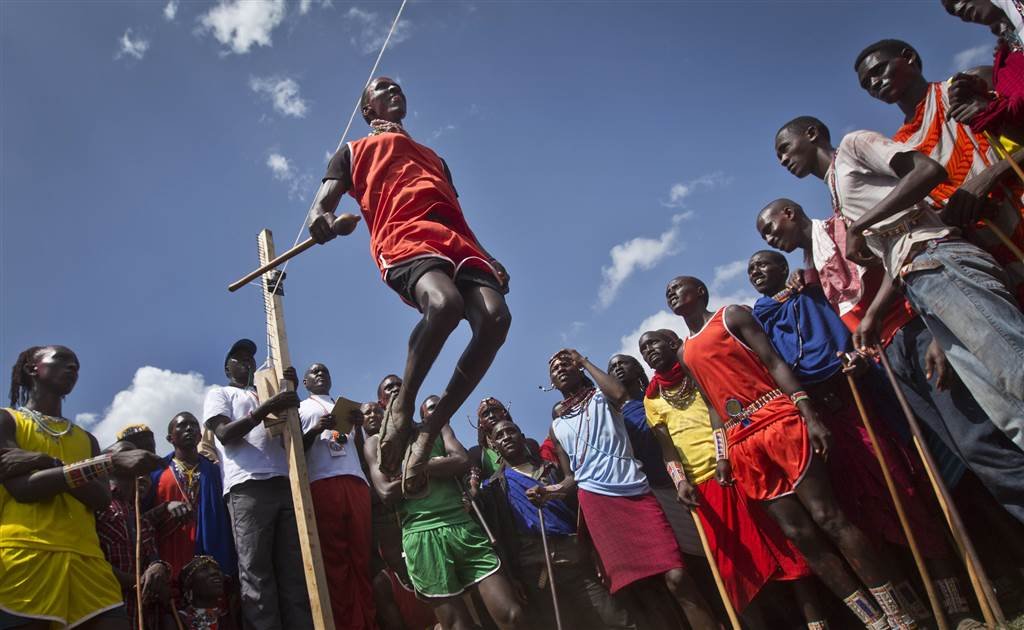
Instead of lion killing to compete for recognition, express bravery, attract girlfriends, and to identify leaders, a history-changing alternative has been created: an organized Maasai sports competition based upon traditional warrior skills. In recognition that Maasai girls are also potential conservation advocates, two competitions for girls are included. By showing the transformative power of conservation, education and cultural change through sport an example is being set for other cultures.
Sustainable conservation can only be achieved through a community-based collaborative approach: conservation supports the people and people support conservation. The Maasai Olympics are a great example of this approach. They help to facilitate a cultural shift among the 800,000 Maasai in Kenya to be guardians for lions. An example is also set for other cultures in Africa and globally, by showing that cultural change for conservation is possible through a holistic and replicable model.
This project has provided additional documentation in a PDF file (projdoc.pdf).